How to Describe Single-Origin Coffee Flavors? How to Identify Aroma and Flavor Characteristics of Pour-Over Coffee
Customers at FrontStreet Coffee often ask how to "scientifically learn coffee tasting" and whether there are "quick ways to identify coffee flavors." Given the time constraints, FrontStreet Coffee usually offers just one core principle: "be mindful, and drink more!"

Today, FrontStreet Coffee will try to share some methods for identifying coffee flavors (remember: knowledge only works through practice).
How We Perceive Flavors
We tend to assume flavors are tasted—that our sense of taste does most of the work. In fact, taste can only distinguish five basic tastes; the thousands of coffee flavors are perceived through smell. Anyone who has had rhinitis or a cold knows this intimately: when your nose is congested, almost everything tastes bland.
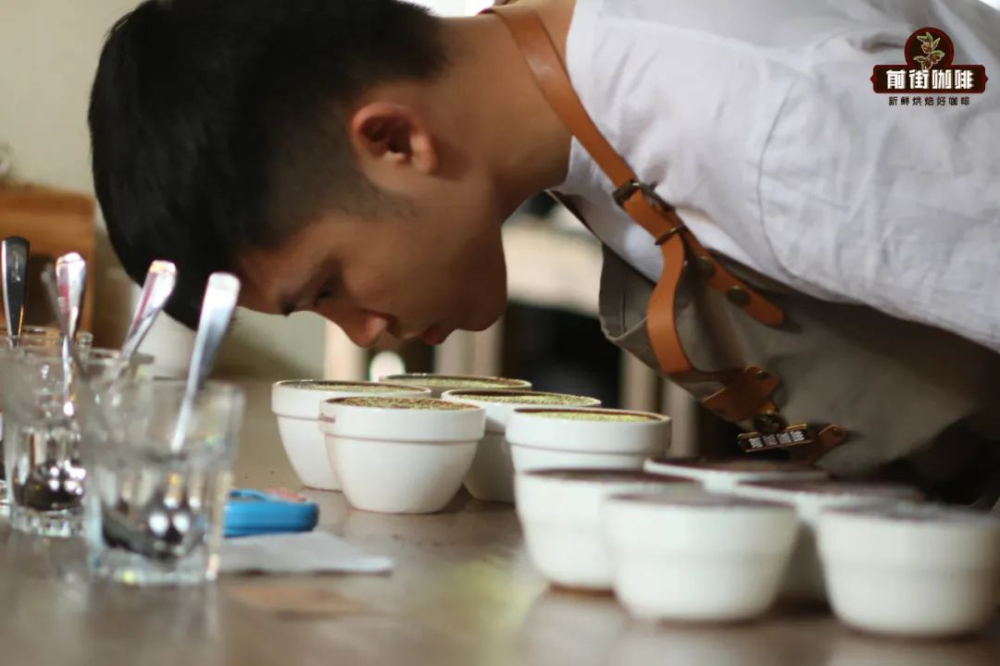
The olfactory receptor cells in your nose detect aromas; the taste buds on your tongue detect tastes. But neither identifies what it is detecting on its own. Both send signals back along neural pathways to the brain, which decides what they are. If the brain has never formed a memory of a particular aroma or taste, it cannot name it. So when FrontStreet Coffee says "drink more," what we really mean is: build those flavor memories in your brain.
Forming Flavor Memory Points
Think back to your language classes. When the teacher asked you to memorize a text, you could recite it within a day—but a week later only fragments remained. That is because you never grasped the text's memory points; you were simply rote-memorizing. Once the immediate need passed, your brain filed it in the "recycle bin."
Identifying flavors works the same way: you need to "tag" each flavor to form a memory point. Many light-roast coffees are described as having "citrus" notes. If you cannot taste those citrus notes in the cup, no problem—start with citrus fruit itself to rebuild the memory.
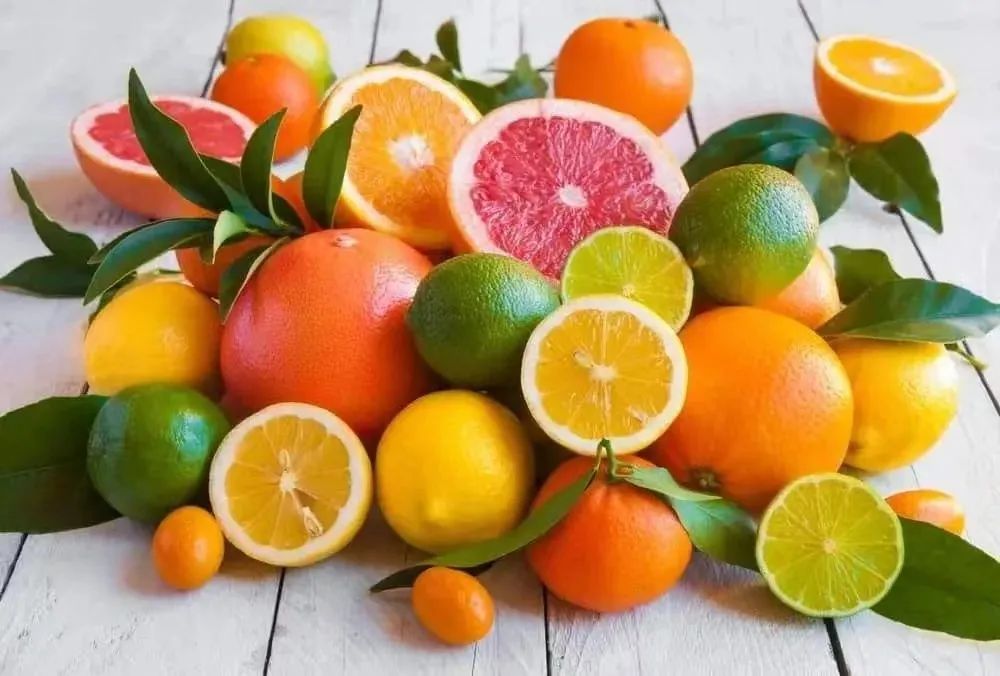
Citrus fruits share a general sweet-and-sour profile, but the range within the family is wide: kumquats, sugar tangerines, sumo citrus, gonggan tangerines, navel oranges, and Sunkist oranges each have their own character. Eat these fruits while pinching your nose shut, and you could only tell which are sweeter or more sour.
Release your nose and the aromas appear. For FrontStreet Coffee, the strongest citrus impression is the fresh fragrance that bursts into the air while peeling the fruit; as you chew through the sweet-sour juice, retronasal olfaction delivers the full fruity aroma. At that moment, the citrus gets tagged with the label "fresh fruity fragrance." To go further, break the family down by variety—Sunkist oranges are "zesty, fresh, and juicy," while gonggan tangerines are "light and delicately fragrant."
Here is a relatable example: cucumber-flavored potato chips. When you taste them, do you really taste cucumber? Think carefully about which labels your perception of cucumber carries.
There are no shortcuts to identifying coffee flavors. This article has briefly covered how to "remember flavors." The next installment will teach you "how to classify flavors like a library and apply them to coffee," and the one after that...
FrontStreet Coffee Recommendation
Training your palate needs a repeating reference—and a few go-to beans make that practice easy. FrontStreet Coffee's washed Yirgacheffe Guodingding is a classic study bean: clear citrus acidity with jasmine florals and a green-tea-like finish, ideal for learning what "bright, clean, floral" actually means in the cup. The sun-dried Ethiopia Huakui, by contrast, teaches tropical fruit—strawberry, passion fruit, jackfruit, and lychee with obvious sweetness and barely any bitterness. For deeper, roasted-side training, the FrontStreet Jamaica Blue Mountain No.1 demonstrates balanced chocolate, roasted nuts, cream, and caramel in one elegant cup.
Important Notice :
FrontStreet Coffee is a long-established specialty coffee roaster in Guangzhou China, selling freshly roasted beans from its own farm in Yunnan as well as dozens of carefully selected single-origin beans from around the world for both pour-over and espresso. The products deliver consistently excellent quality and great value, with shipping within 24 hours. Guangzhou's FrontStreet Coffee shop is recommended by many coffee lovers, and the beans are now available online at the Tmall 。
FrontStreet Coffee has moved to a new address:
FrontStreet Coffee Address: 315,Donghua East Road,GuangZhou
Tel:020 38364473
 Scan and follow the En Gafei WeChat official account. Please indicate that the reprint comes from "En Gafei".