The Origin of Cappuccino's Name, How to Make the Perfect Cup, and Is There an Iced Version?

To make a barista break down, all it takes is one sentence: "Could I get an iced cappuccino, please?" The moment those words leave a customer's mouth, the barista's mind floods with memories of explaining, again and again, that cappuccino simply does not come iced.
Why Is There No Iced Cappuccino?
Cappuccino is a classic Italian coffee drink, and its story is worth telling.
The name is a phonetic borrowing from Italian, where it derives from "cappuccio," meaning "hood." The two words differ by a single letter - the "n" - and that "n" points to the drink's real inspiration: the Capuchin friars of the Catholic Franciscan order.
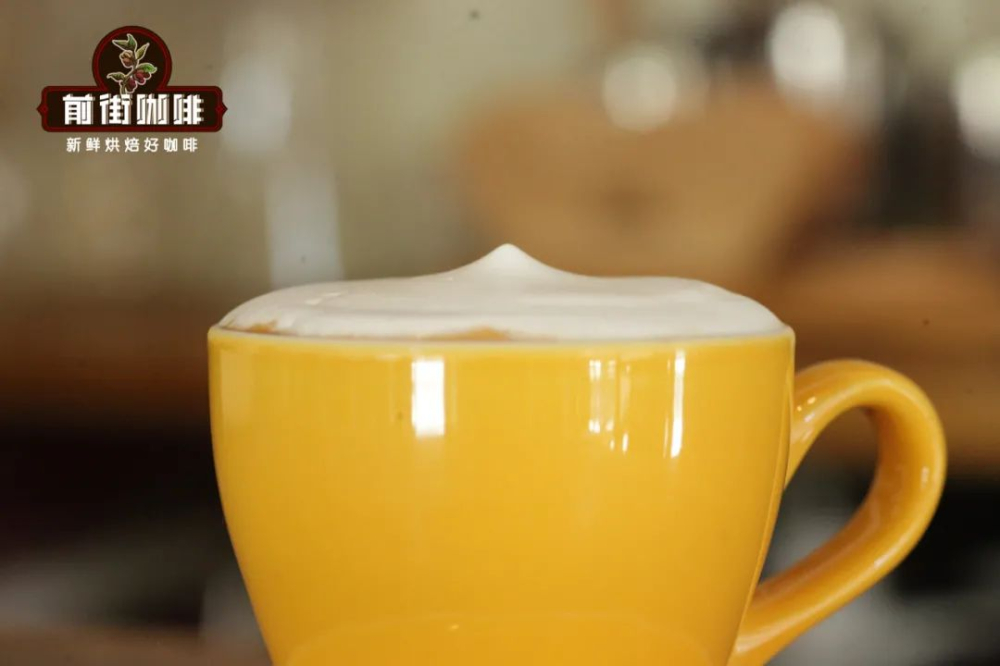
The Capuchin friars wore dark brown robes, with their hoods folded back into small pointed caps. At the time, one popular coffee looked strikingly like that attire: a ring of brown the color of the robes, topped by milk foam that was spooned into a pointed cap. People simply called the drink "cappuccio."
Because "Capuchin" and "cappuccio" sounded so much alike, Italians slipped the "n" into cappuccio without disturbing the rhythm of the word, and the milk coffee became "cappuccino."

As cappuccino caught on, more and more Italians came around to milk coffee. Spooning out that little pointed cap took time, though, so people gradually stopped shaping it. Tradition still mattered, so the drink kept its ring of brown coffee while the dense foam was allowed to rise above the rim like a hat, in memory of the friars.
That is how cappuccino came to have its "golden coffee ring." Everyone knows that when coffee meets milk, the brown turns light brown, so protecting the golden ring means keeping the milk from scattering the coffee oils. That is why the milk is steamed denser and thicker, so the foam can act as a protective layer between the milk and the oils.

A classic cappuccino must be hot, with thick, dense foam on top and a golden ring showing. Take a sip and you will inevitably end up with a white mustache on your lip. There is simply no place in that picture for ice. As Italian coffee spread around the world, milk foam thickness and coffee-to-milk ratios varied from place to place, but the tradition of serving cappuccino hot held almost everywhere. On most cafe menus, iced Americanos and iced lattes are fixtures; iced cappuccinos are conspicuously absent.
The Iced Cappuccino Market
Where there is a market, a product always follows. Search for "iced cappuccino" and you will find plenty of detailed recipes, most of them trying to re-create the structure of a cappuccino: coffee, milk, and foam.
The coffee is still espresso, but it has to be chilled over ice. The foam comes from a French press or a milk frother, pumping the plunger rapidly back and forth, after which the milk and foam are poured over the coffee.

The result is awkward: that pumped layer of foam is thick and structurally fragile, and because it is cold, it barely flows. When you drink it, you will likely finish all the coffee while the foam sits untouched, losing the pleasure of drinking a cappuccino.

Still, it does look quite good in photos.
FrontStreet Coffee Recommendation
If you are pulling shots at home for milk drinks like cappuccino and latte, FrontStreet Coffee's Classic Blend is the natural place to start. A medium-dark espresso recipe built from three origins and inspired by the old-school "Mamba" pairing of Mandheling and Brazil, it adds a touch of Robusta for extra aroma and crema. Expect butter, toasted bread, and caramel-cookie notes, a sturdy body, and fine, stable crema that is forgiving for beginners.
Prefer a nuttier, richer cup? FrontStreet Coffee's Specialty Blend combines washed Colombian beans with semi-washed Brazilian beans in a medium-dark roast, delivering nuts, dark chocolate, and caramel. It shines in Americanos, lattes, and flat whites, with almond and cocoa sweetness and crema that holds its own against any cafe - more than enough for practicing latte art.
For anyone about to open a shop, FrontStreet Coffee's Commercial Blend takes the Specialty Blend and adds a small amount of Robusta for deeper brown, silkier crema and a heavier body. Whether you are making an Americano, a latte, or a mocha, it brings nuts, cocoa, and caramel while keeping latte art easy.
Important Notice :
FrontStreet Coffee is a long-established specialty coffee roaster in Guangzhou China, selling freshly roasted beans from its own farm in Yunnan as well as dozens of carefully selected single-origin beans from around the world for both pour-over and espresso. The products deliver consistently excellent quality and great value, with shipping within 24 hours. Guangzhou's FrontStreet Coffee shop is recommended by many coffee lovers, and the beans are now available online at the Tmall 。
FrontStreet Coffee has moved to a new address:
FrontStreet Coffee Address: 315,Donghua East Road,GuangZhou
Tel:020 38364473
 Scan and follow the En Gafei WeChat official account. Please indicate that the reprint comes from "En Gafei".