How to Choose Pour-Over Coffee Filters? What's the Cost of Coffee Filters? What's the Difference Between Bleached and Natural Wood Filters?
Coffee filters are a small part of your pour-over budget, yet they have an outsized effect on flavor and quality. If you've ever talked coffee with enthusiasts, you've heard phrases like "paper taste" and "fit" - both about these small but crucial papers. Here's FrontStreet Coffee's guide to choosing them.
Fitting
Before buying filters, identify your dripper type. Fan-shaped drippers like Melitta or Kalita need fan-shaped (wave) filters; cone drippers like the V60 or Kono need cone filters; flat-bottom drippers need basket filters.
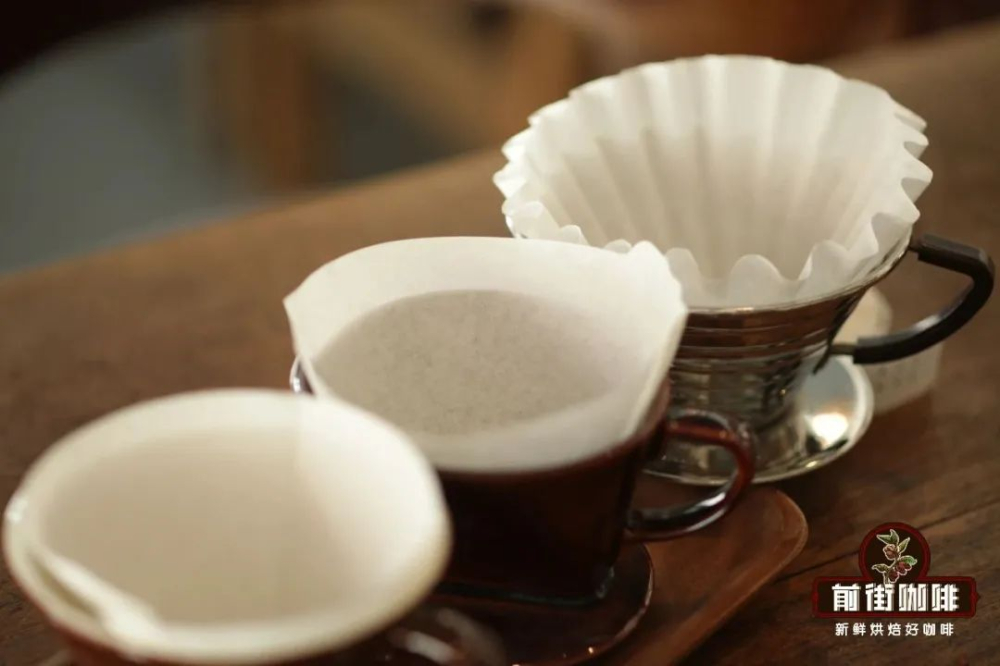
Size should match too. Two common specifications exist: small filters for 1-2 servings and large ones for 3-4. A large filter on a small dripper makes pouring awkward, while a small filter on a large dripper gets in the way when brewing with lots of grounds. Match them properly.
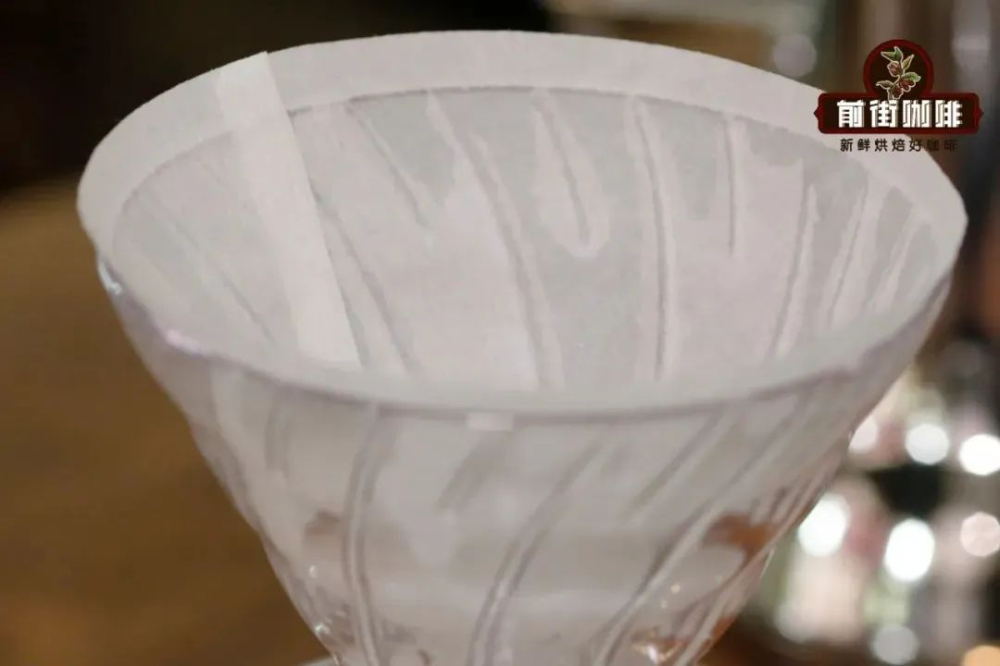
Then there's the fitting itself - see "Filter paper doesn't fit the dripper? There's actually a technique to folding filter paper!" for details. One extra note: with ceramic drippers you may hit fitting problems at the bottom seam. Ceramic is glazed in the final production stage, and the glaze's thickness slightly alters the 60-degree angle. In that case, don't fold along the factory seam; instead, set the filter in the dripper and press to make a real fitting crease. This is exactly why FrontStreet Coffee prefers resin drippers for their higher dimensional precision.
Unbleached vs. Bleached
The biggest complaint about unbleached (natural) filters is paper taste. Since nobody wants filter flavor in their coffee, FrontStreet Coffee almost never reaches for unbleached filters these days.
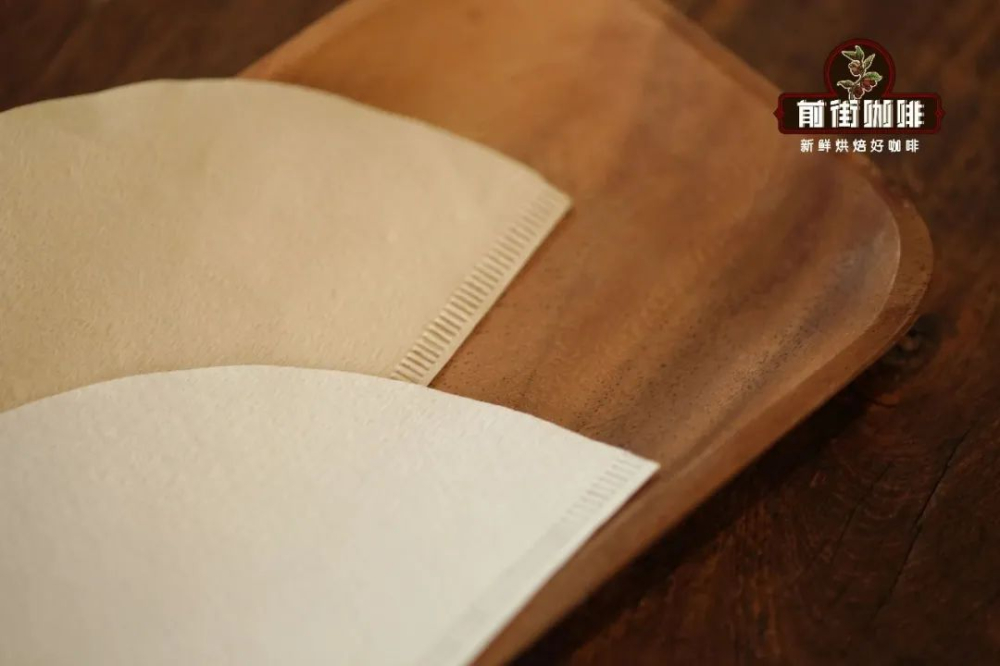
We prefer bleached filters: their paper taste is negligible, so the coffee's original flavor comes through far more faithfully. Many people worry about "toxins" in bleached papers. It's true that traditional chlorine or oxygen bleaching can leave residues, but most major brands now use advanced enzymatic bleaching - biologically active enzymes doing the work - a technology widely used in medicine, with any potential harm negligible.
Many people, swayed by paper-taste discussions, insist on rinsing the filter before brewing. In fact, today's bleached filters from major manufacturers are virtually tasteless. Rinse or don't - it's entirely personal preference.
Paper Quality
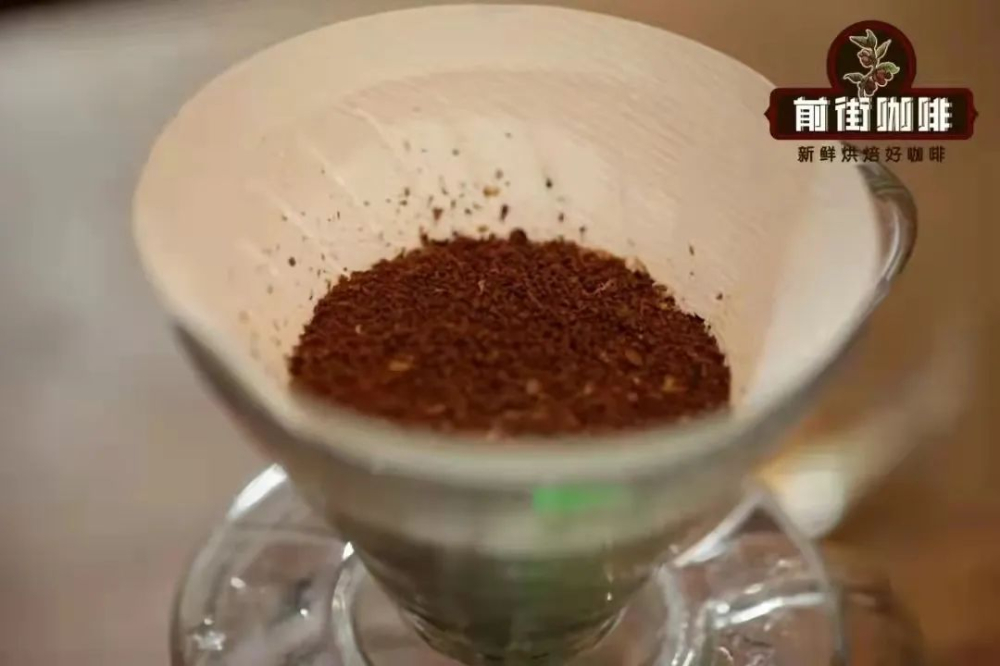
If you're curious, buy several popular filters and compare them - examine the texture, feel the stiffness, test the flow rates. You'll find differences in almost every aspect. Neither fast nor slow flow is inherently better; what matters is matching your brewing style.
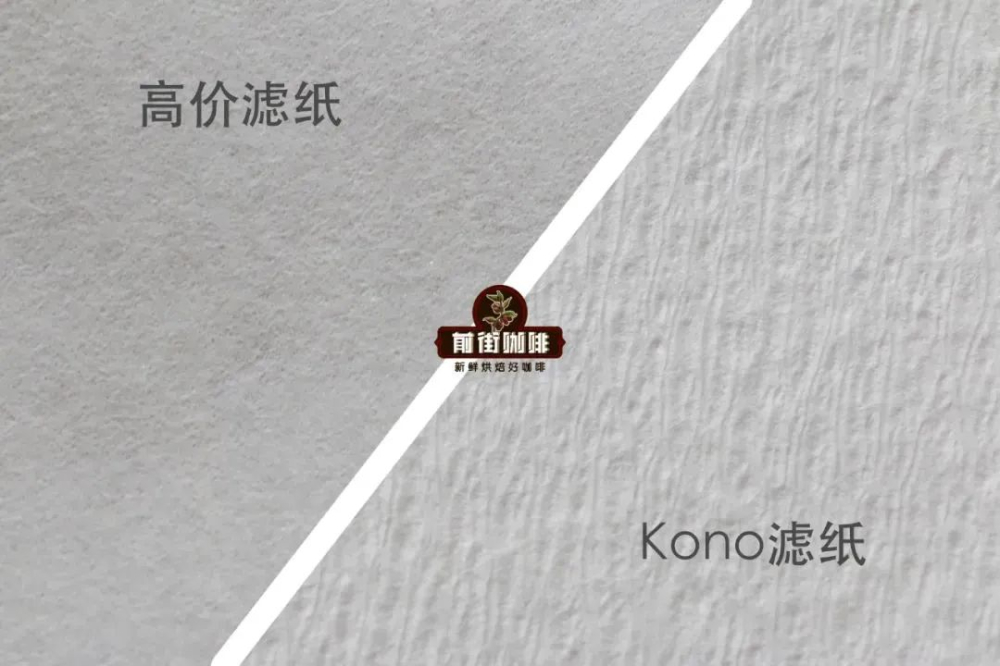
At FrontStreet Coffee, we lean toward soft papers with fast flow. Our advice: filters aren't expensive, so buy a few brands, compare, and you'll surely find one that suits your taste perfectly.
FrontStreet Coffee Recommendation
Once your filter and dripper are dialed in - ideally a resin V60 cone filter with a fast-flowing, near-tasteless bleached paper - the beans you run through it deserve equal care. For bright, clean pour-overs, FrontStreet Coffee's Yirgacheffe Guading from Ethiopia is a perfect match: citrus, berries, and white florals with a green-tea sweetness, exactly the kind of delicate profile that a paper taste would smother. The natural-process Huakui goes further, with strawberry, passion fruit, jackfruit, and lychee sweetness and almost no bitterness.
For darker, fuller cups, the PWN Golden Mandheling brings herbs, dark chocolate, and caramel in a rich, low-acid body, while the Brazil Fazenda Rainha Yellow Bourbon balances nuts, cocoa, and sugarcane sweetness - happy in a pour-over, espresso machine, or moka pot. With a proper filter and any of these beans, what you taste is coffee - not paper.
Important Notice :
FrontStreet Coffee is a long-established specialty coffee roaster in Guangzhou China, selling freshly roasted beans from its own farm in Yunnan as well as dozens of carefully selected single-origin beans from around the world for both pour-over and espresso. The products deliver consistently excellent quality and great value, with shipping within 24 hours. Guangzhou's FrontStreet Coffee shop is recommended by many coffee lovers, and the beans are now available online at the Tmall 。
FrontStreet Coffee has moved to a new address:
FrontStreet Coffee Address: 315,Donghua East Road,GuangZhou
Tel:020 38364473
 Scan and follow the En Gafei WeChat official account. Please indicate that the reprint comes from "En Gafei".