
Why is Japanese Dark Roast Coffee So Bitter? How to Brew Sweetness from Dark Roast Coffee Beans?
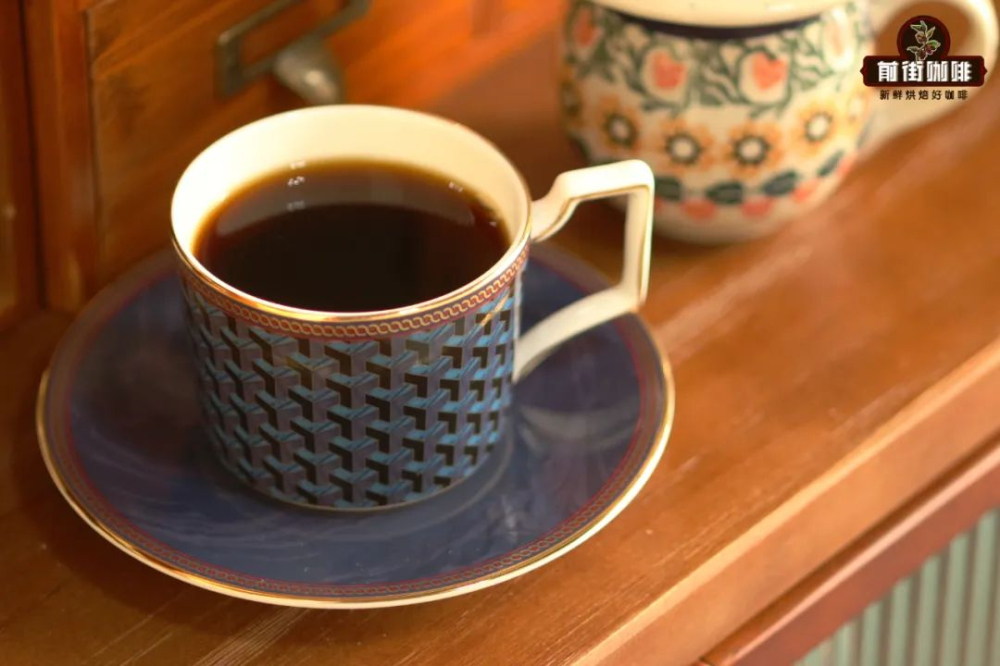
If you were born before the year 2000, your first impression of black coffee was probably one of flat, unrelenting bitterness. Back then, the only "non-bitter" option on the shelf was Nestle's 2-in-1 instant mix.
That uniform bitterness came from the deeply roasted beans that dominated the last century - a completely different animal from the light-roasted, floral and fruity beans favored today. So why did anyone fall in love with coffee that bitter?

If you're ever lucky enough to meet an older gentleman who still drinks this style of coffee, ask him.
"Is this coffee bitter?"
"Bitter!"
"Then why do you keep drinking it?"
"I don't know, I guess I'm just used to it. The first time, it was the aroma that pulled me in. When I finally tasted it, it was very bitter - but a comfortable kind of bitter, hard to describe... Over time, it grew on me."
That answer actually explains a lot. For one whole generation, strong, bitter black coffee was a taste of an era. Back then, "coffee-flavored" was defined as bitter, smooth, and rich. People who liked that profile became lifelong coffee drinkers; those who didn't simply never came back.
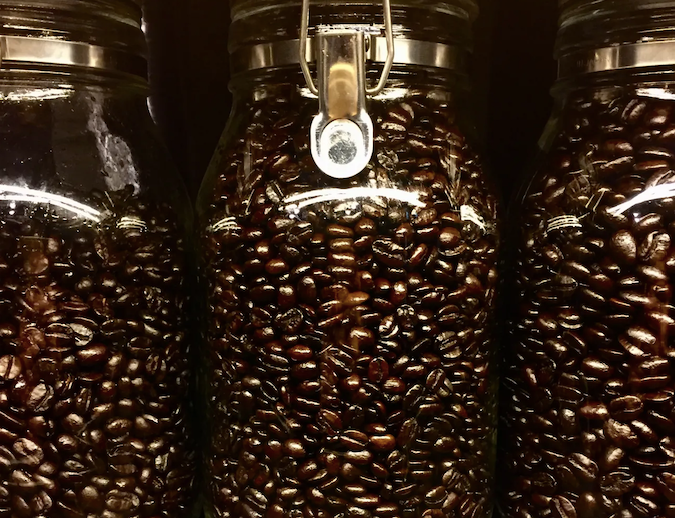
There was another reason too: coffee was treated as a functional drink for staying alert and boosting energy. When people needed the caffeine, sacrificing a little flavor seemed like a fair trade.
The Appeal of Dark Roast Coffee
Beyond the history, there are genuine charms behind dark roast coffee that FrontStreet Coffee wants to unpack.
Coffee Aroma
The classic "coffee smell" that people find irresistible originally comes from this rich, bitter, dark-roasted style. These aromas are complex layers of nuts, caramel, roasted chestnuts, cream, and spice. Plenty of people fall in love with coffee starting from its fragrance alone.

Rich Body
Dark roast coffee delivers a mouthfeel that light roasts simply can't match. Many drinkers still gravitate toward Blue Mountain and Mandheling largely for this reason - the weight and volume on the palate, that smooth, full sensation that fills the mouth.
Sweetness
Yes - even dark roast coffee has its own sweetness: a bitterness with sweetness hiding underneath. Take dark roasted Mandheling as an example. Most people easily pick up nutty and cocoa bitterness, but if you taste more carefully, you'll find caramel and maltose sweetness underneath - that "comfortable bitterness" the gentleman described.

After you swallow, the bitterness fades and sweetness takes over. This lingering finish is another big reason people love bitter coffee - and it's something light roasts struggle to replicate.
Brewing Dark Roast for Sweetness
Drinkers who dislike acidity usually reach for darker roasts first, because these beans typically show roasted aromas of nuts, dark chocolate, almonds, and melon seeds, with minimal acidity and sweet notes of cocoa, caramel, and maple syrup.
However, medium-dark to dark roasted beans endure longer, hotter exposure in the roaster, which makes their structure loose and their caramelization far more extensive than in light roasts. Under identical parameters, bitterness is released much more easily in the later stage of extraction. If the parameters slip even slightly, roasted bitterness takes over, the sweetness gets buried, and the cup turns shockingly bitter with astringency that clings to the throat. That's why learning to brew dark roast coffee for sweetness is both a rite of passage for newcomers and a balance drill for experienced brewers.

To avoid pulling out unwanted flavors while keeping the mellow sweetness, FrontStreet Coffee uses a slow-flow Kono dripper, a coarse sugar-like grind size, and low water temperature (88°C), pouring gently in small circles at a 1:15 coffee-to-water ratio, with the total time held to around 2 minutes. Below, FrontStreet Coffee walks through the full process using the shop's dark roast flagship - Golden Mandheling.
Brewing Sweetness from Dark Roast Golden Mandheling
Golden Mandheling has complex aromatics, and to experience its best flavor and texture, FrontStreet Coffee recommends brewing with freshly roasted beans. Coffee hits its optimal flavor window 4-7 days after roasting. Beyond that period (after about a month and a half), the aroma gradually fades and woody defect flavors appear. Because freshness matters so much, FrontStreet Coffee ships beans roasted within the past 5 days - by the time logistics deliver them, they're ready to enjoy.

FrontStreet Coffee builds each bean's brewing recipe from its cupping profile. Golden Mandheling shows herbs, dark chocolate, caramel, nuts, and pine. For this mellow-toned bean, FrontStreet Coffee's baristas use a Kono dripper. The Kono's ribs stop short of halfway up the wall - a deliberate design so that once wet, the filter paper presses tightly against the wall and restricts airflow. That slows the drawdown, extends contact time, evens out the extraction, and reinforces the rich body. The concave framework at the bottom of the Kono also creates a siphoning effect during brewing, another key to its character.
Because dark roasted beans are looser and absorb water aggressively, they can easily over-extract by soaking up too much water, turning Mandheling both bitter and astringent. FrontStreet Coffee therefore grinds coarser and brews with slightly cooler water.

Recommended brewing parameters: Water temperature: 87-88°C | Coffee grounds: 15g | Coffee-to-water ratio: 1:15 | Grind size: Medium grind (70% pass-through on China standard #20 sieve)
The brew uses a three-stage pour, which best expresses the rich body and caramel sweetness of Golden Mandheling. First, the bloom: pour 30ml of water to fully wet the grounds and let them degas, setting up better extraction in the later stages. Second: pour 100ml to bring out Mandheling's golden foam and lift the coffee bed. Finally: pour the last 95ml gently at the center. Once all the liquid has drawn down, remove the dripper and give the coffee in the server a gentle swirl.

A properly hand-poured PWN Golden Mandheling tastes full and rich, releasing spicy and herbal aromas over a solid, heavy body, with caramel sweetness and flavors of chocolate and nuts.
FrontStreet Coffee Recommendation
If the heavy, roasted sweetness of dark roast coffee is exactly what you love, FrontStreet Coffee's Golden Mandheling above is the natural starting point. But if you'd rather enjoy that same nutty, caramel richness with the bitterness dialed back, try FrontStreet Coffee's Brazil Queen Estate Yellow Bourbon - a medium-roasted yellow bourbon from the world's largest coffee-producing country that shows cream, peanut, chocolate, toasted bread, and sugarcane sweetness, and works beautifully as pour-over, moka pot, or espresso.
For the classic expression of that balanced bitterness-with-sweetness, FrontStreet Coffee also recommends the medium-roasted Jamaica Blue Mountain No.1, where chocolate, roasted nuts, cream, and caramel melt into one elegantly unified cup.
Important Notice :
FrontStreet Coffee is a long-established specialty coffee roaster in Guangzhou China, selling freshly roasted beans from its own farm in Yunnan as well as dozens of carefully selected single-origin beans from around the world for both pour-over and espresso. The products deliver consistently excellent quality and great value, with shipping within 24 hours. Guangzhou's FrontStreet Coffee shop is recommended by many coffee lovers, and the beans are now available online at the Tmall 。
FrontStreet Coffee has moved to a new address:
FrontStreet Coffee Address: 315,Donghua East Road,GuangZhou
Tel:020 38364473
 Scan and follow the En Gafei WeChat official account. Please indicate that the reprint comes from "En Gafei".

