
Who Knew Coffee Grounds Could Be Used Like This?! And Chocolate Doesn't Necessarily Come from Cocoa?
"What can you do with spent coffee grounds so you don't just throw them away?"
"Plenty. You can use them to absorb odors in the fridge, make a body scrub, even cut through kitchen grease..."
"You can also turn them into fabric, shoes, furniture, cups and straws..."
"That kind of recycling isn't environmentally friendly enough!" At that moment, a Japanese scientist rushed in.
"Recycling coffee grounds this way requires drying, and that process releases carbon dioxide into the air!"
As environmental awareness keeps growing, how to reuse materials as fully as possible has become a research direction for many scholars. With coffee culture spreading steadily, the world now consumes an average of 2.25 billion cups a day—a staggering figure. Every cup leaves behind a large amount of spent grounds. Simply discarding solid grounds is both wasteful and harmful to the environment, which is why reusing coffee grounds has become a popular line of research in recent years.
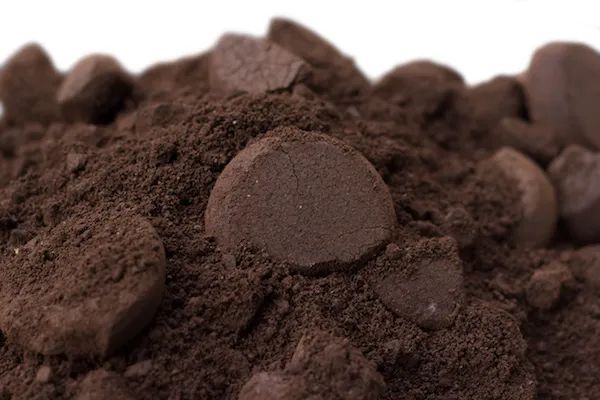
The Environmental Challenge of Coffee Ground Recycling
Coffee already releases carbon dioxide while it is brewing, and spent grounds keep releasing carbon dioxide when they are recycled and dried. Carbon dioxide emissions are a primary cause of the greenhouse effect... (Shh—I know what you are thinking. Hold that thought and read on.)
A Breakthrough Solution: Fermented Coffee Grounds
So is there a way to reuse coffee grounds without harming the environment? Tetsuji Ishigaki, a Japanese scientist and the CEO of SOI Shizuoka, says yes: ferment the grounds into a paste with koji mold, then add cocoa butter to solidify them into block-shaped instant coffee. Because cocoa butter is used, it can also be called coffee ground chocolate.
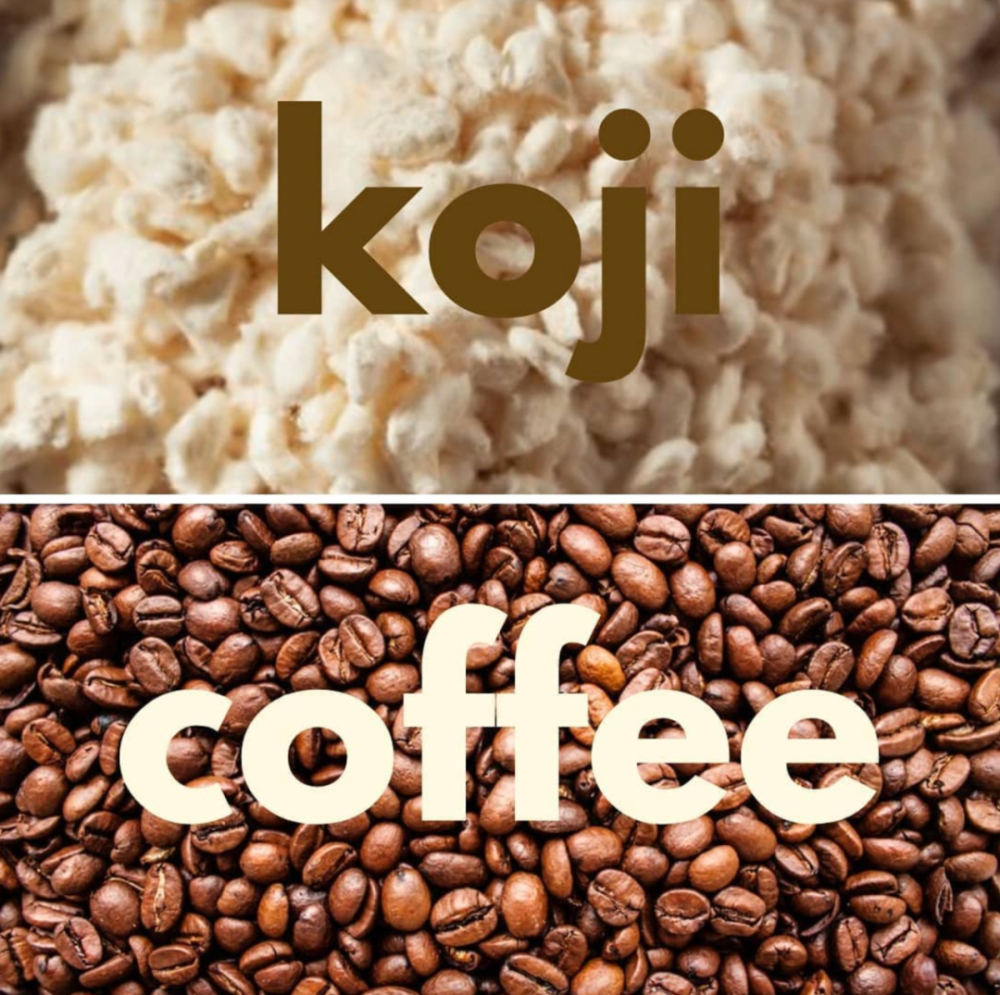
The Science Behind Coffee Ground Chocolate
Coffee grounds themselves are the woody fiber of coffee beans, and eating them directly would of course give a poor texture. So Tetsuji Ishigaki adds koji mold—commonly used in brewing sake and soy sauce and in other fermented foods—to the grounds. The koji mold not only softens the coffee fiber but also makes the coffee paste more flavorful.
As koji mold reproduces during fermentation, it produces various enzymes that convert proteins into amino acids, creating rich umami flavors that make the coffee paste taste more intense. In Tetsuji Ishigaki's sample testing, he found that the amino acid content of the coffee paste is approximately 3 times that of raw coffee beans, and the paste also offers certain health benefits.
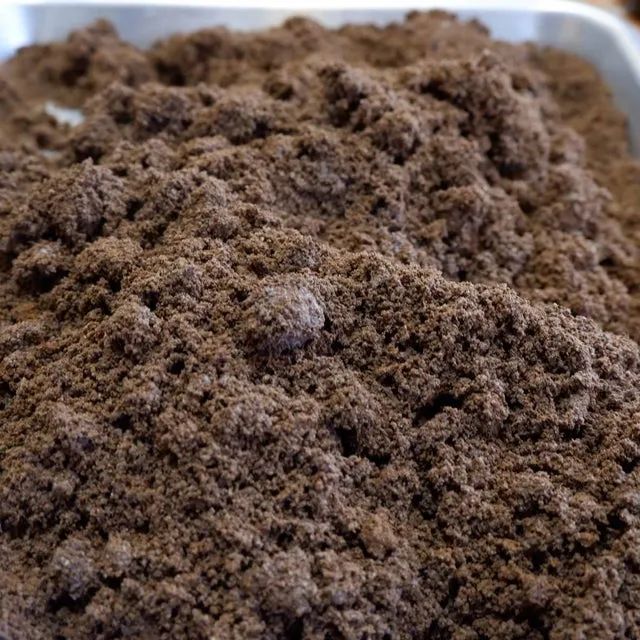
Health Benefits and Caffeine Content
According to laboratory analysis, the polyphenol content, health-promoting compounds and antioxidants in the coffee paste are 1.6 times higher than in regular coffee. In addition, 94% of the coffee paste consists of insoluble fiber, which can support intestinal health.
As for caffeine, each 22g piece of coffee ground chocolate contains 50mg of caffeine. For comparison, a 225ml pour-over made with 15g of coffee at a 1:15 ratio contains approximately 60-90mg of caffeine. In general, eating this chocolate in the afternoon for an energy boost will not affect sleep at night.
From Lab to Market: COLEHA Coffee Ground Chocolate
The coffee paste is pasteurized after appropriate fermentation, then mixed with cocoa butter and solidified. Although still at the experimental stage, this coffee ground chocolate has begun limited sales under the name COLEHA. It is sold at the coffee shops that supply coffee grounds to the laboratory.
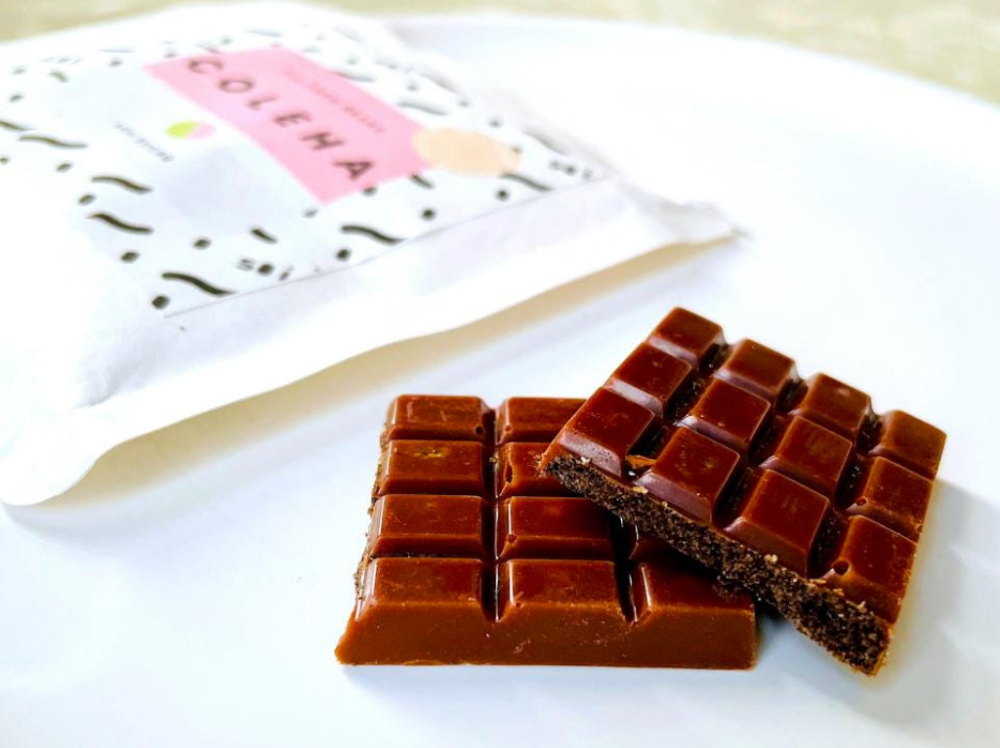
To suit different consumer tastes, COLEHA comes in three varieties with sugar content ranging from 0% to 40%. The 0% sugar version tastes like coffee-flavored dark chocolate with the slight acidity of high-quality coffee. The 10% sugar version has fruity and milky notes. The 40% sugar version has caramel flavors. The chocolate has been receiving positive reviews from consumers since it went on sale five months ago.
The Future of Coffee Ground Recycling
Fermentation techniques have been used across Asia for centuries, and Japanese researchers have studied naturally fermented healthy foods in depth. With the help of koji mold, one kilogram of coffee grounds can produce 115 COLEHA bars of 22g each. If this technology were promoted and widely adopted around the world, cocoa growers would say...? Sorry, I got sidetracked. It could produce 1.7 trillion COLEHA bars annually—truly both environmentally friendly and practical.
Drinking a rich, layered coffee while eating chocolate made from coffee grounds: the double joy of coffee lovers has arrived.

(I guessed you would want the featured image.)
Image source: Internet
FrontStreet Coffee Recommendation
Coffee ground chocolate leans on the bittersweet, cocoa-driven side of coffee, and the same profile is exactly what many drinkers look for in a daily cup. FrontStreet Coffee's nutty and chocolate-forward selection is a good place to start. The FrontStreet Specialty Blend is an espresso blend led by Brazilian coffee with Colombian coffee in support. Alongside complex nut aromas of almond and walnut, it delivers a comfortable bittersweet note in a latte and a sweet milk chocolate texture that goes down remarkably smoothly, with the nut, chocolate, caramel and gentle acidity that Colombian coffee is known for.
If you want that creamy chocolate character from a single origin instead, reach for the FrontStreet Brazil Queen Farm. It comes from a smaller growing area and is handled with greater care, and its Yellow Bourbon variety, distinctive for its pale yellow skin, develops Brazil's signature nut, cream, roasted peanut and caramel cookie flavors after roasting, with low acidity, a balanced body and a lingering clean sweetness. It is rich enough for pour-over, French press or smart-cup brewing, and it also shines in a moka pot or a home espresso machine.
For a deeper, more intense cup, try the FrontStreet Indonesia Lindong Mandheling. It comes from the Lindong region of Sumatra and is graded G1, the highest grade for Indonesian green beans. It is wet-hulled and dark-roasted to draw out dark sugar, spice, herbal, nut and dark chocolate notes, making for a full-bodied, rich, low-acid cup that suits pour-over, a moka pot or a smart cup—and works well as a practice bean for beginners.
Two more blends are worth knowing. The FrontStreet Dark Cocoa Espresso Blend pairs Brazil's nut aroma and smooth body with the ripe plum sweet-sour balance of Yunnan small cherry, giving a fine crema and moderate intensity in espresso and a caramel finish whether you make an Americano, a latte or a flavored signature drink. The FrontStreet Papua New Guinea Paradise Bird, nicknamed "Little Blue Mountain," is medium-roasted and shows toasted bread and nutty sweetness layered with bright grapefruit acidity, a fruit-like aroma and a spicy finish.
Important Notice :
FrontStreet Coffee is a long-established specialty coffee roaster in Guangzhou China, selling freshly roasted beans from its own farm in Yunnan as well as dozens of carefully selected single-origin beans from around the world for both pour-over and espresso. The products deliver consistently excellent quality and great value, with shipping within 24 hours. Guangzhou's FrontStreet Coffee shop is recommended by many coffee lovers, and the beans are now available online at the Tmall 。
FrontStreet Coffee has moved to a new address:
FrontStreet Coffee Address: 315,Donghua East Road,GuangZhou
Tel:020 38364473
 Scan and follow the En Gafei WeChat official account. Please indicate that the reprint comes from "En Gafei".

