
Decaf Coffee vs Caffeine-Free Coffee: What Are the Flavor and Price Characteristics of Low-Caffeine Colombian Coffee Beans?

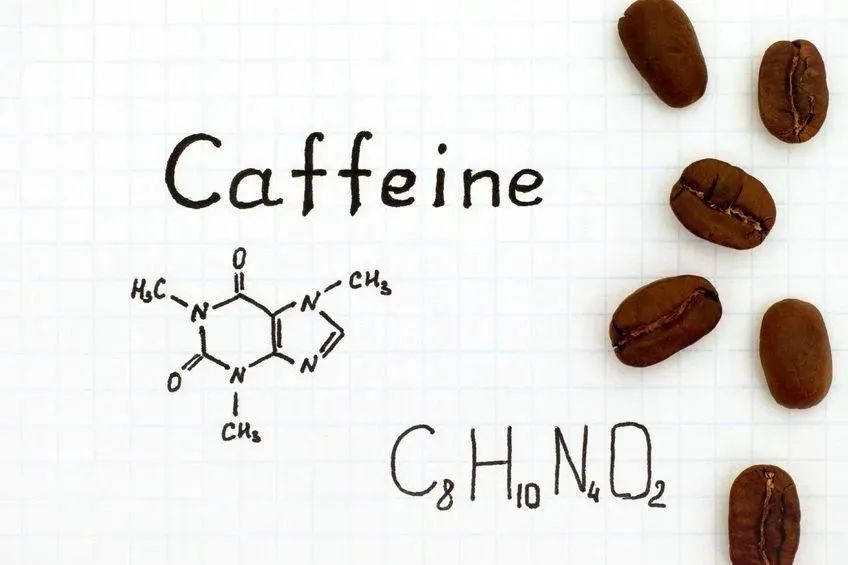
It's common knowledge that coffee contains caffeine. A moderate amount refreshes the mind; too much harms health. The general recommendation for adults is no more than 400mg of caffeine per day—roughly 5 cups of pour-over coffee (at 15g of grounds per cup). Caffeine, in other words, caps how much coffee you can drink, and that limitation is exactly what gave rise to decaffeinated coffee.

Understanding Decaf Coffee
"Decaffeinated" is a relative concept—simply, coffee with less caffeine than regular coffee. Decaf comes in two broad types: naturally low-caffeine and artificially decaffeinated. As a benchmark, arabica beans contain 0.9%-1.4% caffeine (averaging 1.2%), while robusta runs 1.8%-4% (averaging 2.2%). The Laurina (Pointed Bourbon) variety, a Bourbon mutation discovered on Réunion Island (formerly Bourbon Island), contains only about half the caffeine of arabica—hence its reputation as a naturally "decaffeinated" coffee.

Laurina's weak resistance to pests and disease once pushed it to the brink of extinction, and it remains rare in the commercial market. So "decaf" on the market today almost always means artificially decaffeinated coffee.
Standards for Decaffeinated Coffee
Artificial decaffeination removes caffeine far more thoroughly. The European Union standard caps caffeine at no more than 0.1% of the green bean by weight after processing; the US FDA standard requires reducing it to under 3% of the original content—roughly equivalent to the European rule.
Methods of Decaffeination
Artificial decaffeination falls into three families: direct/indirect solvent processing, supercritical carbon dioxide processing, and Swiss water processing.
The direct solvent method uses chemical solvents such as dichloromethane or ethyl acetate to dissolve caffeine. Steam first opens the pores of the green beans; the dichloromethane solvent is applied directly, binds with the caffeine, and is then washed away along with it; the beans are steamed again to strip all residual solvent.
The ethyl acetate process works the same way. Since ethyl acetate is usually derived from sugarcane, this version is often called sugarcane decaffeination—and most decaf processing in Colombia uses it.

The supercritical carbon dioxide method first lets the beans absorb water and expand, loosening the caffeine molecules. Liquefied carbon dioxide is added under more than 100 atmospheres of pressure in water. CO2 is highly selective: it dissolves the caffeine without damaging the beans' carbohydrates and proteins, preserving flavor. The caffeine-laden CO2 can even be reused after the caffeine is removed. The only drawback is cost—few markets can support such high processing prices.
The Swiss water method was developed by the Swiss company Coffex in the late 1970s, and SWISS WATER® is now a registered trademark. Green beans are soaked in hot water, which itself removes part of the caffeine; the soaked solution is filtered through activated carbon, then poured back over the beans. This cycle removes caffeine very effectively, requires no chemical solvents, and the solution can be reused across batches. The coffee does lose some flavor in filtration, but this remains the mainstream decaffeination method today.
Flavor Profile of Decaf Coffee
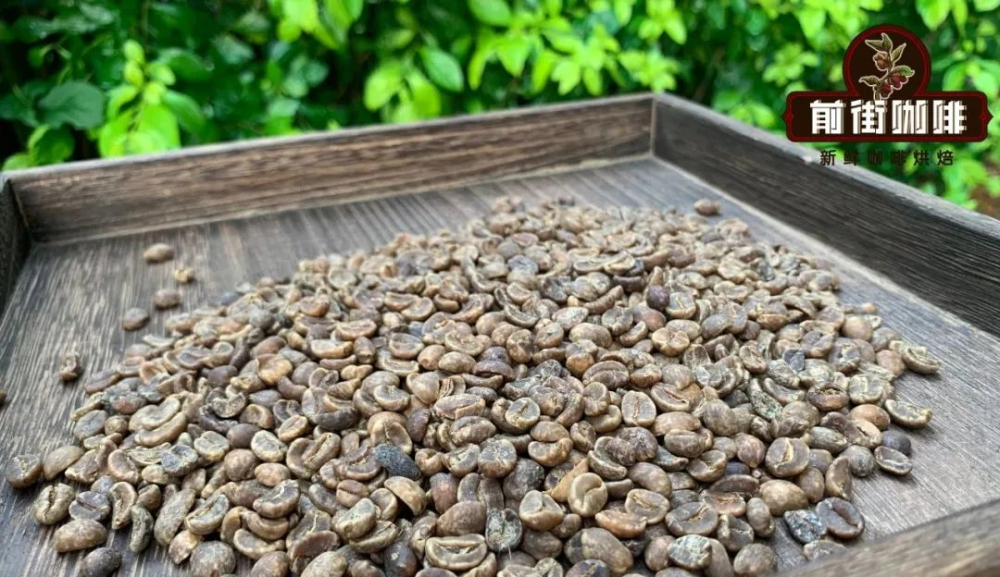
Decaf does achieve near-zero caffeine, but its flavor remains comparatively modest. FrontStreet Coffee offers a Colombian decaf processed by the Swiss water method: its profile is indistinguishable from classic Colombian character—balanced, mellow notes of nuts, cocoa and caramel. Whether that reflects the beans themselves or the decaffeination technique is hard to say.
FrontStreet Coffee Recommendation
Colombia is one of the few origins sold under its country's own name, and its range is remarkably wide—bright and fruity or deep and mellow, there's a Colombian for everyone. For classic depth, FrontStreet's washed Huila comes from the country's most famous specialty region: mountain-ringed hills above 1,500m elevation, fed by the meeting of Colombia's most important rivers. Roasted medium-dark, it delivers dark chocolate and nutty sweetness with moderate crema and a full body—equally at home in a pour-over, French press, moka pot, or espresso machine.
For a more adventurous cup, the Zhongfenxian (Dividing Line) estate Sidra is processed by anaerobic natural fermentation in pressurized stainless tanks—roasted medium-light, it bursts with passion fruit, grape, apricot and dried-fruit aromatics, superb for pour-over, cold brew, drip bags, or moka pot. And for milk drinks, the FrontStreet Premium Blend—Brazilian cream-and-nut character married to Colombian dark-chocolate bitterness—pulls a fine golden crema and makes a latte that's rich yet smooth, friendly even for beginners.
Important Notice :
FrontStreet Coffee is a long-established specialty coffee roaster in Guangzhou China, selling freshly roasted beans from its own farm in Yunnan as well as dozens of carefully selected single-origin beans from around the world for both pour-over and espresso. The products deliver consistently excellent quality and great value, with shipping within 24 hours. Guangzhou's FrontStreet Coffee shop is recommended by many coffee lovers, and the beans are now available online at the Tmall 。
FrontStreet Coffee has moved to a new address:
FrontStreet Coffee Address: 315,Donghua East Road,GuangZhou
Tel:020 38364473
 Scan and follow the En Gafei WeChat official account. Please indicate that the reprint comes from "En Gafei".

