Coffee Should Be Accessible—So Why Is Coffee Shop Coffee So Expensive! The Definition of Specialty Coffee
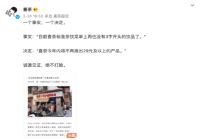
As specialty coffee culture has spread, "coffee" has become less down-to-earth. The beans have to be specialty, the place where you drink it has to be cozy and comfortable, and the surroundings of the coffee shop should be quiet and clean. These three expectations are linked: a coffee shop in a wet market, for instance, equals a poor surrounding environment, which equals a shop that cannot be comfortable and cozy, which equals products that must be poor.

Some people will disagree, I know, but many people today visit a coffee shop not for the coffee itself, but for the environment and the decoration. Even if such a shop offers good products at very affordable prices, being located in a lively market setting is enough for people to assume the coffee won't be good, because the scene doesn't match the consumption style of the modern coffee enthusiast.
Coffee can be high-end, but it can also be affordable and accessible. You can sit by the Seine savoring a delicate cup as afternoon tea, or you can walk the streets of Vietnam and sit down at a roadside stall for a pot when you are thirsty. As long as each cup is made with care, whether the setting is sophisticated hardly matters. Isn't it wonderful to enjoy an affordable coffee in a market atmosphere, comfortable and pressure-free, and afterward to pick up groceries and head home to cook?

- Mu Laoban
Examples of Market Coffee Shops
Take Qicheng Coffee in Guangzhou, whose original shop sits in a wet market in Tianhe District, right next to a meat stall. Because of the market location, business was slow at first. Many older people had the impression that coffee was both expensive and bitter, and for older Guangzhou residents, coffee was hardly as appealing as bansha, a type of Cantonese herbal tea.

Thanks to cheap rent, the coffee prices were naturally low. After several years in business, carrying over 50 types of specialty coffee beans, the cheapest latte costs just 15 yuan and a pour-over just 20 yuan. Selling good things at reasonable prices lets more people try them and understand them, and specialty coffee is no exception.
Another example is Caichang Coffee in Hangzhou, which became part of a farmer's market stall. Why open a coffee shop in a market stall? Again, the reason is low rent, and then the high foot traffic in the market. It also brings together people of different age groups, so the customers are not only coffee-savvy young people.

- Bo Zai'er
Affordable prices give curious but hesitant people a chance to experience coffee, and perhaps this way, more people will be willing to get to know and understand it.
One more example is Honglang Coffee in Shantou. This one isn't in a wet market but in a rice noodle roll shop under a residential building. The shelves are filled with coffee beans and coffee certificates. There is no espresso here, only several drip coffee makers brewing coffee, and the quality is genuinely good. Except for Geisha varieties, all single-origin coffees are priced at just 12 yuan.

The shop also offers coffee and rice noodle roll combos. Eating Chaoshan-style rice noodle rolls while drinking specialty coffee, two seemingly unrelated products, creates no discord at all. Bringing coffee into people's everyday breakfast shops may be the best way to help people feel that coffee can be part of daily life.
The True Meaning of Specialty Coffee
Of course, there are many more such lively, down-to-earth coffee shops worth exploring. Some might think these are just business gimmicks, but I think they are truly wonderful. They haven't been molded by the word "specialty." Coffee is ordinary and everyday, something everyone can drink. "Specialty" defines the quality of the beans, the quality of the coffee products, and the professional expertise of the brewer, not who is "worthy enough" to drink this cup.

Conclusion
Finally, as the old saying goes: coffee culture needs healthy dissemination. Don't turn drinking coffee into an exclusive club that "selects people," which is unnecessary and completely uncalled for. What coffee enthusiasts should do is properly share correct coffee culture and knowledge with the next person who wants to understand coffee, rather than spending energy criticizing those who make coffee accessible and affordable and then going around dismissing people with "you don't even know how to do it properly, what coffee are you drinking?"
Some image sources: Internet, social media platforms
FrontStreet Coffee Recommendation
Affordable, well-made coffee starts with a bean that doesn't punish your wallet. FrontStreet Brazil Cerrado Red Bourbon is an entry-level single origin from a well-known Brazilian region, with cream, peanut, and cocoa notes and a gentle, balanced body, and FrontStreet Queen's Estate offers the rare Yellow Bourbon variety with a sugarcane-like sweetness and a thick, smooth texture that works both on its own and with milk.
If you want to explore other origins without spending much, FrontStreet Yunnan Small-Lot, washed and grown in Baoshan, brings traditional nut and chocolate flavors with a soft, balanced cup, and FrontStreet Washed Gudingding Cooperative delivers the classic Yirgacheffe profile of jasmine, lemon, and berry. All of them are proof that good coffee does not have to be precious or pricey.
Important Notice :
FrontStreet Coffee is a long-established specialty coffee roaster in Guangzhou China, selling freshly roasted beans from its own farm in Yunnan as well as dozens of carefully selected single-origin beans from around the world for both pour-over and espresso. The products deliver consistently excellent quality and great value, with shipping within 24 hours. Guangzhou's FrontStreet Coffee shop is recommended by many coffee lovers, and the beans are now available online at the Tmall 。
FrontStreet Coffee has moved to a new address:
FrontStreet Coffee Address: 315,Donghua East Road,GuangZhou
Tel:020 38364473
 Scan and follow the En Gafei WeChat official account. Please indicate that the reprint comes from "En Gafei".