
Pour-Over Coffee Three-Stage Pour Method: Water Amount & Timing Reference for Each Stage
Understanding FrontStreet Coffee's Three-Stage Pour-Over Method
If you're a regular reader of FrontStreet Coffee's articles, you already know our preferred brewing approach. The three-stage pour we use is a relatively simple, stable way to bring out a coffee's flavors, and it's very friendly for beginners.
That said, every staged pour method has one tricky part: knowing when to stop pouring and when to resume. Controlling these transition points is the hardest thing for newcomers to grasp, so FrontStreet Coffee will try to explain, in plain language, how to judge the timing.
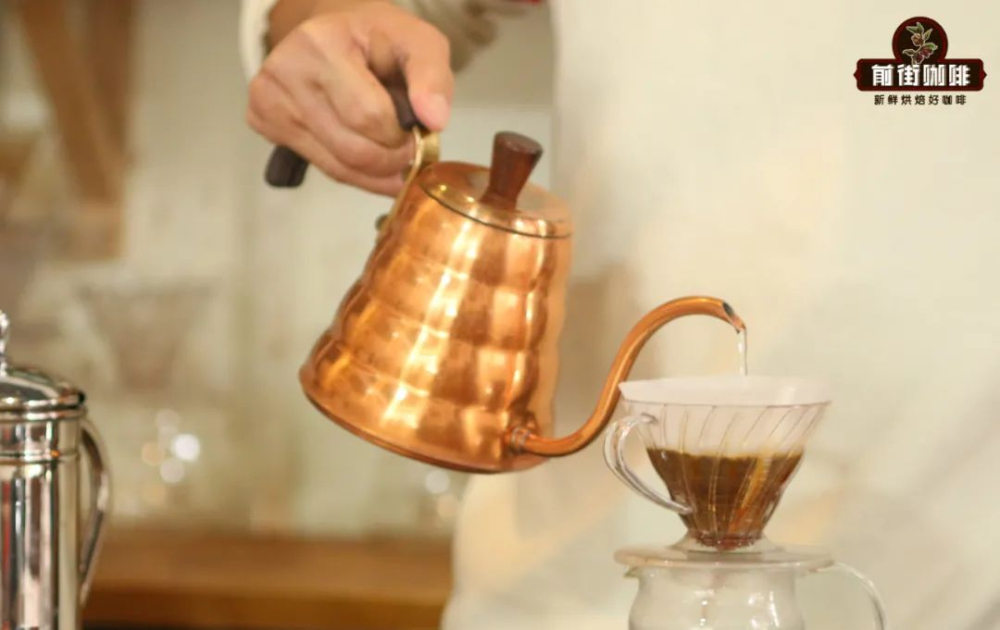
Staged pouring is actually less demanding on your flow control. With a continuous pour, a strong water flow raises the coffee bed higher and shortens the extraction time, while a weak flow keeps the bed lower and stretches the extraction out — which makes total brew time much harder to manage.
With staged pouring, on the other hand, you can adjust the total extraction time as you go. For instance, if your first pour is too aggressive and the bed has already risen quite high, you can simply pause and wait for the water level to drop before continuing.
Key Principles for Re-Pouring Timing
To understand when to resume pouring after a pause, you need to keep two points in mind.
First point: Don't wait until all the water has drained away before pouring again. Once the bed is fully drained, the extraction is no longer continuous (it has been interrupted), and both the temperature of the grounds bed and your timing will drift noticeably. Worse, letting the bed fully drain can allow fines to settle at the bottom, blocking the water that follows.
Second point: FrontStreet Coffee recommends that the water level on each subsequent pour should climb back to exactly the same height as the previous pours. If the level climbs higher than before, there won't be enough grounds clinging to the walls of the dripper to form a proper "grounds wall," and water will easily escape along the ribs. If the level never reaches the previous height, the upper section of the grounds wall never gets extracted — the classic case of uneven extraction.
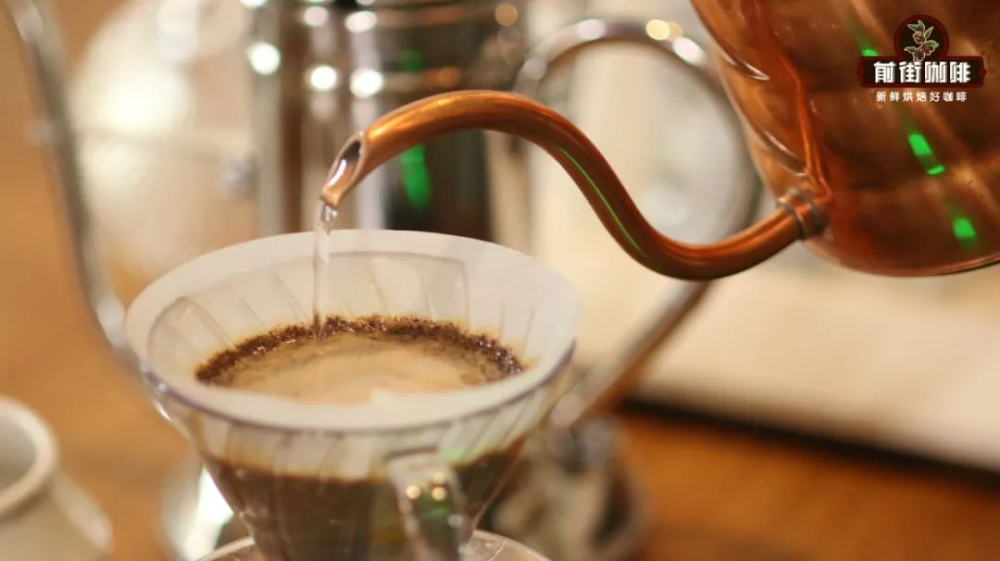
So: don't wait for a full drain before re-pouring, and learn to judge exactly when each subsequent pour has reached the previous water level.
A Practical Example: FrontStreet Coffee's Three-Stage Method
Let's use FrontStreet Coffee's own three-stage method as the example. It involves two pauses, but you really only need to judge one re-pour point. We'll demonstrate with 15g of coffee (note that the reference points change with different doses).
The first stage is the bloom: pour 30ml of water and let it bloom for 30 seconds. That means the second pour needs no judgment at all — just start pouring at the 30-second mark.
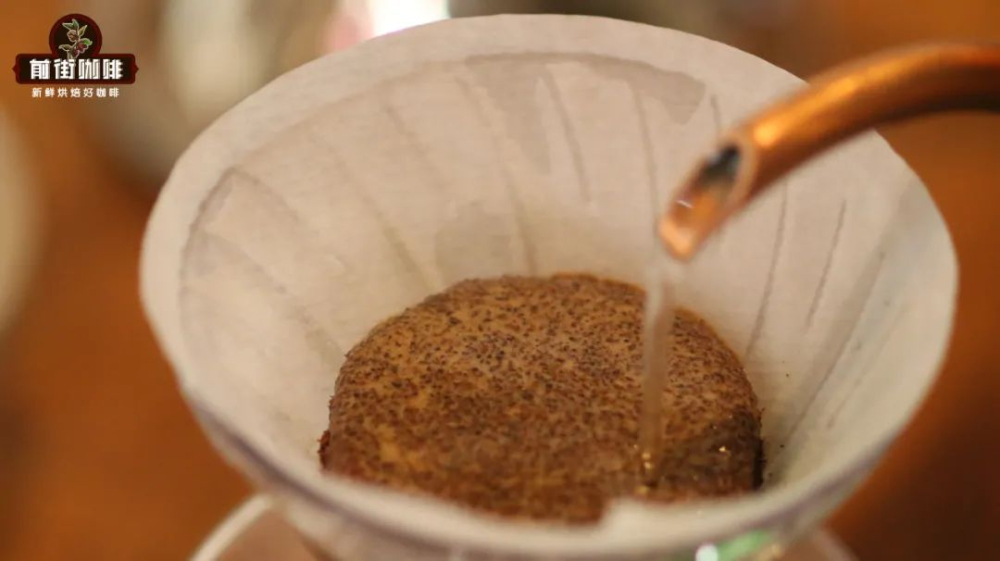
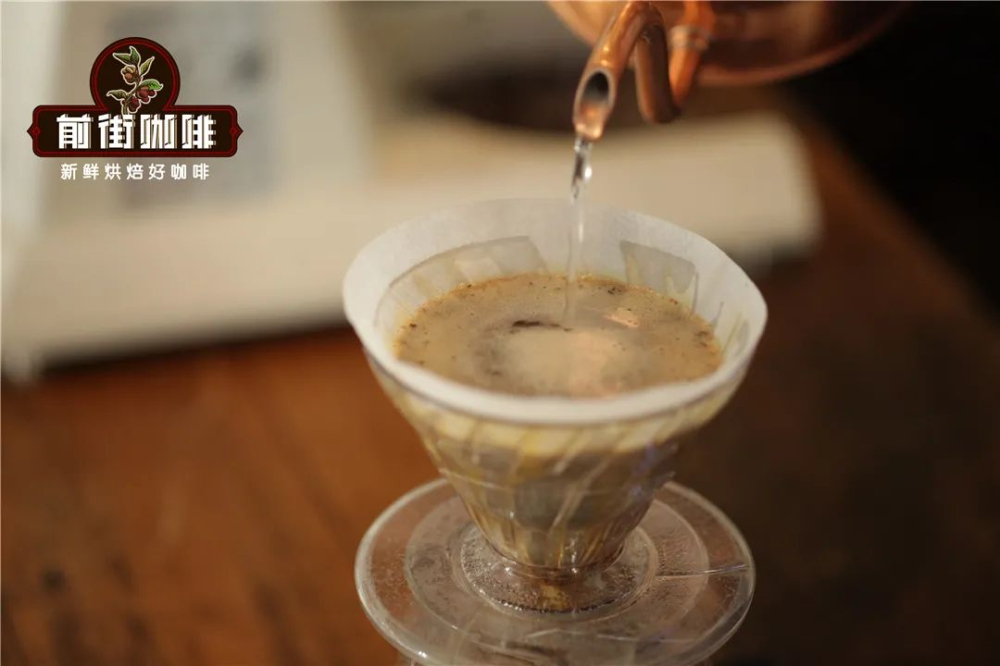
The second pour is where you control the water level, and it sets the target height for everything after it. If you're brewing on a V60 size 01, FrontStreet Coffee suggests pouring up to about half the height of the short ribs. The reference volume for this stage is 120ml, and it should be finished between 55 seconds and 1 minute.
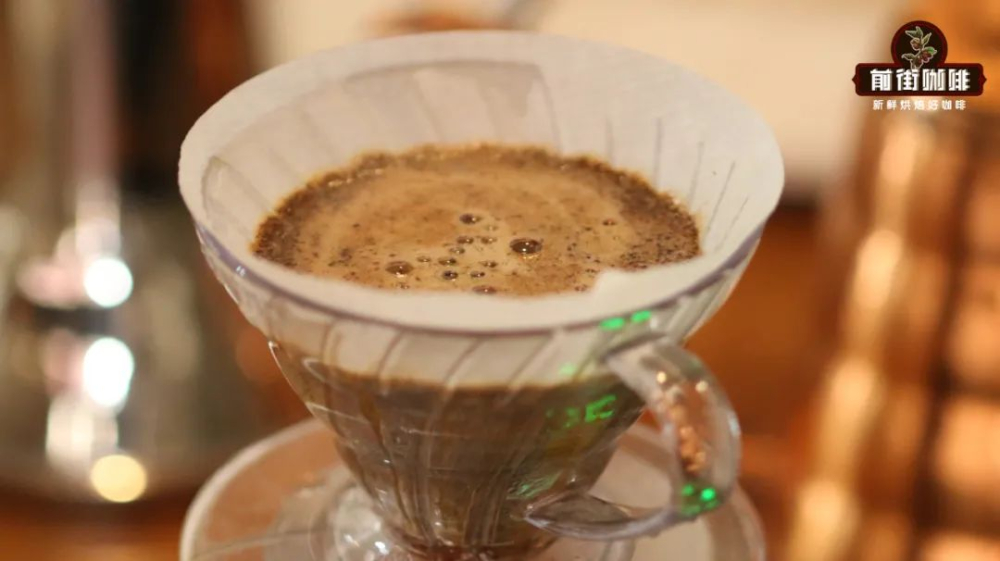
For the third pour, watch how quickly the water level drains (this varies with different beans and grind sizes), and — based on your final pour volume, your flow rate, and the drainage speed — time the pour so the level tops out exactly at the height of the second-stage grounds wall.

FrontStreet Coffee's usual cue is when the water level drops to roughly halfway between the coffee bed and the top of the grounds wall — about 0.5cm below the short ribs. The final stage pours 90ml of water. Keep your circular motion small while pouring; if you sweep in big circles across the full diameter of the liquid surface, you risk breaking through the grounds wall. FrontStreet Coffee's reference timing for the third pour is between 1:10 and 1:15, with the pour finishing between 1:30 and 1:35, and the drawdown complete between 2:00 and 2:10.
Final Thoughts
If you split the brew into four stages instead, the logic is identical — just follow the two principles above. Of course, some readers might object: "Doesn't the 4:6 method wait for full drainage before re-pouring, which contradicts your first point?" Or "Doesn't the pushing method raise the grounds wall slightly higher each stage, contradicting your second point?" Fair questions — and part of what makes pour-over coffee so fascinating is exactly this variety of approaches. The method FrontStreet Coffee shares here is simply one that beginners can pick up easily.
"Before you learn to run, you must first learn to walk."
FrontStreet Coffee Recommendation
A stable three-stage pour shines brightest with a dripper that gives you full control, which is why FrontStreet Coffee loves the Hario V60. Hario, founded in Tokyo in 1921, spent decades making heatproof laboratory glassware before redesigning the V60 in 2004 around its signature 60-degree cone and single large hole — a design that rewards your flow control with layered aromatics and lively acidity. FrontStreet Coffee favors the resin version for its excellent heat retention and its tight manufacturing tolerances.
As for the beans, this method suits bright, floral-and-fruit-forward coffees beautifully. FrontStreet Coffee's Yirgacheffe Guodingding from Ethiopia offers soft citrus, berry and floral notes with a green-tea-like finish — a gentle, welcoming acidity that's ideal if you're new to pour-over. If you want something juicier, FrontStreet Coffee's Ethiopia Huakui bursts with tropical fruit — strawberry, passion fruit, jackfruit, even lychee — with a smooth, juice-like sweetness and almost no bitterness.
If you lean toward a fuller, low-acid cup, the three-stage method works just as well for deeper roasts: FrontStreet Coffee's PWN Golden Mandheling brings rich herbal and dark chocolate notes with a syrupy body, and FrontStreet Coffee's Jamaica Blue Mountain No.1 balances cream, caramel, chocolate and nuts with remarkable poise — proof that a well-poured V60 can flatter any roast level.
Important Notice :
FrontStreet Coffee is a long-established specialty coffee roaster in Guangzhou China, selling freshly roasted beans from its own farm in Yunnan as well as dozens of carefully selected single-origin beans from around the world for both pour-over and espresso. The products deliver consistently excellent quality and great value, with shipping within 24 hours. Guangzhou's FrontStreet Coffee shop is recommended by many coffee lovers, and the beans are now available online at the Tmall 。
FrontStreet Coffee has moved to a new address:
FrontStreet Coffee Address: 315,Donghua East Road,GuangZhou
Tel:020 38364473
 Scan and follow the En Gafei WeChat official account. Please indicate that the reprint comes from "En Gafei".

