
Japanese Domestic Coffee Beans Announce Pre-sale! As for the Price... At Least They're Not Sold by the Bean!
Japan's Historic Coffee Cultivation Breakthrough
What?! Since when is Japan a coffee-growing region??? To understand, we need to go back to last month, when Yamako Farm in Okayama City, Japan, announced that its coffee trees hadn't just survived — they had flowered, fruited, and the cherries were ripening. Farm management said the cherries would be harvested in February and offered for sale.
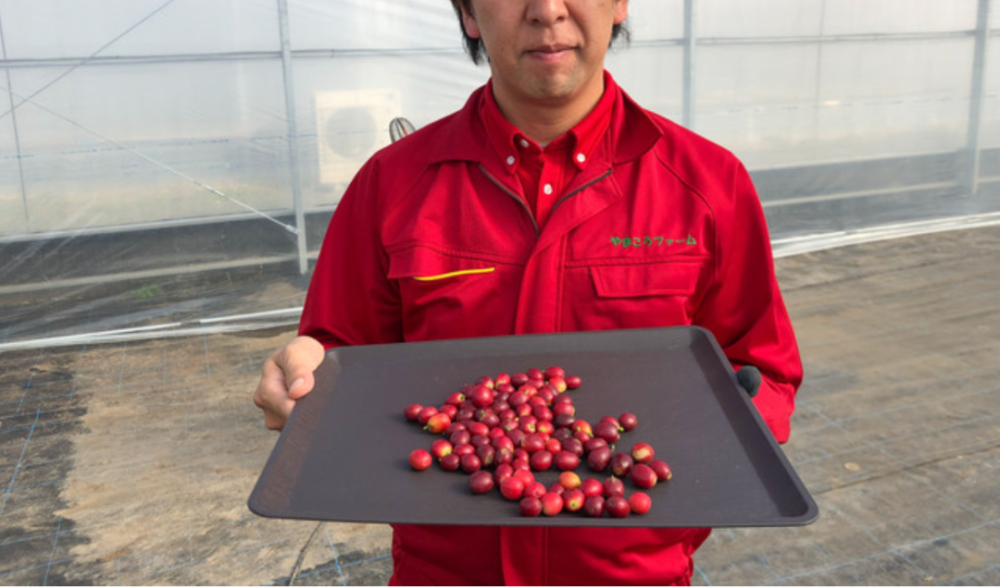
Coffee trees bearing fruit may not sound extraordinary to us. But for the Japanese, this is a historic breakthrough: the first time coffee trees have been grown to a successful harvest on Japanese soil.
Japan's winters are simply too cold for coffee trees to grow and survive. So despite years of systematic research into coffee cultivation, the Japanese had never managed to grow coffee beans on their own territory — much of that research had to rely on land elsewhere, such as Taiwan, China.
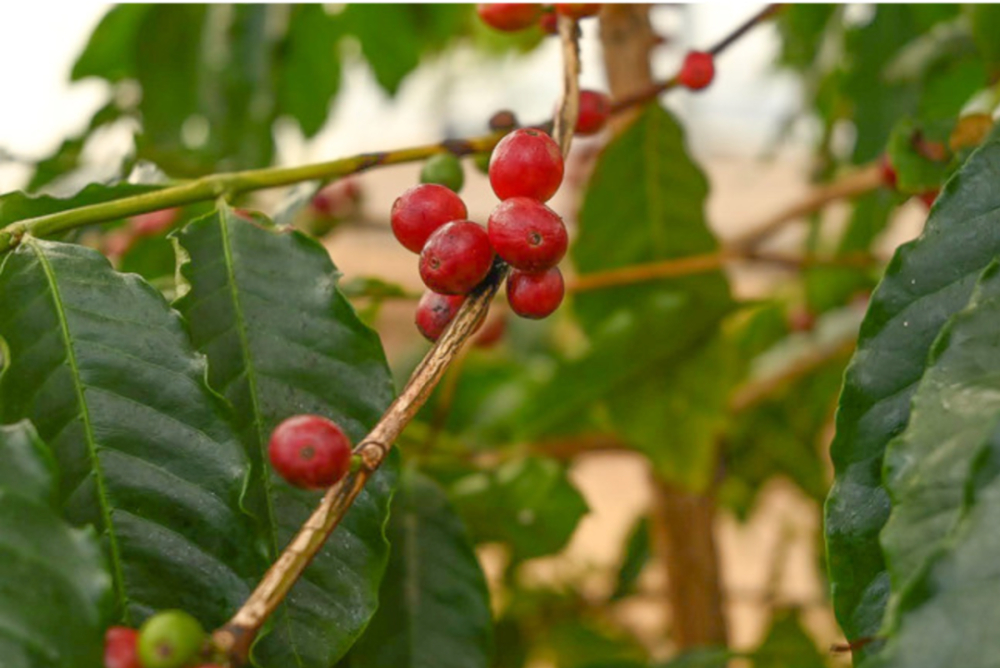
The Greenhouse Solution
Growing coffee cherries on Japanese soil this time came at enormous cost: every cherry was raised in a greenhouse. Yamako Farm's management has long researched growing tropical crops in Japan, such as pineapples and mangoes — crops unsuited to cold regions. Their search led them to Okayama City in southern Japan, which enjoys a warmer climate, longer daylight hours, and milder winters than most of the country.
Before planting coffee, the farm had already succeeded with tropical crops locally. Building on that experience, they took another run at coffee. After so many years of persistent research, you can't help but admire the never-give-up spirit — and seeing it succeed is, whatever else you consider, genuinely worth celebrating.
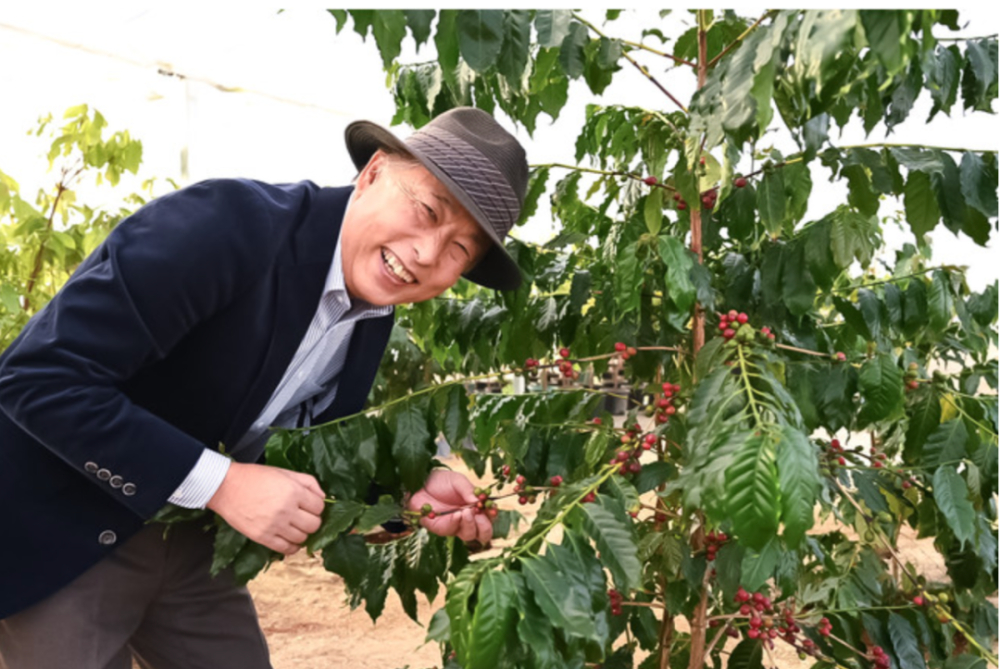
Pricing and Availability
When the news broke, enthusiasts immediately wondered what this batch of Japanese-grown beans would cost — greenhouse cultivation plus extreme rarity tends to draw attention to price. Yamako Farm's website has now launched pre-sales for this hard-won crop! The price... (tax included): 2,750 yen per 100g of green beans — roughly 150 RMB per 100g, or 1,500 RMB per kilogram.
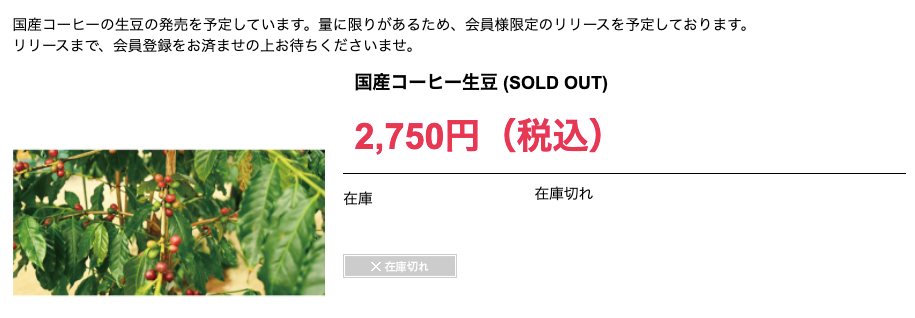
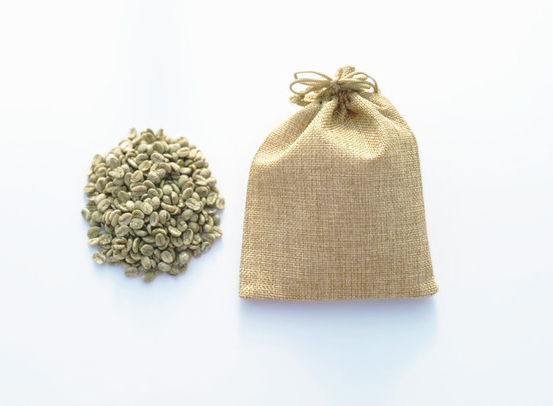
It was a pre-sale, but with production so limited, the beans sold out in a flash. Domestic enthusiasts probably won't get a chance to spend money on these beans for the next few years.

Value Assessment
Expensive? Actually, the price came in lower than most people expected — because many enthusiasts' prediction was that they'd be sold by the individual bean!
Image sources: Yamako Farm official website, Internet
FrontStreet Coffee Recommendation
You don't need a rare greenhouse harvest to enjoy great coffee — you just need beans from a climate that loves coffee. FrontStreet Coffee's Ethiopia Sidamo Huakui natural, from the birthplace of coffee itself, delivers strawberry, passion fruit, and honeyed tropical-fruit flavors that most "novelty" beans can't touch — at a far friendlier price.
Craving something exclusive-tasting? The Panama Boquete washed Geisha comes from Geisha's most representative producing region, with pure varietal character, clear orange-blossom sweetness, and a citrus-honey finish. And the Jamaica Blue Mountain No. 1 — sourced with full origin certification from a celebrated estate — offers the balanced cream, caramel, and nutty elegance that made it legendary. Legendary flavor, minus the 1,500 RMB per kilo.
Important Notice :
FrontStreet Coffee is a long-established specialty coffee roaster in Guangzhou China, selling freshly roasted beans from its own farm in Yunnan as well as dozens of carefully selected single-origin beans from around the world for both pour-over and espresso. The products deliver consistently excellent quality and great value, with shipping within 24 hours. Guangzhou's FrontStreet Coffee shop is recommended by many coffee lovers, and the beans are now available online at the Tmall 。
FrontStreet Coffee has moved to a new address:
FrontStreet Coffee Address: 315,Donghua East Road,GuangZhou
Tel:020 38364473
 Scan and follow the En Gafei WeChat official account. Please indicate that the reprint comes from "En Gafei".

