
Mandheling Coffee Beans Rich Flavor Brewing Parameters and Methods How to Brew Dark Roast Coffee Without Bitterness
Understanding Coffee Body: What Makes Coffee Feel Rich and Smooth
Coffee beans carry regional flavor characteristics, which is one reason "single-origin coffee" is so highly valued today. Indonesian beans in particular are renowned for their rich, thick, and bitter profiles - Mandheling and Kopi Luwak being the obvious examples.
Rich, full-bodied coffee isn't limited to Indonesian beans like Mandheling, though; plenty of other varieties can deliver it. What matters is understanding what coffee body actually is and which factors affect it. Answering those questions sharpens your ability to evaluate bean flavors.
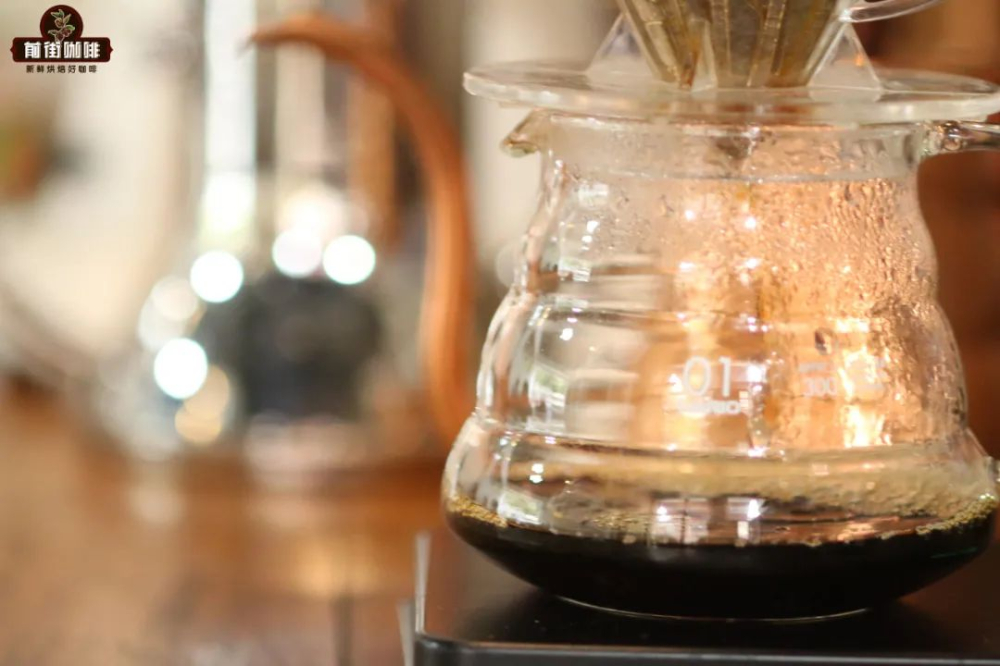
When we talk about coffee body, we mean the "body" you experience while drinking - put simply, the mouthfeel. Good coffee mouthfeel is typically high in body and substantial in texture; poor mouthfeel shows up as astringency or a watery sensation. From variety and growing environment to processing, roasting, and brewing, all of these factors can influence body.
Some varieties naturally have higher body. Robusta is one: despite less desirable flavor characteristics, it offers good mouthfeel, and hybrids of Robusta and Arabica inherit that body from Robusta as well.
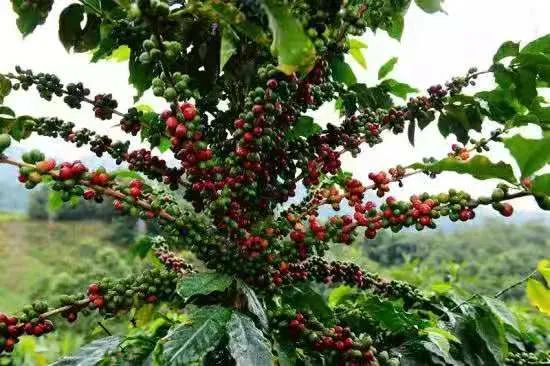
Factors Affecting Coffee Body
The higher the altitude where coffee is grown, the higher the density and quality of the beans. In Arabica cultivation it's generally understood that beans grown above 1,200 meters develop better flavor quality, which is why single-origin coffees are often labeled with a growing altitude of 1,200 meters or higher.
In processing, the more substances involved in fermentation, the more pronounced the body will be. Naturally processed beans, fermented as whole cherries, typically show a fuller, smoother mouthfeel overall. Honey processing retains the mucilage for fermentation and yields a thicker body - the more mucilage retained, the richer the mouthfeel. Washed processing, in which only the beans ferment, usually produces a cleaner, clearer mouthfeel.
The Impact of Roasting on Coffee Body
While those three factors do affect mouthfeel, they aren't the most significant or direct influences. For the same bean, the obvious factor is roasting. Generally, the longer the development period after first crack, the more prolonged the caramelization reaction, and the fuller-bodied the coffee.
Compare a light-roasted Kenya AA with Mandheling, and Mandheling will undoubtedly have better body. Roast that Kenya darker, though, and its body increases significantly, becoming comparable to Mandheling's.
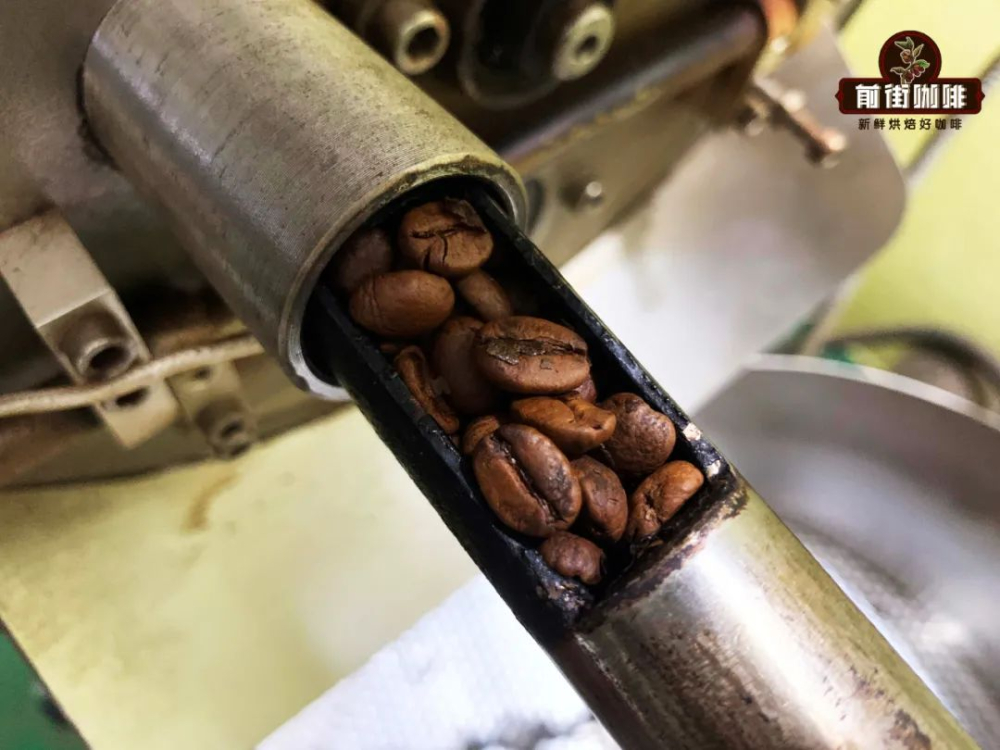
That doesn't mean simply roasting darker always yields high body. Over-roasting easily produces a consistent burnt bitterness throughout, which is completely counterproductive.
At this point we can identify which coffees tend to be fuller-bodied. First, dark-roasted beans will have more body than light-roasted ones. Second, at similar roast levels, naturally processed coffees will have more body than washed ones.
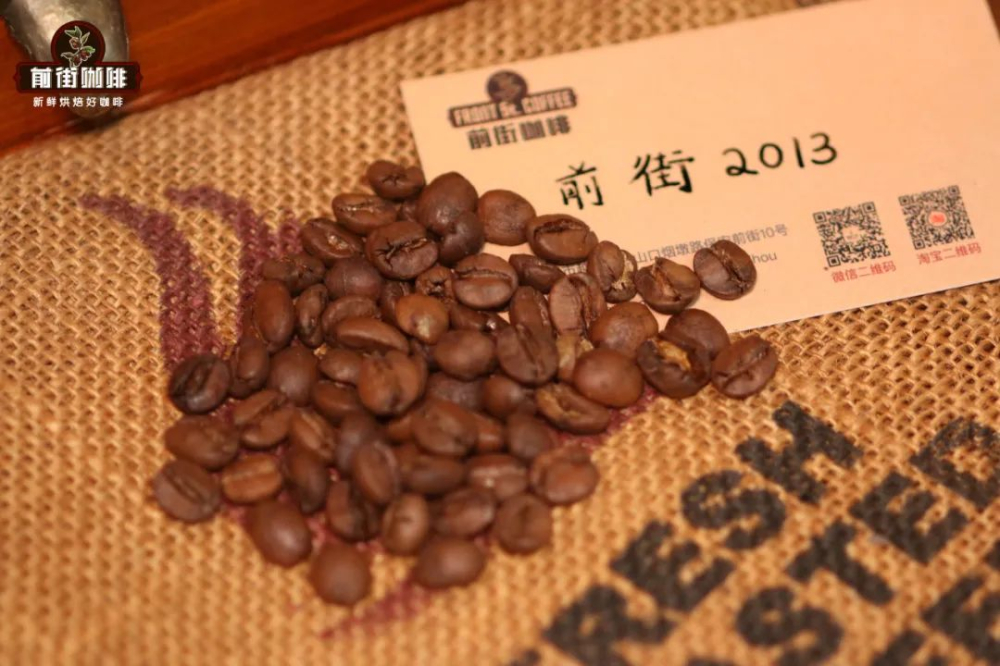
For reference, among FrontStreet Coffee's selections, medium-dark roasted coffees with rich body include Mandheling coffee, Blue Mountain No. 1, Brazil Queen Estate Yellow Bourbon, and FrontStreet Coffee 2013 (Yunnan coffee); medium-light roasted coffees with rich body include Natural Red Cherry, Kenya AA, Sherry coffee, and Natural Geisha.
Brewing Methods for Fuller Body
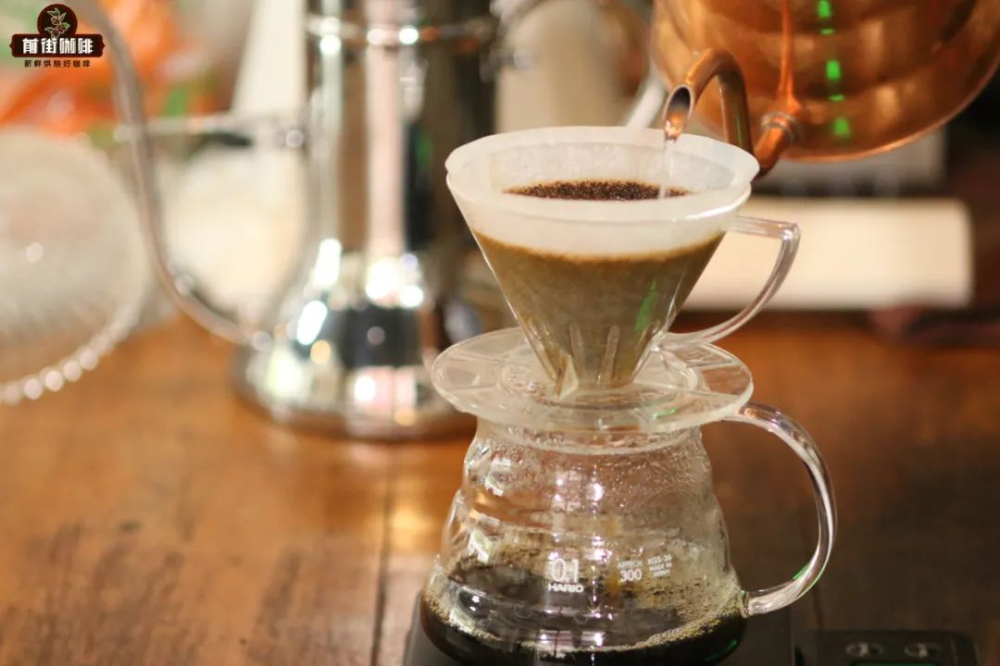
Once you've chosen suitable beans, the final step - brewing - matters just as much. We know that part of coffee's rich mouthfeel comes from oils, so dissolving more oil into the cup yields a better mouthfeel. Flannel as a filter medium will express body better than a paper filter.
Brewing method also shapes the final result. Japan, for instance, has developed many techniques for brewing full-bodied coffee, such as the Kawano method and the Matsuya method.
FrontStreet Coffee Recommendation
If you want body and low acidity in one cup, Mandheling is the classic answer. FrontStreet Lintong Mandheling and FrontStreet PWN Golden Mandheling both come from Sumatra - the former from the Lintong region, the latter from Aceh - and both are roasted medium-dark to present dark chocolate and caramel while preserving Mandheling's wild herbal character, a fragrance that grows out of the island's environment and processing. Sumatra's overlapping rainy season and harvest made sun-drying impractical and washing too costly, so growers developed the region's signature wet-hulled method: the parchment is machine-scraped away while the beans are still half-dry, exposing them to the air and speeding drying, which also lets them absorb airborne microbes and develop that one-of-a-kind wild flavor.
For the highest grade, FrontStreet PWN Golden Mandheling is the standout. PWN selects beans of 18 screen size and above, requires fewer than three defective beans per 300g green sample to meet the top G1 standard, and then hand-sorts three times, pushing cleanliness and sweetness even further. Brewed as pour-over, it shows its best: 87-88°C water, 15g of coffee, a 1:15 ratio, a grind like coarse sugar, and a three-pour method - starting with a 30ml bloom to wet all the grounds and release gas, then 100ml to lift the bed and draw out the golden foam, and finally a gentle 95ml centered pour to raise sweetness, yielding a thick body with caramel sweetness and chocolate and nut notes.
Important Notice :
FrontStreet Coffee is a long-established specialty coffee roaster in Guangzhou China, selling freshly roasted beans from its own farm in Yunnan as well as dozens of carefully selected single-origin beans from around the world for both pour-over and espresso. The products deliver consistently excellent quality and great value, with shipping within 24 hours. Guangzhou's FrontStreet Coffee shop is recommended by many coffee lovers, and the beans are now available online at the Tmall 。
FrontStreet Coffee has moved to a new address:
FrontStreet Coffee Address: 315,Donghua East Road,GuangZhou
Tel:020 38364473
 Scan and follow the En Gafei WeChat official account. Please indicate that the reprint comes from "En Gafei".

