
Can Light Roast Coffee Beans Be Used for Espresso? Which Is Better: Pour-Over or Espresso?
It is widely accepted that beans destined for espresso are roasted on the darker side. Among the roast levels, one is called "Italian Roast," with an Agtron value of 25. That is the darkest of the eight roast levels, and it usually leaves the beans with a shiny, oily surface.
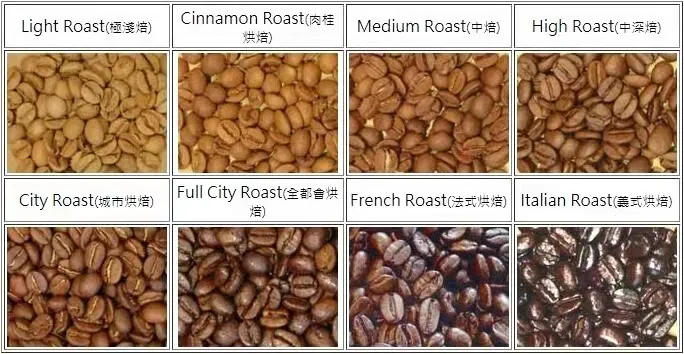
Modern espresso beans, though, are generally no longer roasted that dark. Take FrontStreet Coffee's espresso series: most of them sit at an Agtron value of 55, which corresponds to "City Roast" on the eight-level scale. So today FrontStreet Coffee is going to experiment with what happens when lightly roasted beans are pulled as espresso. By "light roast" we mean the "Light Roast" and "Cinnamon Roast" levels on that scale, with Agtron values between 85 and 95.
Why didn't FrontStreet Coffee run this "interesting experiment" sooner? Because the shop previously relied on an older espresso machine - a real veteran - with limited features, and it simply did not handle light roast coffee well. Now, with a new machine that offers much more manual control, FrontStreet Coffee can happily run these tests.
Three beans went into the experiment: Guanka (natural process), Guodingding (washed process), and Dorothy (enzyme washed process). Why are they all Ethiopian? Well, FrontStreet Coffee needs to gather some data first before there is any excuse to start playing with the Red Label beans.

Testing Guanka (Natural Process)
Guanka came first. If you want to pull espresso from light roast beans, remember to set the grind finer. Otherwise you may witness the following:
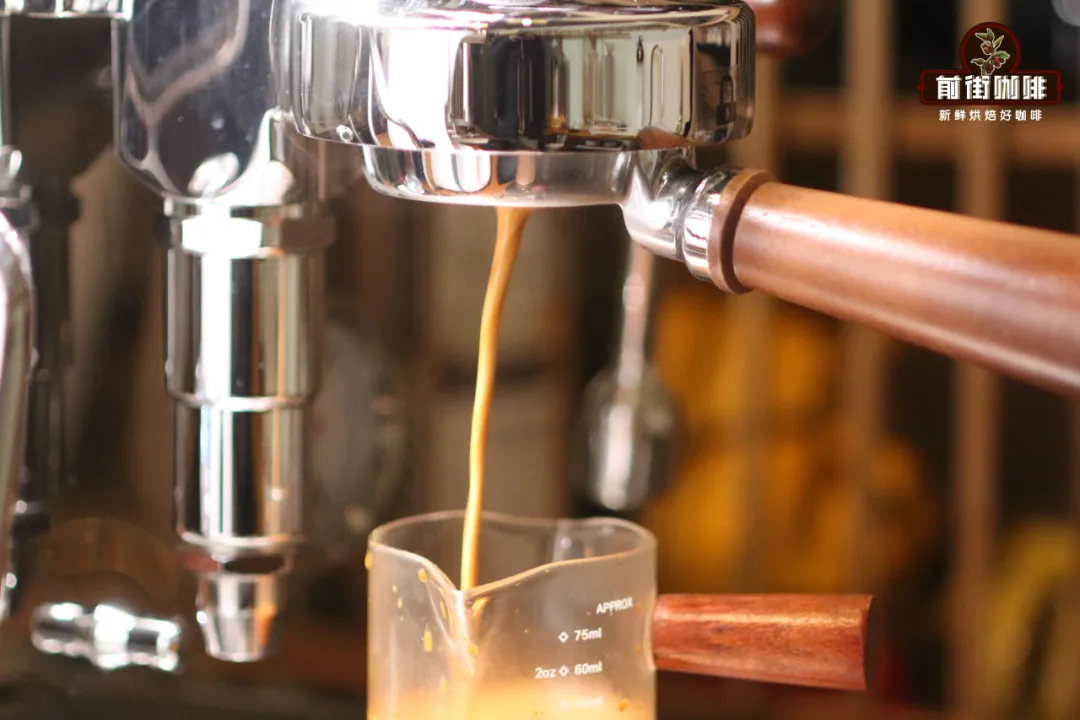
Extraction time at 7 seconds: an extremely fast flow rate.
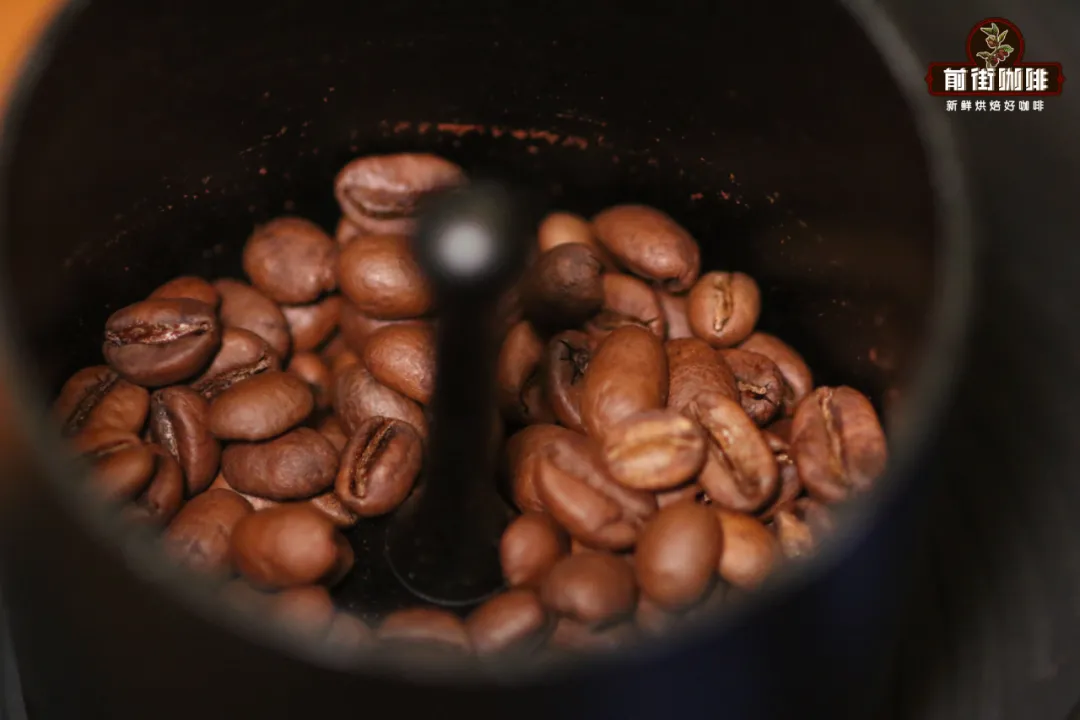
After three rounds of parameter adjustments, the light roast Guanka settled at 20g of grounds, an 8-second pre-infusion, and 35g of liquid extracted at a constant 6 bar, for a final time of 30 seconds. The espresso gave off a sweet berry aroma, and tasting it was like drinking concentrated fruit juice, with a jam-like texture and a stimulating edge.
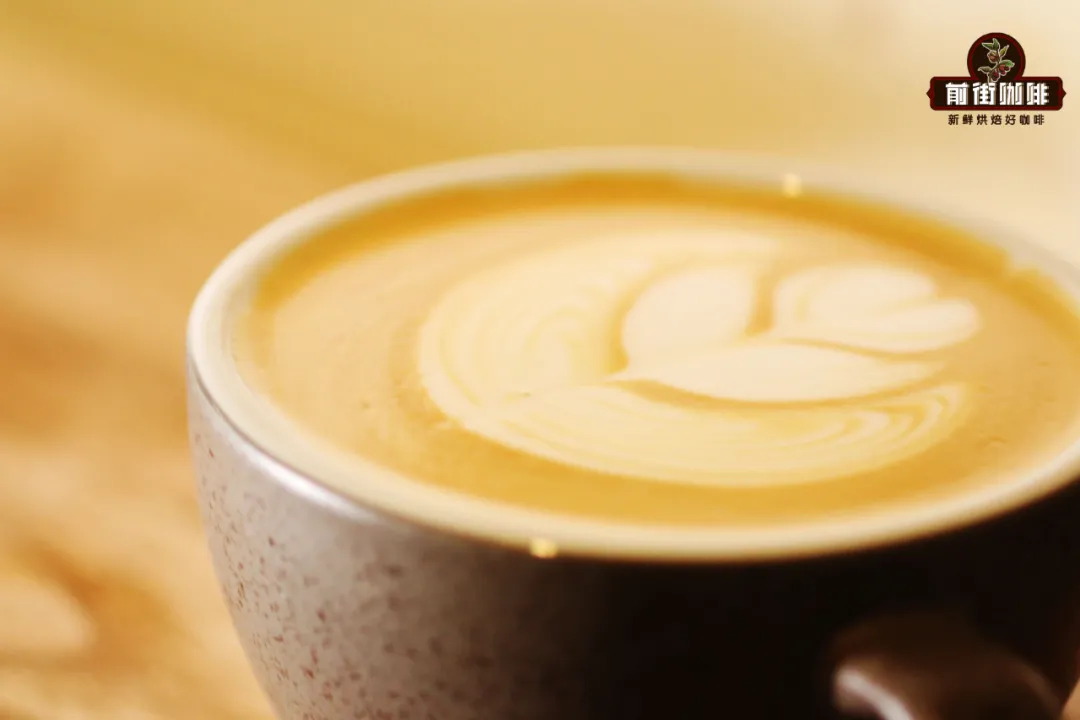
FrontStreet Coffee made both a hot Americano and a hot latte with Guanka. The Americano carried an enticing sweet berry aroma, tasting like raspberry juice without a hint of bitterness, and finishing with something like passion fruit honey.
As a hot latte, though, it was rather mediocre - the coffee was largely buried under the milk, which pushed the sweet, milky taste (think baby formula) to the foreground.
Testing Guodingding (Washed Yirgacheffe)
Next came the washed Yirgacheffe Guodingding. Drawing on the Guanka experience, FrontStreet Coffee adjusted to 20g of grounds, a 6-second pre-infusion, and 32g of liquid at a constant 5 bar, for a final time of 26 seconds. Again, both a hot Americano and a hot latte were made for comparison.
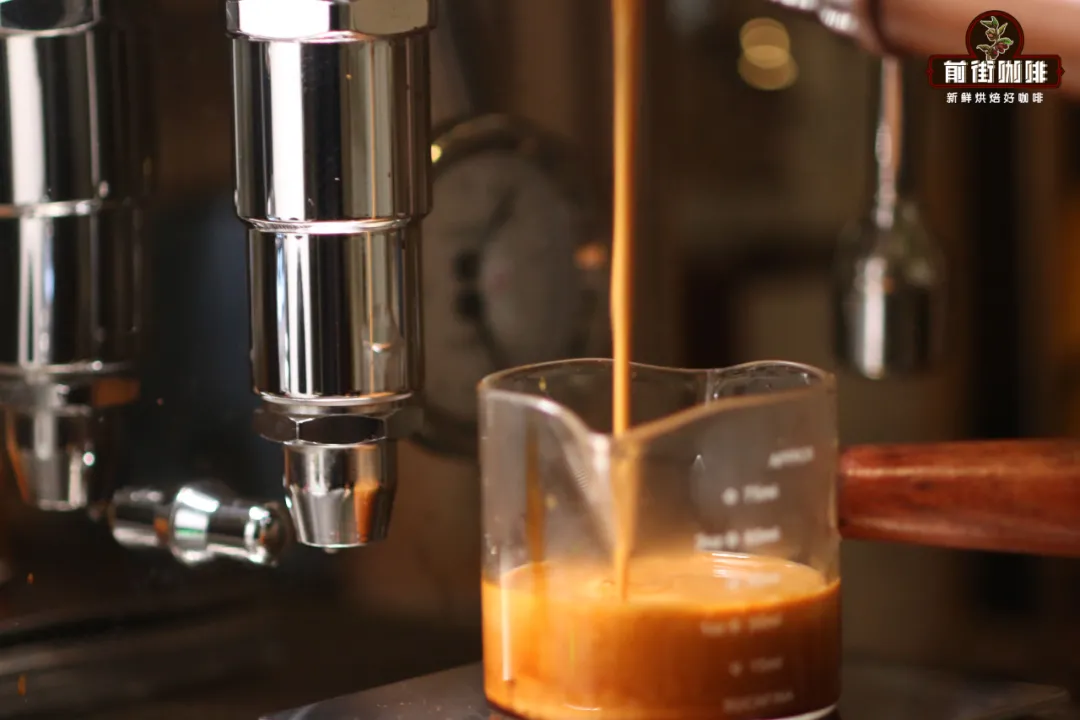
The crema on the washed Guodingding espresso disappeared quickly - before the hot water was even added, only a thin layer remained. The hot Americano performed well, with rich citrus flavors and a smooth, full-bodied texture, finishing on white floral notes. The only drawback was a slightly short aftertaste.
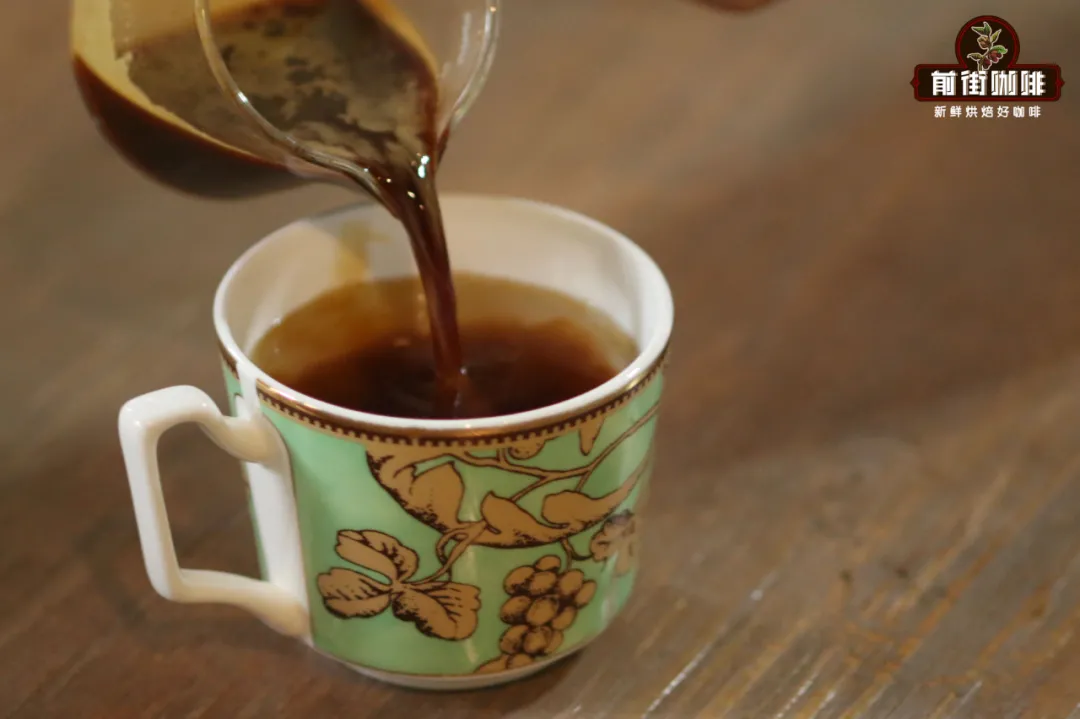
The latte, by contrast, fell short. The whole cup tasted weak, and unlike Guanka it did not lift the sweetness of the milk. It felt as though the coffee and the milk were pushing each other away.
Testing Dorothy (Enzyme Washed)
Dorothy came last. Because it shows "white peach oolong" flavors when brewed as pour-over, FrontStreet Coffee also calls it "White Peach Oolong." For this one the parameters were 20g of grounds, a 10-second pre-infusion, and 35g of liquid at a constant 6 bar, for a final time of 29-30 seconds. The resulting espresso gave off a rich honey peach aroma.
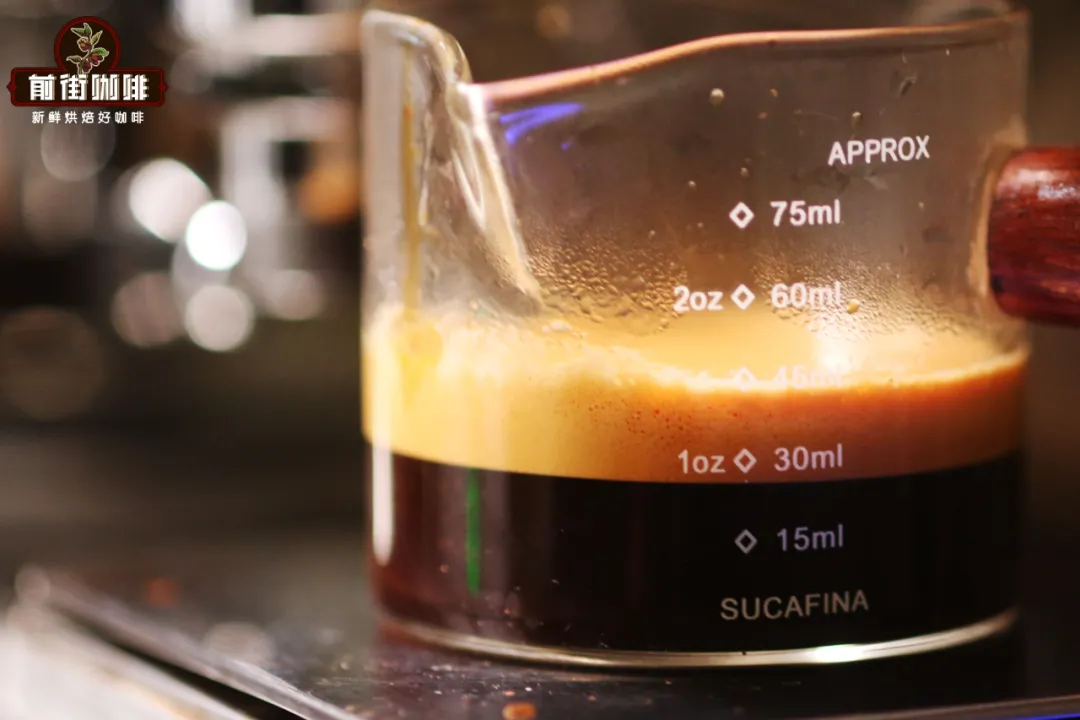
Once more, a hot Americano and a hot latte were made for comparison. Having learned from the Guodingding experience, FrontStreet Coffee this time pulled the espresso directly over hot water. Among the three beans, the Dorothy Americano was the best tasting by FrontStreet Coffee's reckoning: rich honey peach flavor, a creamy texture, and an oolong tea aftertaste. It is by no means inferior to pour-over coffee.
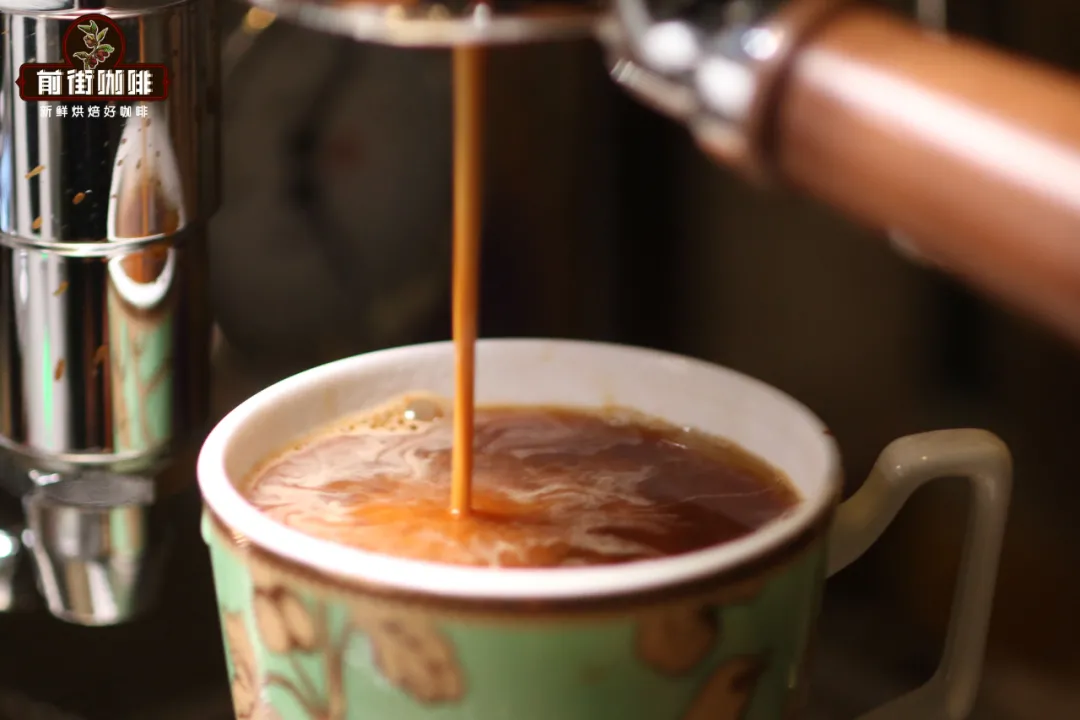
As a hot latte, it delivered an unexpected experience - the entire cup tasted like drinking light cheese, which was both surprising and interesting.
Conclusion
Judging by the performance of these three light roast beans, all of them did well as Americanos, expressing the original flavors of the coffee clearly. When combined with milk as lattes, however, light roast coffee tends to be relatively mild and is easily overpowered by the assertiveness of the milk.
For anyone who wants to use light roast beans for espresso, the approach is certainly workable. That said, pulling a genuinely delicious shot this way demands a solid base of theory and plenty of hands-on experience.
FrontStreet Coffee Recommendation
Ethiopian washed coffees are the classic starting point for anyone experimenting with light roast espresso, and FrontStreet Washed Yirgacheffe is the entry-level pick. It delivers the jasmine florals and bright citrus acidity that define the region: Yirgacheffe is a small town in southern Ethiopia with a spring-like climate all year, where mist and cool, humid air have long nourished thousands of coffee trees and the region's signature weave of floral aroma and fruit acidity. The cup is light, elegant, and tea-like, more like a clean, refreshing lemon tea than anything you would call a bitter coffee.
If you want to see how a natural process behaves in the same terroir, FrontStreet Natural Red Cherry is a good contrast. Cherries are sorted to remove damaged or moldy fruit, then dried under the sun for two weeks until the sugars and essence of the pulp sink into the bean; once the moisture drops to 12%, the hardened pulp, mucilage, and parchment are scraped away, and the beans are screened for density and color before workers hand-sort any remaining defects. The result is a clean, distinctive cup with a deep, alluring fruit sweetness, described as peach, cocoa, honey, and lemon.
Important Notice :
FrontStreet Coffee is a long-established specialty coffee roaster in Guangzhou China, selling freshly roasted beans from its own farm in Yunnan as well as dozens of carefully selected single-origin beans from around the world for both pour-over and espresso. The products deliver consistently excellent quality and great value, with shipping within 24 hours. Guangzhou's FrontStreet Coffee shop is recommended by many coffee lovers, and the beans are now available online at the Tmall 。
FrontStreet Coffee has moved to a new address:
FrontStreet Coffee Address: 315,Donghua East Road,GuangZhou
Tel:020 38364473
 Scan and follow the En Gafei WeChat official account. Please indicate that the reprint comes from "En Gafei".

