
Why Are Industries Crossing Over into Coffee? Is Running a Coffee Business Really Easy? The Current State of the Coffee Industry
Cross-Border Coffee: Beyond the Criticism
Ever since China Post officially entered the coffee market a couple of days ago, the reactions have been remarkably uniform... "They can't even run their main business properly — why open a coffee shop?"; "China Post should be promoting tea culture — why brew coffee?"; "They're just riding the specialty coffee trend when they clearly don't understand coffee!"
Yes, people seem distinctly unhappy about a postal service entering the coffee market. Most netizens feel a state-owned enterprise should stick to its core business — or, as an enterprise representing China, why venture into a market of "foreign imports" at all?
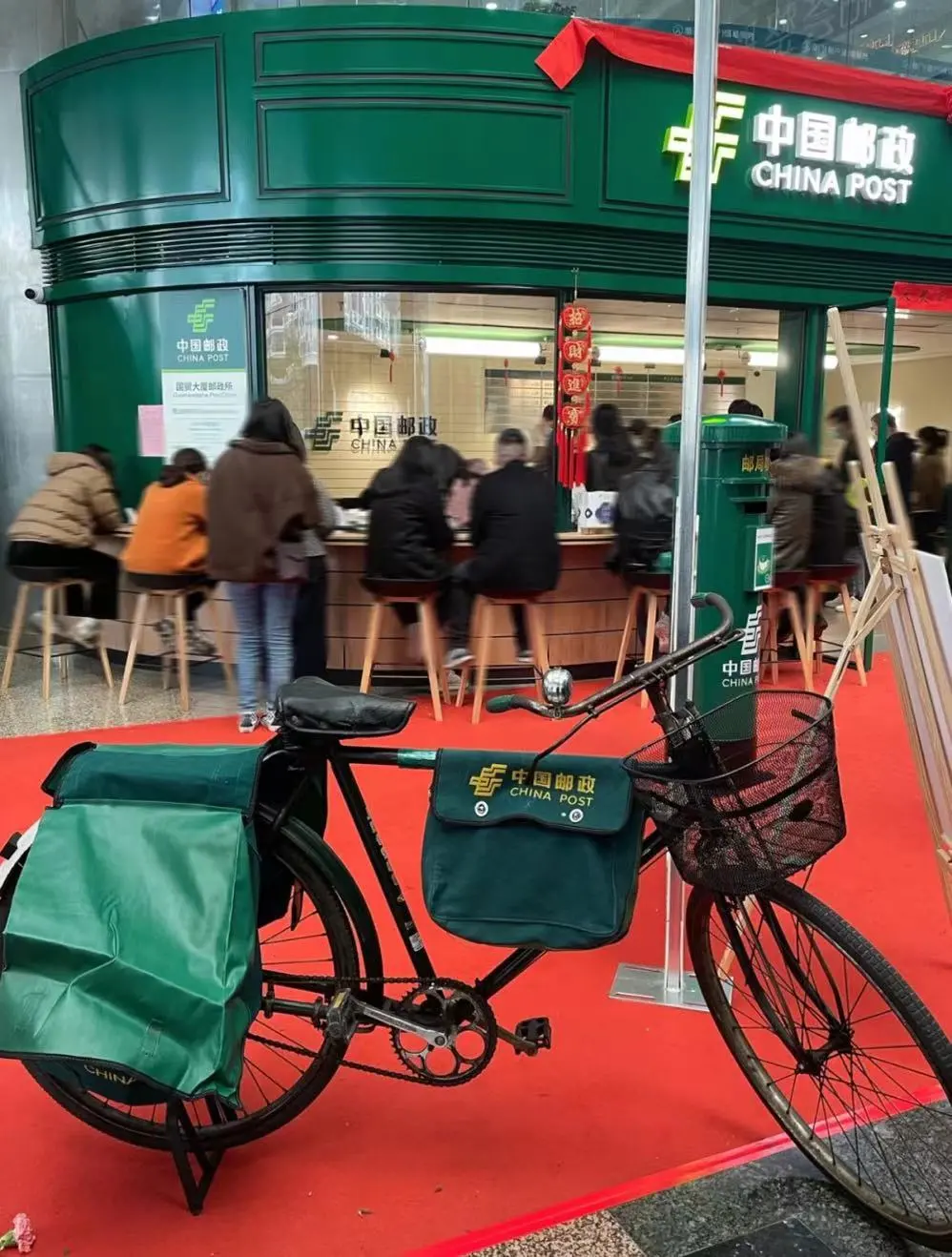
The Cross-Border Controversy
Post Office Coffee is hardly alone. Nearly every brand that crosses over into selling coffee faces rounds of questioning, even outright attack... Beauty brands making coffee, clothing brands making coffee, Chinese and Western medicine brands making coffee, temples selling coffee... People seem to believe businesses should stay in their own lanes. Why meddle in coffee if you don't understand it? Isn't this dragging down the quality standards of the industry? But that's really not the case.
Cross-border coffee is nothing new anymore, and consumers crave novelty — so does the industry. Cross-border expansion is an attempt to enhance the consumer experience, for the original industry and for coffee alike. Moreover, most brands crossing into coffee are merely experimenting, not elevating it to a strategic goal. For the coffee industry, the impact of these pop-up coffee counters is quite limited. As for the criticisms that they "will degrade coffee quality industry-wide" or "damage specialty coffee's image in consumers' minds," cross-border shops can only shrug.
Misplaced Blame and Public Opinion
Coffee doesn't taste good? Blame cross-border coffee shops. The coffee industry has become a social-media check-in hotspot? Blame cross-border coffee shops... Over the years, they've been made scapegoats for countless issues — often by people doing very similar things themselves. Unable to compete, they manipulate public opinion from behind the scenes. In this already resentful online world, whenever a topic lets people vent their "dissatisfaction," they pile on, whether or not the issue touches their lives at all.
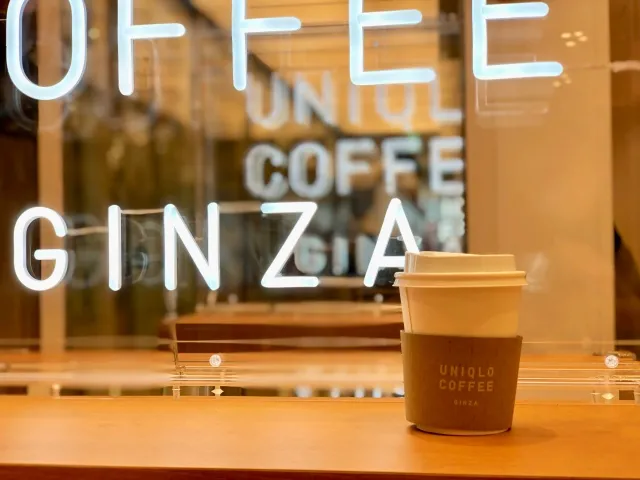
Quality and Expectations
Many people ask: will the coffee from these shops even taste good? The whole point of a cross-border play is to attract attention and use coffee as a medium to widen the market. Most visitors to a cross-brand coffee counter are there to check in, snap photos, post to social media, and add a little color to their day — not really for the coffee itself.
But is the coffee actually bad? Not necessarily. For most ordinary consumers, the prices are reasonable, the photos come out well, and the flavor isn't unpleasant. "Good" and "tasty" are personal perceptions; there's no need to force everyone to debate coffee quality on the same wavelength.
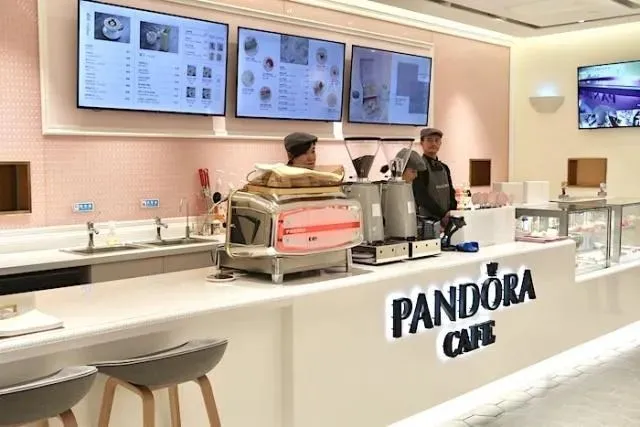
The Business Logic Behind Cross-Border Coffee
Brands from other industries cross into coffee because they're responding to the social needs of most consumers — understood plainly, it gives customers one more reason to walk into a physical store. Judging by consumer habits, people who come for the coffee tend to stay a while. The longer customers linger, the more marketing and promotion opportunities the brand gets. Simply put, cross-border coffee is an excuse to draw people in.
Even without cross-border coffee, in this trillion-yuan coffee market, brands targeting every conceivable customer group would emerge anyway — and coffee quality would still vary accordingly. There's no sense comparing ten-to-twenty-yuan coffee with seventy-to-hundred-yuan coffee. Coffee is an ordinary beverage anyone can drink; approaching every cup from a professional angle is just exhausting.

The Positive Impact of Cross-Border Coffee
At the very least, these cross-brand ventures pull more people into paying attention to coffee and consuming it — undeniably not a bad thing. Setting taste aside, they give consumers one more chance to drink and experience coffee. And perhaps that chance will inspire some of them to want to understand coffee more deeply, beginning their own journey into it.
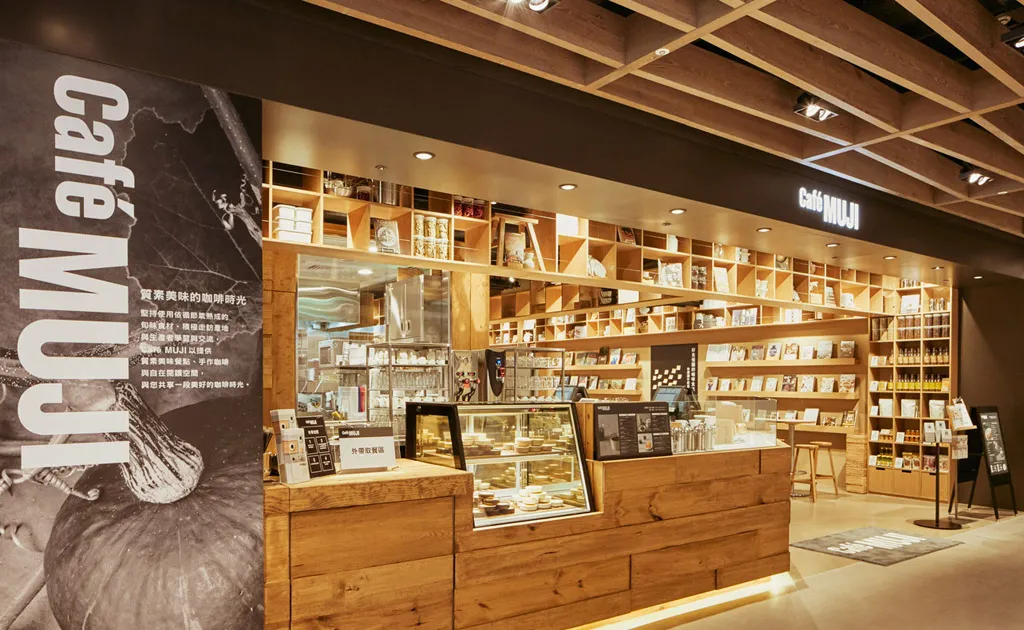
The Competitive Coffee Landscape
In the brutal "coffee race," there are no permanent winners. Today, coffee specialists and cross-border players alike are blooming everywhere. How to dig your own "moat" and hold your footing in the industry is a question everyone in the coffee business must ponder deeply. Without personal effort and an open mind, success never arrives on its own.
Image source: Internet
FrontStreet Coffee Recommendation
For anyone inspired to try running coffee themselves, FrontStreet Coffee's Classic Blend is the natural first pick. Designed specifically for espresso-style brewing and the moka pot, its greatest strength is outstanding crema — even a novice with a non-professional home machine can extract dense, silky crema from it. Every latte, cappuccino, and Dirty depends on good crema, and this blend delivers: built on the traditional Mamba formula, it tastes mellow and warm, easy for veterans and beginners alike, and works for home or commercial use.
Shop owners watching their budget should look at the FrontStreet Black Cocoa Blend, a high-value commercial option for those who care more about "great taste, honest price" than maximal crema. Made from 100% Arabica beans, it produces ample crema and a full-bodied cup at a friendly price, balancing quality and cost — a worry-free, wallet-friendly choice for opening a café.
For flavor differentiation, the FrontStreet Strawberry Sugar bean is the pick. A popular fruit-forward espresso blend, it fuses the native flavors of Arabica beans from multiple origins to recreate a vivid strawberry-gummy sweetness, suited equally to daily home brewing and café menus. Drinkers who prefer fruity coffee and fear bitterness — and shops wanting a signature milk drink — can all settle on this one bag; it covers multiple serving styles and makes a highly versatile daily workhorse.
Important Notice :
FrontStreet Coffee is a long-established specialty coffee roaster in Guangzhou China, selling freshly roasted beans from its own farm in Yunnan as well as dozens of carefully selected single-origin beans from around the world for both pour-over and espresso. The products deliver consistently excellent quality and great value, with shipping within 24 hours. Guangzhou's FrontStreet Coffee shop is recommended by many coffee lovers, and the beans are now available online at the Tmall 。
FrontStreet Coffee has moved to a new address:
FrontStreet Coffee Address: 315,Donghua East Road,GuangZhou
Tel:020 38364473
 Scan and follow the En Gafei WeChat official account. Please indicate that the reprint comes from "En Gafei".

