
The Difference Between Anaerobic Special Process Coffee and Flavored Coffee - Is Anaerobic Coffee Flavor-Enhanced Beans and Does It Harm Health?
Years ago, choosing coffee meant caring about origin, variety, and of course the processing method—after all, you could genuinely taste that naturally processed coffee differed from washed.
At some point, though, the processing descriptions on labels began to grow longer and longer, as if every last step had to be printed on the bag. The clearest sign of the trend: the ever-expanding family of special processing methods built around anaerobic fermentation.
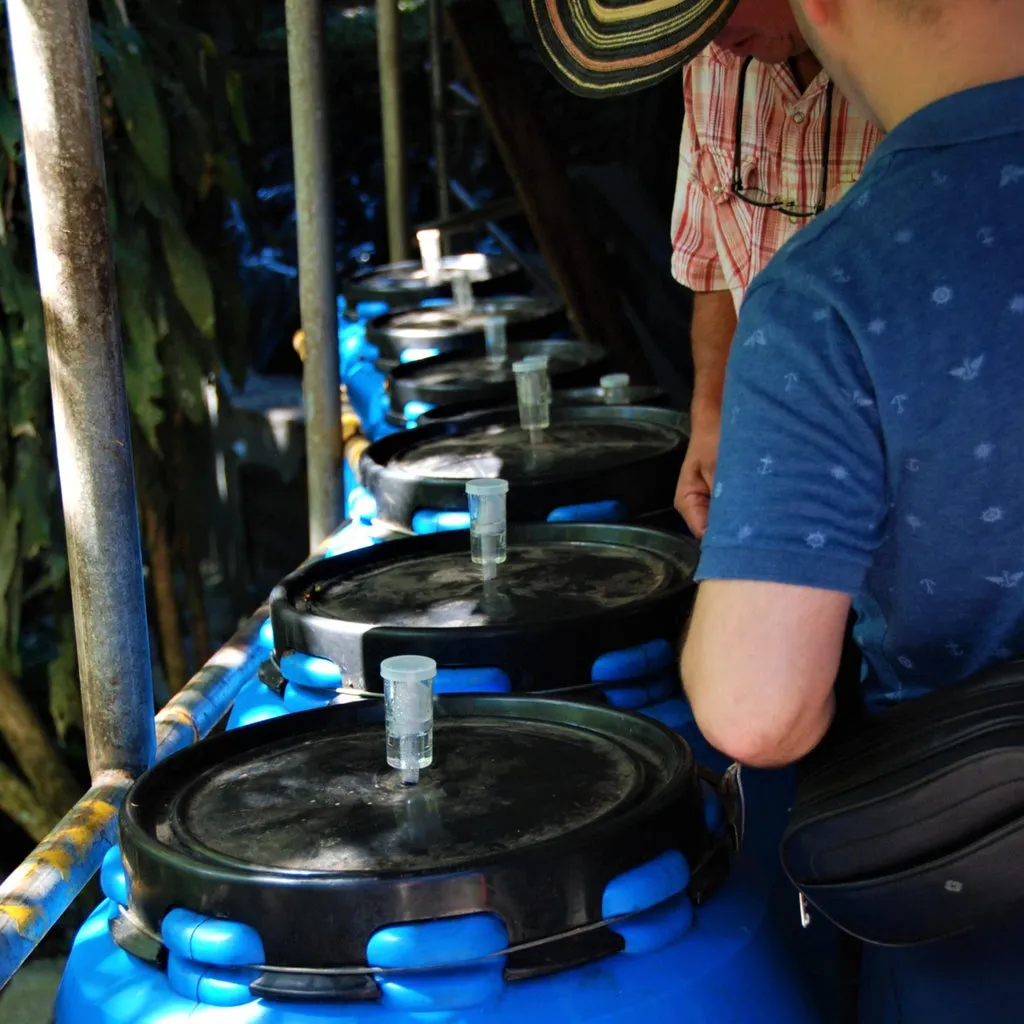
The Rise of Anaerobic Processing
First came the various anaerobic techniques. In theory, anaerobic processing splits into anaerobic natural and anaerobic washed—the difference being where the anaerobic fermentation step is inserted. Anaerobic natural ferments first, then dries in the sun; anaerobic washed washes first, then ferments without oxygen, then dries.
With conventional natural and washed processing, everyone's workflow looks similar—too few factors are under human control, and it mostly comes down to weather: places with longer sunshine dry faster; places with less need more time.
Anaerobic processing flips that: human factors multiply. It's also a rich man's game—you rarely see a village co-op producing an anaerobic lot. It's almost always well-funded estates, because anaerobic processing devours money, time, and knowledge. Estates in Colombia, Costa Rica, and Panama pioneered it, and it created a breed of estates whose selling point is unique processing itself—names like 90+, Palmas y Bucaneros, and Finca El Paraiso.
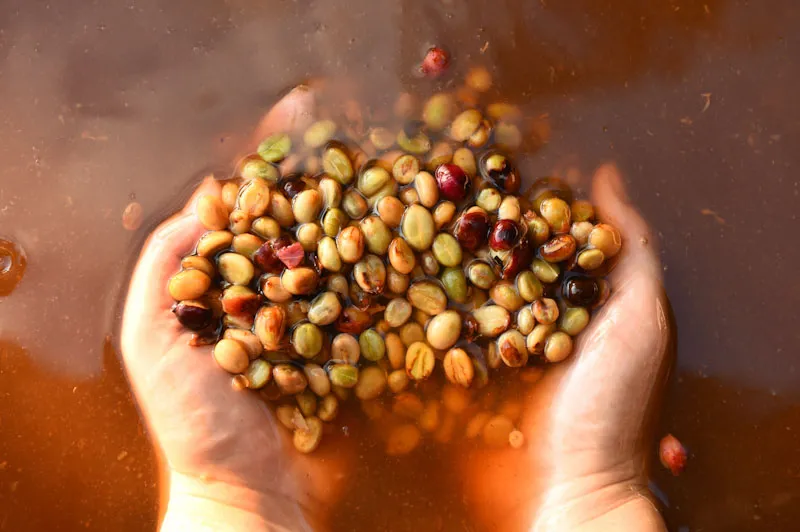
The Flavor Question and Processing Transparency
Here we must add: many customers who taste anaerobically processed beans at FrontStreet Coffee exclaim in wonder and ask whether we add "something" during roasting to make the flavor so unusual. To be clear: those flavors are created during processing, not by adding anything at roast.
And because every estate has "its own ideas" about anaerobic processing, the distinctiveness of the producer's method has to be reflected in the process name. (Anaerobic processing is oxygen-free fermentation with controlled parameters—time, medium, temperature, pressure.)
Hence the lavishly detailed process names you see on the market, such as:
(Various alcohols) Oak barrel fermented washed processing — "Different oak wine barrels naturally produce different flavor expressions: sherry whiskey barrels, rum barrels"
(Various fruits) Yeast anaerobic processing — "Adding yeast to assist fermentation and steer the coffee toward flavors the processor wants, such as lactic acid bacteria or specific yeasts"
Various unique anaerobic methods — "Such as ASD anaerobic slow natural, double anaerobic washed, carbonic maceration, low-temperature slow anaerobic honey"
With so many anaerobic coffees around, flavors are emerging that never existed in traditional processing—so recognizable that drinking them feels less like coffee and more like tasting the fruit or wine itself. That's how the term "flavored coffee" came to everyone's attention.

Defining Flavored Coffee
The definition of "flavored coffee" is vague. One useful reference is Sasa Sestic—the coffee master who first won a world championship with anaerobic coffee. His view: these coffees deserve recognition when their processing information and additives are fully disclosed. (Though major competitions like COE, BOP, WBC, and WBrC now consider such beans to have an unfair advantage and bar them from entry.)
He also stated plainly that in experiments in Nicaragua, flavor-poor varieties and low-altitude lots did improve their flavor through carbonic maceration—which is precisely why green bean competitions ban them.
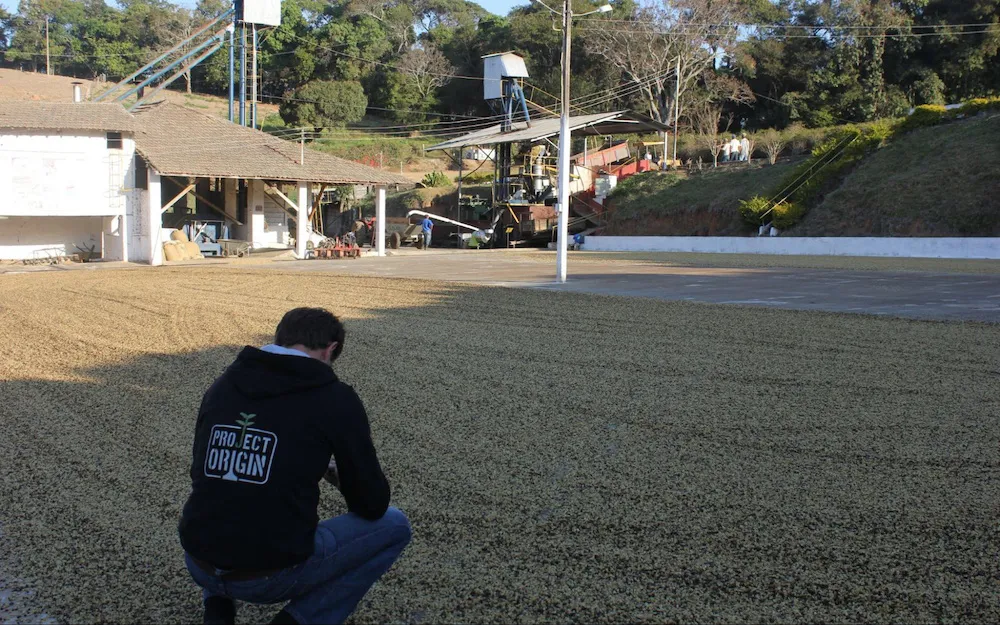
In discussions with industry experts, Sasa proposed a working distinction: when substances added during processing ultimately show up in the coffee's flavor, it is flavored coffee. Simply put—if flavor extracts or flavorings are added during processing to make the coffee taste a certain way, or if fruits, flowers, or alcoholic beverages are added at processing, roasting, or brewing and the final taste reveals the additive, it's flavored coffee.
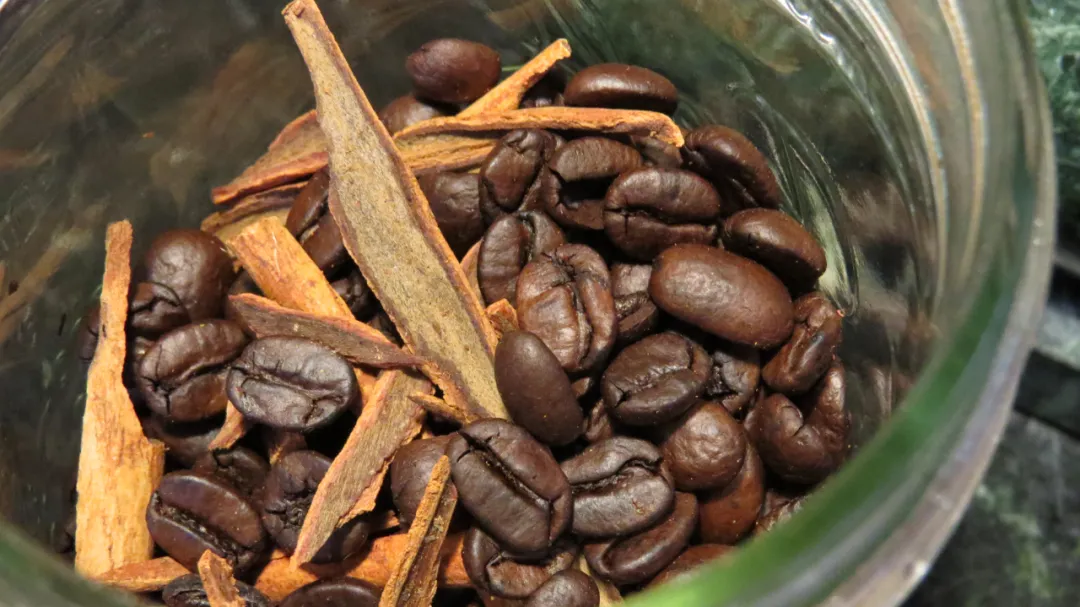
But adding enzymes as fermentation catalysts, or yeast, probiotics and similar agents to drive fermentation—where the final coffee doesn't taste of the additive but of flavors created through fermentation—is not flavored coffee.
"Note: enzymes are essentially proteins, while yeast is a fungus—single-celled microorganisms with cellular structure."
Sasa also addressed whether adding fruit during fermentation counts as flavoring. His original words:
"In fermentation, producers sometimes add fruit to support enzymatic reaction. Fruit can also be added to support fermentation with yeast, bacteria, and sugars.
If, at the end of fermentation, we cannot find any remains of the fruit left in the final product (green beans), it can be considered a processing aid and does not need to be declared unless it is an allergen.
For example, if we add pineapple in fermentation, it adds new microbes and sugars, which are used during the fermentation process. By the time it's completed, the pineapple will be consumed and will no longer be present.
This leads to the formation of different aroma compounds that wouldn't be present without the pineapple, but because there is no pineapple itself present in the final product, it is a processing aid; not an infusion."
In short: if added fruits serve the enzymatic reaction and participate in fermentation, and no remnants remain on the green beans, the fruit is a catalyst—not a flavoring.
Of course, this is one perspective from Sasa's discussions, offered for reference. But whatever the market decides about flavored coffee, FrontStreet Coffee wholeheartedly endorses one of Sasa's points: transparency in processing information. It matches the traceability ethos of single-origin coffee. As long as end consumers clearly, transparently, and truthfully understand how their coffee was grown and processed, the final choice belongs to them.
Perhaps the steadily lengthening process names are a good beginning.
FrontStreet Coffee Recommendation
Want to taste what anaerobic fermentation actually does—without any added flavoring? FrontStreet's Zhongfenxian (Dividing Line) estate Sidra from Colombia is processed by anaerobic natural fermentation in pressurized stainless tanks, where temperature, time, and pH are all controlled. Roasted medium-light, it pours out passion fruit, grape, apricot and dried-fruit aromatics with chocolate and light spice sweetness and a winey finish—lush for pour-over, cold brew, drip bags, or moka pot, and as an iced Americano it tastes like fresh grape juice.
If you'd rather compare it against a classic, the washed Huila—Colombia's most famous specialty region, at elevations above 1,500m—roasted medium-dark gives you the traditional benchmark of dark chocolate and nutty sweetness. And for espresso, the FrontStreet Premium Blend (Brazil's creamy nuttiness plus Colombian dark-chocolate depth) shows what traditional processing tastes like, side by side.
Important Notice :
FrontStreet Coffee is a long-established specialty coffee roaster in Guangzhou China, selling freshly roasted beans from its own farm in Yunnan as well as dozens of carefully selected single-origin beans from around the world for both pour-over and espresso. The products deliver consistently excellent quality and great value, with shipping within 24 hours. Guangzhou's FrontStreet Coffee shop is recommended by many coffee lovers, and the beans are now available online at the Tmall 。
FrontStreet Coffee has moved to a new address:
FrontStreet Coffee Address: 315,Donghua East Road,GuangZhou
Tel:020 38364473
 Scan and follow the En Gafei WeChat official account. Please indicate that the reprint comes from "En Gafei".

