
What Does Coffee Layer Complexity Mean? Pour-Over Parameter Methods to Enhance Layer Complexity: Water Temperature and Grind Size Adjustments
Understanding Coffee Layer Complexity
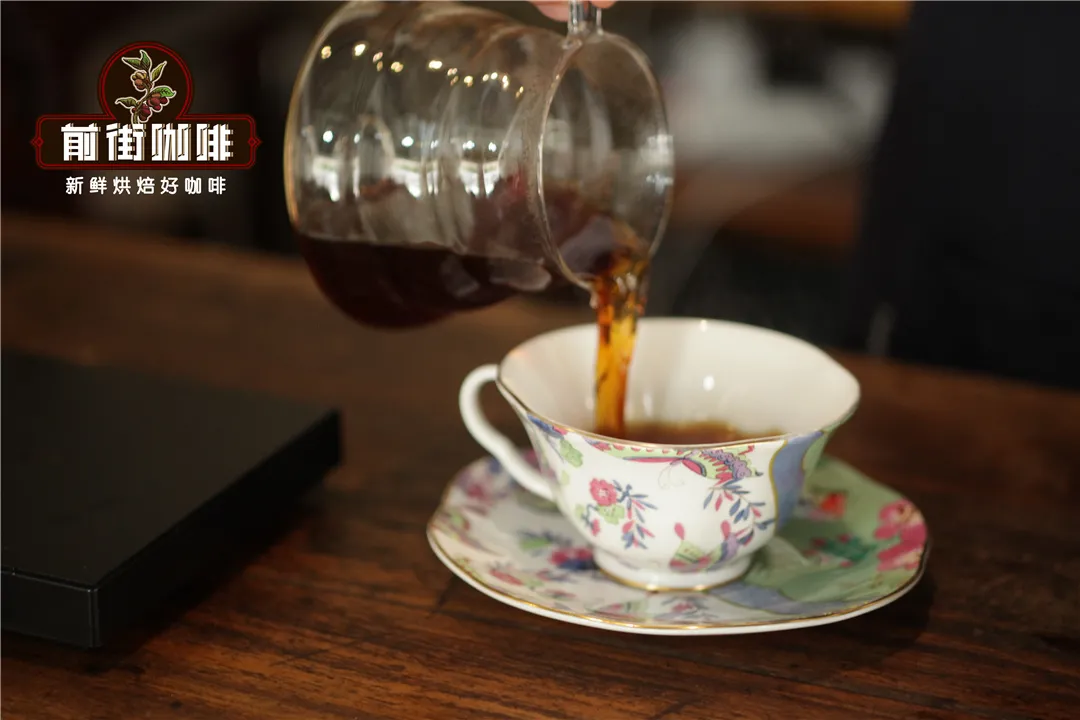
A customer once shared with FrontStreet Coffee that their brewed coffee had a wonderfully bright, delicious front profile but lacked depth in the later stages, turning somewhat hollow and losing that remarkable quality.
When they visited the FrontStreet Coffee shop and tried the same beans, the cup showed rich layers and a full-bodied character. Since FrontStreet Coffee was not familiar with that customer's brewing technique at the time, the topic has only now come to mind for reflection. Below is FrontStreet Coffee's rough analysis of coffee layer complexity.
What is Layer Complexity?
First we need to understand what layer complexity means. When we taste coffee, the flavors in the mouth evolve and change as the temperature decreases, and those flavors should be clearly distinguishable.
This is easy enough to picture. Many beans today are expected to deliver an impressive initial impact but often fail to follow through, leaving the later flavors flat and creating a top-heavy sensation. If a coffee opens with highly recognizable, impressive grapefruit-like flavors on the first sip, but the middle and later stages merely maintain or fade from that, then the overall experience is not quite complete.

Factors Affecting Coffee Layer Complexity
FrontStreet Coffee has mentioned before that many factors influence layer complexity, including but not limited to coffee cultivation, processing, and roasting. By the time we reach the brewing stage, there is actually very little we can do to change it significantly. Even so, we can still taste the differences those small influences make.
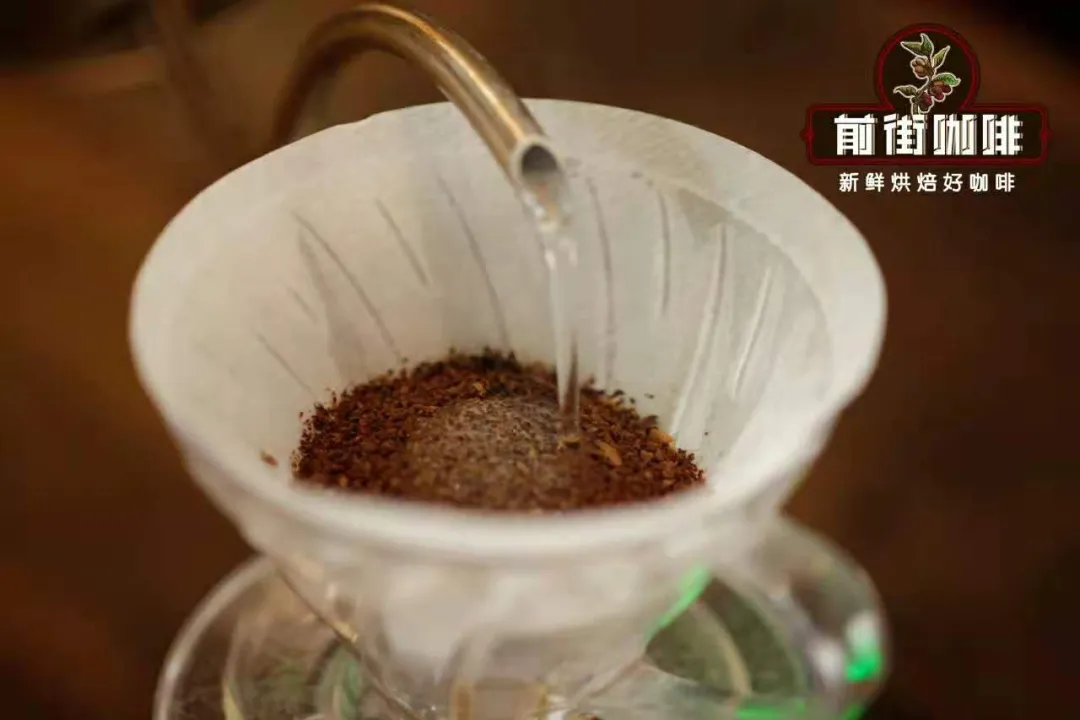
One important aspect of rich layer complexity is fine particles. We all know that excessive fine particles cause bitter, harsh flavors. Retaining some fine particles, however, and "artificially creating uneven extraction," can enrich the coffee's layers.
The Role of Bitterness in Layer Complexity
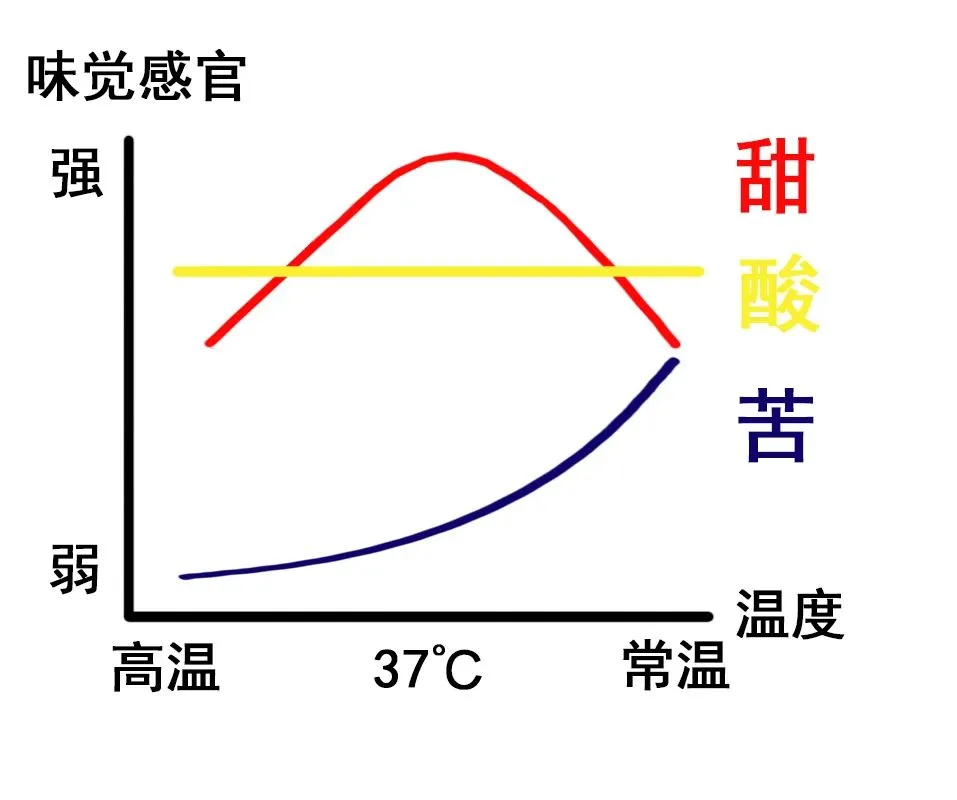
The second point is that bitterness is an important factor in expressing layers. In brewing, acidity is released first, then sweetness, and finally bitterness in the greatest quantity. Many brewing methods, though, intentionally avoid bitterness and focus only on sweet and sour notes.
There is nothing inherently wrong with that, but being overly afraid of brewing bitterness and therefore leaning toward "abandoning the later stages" also means giving up some sweetness, which leads to insufficient follow-through. Having a little bitterness, then, can enhance the overall layer complexity.
Concentration and Pouring Techniques
The third point is that excessive concentration tends to concentrate flavors and make them hard to distinguish. Expanding the coffee-to-water ratio and controlling concentration to around 1.2% can effectively improve layer complexity.
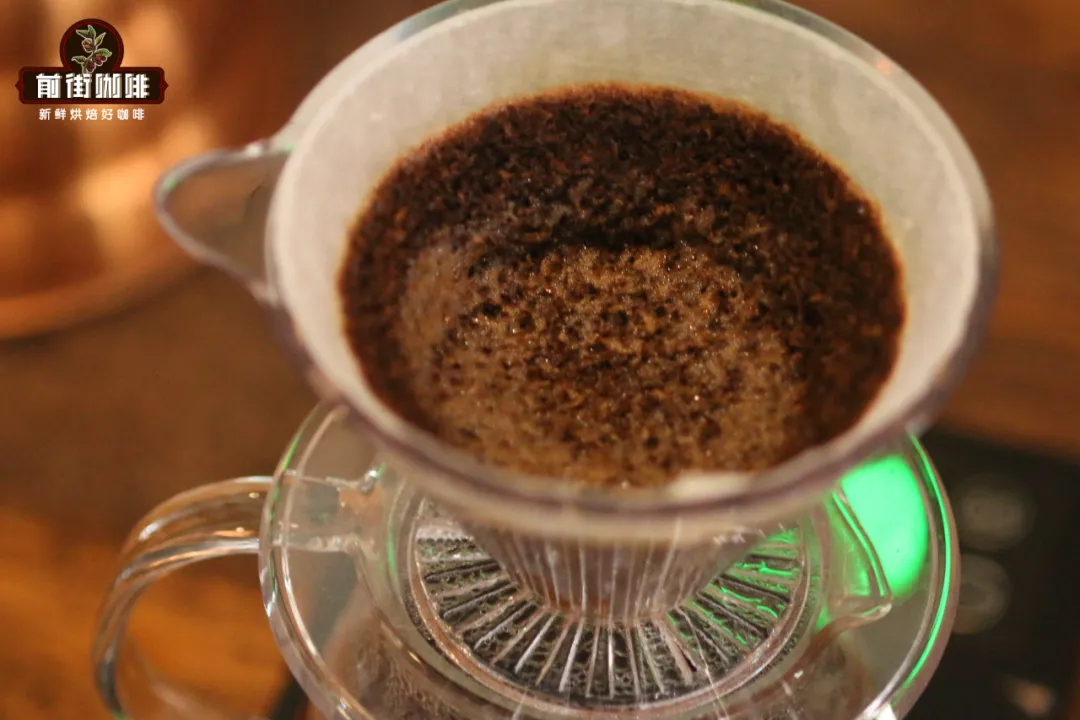
When pouring in circular motions, creating larger circles without breaking the coffee bed wall can also express the layer complexity better.
FrontStreet Coffee Recommendation
Layer complexity only shows itself in beans that actually have layers to give, and the V60 is the classic tool for drawing them out: designed by Hario, the Tokyo glassmaker founded in 1921 and reshaped in 2004 before its official launch a year later, its 60-degree cone and single large hole extend the contact between water and grounds so aroma and flavor can be fully extracted.
FrontStreet Ethiopia Huakui is a strong match for this approach, with striking tropical fruit aromas of strawberry, passion fruit, jackfruit, and lychee, clear sweetness, very low bitterness, and a smooth, juice-like body that keeps unfolding as the cup cools. FrontStreet Strawberry Candy Geisha Blend is another rewarding choice for layering, combining a Costa Rican honey-processed coffee with a Panamanian Geisha for delicate floral notes alongside sweet fruit, and it responds especially well to the gentle, controlled pouring that complex beans demand.
Important Notice :
FrontStreet Coffee is a long-established specialty coffee roaster in Guangzhou China, selling freshly roasted beans from its own farm in Yunnan as well as dozens of carefully selected single-origin beans from around the world for both pour-over and espresso. The products deliver consistently excellent quality and great value, with shipping within 24 hours. Guangzhou's FrontStreet Coffee shop is recommended by many coffee lovers, and the beans are now available online at the Tmall 。
FrontStreet Coffee has moved to a new address:
FrontStreet Coffee Address: 315,Donghua East Road,GuangZhou
Tel:020 38364473
 Scan and follow the En Gafei WeChat official account. Please indicate that the reprint comes from "En Gafei".

