Is Oily Coffee Bean Stale? Are Oily Coffee Beans Normal? How to Brew Without Bitterness?
Why Do Some Coffee Beans Develop Oily Surfaces?
They say history runs in cycles. Forty years ago, coffee beans were admired for their glossy, oily sheen. Today, oily beans are often assumed to be stale or defective.
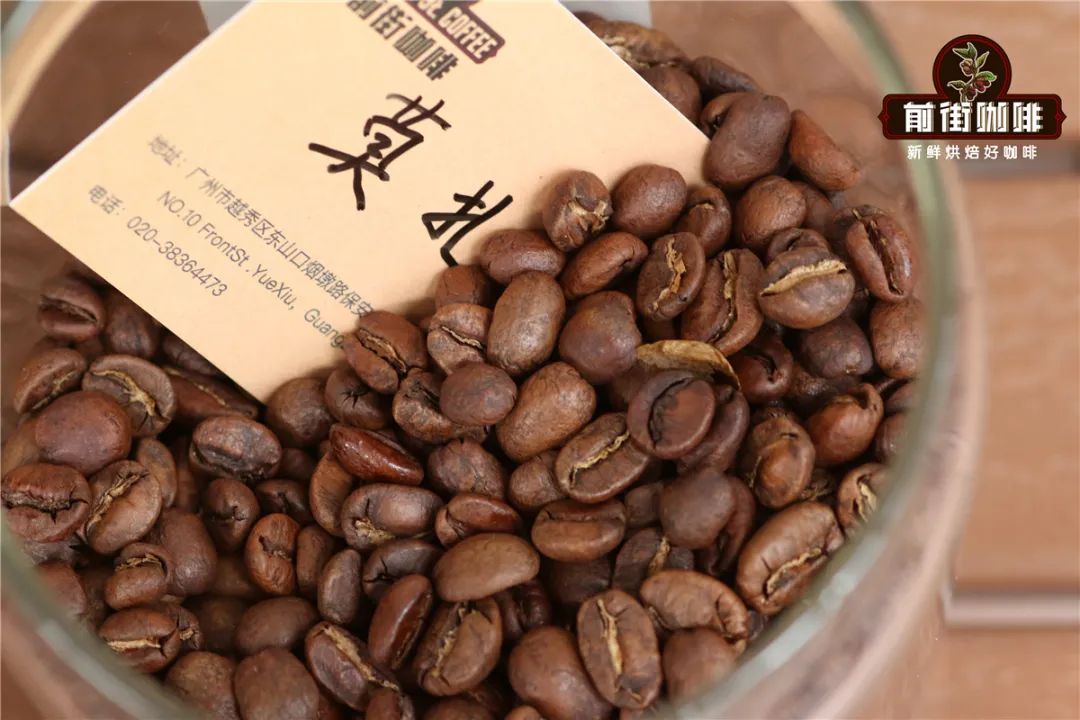
So FrontStreet Coffee is here to explain why some beans turn oily and others don't. Notice that oily beans tend to be darker in color, while dry-surfaced beans are lighter (light brown) — which tells you the primary cause of oiliness is the roast degree itself.
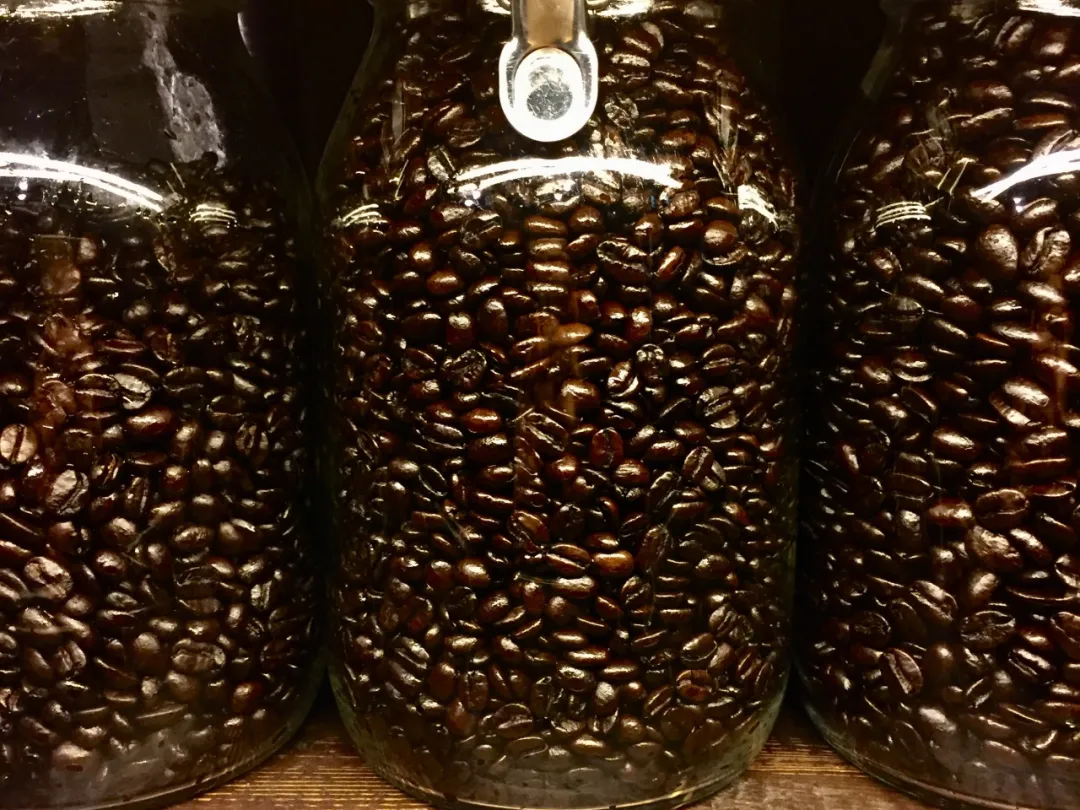
The Science Behind Coffee Bean Oiliness
Coffee beans generate a great deal of carbon dioxide during roasting, and as a rule, the deeper the roast, the more CO2 builds up inside.
After roasting, most of that CO2 escapes within 3-4 days — and the oils ride out along with the gas. The deeper the roast, the more oil seeps to the surface.
Evolution of Roasting Styles
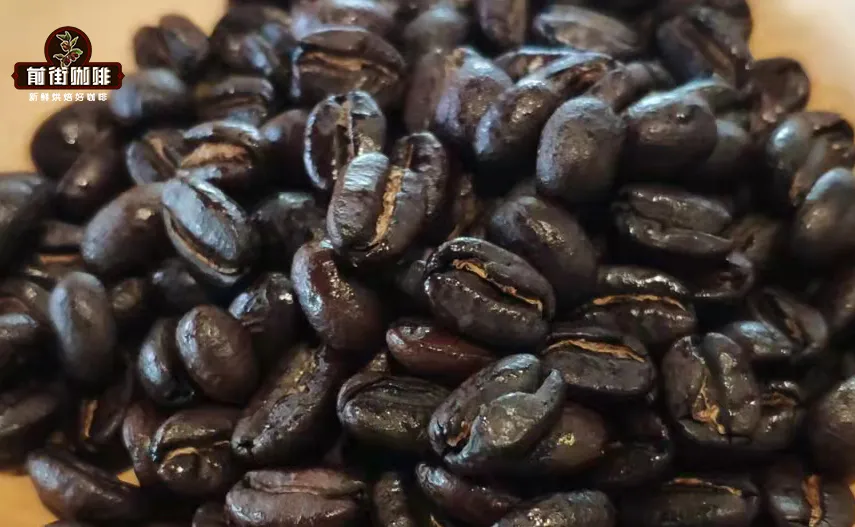
In the old days, beans were dropped from the roaster right at second crack, producing an almost jet-black "Italian roast." Fresh out of the drum these beans showed little oil, but after 1-2 days of resting, oil would seep out rapidly and the whole batch would glisten. Today's "Japanese deep roast" looks much the same.
Modern roasting rarely goes that dark, though, so glossy oily beans have become a rare sight — you'll mostly encounter them from certain big chain brands, Italian-style roasters, or Japanese-style deep roasts.
FrontStreet Coffee's Roasting Approach
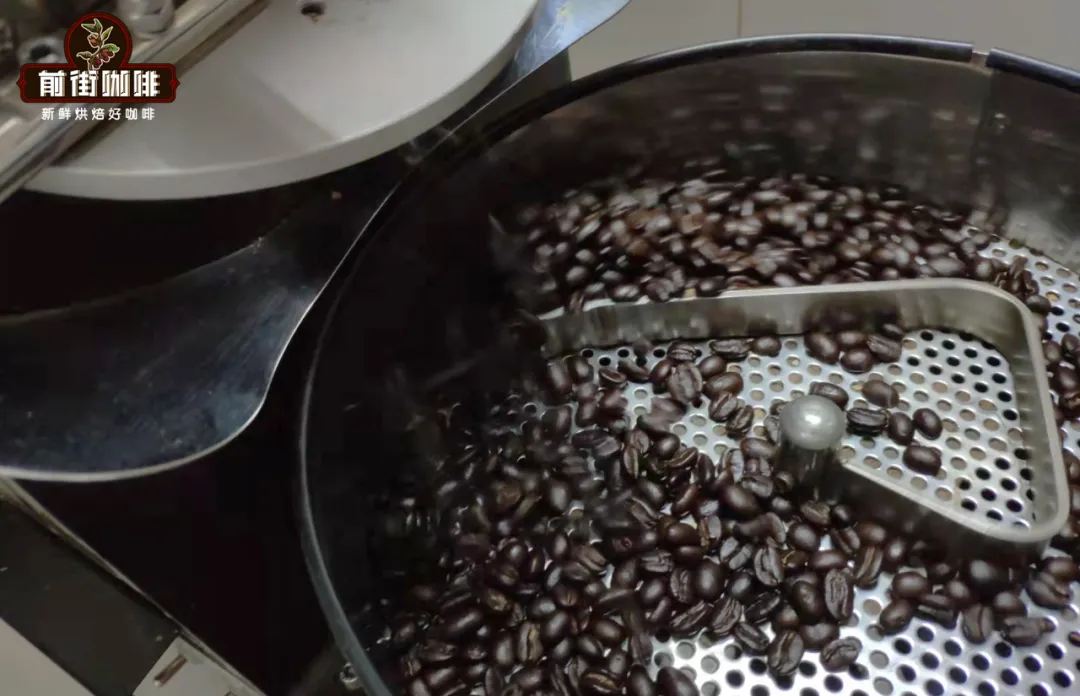
Of FrontStreet Coffee's own lineup, only the Indonesia Mandheling, the Jamaican Blue Mountain, and the espresso blends are roasted deep enough to show slight oiliness. The light-roasted beans never do.
The Honey Processing Exception
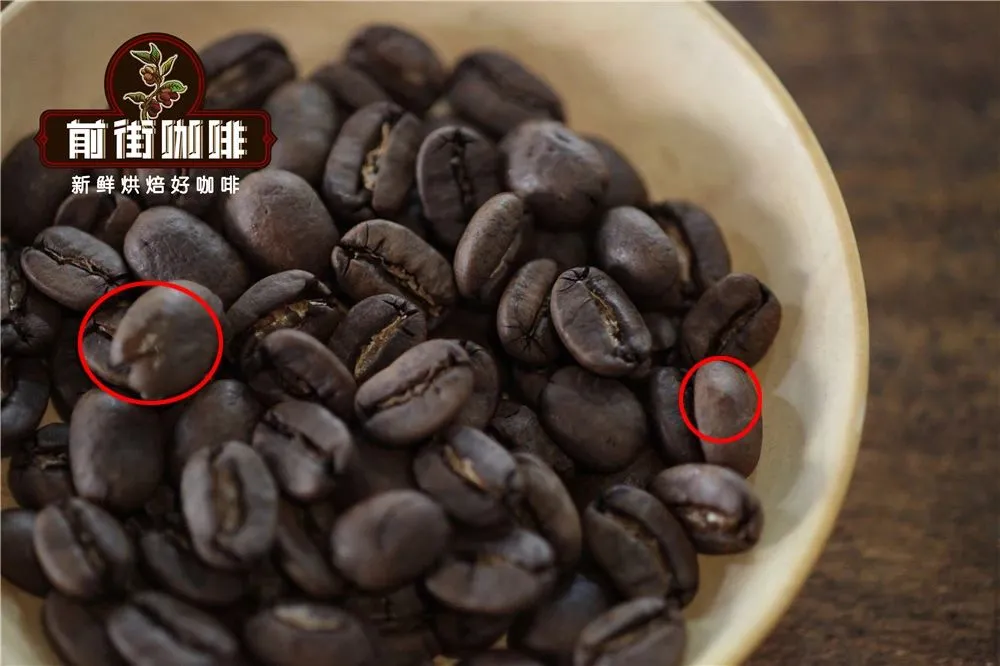
Some people point out that Costa Rican beans also show a slight sheen. That's actually a honey-process phenomenon: because the mucilage layer isn't washed off, it sits thickest along the bean's center line and ends, where sugary residues linger. Roasting caramelizes those sugars, so the center line and ends darken relative to the body — sometimes with a reflective, oil-like appearance.
Does Oily Mean Unfresh?
So do oily beans really mean stale beans? It can happen — but it's not absolute. Some beans do seep oil as they degas, picking up a rancid-oil taste and losing their original flavor along the way.
The trouble is that "light," "medium," and "medium-light" have always been hard to pin down, and processing methods keep multiplying. With so many new anaerobic processes around, the old visual rules no longer apply. Take the Huayuanye (Flower Moon Night) coffee: sweet strawberry jam, roses, and liqueur-filled chocolate — where exactly would you slot its roast level under the old definitions?
The Bottom Line: Assessing Freshness
That particular bean will seep a little oil along the center line after 4-7 days of resting — but with no rancid taste, the oil is perfectly normal. Judging staleness by oiliness alone is therefore a recipe for misjudgment. The old method still works best: watch whether the bloom expands properly, then taste to see if the flavor has faded.
FrontStreet Coffee Recommendation
If you're drawn to medium roasts — where acidity, sweetness, and bitterness find their balance — FrontStreet Coffee's lineup is built for you. The FrontStreet Brazil Queen Estate, a rare Yellow Bourbon from the world's largest coffee-producing country, is delicately sweet after medium roasting, with creamed peanut, chocolate, toasted bread, and sugarcane notes; it pours beautifully as pour-over, moka pot, or espresso. For a fruitier medium roast, the FrontStreet Strawberry Candy Gesha blend combines Costa Rica honey-processed coffee with Panama washed Gesha — orange-honey aroma and rounded sweetness that work for cold brew, pour-over, and espresso alike.
Domestic pride comes through in the FrontStreet 2013 Natural Typica from Yunnan, whose classic Chinese coffee character — nuts, brown sugar, black tea, dried apricot — shines at a very friendly price across pour-over, cold brew, and drip machines. And for the definitive balanced cup, the FrontStreet Jamaica Blue Mountain No.1, grown on Typica at altitude and roasted medium, melds acidity, bitterness, sweetness, and body into that famously elegant profile: chocolate, roasted nuts, cream, and caramel in a single, seamless cup.
Important Notice :
FrontStreet Coffee is a long-established specialty coffee roaster in Guangzhou China, selling freshly roasted beans from its own farm in Yunnan as well as dozens of carefully selected single-origin beans from around the world for both pour-over and espresso. The products deliver consistently excellent quality and great value, with shipping within 24 hours. Guangzhou's FrontStreet Coffee shop is recommended by many coffee lovers, and the beans are now available online at the Tmall 。
FrontStreet Coffee has moved to a new address:
FrontStreet Coffee Address: 315,Donghua East Road,GuangZhou
Tel:020 38364473
 Scan and follow the En Gafei WeChat official account. Please indicate that the reprint comes from "En Gafei".