
FrontStreet Coffee's Guide to Coffee Brewing Ratios and Techniques
When FrontStreet Coffee gives a simple introduction to espresso drinks, the latte is usually the example. Its composition is simple — just coffee, milk, and a small amount of milk foam — and we've explained the preparation method many times, including some basic latte art.
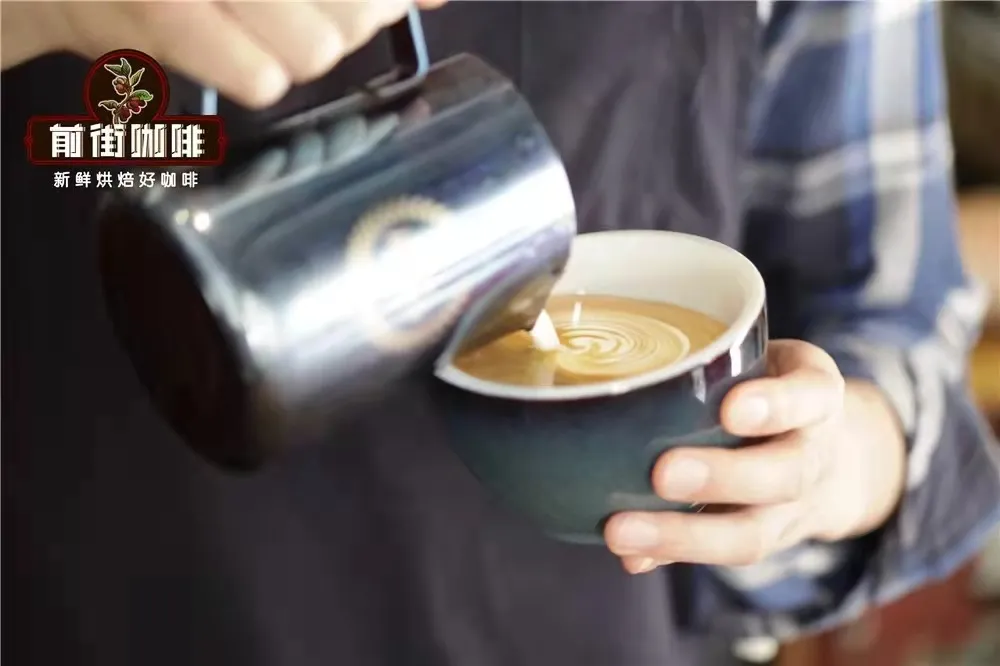
What's rarely discussed in detail, however, is the most important thing about a latte: how it actually tastes and feels. This is the most fundamental aspect of any beverage. If you've tasted lattes from dozens of coffee shops, you've probably noticed that although they're all called lattes and all made from espresso plus steamed milk, the sensory experience really does differ from shop to shop.
The Five Key Factors That Determine Latte Quality
The first and most important factor is the choice of coffee beans. You can compare directly these days, since many shops now let customers choose different beans for their lattes — and the flavors are naturally different. Lattes made with a traditional Mamba blend are rich and caramelized with cocoa and caramel notes, while those made with an Ethiopian SOE (single-origin espresso), common in some shops, show milky sweetness and floral aromatics — two completely different styles.
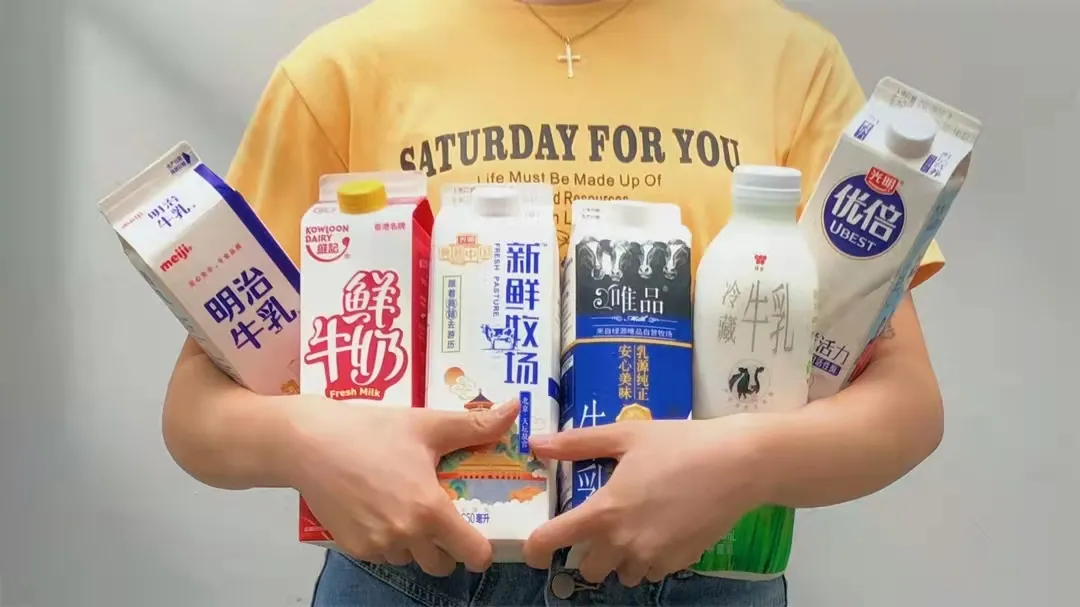
The second factor is the milk. There are 7–8 common types of fresh milk on the market alone. In FrontStreet Coffee's milk reviews, some taste watery and lack body; some have a fragrant milk flavor that complements coffee perfectly; some are so milky they overpower the coffee; and others are rich, thick and delicious on their own.
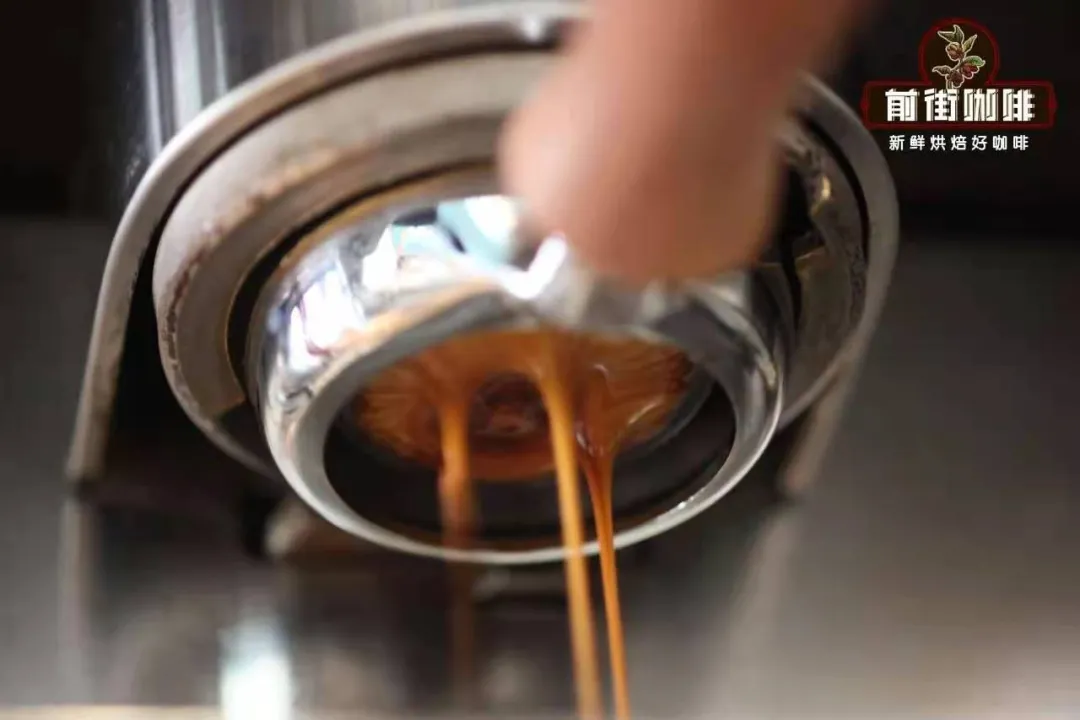
The third factor is the espresso extraction itself. The difficulty isn't the technique (distribution, tamping and so on) — it's the extraction recipe. For many shops, the final step in dialing in espresso is tasting whether the resulting latte is good, because espresso that performs well on its own doesn't guarantee a delicious latte.
Milk drinks like lattes and Americanos are the most common beverages in coffee shops today, so espresso should be calibrated around how it tastes in those drinks. FrontStreet Coffee's original test recipe — 20 grams of grounds extracting 40 grams of espresso — showed rich performance and full layers on its own, but when used in a latte it turned bitter and thin. After adjusting to 20 grams of grounds extracting 35 grams, the latte gained a full body with creamy, chocolate and brown sugar notes coming through.
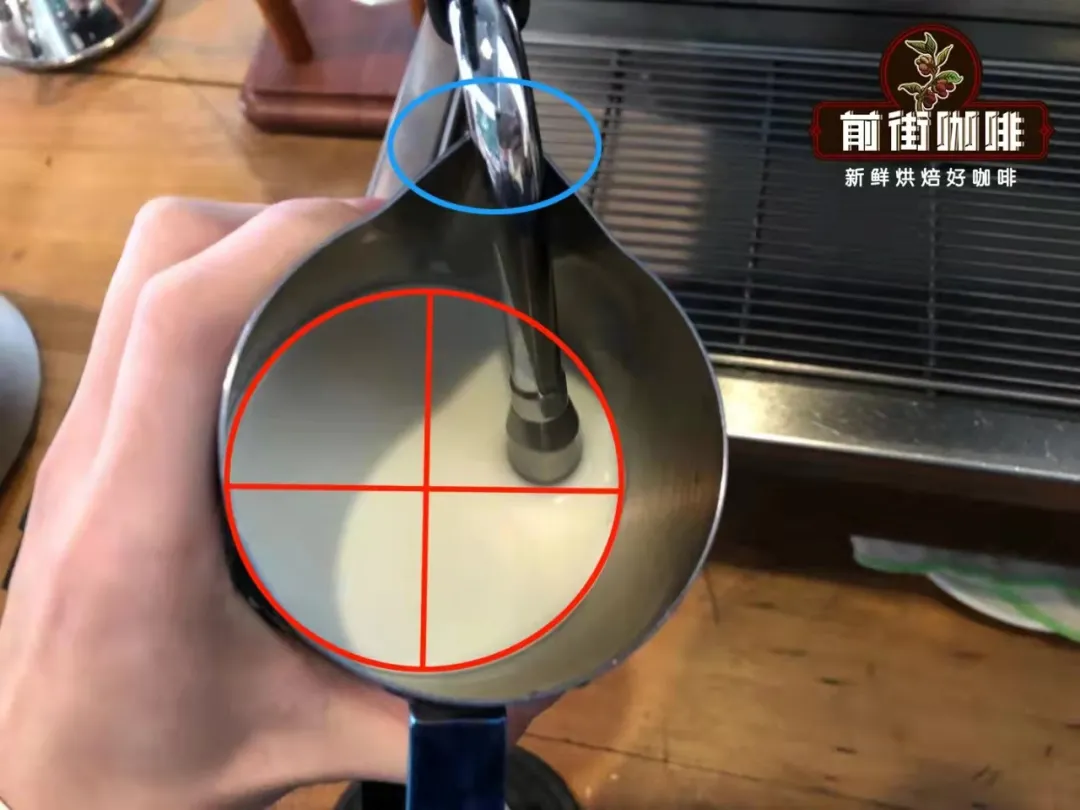
The fourth factor is the fineness of the milk foam during steaming, which affects both texture and how well the milk and coffee fuse. Once you master the vortex-rotation rhythm of the steam wand, it becomes quite easy. And if you don't need latte art, you can skip the foaming entirely and just heat the milk — the taste will be the same.
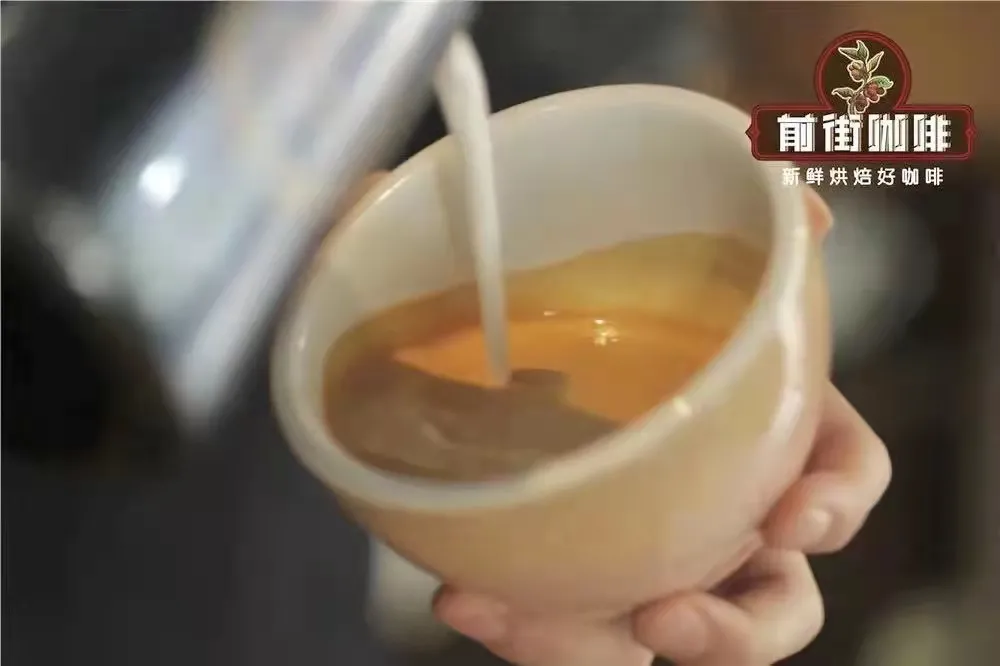
The fifth factor is the fusion of milk and espresso. The standard technique is to stir clockwise: hold the cup in your left hand and the pitcher in your right, starting from the 3 o'clock position and circling toward 6 o'clock. While circling, you can rotate either the pitcher or the cup — but never both at once! Get the rhythm wrong and the milk and coffee will "fight" each other, leaving you with a latte full of large bubbles.
Conclusion
That, in essence, is how a delicious latte is made. Of all these factors, FrontStreet Coffee considers the coffee beans and the espresso recipe the most important. Understand those two, and the next time a latte tastes off, you'll know exactly where to look.
FrontStreet Coffee Recommendation
For that first factor — the beans — Ethiopia is a treasure trove. As the birthplace of coffee, it hosts countless heirloom varieties, and FrontStreet Coffee's washed Yirgacheffe is the ideal starting point: jasmine florals and bright citrus acidity from a misty, spring-like town in southern Ethiopia, light and elegant with a tea-like finish, like a clean lemon tea. For a latte with a difference, FrontStreet Coffee's natural Huakui SOE from Hambella, Guji — dried for 21 days on raised beds, turned constantly and hand-sorted every three to five days — brings a light fermented wine note, florals, citrus and mango, with a thick body and lingering honeyed sweetness after a medium-light roast.
For the classic caramelized style instead, a Mamba-style blend is the way to go: Mandheling's wild intensity married with Brazil's smooth body, where nutty sweetness tames the herbal bitterness — FrontStreet Coffee's Classic Blend adds a touch of Robusta and a dark roast to push the dark chocolate, nut and caramel aromas to their fullest, making it effortless even for beginners to pull an authentic, crema-rich shot for lattes.
Important Notice :
FrontStreet Coffee is a long-established specialty coffee roaster in Guangzhou China, selling freshly roasted beans from its own farm in Yunnan as well as dozens of carefully selected single-origin beans from around the world for both pour-over and espresso. The products deliver consistently excellent quality and great value, with shipping within 24 hours. Guangzhou's FrontStreet Coffee shop is recommended by many coffee lovers, and the beans are now available online at the Tmall 。
FrontStreet Coffee has moved to a new address:
FrontStreet Coffee Address: 315,Donghua East Road,GuangZhou
Tel:020 38364473
 Scan and follow the En Gafei WeChat official account. Please indicate that the reprint comes from "En Gafei".

