Coffee Can Be Grown in Japan! First Batch of Japanese-Domestic Coffee Beans Debuts!
Growing coffee at home has been a pursuit several generations of Japanese growers have chased without letup. Because of factors such as terrain and climate, Japan's natural environment is not suited to coffee cultivation. Winters become too cold for coffee trees to survive, and even when they do, the trees cannot reach the flowering and fruiting stage. This has driven Japanese coffee researchers to look to other, milder regions for planting.
Despite repeated setbacks with local cultivation, they never gave up. Instead they kept searching for areas with gentler climates, and for the problem of overly cold winters they adopted many techniques to avoid the cold, striving to create a "climate-friendly" environment for coffee trees to grow.
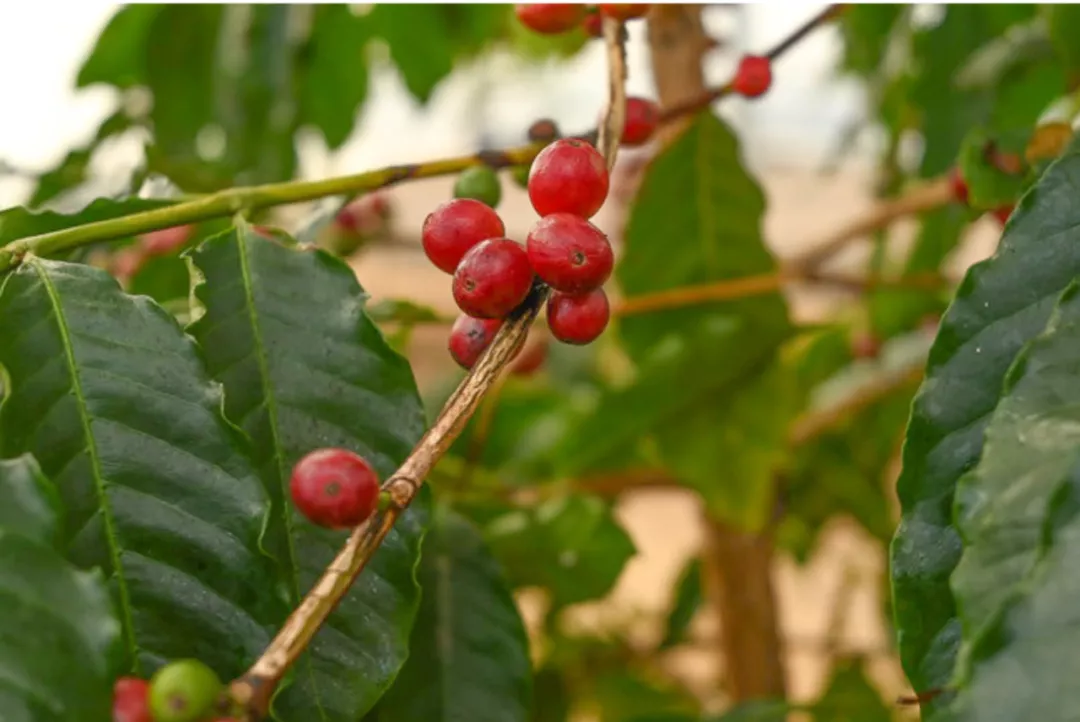
Hard work pays off. They finally succeeded in growing coffee trees - and the trees even bore fruit. Recently, Yamako Farm in Okayama City, Japan, announced that its coffee trees had successfully flowered and fruited. The farm said the cherries are still ripening and that by February this year it expects to harvest the first batch of locally grown coffee beans in Japanese history.
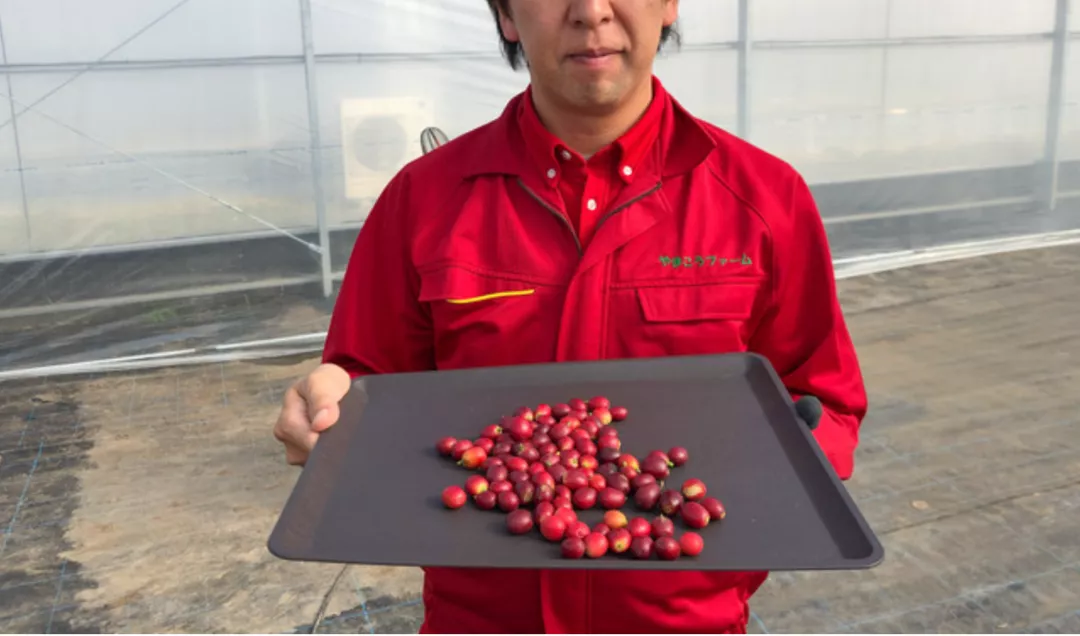
With this successful harvest, the person in charge of Yamako Farm has also planned a "Japan Organic Coffee Project" for domestic Japanese coffee. The project will provide coffee seedlings and cultivation technical assistance to those who want to grow or research coffee locally in Japan, while recruiting more technical talent to devote themselves to the farm's coffee cultivation.

Yamako Farm's Coffee Cultivation Journey
Okayama City lies in southern Japan, a region with a warm climate and long sunshine hours, known as the "Land of Sunshine." Yamako Farm did not start out researching coffee. At first it wanted to grow tropical crops such as pineapples, mangoes, papayas, and bananas locally, so it introduced greenhouses. After research, it actually succeeded in growing papayas and bananas. With that success behind them, the farm owner turned to local coffee cultivation, which had failed many times before.
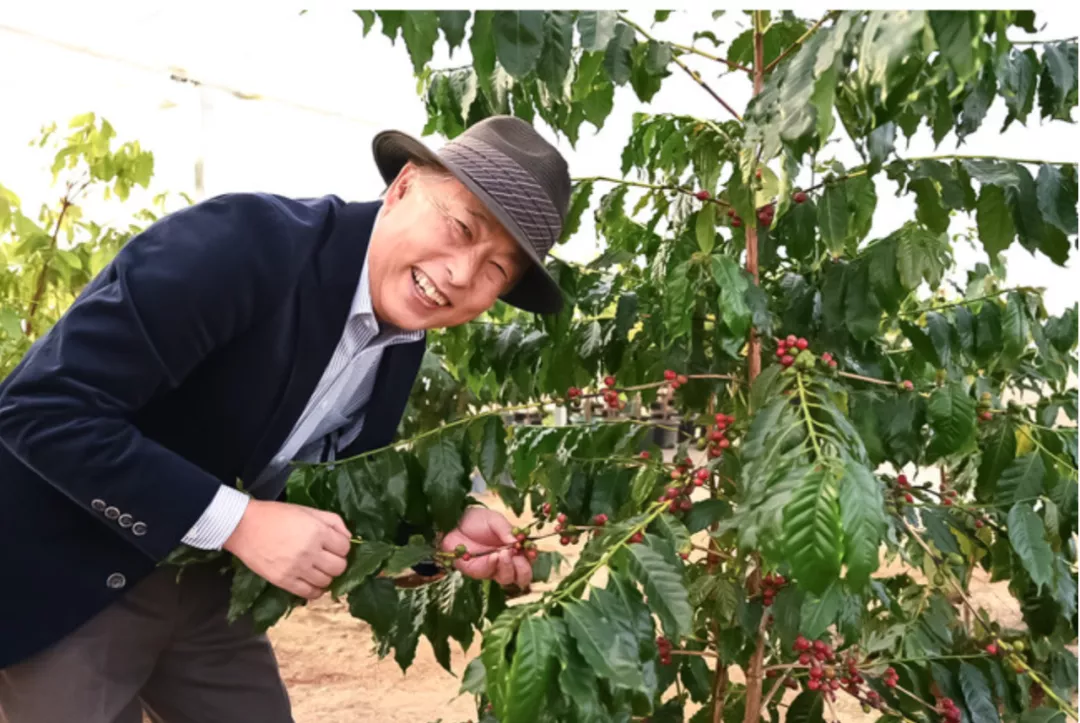
- Kosuke Yamamoto and his coffee trees
Mr. Kosuke Yamamoto, the farm owner, noted that Japan, as the fourth largest coffee-consuming country, has deep research in coffee roasting and brewing, yet no one had succeeded in researching coffee cultivation. So after successfully growing papayas and bananas, Mr. Yamamoto introduced Typica coffee trees and planted them in the farm's greenhouse. Because coffee trees dislike long periods of direct sunlight and the Okayama region has relatively long sunshine hours, the greenhouse roof is fitted with a large number of solar panels. This provides electricity for the greenhouse on one hand and shade for the coffee trees on the other.
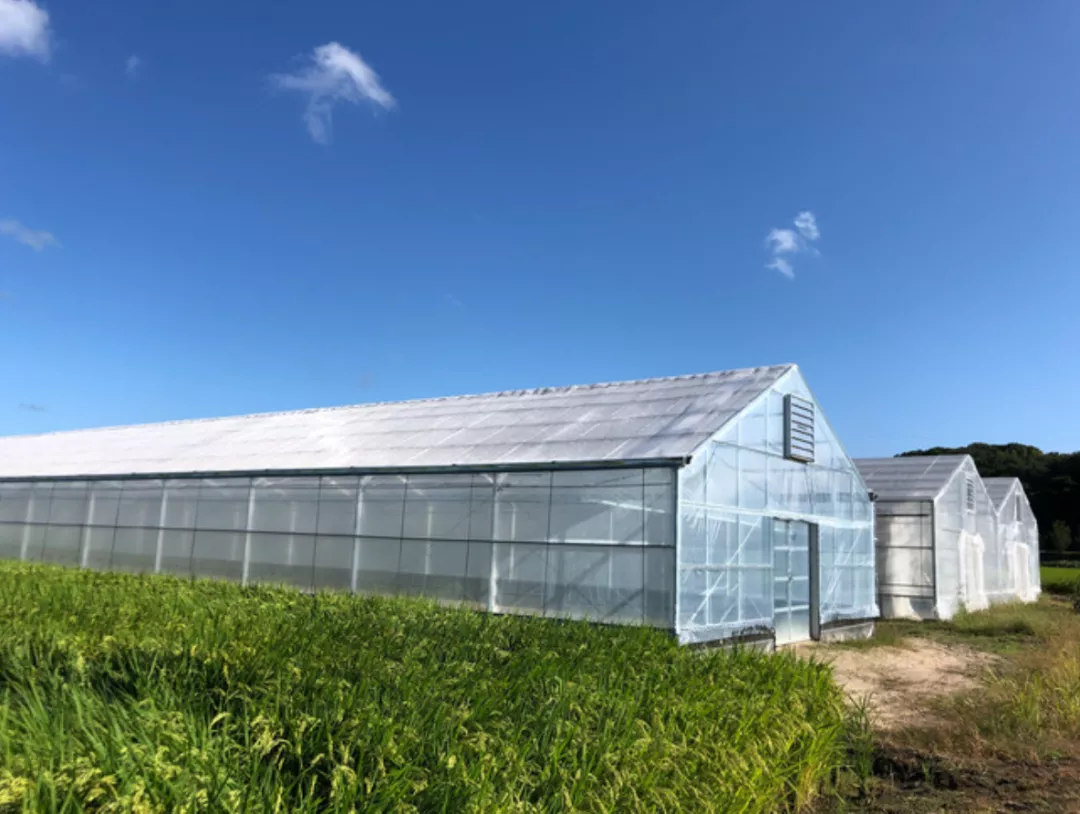
Scientific Approach to Coffee Cultivation
For the successful cultivation of local Japanese coffee beans, the greenhouse is only an auxiliary tool; the main reason is their years of research into coffee cultivation. Beyond basic research on coffee varieties, climate, environment, water quality, and soil, they were so meticulous that they even studied different varieties of earthworms. Different earthworm varieties affect the soil to varying degrees, changing its pH level, and soil pH in turn affects the growth of coffee cherries and the expression of coffee flavor.
Future Prospects
Mr. Kosuke Yamamoto hopes that through this success, more business people will see the value of Japanese-grown coffee and that cultivation techniques can be extended to rural areas of Honshu. If more people join local coffee cultivation projects, coffee farm management can become a business that creates new industries and secures human resources.
This batch of coffee beans from the Okayama region will be exhibited at the Kansai Agricultural Week in March 2022 and the Tokyo Agricultural Week in October 2022. The farm will also be open to the public in the future, letting more Japanese people learn about local coffee cultivation.
In general, though, places beyond the Tropics of Cancer and Capricorn - the coffee cultivation belt - and places with frost are not suited to coffee cultivation. So growing coffee on a large scale in Japan remains quite difficult; after all, no farmer wants to run a losing business.
But that is just a side note. Perhaps one day in the future, we will still have the chance to taste Japanese-grown coffee beans.
Image source: Yamako Farm official website
FrontStreet Coffee Recommendation
Japan's experiment with Typica is a reminder that variety and terroir shape the cup, and Typica is one of the oldest and purest Arabica varieties. If you want to taste what Typica can do, FrontStreet 2013 Sun-Dried Typica is a fine example: grown at 1,300 meters, sun-dried, and medium-roasted, it brings hazelnut, dried apricot, black tea, caramel, and ripe plum aromas with a clean body.
For an even softer, sweeter take, FrontStreet Yunnan Small Bean comes from Baoshan, washed and medium-roasted, showing the traditional nutty and chocolate character with soft, balanced structure.
If you enjoy coffees with a bit more fruit, FrontStreet Ethiopia Sun-Dried Huakui, with its rich tropical-fruit aromas of strawberry, passion fruit, jackfruit, and lychee, is a great way to branch out.
Important Notice :
FrontStreet Coffee is a long-established specialty coffee roaster in Guangzhou China, selling freshly roasted beans from its own farm in Yunnan as well as dozens of carefully selected single-origin beans from around the world for both pour-over and espresso. The products deliver consistently excellent quality and great value, with shipping within 24 hours. Guangzhou's FrontStreet Coffee shop is recommended by many coffee lovers, and the beans are now available online at the Tmall 。
FrontStreet Coffee has moved to a new address:
FrontStreet Coffee Address: 315,Donghua East Road,GuangZhou
Tel:020 38364473
 Scan and follow the En Gafei WeChat official account. Please indicate that the reprint comes from "En Gafei".