
How to Store Coffee Beans to Make Them Last Longer? How to Extend the Shelf Life of Pour-Over Coffee Beans?
Storing Coffee Beans for the Chinese New Year
With the Chinese New Year approaching—a holiday season like no other—many delivery services gradually shut down. The well-prepared have already laid in their winter reserves, coffee cabinets stocked to the brim.

But with half a month still to go before the holiday, how to store all those beans becomes a real challenge. When it comes to storage, coffee has three enemies: high temperature, humidity, and oxidation.
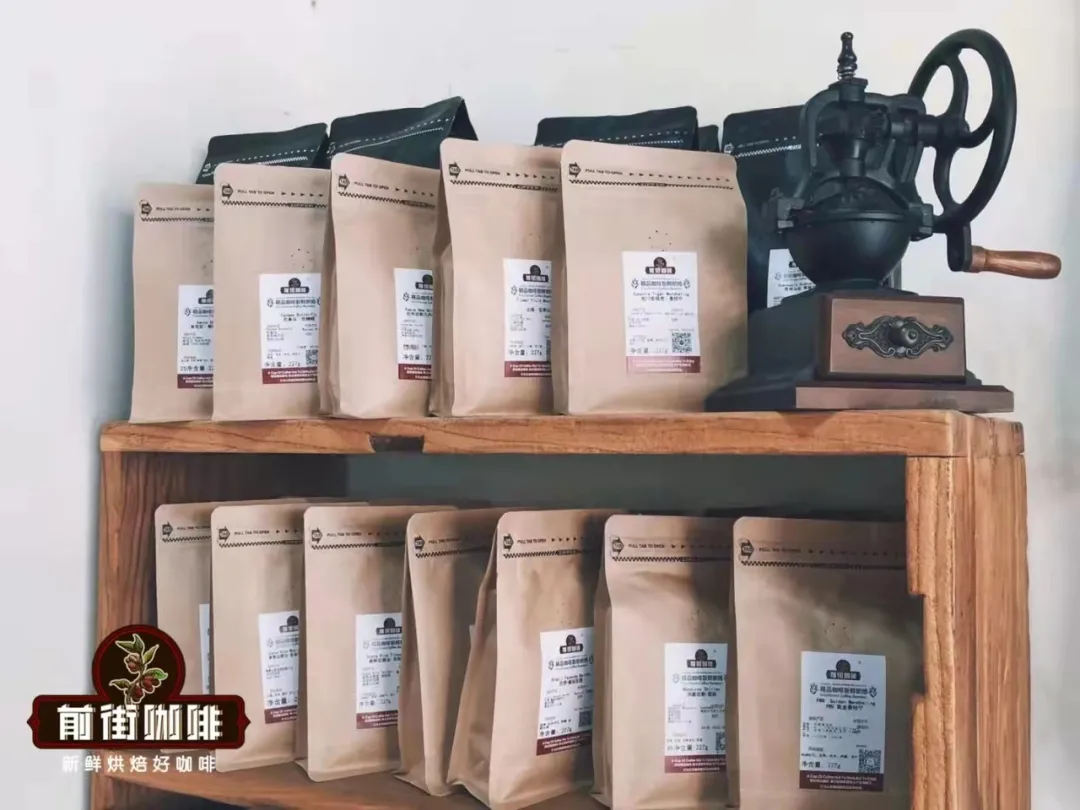
Kept above normal room temperature, coffee's aromatic compounds evaporate especially fast, and sun exposure invites fungal and bacterial growth that spoils the beans.
Anyone from the Lingnan region knows humidity all too well. When the "returning south" weather arrives, everything indoors turns damp, moldy, and spoiled—coffee beans included. Once they get damp, mold and spoilage follow quickly.

Oxidation is what happens when food meets oxygen head-on—the way a peeled apple or potato turns reddish-brown after sitting in the air. The reaction in coffee beans is far less visible, but constant oxygen contact shortens their flavor life dramatically.
That's why FrontStreet Coffee generally recommends leaving beans in their original packaging, stored somewhere cool and dry, and opening a bag only when you're ready to use it.

Q: Is it best to open the bag immediately and transfer the beans to a sealed container?
For beans whose bag is already open, a sealed container is indeed the best home—maximum flavor preservation. But for unopened packages, the original bag in a cool, dry place is the better option. Coffee bags come with one-way degassing valves that release pressure when it builds too high; sealed containers offer no such escape. What's more, the act of transferring beans into a container already exposes them to air and releases pressure, making the whole exercise somewhat redundant.
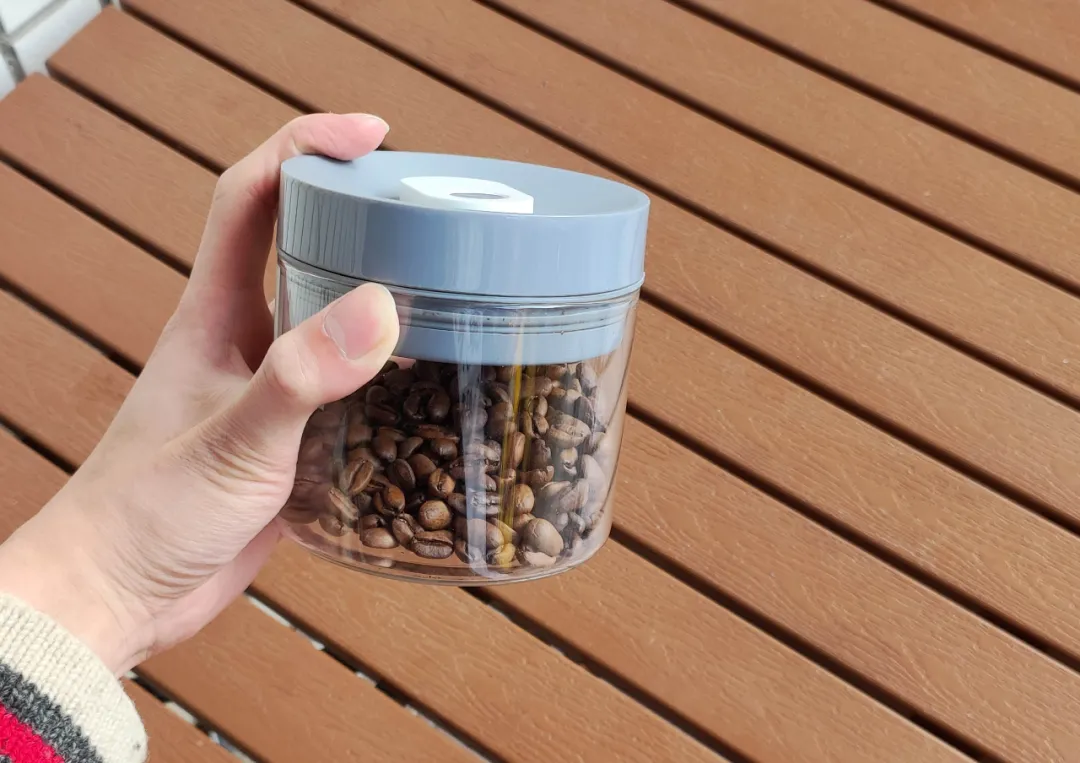
Open the bag and move the beans to a sealed container only once you're ready to start drinking.
Q: Is refrigeration or freezing the best storage method?
FrontStreet Coffee has read plenty of coffee storage guides, and refrigeration does genuinely slow oxidation. We've run our own experiments too, placing beans in the refrigerator compartment (5–15°C) and in the freezer (-20°C). There's no denying it: low-temperature storage effectively slows the oxidation of coffee and stretches its flavor life.
The catch is that achieving this comes with demanding conditions. Household refrigerators, after all, hold far more than coffee—fruit, leftovers, and beverages are all regular tenants. In that crowded environment, odors are inevitable, and once beans absorb them, the coffee is "ruined."

Then there's the thawing problem. In the refrigerator compartment the beans never get that cold, but if you grind and brew them straight out of the fridge, the brew temperature ends up lower than with room-temperature beans, and the cup comes up short on flavor.
Beans from the freezer need to thaw first, and thawing inevitably produces condensation—moisture drawn from the air—which means the beans get damp. If you can solve the problems FrontStreet Coffee has laid out, refrigerated storage can be a perfectly good choice.
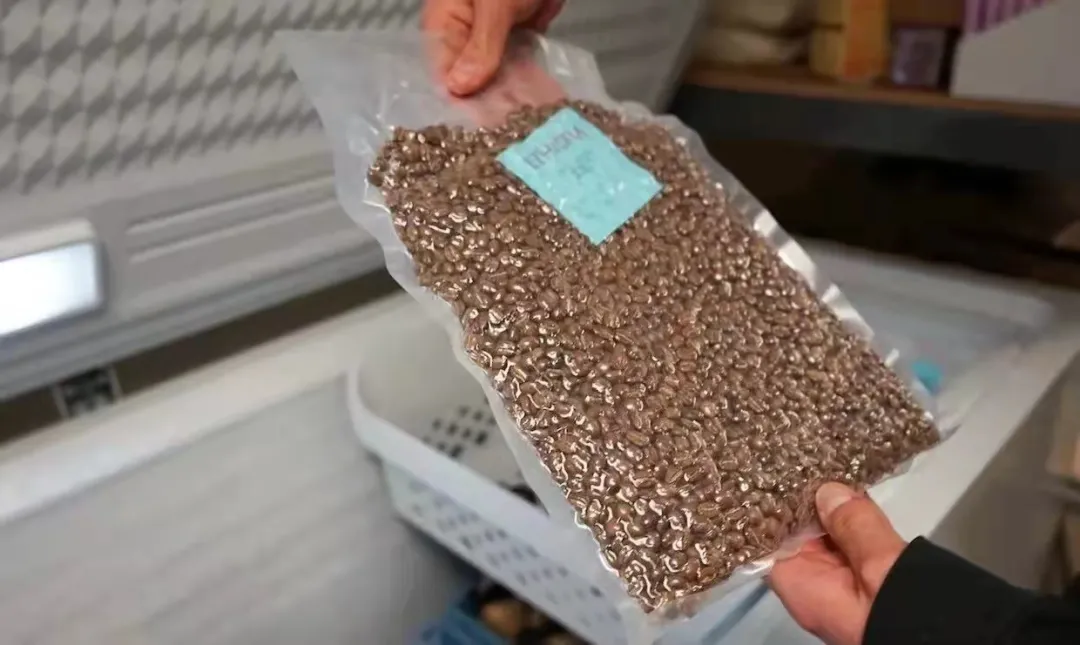
This kind of sealed, low-temperature storage offers more complete protection—but if you can't manage the conditions, keep the beans out of the refrigerator.
So for everyone stocking up before the New Year: just stick to the basics—cool, dry, and sealed.
FrontStreet Coffee Recommendation
Beans stored well deserve to be beans worth storing. For a reserve that stays delicious week after week, choose forgiving, crowd-pleasing roasts. The FrontStreet washed Yirgacheffe Worka Gedeb from Ethiopia keeps its jasmine florals, citrus brightness, and tea-like sweetness beautifully when sealed properly, making it a dependable pour-over staple.
For something sturdier, the FrontStreet PWN Golden Mandheling from Indonesia—wet-hulled the traditional Sumatran way—offers a thick, low-acid body with herbal notes, dark chocolate, and caramel sweetness that holds up admirably over time. And the FrontStreet Brazil Cerrado Red Bourbon, with its creamy peanut, toast, and caramel character, is equally versatile across pour-over, moka pot, and espresso—handy to have on hand when the deliveries pause and the cabinet is all you've got.
Whichever you choose, buy whole bean, keep the bags sealed until brewing day, and you'll taste the difference good storage makes.
Important Notice :
FrontStreet Coffee is a long-established specialty coffee roaster in Guangzhou China, selling freshly roasted beans from its own farm in Yunnan as well as dozens of carefully selected single-origin beans from around the world for both pour-over and espresso. The products deliver consistently excellent quality and great value, with shipping within 24 hours. Guangzhou's FrontStreet Coffee shop is recommended by many coffee lovers, and the beans are now available online at the Tmall 。
FrontStreet Coffee has moved to a new address:
FrontStreet Coffee Address: 315,Donghua East Road,GuangZhou
Tel:020 38364473
 Scan and follow the En Gafei WeChat official account. Please indicate that the reprint comes from "En Gafei".

