
How are Brazilian Coffee Beans Graded in Quality and Flavor? What's the Best Pour-Over Brazilian Coffee?
The Evolution of Coffee Culture in China
China's true coffee-drinking era is less than 40 years old, yet in that short span the country has moved through the Nestle and Maxwell House instant-coffee years, the UCC Island and Starbucks chain years, and now into the "third wave" of specialty coffee.
In barely a generation, a country opening up to reform has learned what coffee is, what freshly ground coffee is, and what good freshly ground coffee is. Through it all, someone has always been teaching us how to drink it. The enduring slogan "Nestle, it tastes excellent" drew people toward this Western "tea ceremony" and, at the same time, declared that drinking coffee was trendy and fashionable - pulling in the young main force of that era.

Then came the chain stores that focused on freshly ground coffee, UCC Island and Starbucks among them, and we moved closer to a real coffee flavor quite different from instant black coffee and 2+1 instant mixes. Today, in an age of information overload, anyone sitting at a computer can easily dig up production details from coffee's upstream sources. What people expect from coffee has shifted too: good beans, good roasting, and good brewing.
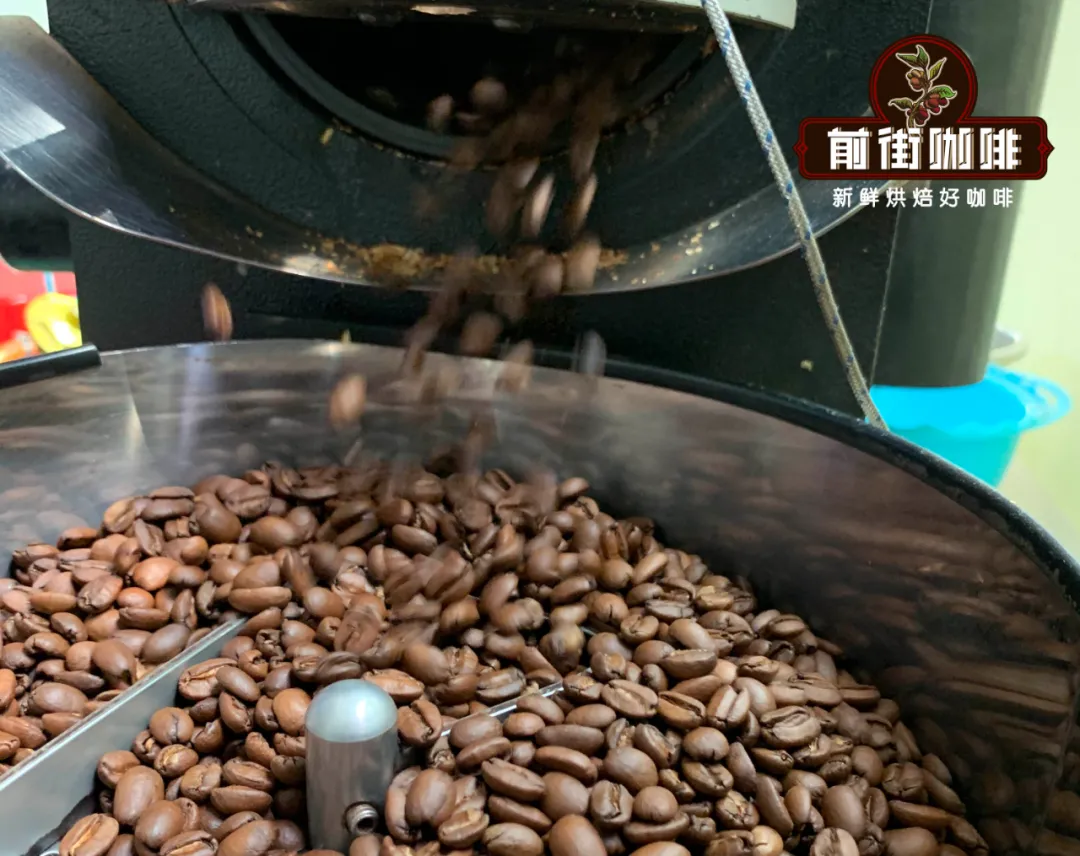
What Makes Good Coffee Beans?
Ask different people what makes a good coffee bean and you get different answers, generally split among price, flavor, and cupping score. General consumers carry a quiet assumption that higher price means better quality and lower price means poorer quality. That reminds FrontStreet Coffee of an interesting story.
"Over eight years in business, FrontStreet Coffee has naturally made friends, not always because of coffee. Joking among old friends is essential, and FrontStreet Coffee has always been happy to share coffee. So we prepared the same beans, rather ordinary ones, about 30 yuan per 100 g. First we served it as 'XX coffee,' priced around 30 yuan. Everyone said 'not bad,' 'quite good to drink,' 'this flavor is worth the price.' After an hour of pleasant conversation, we served a second round - the same beans, introduced this time as 'YY coffee,' priced around 100 yuan. Now the comments were 'this acidity feels quite comfortable,' 'the acidity is very bright,' 'the aftertaste is strong,' 'full of berry flavor.'"

The Influence of Price on Perception
Of course, that was just an amusing anecdote among old friends and proves nothing on its own. FrontStreet Coffee has not run a comprehensive survey, but the reality behind this random episode is that price does influence judgment. As for flavor and cupping scores, a body of professionals has already set standards for everyone. Take the widely applied SCA standards. Under them, a 350 g green coffee sample may show no deductions for Category 1 defects and must stay within 5 points of deductions for Category 2 defects. Beans are scored using the SCA cupping method, and those scoring 80 or above are classified as specialty, while those below 80 are commercial.
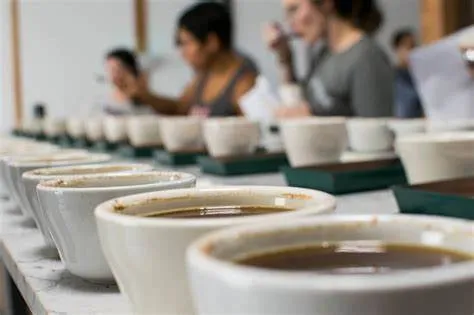
Score 79.75 and, sorry, you did not reach 80 - so it is a commercial bean. So how far apart are the flavors of a 79.75-point and an 80-point bean? If you have taken SCA green-coffee courses, you have probably heard that commercial beans are not bad beans; they simply perform rather ordinarily. But in reality commercial beans sell for far less than specialty beans, which brings us right back to the question of price.
Redefining Quality Beyond Price
FrontStreet Coffee believes the logic "the higher the price, the better the bean" is not wrong. What matters is understanding coffee pricing correctly: a lower price does not mean poorer quality, but the harder you chase high-quality beans, the higher the price goes. People don't think Brazilian coffee is especially good to drink, and its price isn't high either. Take FrontStreet Coffee's Brazilian daily bean: it sells for 25 yuan per 100 g, yet the beans used are already Brazil's top standard - grade NY.2, 18 mesh, with Good Cup cupping quality. The roasted beans consumers receive have also been sorted after roasting. In flavor terms it is simply ordinary coffee: balanced, plain, and simple. Inexpensive, yes, but still good coffee.
The True Value of Coffee
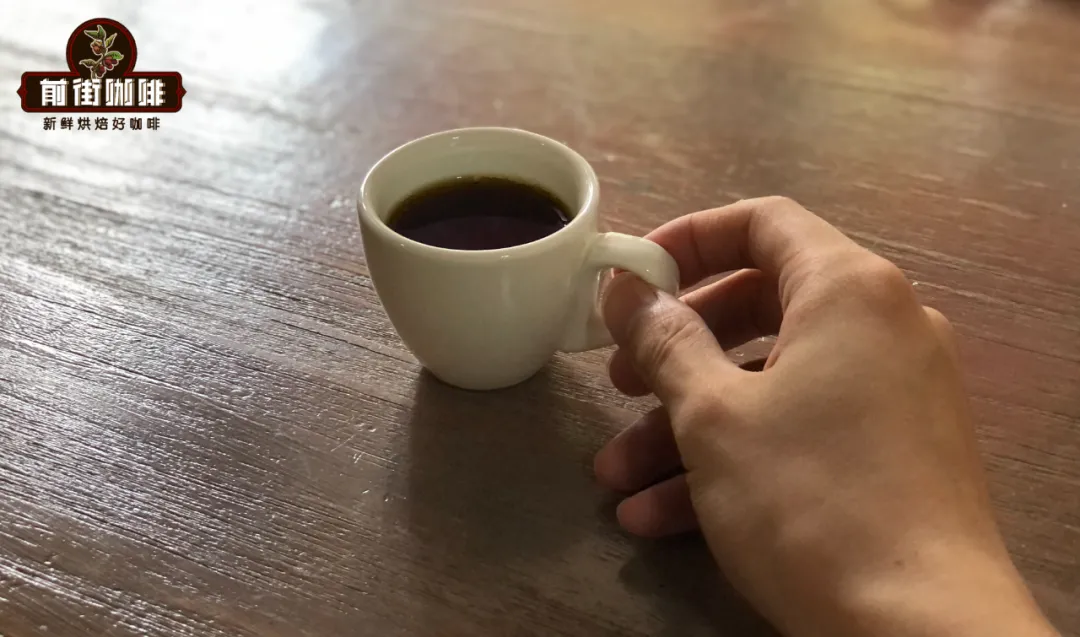
The worth of good coffee does not lie in a high price. Just as "you get what you pay for" is followed by "pay a little more and you get better value," enjoying an ordinary cup of Brazilian coffee on a certain morning can feel more comfortable than drinking an Emerald Red Label.
FrontStreet Coffee Recommendation
FrontStreet Coffee's Cerrado Red Bourbon is a textbook Brazilian single origin. Grown in the well-known Cerrado region and processed semi-washed, this Red Bourbon is medium roasted to bring out creamy peanut, toasted bread, caramel, and hazelnut aromas. The cup is round and smooth with low acidity and a gentle bitter finish, and it works beautifully as pour-over, moka pot, espresso SOE, siphon, or French press.
If you want something rarer, FrontStreet Coffee's Queen's Estate coffee comes from Mogiana, close to South Minas, where fertile red volcanic soil helps the cherries develop a full aroma. The variety is the uncommon Yellow Bourbon, a natural mutation of Red Bourbon with a cleaner fruit character. Through pour-over, moka pot, or a home espresso machine, it reveals a sugarcane-like sweetness found in few other origins, along with fruit and chocolate notes.
Brazil also anchors many of FrontStreet Coffee's espresso blends. The Classic Blend, Specialty Blend, and Black Cocoa Blend all include Brazilian beans, which contribute chocolate and cream aromas, a gentle sweet-sour-bitter balance, and stable extraction.
Important Notice :
FrontStreet Coffee is a long-established specialty coffee roaster in Guangzhou China, selling freshly roasted beans from its own farm in Yunnan as well as dozens of carefully selected single-origin beans from around the world for both pour-over and espresso. The products deliver consistently excellent quality and great value, with shipping within 24 hours. Guangzhou's FrontStreet Coffee shop is recommended by many coffee lovers, and the beans are now available online at the Tmall 。
FrontStreet Coffee has moved to a new address:
FrontStreet Coffee Address: 315,Donghua East Road,GuangZhou
Tel:020 38364473
 Scan and follow the En Gafei WeChat official account. Please indicate that the reprint comes from "En Gafei".

