
What's the Ideal Water Temperature for Pour-Over Coffee? Is Higher Temperature Better for Single-Origin Coffee?
FrontStreet Coffee's Pour-Over Coffee Water Temperature Recommendations
Ask FrontStreet Coffee about recommended water temperatures for pour-over, and the answer is 90–93°C for light roasts and 86–89°C for dark roasts.
"No, that's not right... the internet says..."

"Well, have you watched the World Brewers Cup? Plenty of competitors brew at 95–96°C. The 2018 champion alternated between 80°C and 95°C, and last year's champion alternated between 93°C and 88°C."

The Science Behind Water Temperature
Water temperature fundamentals matter. Here's an example from everyday life: instant drink mixes. Brewed with freshly boiled water, most of the powder dissolves almost instantly. Brewed with warm water, some dissolves but needs a spoon's stirring to finish the job. Brewed with cold water, even a spoon may not get everything into solution.
The lesson: water temperature governs dissolution rate—extraction efficiency. For refined substances like instant drink mixes (or instant coffee), quick, complete dissolution is the goal, so 100°C water is no problem at all.
Coffee beans, though, contain water-insoluble substances as well as good-tasting and bad-tasting compounds. To get a delicious cup, water temperature has to be adjusted thoughtfully so the undesirable flavors never leave the grounds.
Water Temperature Extraction Experiment
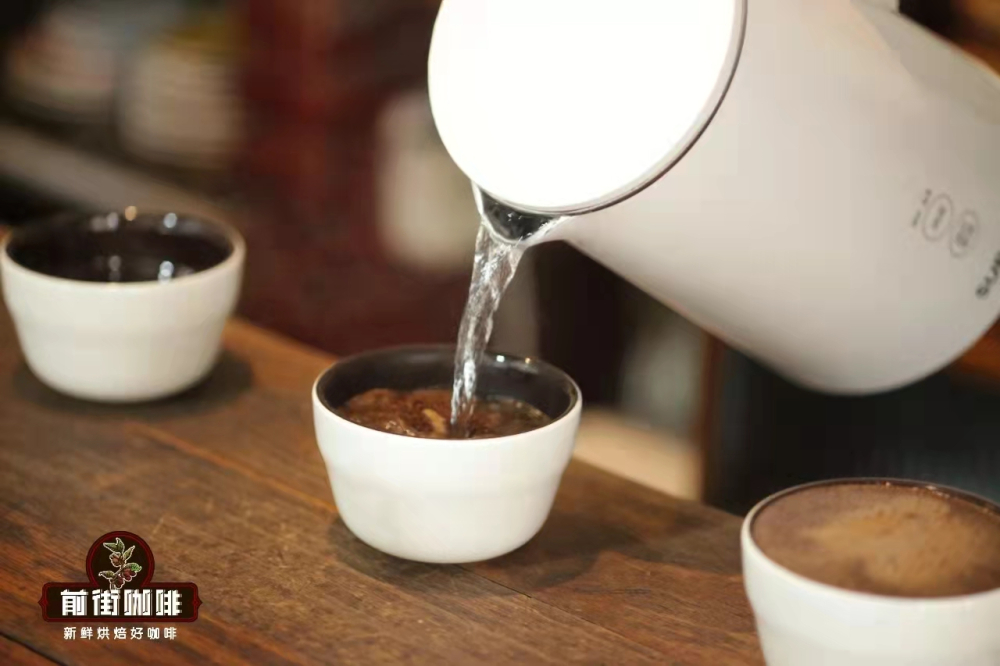
Looking purely at extraction efficiency, FrontStreet Coffee ran a cupping-style immersion comparison at 80°C, 94°C, and 100°C (immersion time: 4 minutes):
100°C group temperature change: from 30 seconds to 4 minutes, temperature fell from 91°C to 79.4°C;
94°C group temperature change: from 30 seconds to 4 minutes, temperature fell from 87°C to 75.3°C;
80°C group temperature change: from 30 seconds to 4 minutes, temperature fell from 75.3°C to 65.2°C.
Tasting Results Analysis
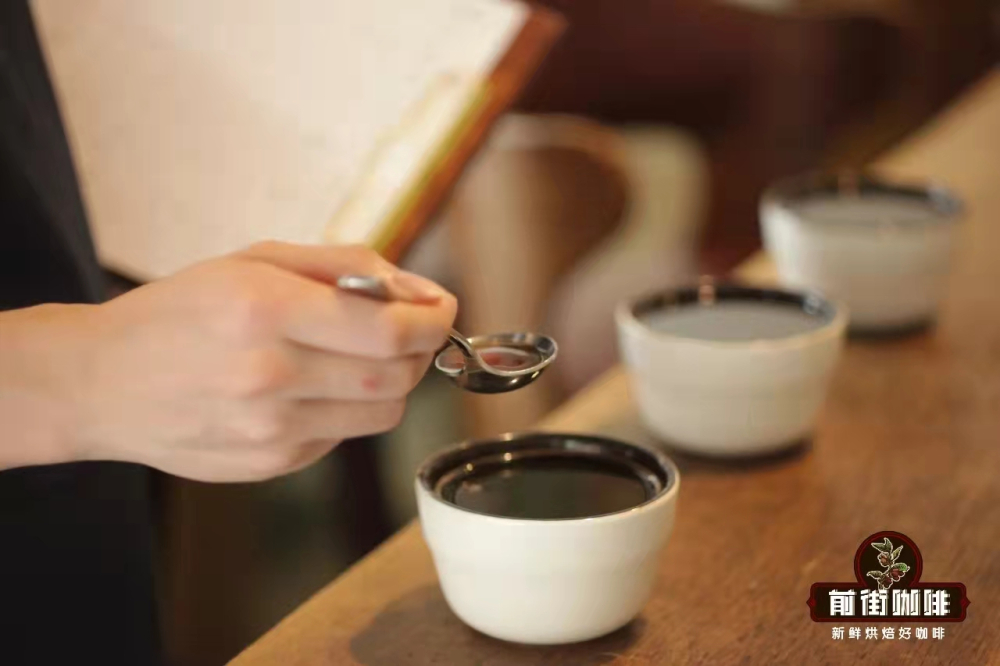
At tasting, the 100°C group showed very bright fruit acidity, substantial texture, and rich floral and fruity aromas at the 5-minute mark; unpleasant bitterness and muddled flavors only appeared at 20 minutes.
The 94°C group behaved similarly, with slightly less flavor at 5 minutes—substantial texture only arriving at 6 minutes, its fruit-like sweet-and-sour profile turning steadier. Slight muddled sensations didn't appear until 30 minutes.
The 80°C group was very light between 5 and 9 minutes, showing faint fruit sweetness and a thin texture. At 10 minutes a smooth, thick fruit sweetness emerged with a hint of sugarcane, and no obvious muddled flavors appeared even after 30 minutes.
Key Findings from the Experiment
The takeaway from this immersion experiment—with grind size fixed and temperature as the only variable—is that higher water temperatures put more aromatic material into the cup, while lower water temperatures produce a steadier, more stable expression.
Bear in mind, though, that cupping immersion differs from pour-over: all the water goes in at once, a large surface sits exposed to air, so the actual extraction temperature drops well below the starting point. And in immersion, the grounds stay still and release slowly, which is why immersion needs more time than percolation.
Pour-Over Water Temperature Comparison
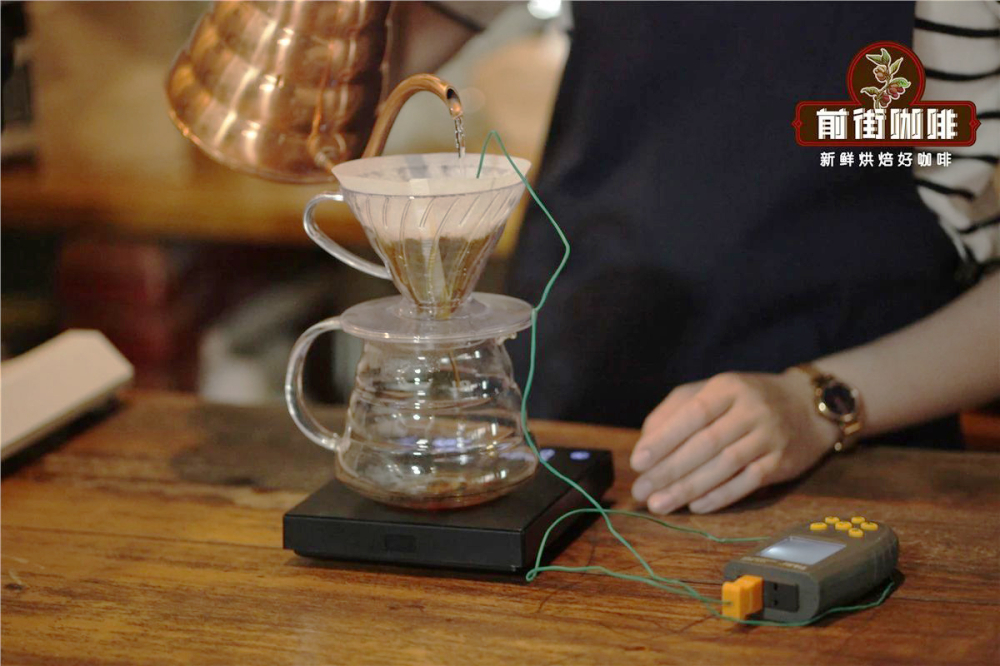
Now compare pour-over. Using FrontStreet Coffee's earlier pour-over temperature experiment—brewing with 90°C and 93°C water and logging the temperature inside the coffee bed with a thermometer:
When brewing with 90°C water, the actual water temperature doing the extracting sits between 84.5–86°C.
When brewing with 93°C water, the actual extraction temperature sits between 85–88°C.
Temperature Difference Analysis
Put the two side by side: although the starting temperatures differ by 3°C, the actual extraction temperatures differ by less than 3°C. The gap narrows—but with grind size and technique held constant, tasting can still clearly tell them apart.
Pour-over involves continuous pouring, so heat is retained better than in immersion. The water stream itself also acts like a stirring spoon, constantly agitating the grounds and adding another variable that boosts extraction efficiency.
FrontStreet Coffee's Conservative Approach
Why, then, is FrontStreet Coffee's recommended temperature range so narrow? Because much of our audience is still learning pour-over and hasn't yet grasped how the parameters interact. Conservative parameters raise the probability of pulling a consistently good-tasting cup—fewer ways to go wrong, simply put.
Competition Parameters vs. Home Brewing
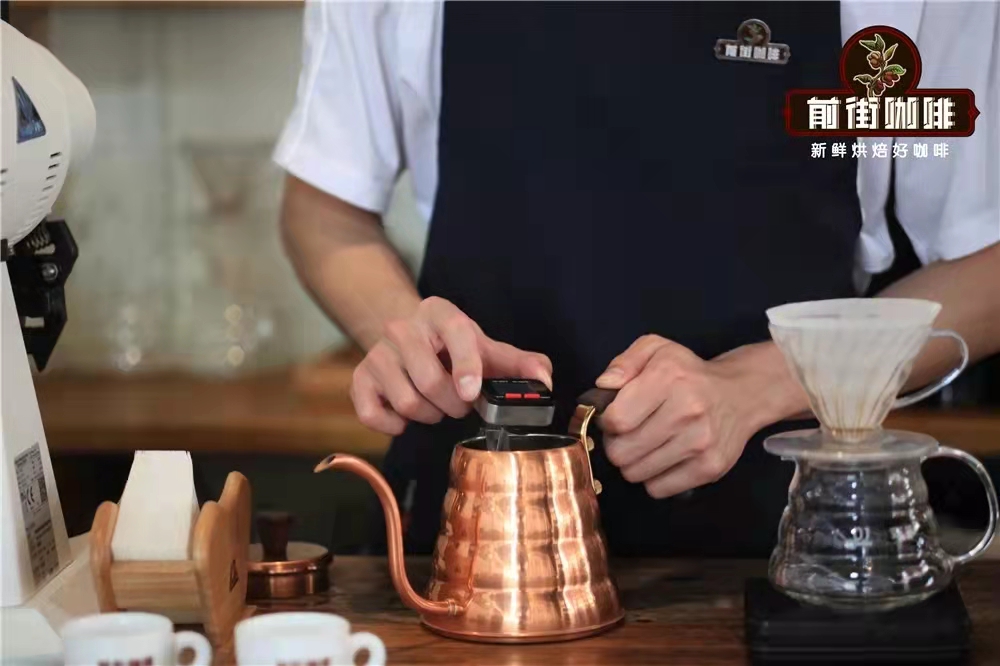
As for competition parameters: with a sound brewing plan, 96°C water can extract richer sweet aromatics. But you have to ask whether your beans are as outstanding as a competitor's, whether they can take high-temperature extraction, and whether your grind matches theirs—grind size being the hardest parameter to nail down.
Conclusion
Understanding water temperature is indispensable to brewing coffee. If your cup doesn't taste good, it isn't necessarily your technique—it might be the water temperature, it might be the grind, or it might well be...
FrontStreet Coffee Recommendation
The right water temperature only matters if the beans deserve it. For light roasts brewed at 90–93°C, the FrontStreet washed Worka Gedeb from Yirgacheffe is a textbook match—jasmine florals, bright citrus acidity, and berry tones with a green-tea finish—and the natural Huakui from Ethiopia rewards warm water with strawberry, passion fruit, jackfruit, and honeyed sweetness at very low bitterness. Both are ideal first steps into specialty pour-over.
If your tastes run to darker roasts at 86–89°C, the FrontStreet PWN Golden Mandheling—wet-hulled in the Sumatran tradition—delivers a thick, low-acid body with herbs, dark chocolate, and caramel, while the FrontStreet Brazil Queen Estate Yellow Bourbon brings creamy peanut, chocolate, toast, and sugarcane sweetness in a smooth, balanced cup that handles pour-over, moka pot, and espresso alike.
Start with 90–91°C and a 1:15 ratio, grind to fine granulated sugar, adjust one variable at a time—and let the beans do the talking.
Important Notice :
FrontStreet Coffee is a long-established specialty coffee roaster in Guangzhou China, selling freshly roasted beans from its own farm in Yunnan as well as dozens of carefully selected single-origin beans from around the world for both pour-over and espresso. The products deliver consistently excellent quality and great value, with shipping within 24 hours. Guangzhou's FrontStreet Coffee shop is recommended by many coffee lovers, and the beans are now available online at the Tmall 。
FrontStreet Coffee has moved to a new address:
FrontStreet Coffee Address: 315,Donghua East Road,GuangZhou
Tel:020 38364473
 Scan and follow the En Gafei WeChat official account. Please indicate that the reprint comes from "En Gafei".

