Is Luckin Coffee's Guji 5.0 Coffee Bean Authentic? Can Luckin Monopolize the Market by Purchasing Guji Coffee Beans?
The Luckin Coffee and Guji Coffee Bean Controversy
When Luckin Coffee announced that it would buy more than 80 tons of Guji coffee beans at origin in the first quarter of 2022 and launch an SOE Guji 5.0 series nationwide, coffee professionals and home brewers alike pushed back hard. Anyone reading the news probably reacted the same way as the barista in the video that was going around.
The Difficulty of Making a Quality SOE Espresso
Watching that video would raise any barista's blood pressure. The barista pulled espresso from lightly roasted specialty beans, and the customer poured it straight into a glass of ice, added a little milk and cream, and drank it. From the perspective of a barista or a specialty coffee fan, that is genuinely painful to watch. Why?

Making a delicious SOE (single origin espresso) is already hard enough. Extracting a lightly roasted bean into an SOE without harsh acidity, astringency, or eye-watering sourness is close to impossible.
Light roasting exists to preserve more flavor and acidity in the bean. In pour-over, that extra acidity makes the coffee refreshing; in espresso, it easily throws the flavor out of balance. The whole point of SOE is to change the public's idea that "espresso is just bitter" - to let people taste clean acidity and clear flavor layers without any unpleasant mouthfeel.
Pulling a perfect light-roast SOE takes more than good green beans. It calls for custom roasting approaches and daily monitoring of how the roasted beans are behaving, and it demands that baristas understand the coffee and build an extraction strategy, adjusting day by day, so the final shot has distinct, clear layers with acidity, sweetness, and crema in balance.
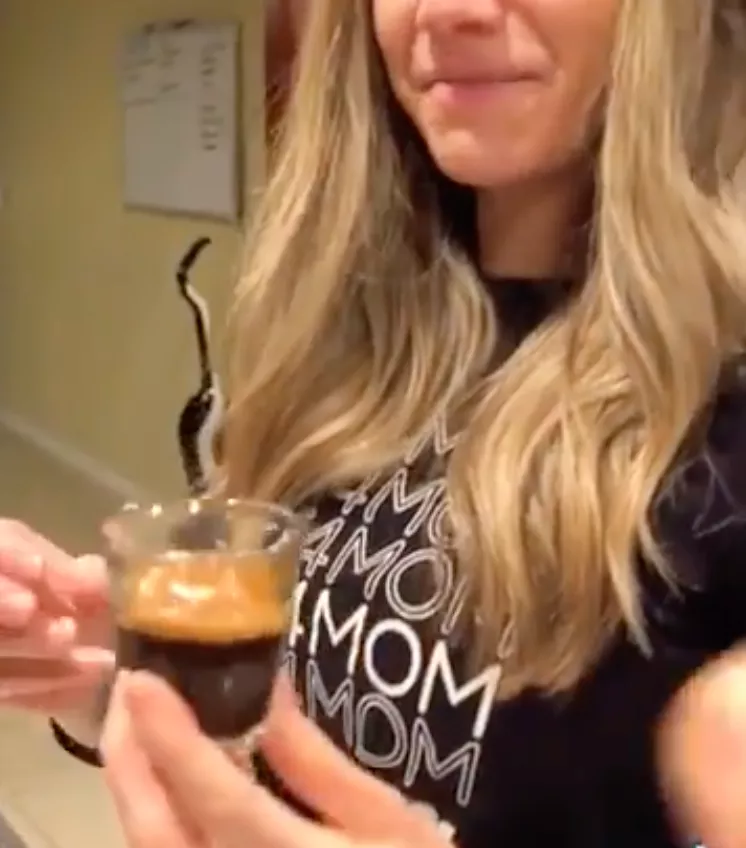
For a barista, every successful SOE represents real effort. So when a customer receives that SOE and immediately adds sugar, milk, or cream without tasting it first, it stings. Of course, the customer paid for the coffee and can drink it however they like; as baristas, we have no right to interfere. Still, biting your tongue while holding back tears becomes inevitable.

The Industry's Perspective on Luckin's Approach
Why did professionals object to Luckin using Guji beans for SOE and rolling it out nationwide? To guarantee consistent SOE quality across more than 5,000 stores, Luckin chose to roast the Guji beans darker, reducing their natural acidity and flavor and minimizing store-to-store variation, rather than training baristas on the character of SOE and how to extract it well. But Guji beans are prized precisely for their berry-like sweet-sour character and juicy body. To industry professionals and specialty fans, that dark roast is nothing short of sacrilege.
The remark by Li Guoqing in the video - "If you're running a chain, using blend beans would be fine. Other chains don't bother with specialty beans. Why are you doing this? Trying to disrupt the market? Who can even tell the difference!" - comes from the same place: if Luckin chose Guji 5.0 for its SOE, it should showcase the flavor of Guji 5.0 in that product. To promote specialty coffee culture, you need to show consumers, through the final cup, the difference between single-origin specialty coffee and espresso made from blends - not dark-roast specialty beans, extract them in the same casual way, and leave customers unable to taste the difference while paying more.
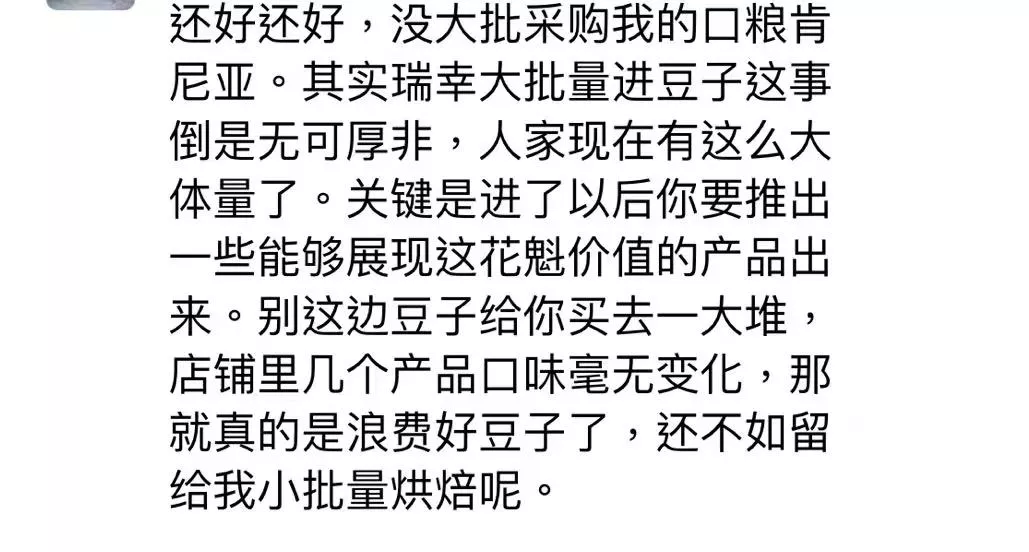
A Broader Perspective on Market Impact
But does Luckin really not deserve to use Guji beans? Clearly it does. They bought the beans fair and square, without coercion or theft, so they can do as they please. Whether the intent is to genuinely promote specialty coffee culture or to draw attention through the popular Guji 5.0 name, buying at a reasonable price puts income in farmers' hands, helping them cultivate and process more scientifically and ultimately produce better coffee. Is that really worth armchair criticism?
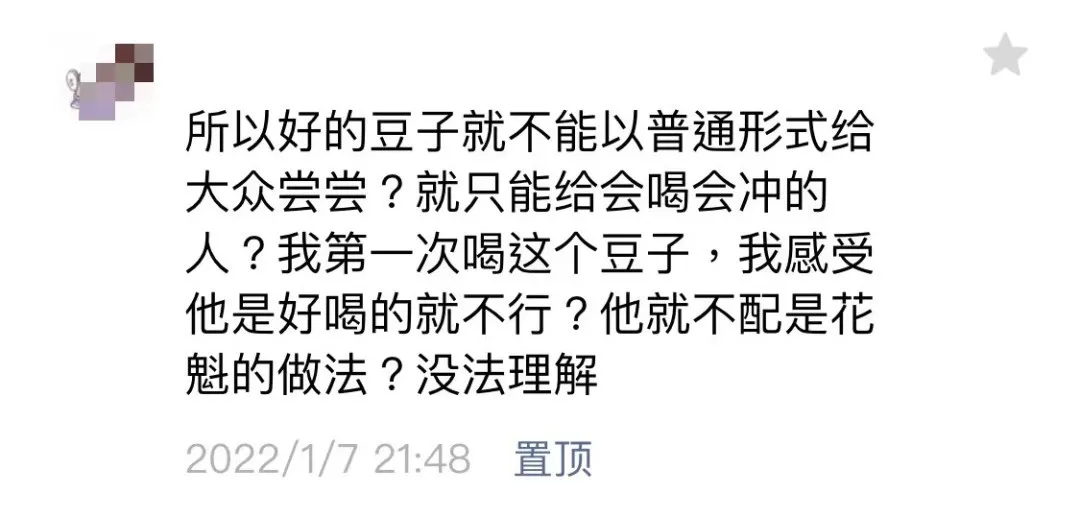

By acquiring quality beans and selling them at lower prices - flavor aside - this approach does raise public awareness of "specialty coffee" as a concept, moving people beyond simply knowing the difference between instant and fresh-ground coffee. For the entire coffee market chain, that is a good thing. It is more useful than debating whether Luckin wastes beans or is trying to monopolize the market and drive prices up.
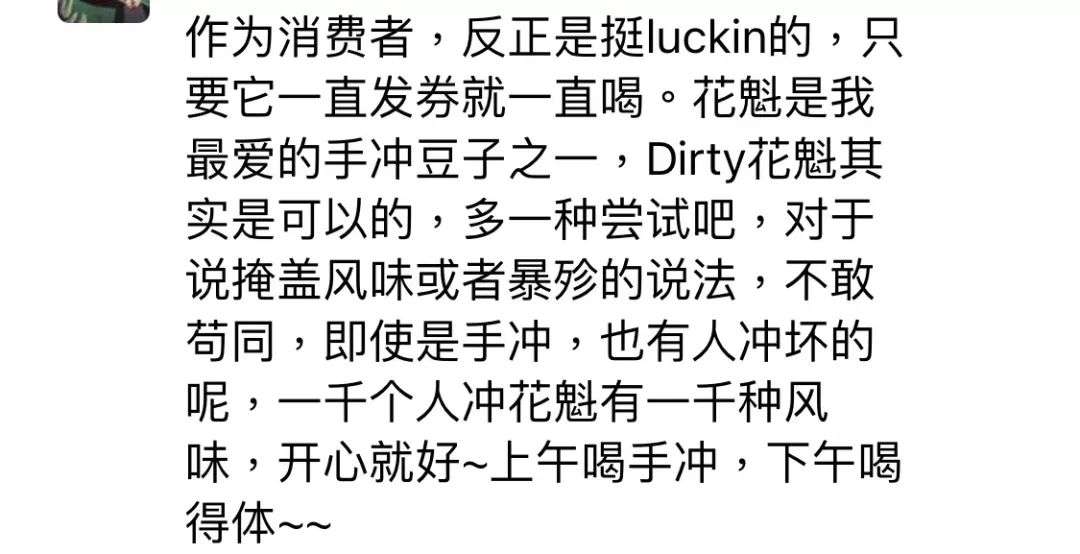
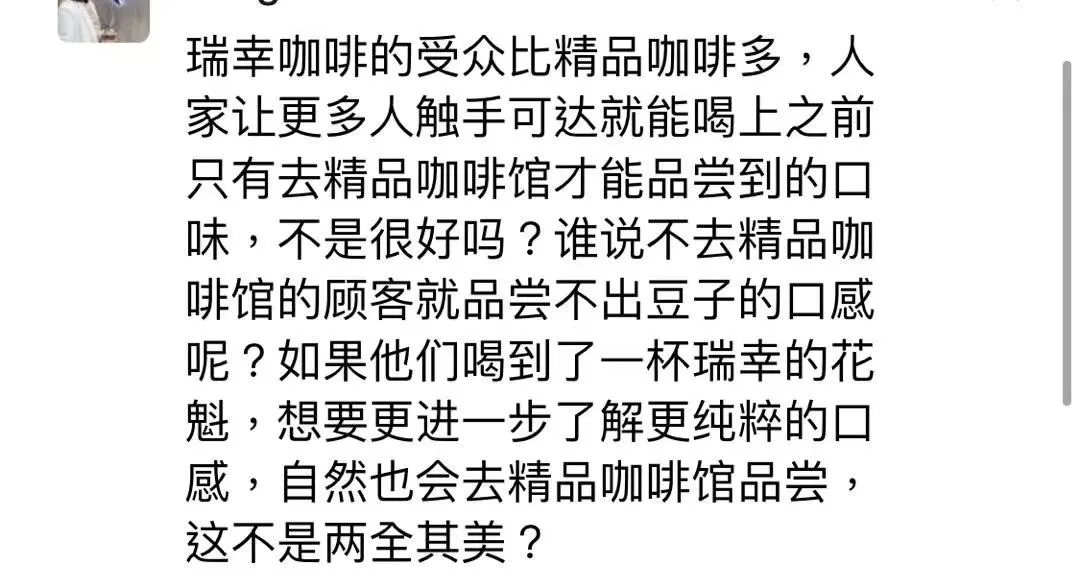
The world is vast and there is much to do. Staying stuck in a narrow view and picking apart others' shortcomings is hardly honorable. If you think Luckin's approach is unreasonable, take action to change it rather than standing behind the scenes stirring up opinion. The rising price of Guji beans has little to do with Luckin - Luckin buys directly at origin, while regular coffee shops can only buy from domestic green bean suppliers. Guji's annual production is limited, and this 1,000-plus tons serve the whole world, not just China.

In our view, Luckin using quality beans for espresso is somewhat wasteful, but it hardly amounts to monopolization. Taking 80 tons out of 1,000-plus tons is just 8 percent - how could that create a monopoly? Obviously it cannot. Guji beans are expensive because other domestic suppliers import only small quantities. The fix for high prices is simple: increase import volume and prices will naturally fall. And even if all 1,000-plus tons of Guji were bought up, Africa would still have excellent beans to offer - Guji is not the only option.
Sources and References
First original video: TikTok (chefauthorized)
Content provider: Weibo (Huangpu Chunma)
Image sources: Internet, video screenshots, Coffee Workroom comment section screenshots
FrontStreet Coffee Recommendation
If Guji's berry-sweet, juicy character is what appeals to you, FrontStreet Coffee's Sun-Dried Huakui is the same story told properly. Grown in Hambella, Guji, at high altitude and dried with the fruit still on the bean, it develops pronounced tropical aromas - strawberry, passion fruit, jackfruit, even lychee - with low bitterness and a smooth, juice-like body. It is the bean that convinces a lot of doubters that coffee does not have to be bitter.
For a cleaner, more classic Ethiopian profile, try FrontStreet Coffee's Washed Yirgacheffe. Bright citrus and berry acidity meet jasmine florals and a green tea finish, light and elegant on the palate. If you want to compare how processing shapes a bean, tasting these two side by side is a great exercise.
For a single-origin espresso that actually shows its origin, FrontStreet Coffee's Sidamo Sun-Dried Hamasho is a strong pick. A 74158 selection from the Hamasho station, it offers perfume-like lemon, strawberry, and star fruit sweetness up front, with delicate florals emerging in the finish.
Important Notice :
FrontStreet Coffee is a long-established specialty coffee roaster in Guangzhou China, selling freshly roasted beans from its own farm in Yunnan as well as dozens of carefully selected single-origin beans from around the world for both pour-over and espresso. The products deliver consistently excellent quality and great value, with shipping within 24 hours. Guangzhou's FrontStreet Coffee shop is recommended by many coffee lovers, and the beans are now available online at the Tmall 。
FrontStreet Coffee has moved to a new address:
FrontStreet Coffee Address: 315,Donghua East Road,GuangZhou
Tel:020 38364473
 Scan and follow the En Gafei WeChat official account. Please indicate that the reprint comes from "En Gafei".