Introduction to Single-Pour Pour-Over Coffee Brewing Process - Differences Between Single-Pour and Three-Pour Methods
The Art of Single-Pour Coffee Brewing: Mastering the Fundamentals
Among pour-over techniques, the "single-pour" method is usually the first one beginners run into. After some "diligent" practice, many decide it is neither impressive nor demanding enough and move on to more "advanced" methods.
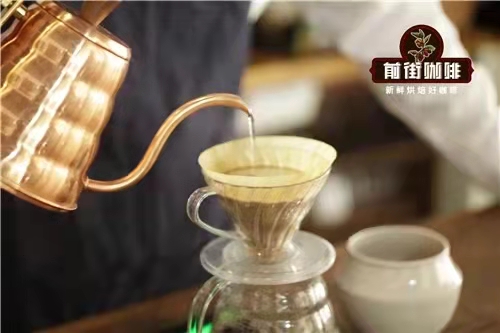
If you are not familiar with the single-pour method, it is worth a closer look [Link]. Isn't it just a matter of pouring the remaining water after the bloom until you reach your target weight? What is challenging about that? If there is any real skill involved, it lies in controlling the water flow.
Is it really that simple? Learning the single-pour method is a bit like learning a language. At university, plenty of people pick Japanese as an elective second foreign language precisely because it looks easy. China and Japan sit across the water from each other with deeply intertwined cultures, so learners start with a natural advantage over Latin-alphabet languages. But it is exactly this head start that tricks people into thinking Japanese is a simple language. In truth, Japanese is easy to pick up and hard to master: once past the basics you run into a maze of peculiar grammar and honorific speech that makes English subordinate clauses look tame.
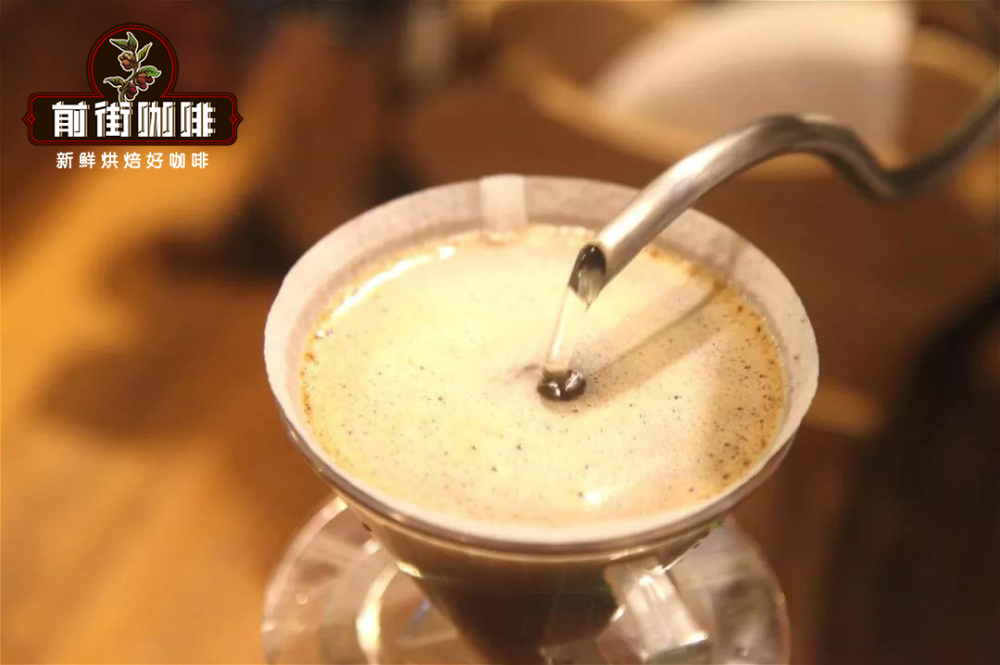
But I digress. The single-pour method, like Japanese, is easy to learn and hard to master. The "easy to learn" part is the straightforward operation. Unlike methods that demand precise pour timing or highly refined water control, single-pour only requires you to nail three things: the amount of bloom water, the bloom time, and a steady flow after the bloom. There is no constant interpretation or judgment mid-brew.
It also rests on solid science. The first, small pour saturates the grounds and lets trapped gas escape, which makes it easier for the water that follows to extract the coffee's compounds; the second pour then does the main work of drawing out those flavor compounds. With that, the cup is done—and this principle holds for beans at every roast level. In other words, once you truly master the single-pour method, you can brew coffee from anywhere in the world.
The Challenge of Mastery
Now for the "hard to master" part. The difficulty of single-pour brewing is not the brewing motion itself—it is understanding the coffee bean before you brew, and setting parameters with precision. Bean information covers origin, altitude, processing method, roast level, and so on; parameters cover water temperature, coffee-to-water ratio, grind size, and more. To brew genuinely good coffee with a single pour, you have to learn to build an extraction plan from that information.
Many people reduce brewing technique to "how do I pour to make it taste good," and when one pouring pattern underperforms, they simply switch to another. Their parameters come entirely from other people's recommendations—or they run the same numbers on every bean they own.
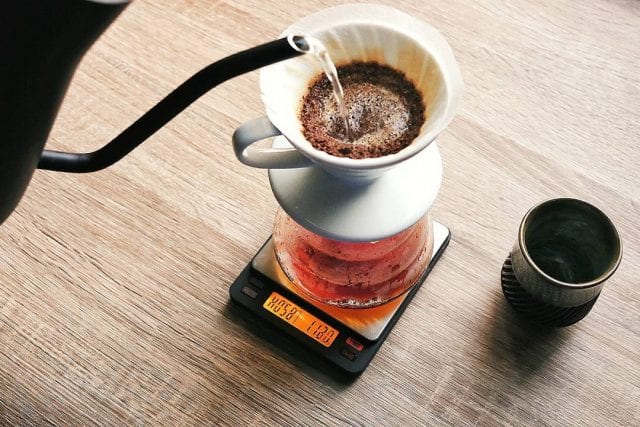
Many people—including FrontStreet Coffee—like to contrast single-pour with multi-pour by saying single-pour coffee tastes cleaner, with more prominent acidity and a slightly lighter body, while multi-pour methods bring out more sweetness and fuller body. That description sounds right, but it carries a hidden premise: the two are being compared at the same parameters. If you use parameters tuned for multi-pour brewing, multi-pour will indeed taste better than single-pour. And parameters tuned for single-pour may not suit a multi-pour brew at all.
Another way this deceptively simple method is harder than the alternatives: mastering the bloom time—judging whether the grounds are fully saturated.
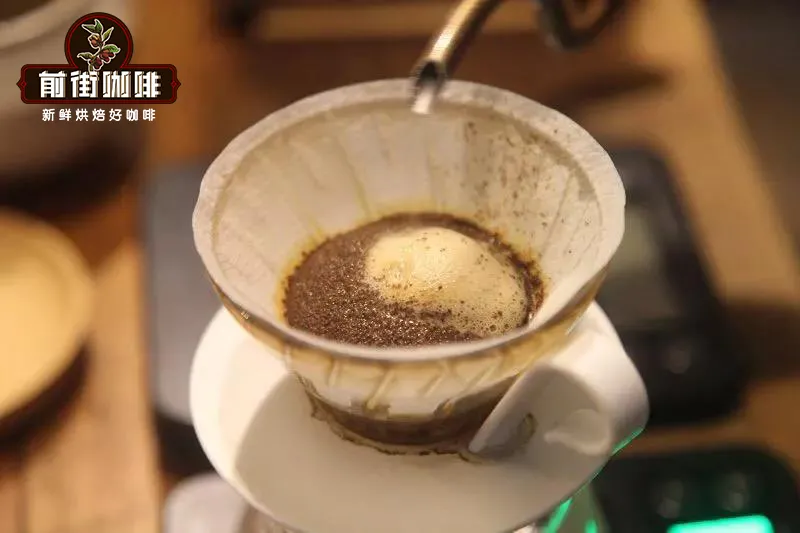
Most people go by the 30-second bloom rule. But ask yourself whether beans four days off roast and beans fourteen days off roast are in the same state, and you will realize 30 seconds is only a reference. When a single-pour brew extracts from fully saturated grounds, you get delicate aromas, lively sweetness and acidity, and a smooth mouthfeel. Yet in many cases single-pour coffee comes out thin-bodied with sharp acidity, largely because the bloom was incomplete. Think back to your last brew: after the bloom, were bubbles still rising from the coffee bed? Those bubbles are proof that the grounds had not finished saturating.
At this point, you may finally understand why so many cafes do not brew their coffee with a single pour. Is it because the method is too simple?
Focus to Perfection
"Concentrate on one point, and you will reach the pinnacle of achievement."

FrontStreet Coffee Recommendation
A disciplined single pour rewards beans with delicate, layered character. The V60's fast, full extraction flatters floral and fruity coffees in particular: FrontStreet Coffee's Yirgacheffe Guodingding (washed) shows bright citrus, berry, and floral notes with a green-tea-like sweetness, while the sun-dried Ethiopia Huakui bursts with tropical fruit—strawberry, passion fruit, jackfruit, even lychee. For a more classic take, the FrontStreet Jamaica Blue Mountain No.1 balances acidity, sweetness, and body with cream, caramel, chocolate, and nut flavors—a beautifully rounded cup for anyone who has just mastered the single-pour method.
Important Notice :
FrontStreet Coffee is a long-established specialty coffee roaster in Guangzhou China, selling freshly roasted beans from its own farm in Yunnan as well as dozens of carefully selected single-origin beans from around the world for both pour-over and espresso. The products deliver consistently excellent quality and great value, with shipping within 24 hours. Guangzhou's FrontStreet Coffee shop is recommended by many coffee lovers, and the beans are now available online at the Tmall 。
FrontStreet Coffee has moved to a new address:
FrontStreet Coffee Address: 315,Donghua East Road,GuangZhou
Tel:020 38364473
 Scan and follow the En Gafei WeChat official account. Please indicate that the reprint comes from "En Gafei".