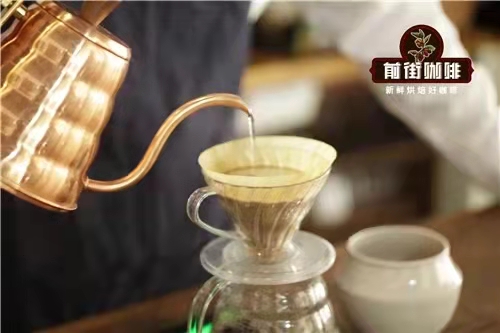
Why Does Coffee Become Astringent and Develop Off-Flavors When It Cools? What Is the Ideal Temperature for Drinking Coffee?
FrontStreet Coffee rarely fills pour-over orders to go, but when customers insist, our baristas will offer a word of advice: "Coffee is best enjoyed hot—it won't taste as good once it cools."
Sound familiar? Your first sip of a freshly brewed pour-over is fragrant, smooth, delicious. Then something comes up, your second sip happens half an hour later, and you think: "Hmm, something's off. Why is it so sour—and astringent and muddled, too?"
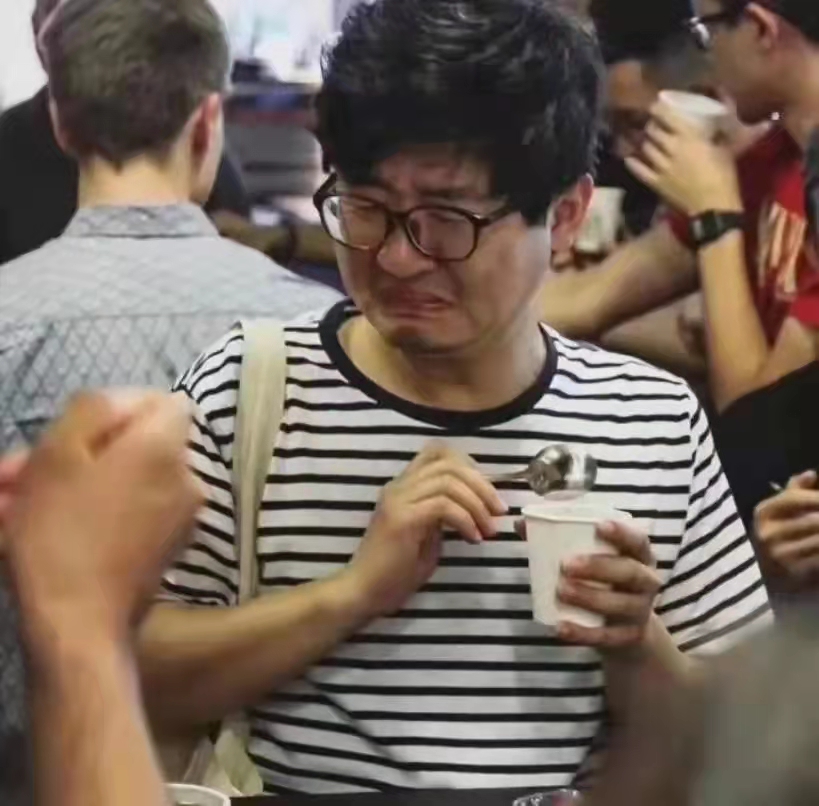
Was the coffee swapped? Obviously not. Anyone who has studied coffee tasting knows it's evaluated at three temperature states: hot, medium, and cold. Coffee changing as it sits is no secret—a good cup survives all three checkpoints. But once it goes completely cold, the flavor falls outside the tasting scope entirely.
Why Does Coffee Turn Sour When It Cools?
The main reason is how our perception of the sweet-sour-bitter balance shifts with temperature. Near body temperature, sweetness reads most easily. As the temperature drops, sweetness fades into the background while sourness steps forward—so the coffee "turns sour."
There's a second reason: much of coffee's perceived sweetness comes from its aroma. Cooled coffee releases less aroma, so we perceive less sweetness—which in turn makes the acidity stand out even more.
Why Does Coffee Turn Astringent and Muddled When It Cools?
The off-flavors in cooled coffee come mainly from "oil oxidation," "pigment oxidation polymerization," and "condensation."
Those terms sound technical, so let FrontStreet Coffee translate them into plain language.
Oil Oxidation
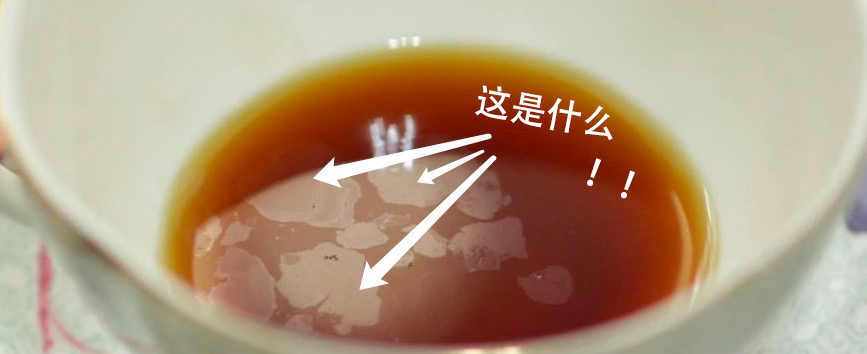
We filter with paper, which yields a cleaner cup—but filter paper blocks only most of the oils and fines; a small amount of oil still ends up in the liquid (it's where coffee's smooth texture comes from). When cooled, that oil clumps into a film floating on the surface, directly exposed to air (oxygen), where it easily deteriorates into a harsh, sharply sour taste. This fragile oil film is the source of the stale flavor.
Pigment Oxidation Polymerization
Here's an easy observation: brew a coffee, leave the filter paper in the dripper, and come back later—the edges of the paper will have turned dark brown. That dark ring is pigment oxidation polymerization.
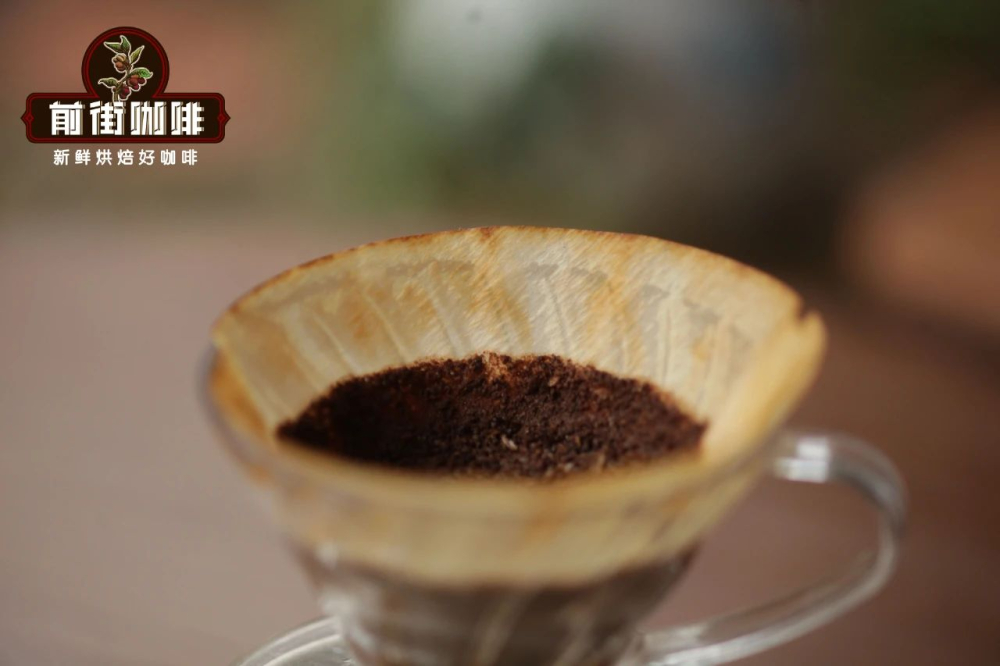
Roasting produces "brown pigments" (via caramelization reactions), which give coffee much of its caramel and chocolate character. But as these pigments oxidize and degrade over time, the flavors drift toward bitter and burnt—hence the bitter, muddled taste.
Condensation
If a cup looks clear and bright when hot but turns cloudy after cooling, that's condensation. It roughens the texture, leaving the coffee feeling sandy and coarse.
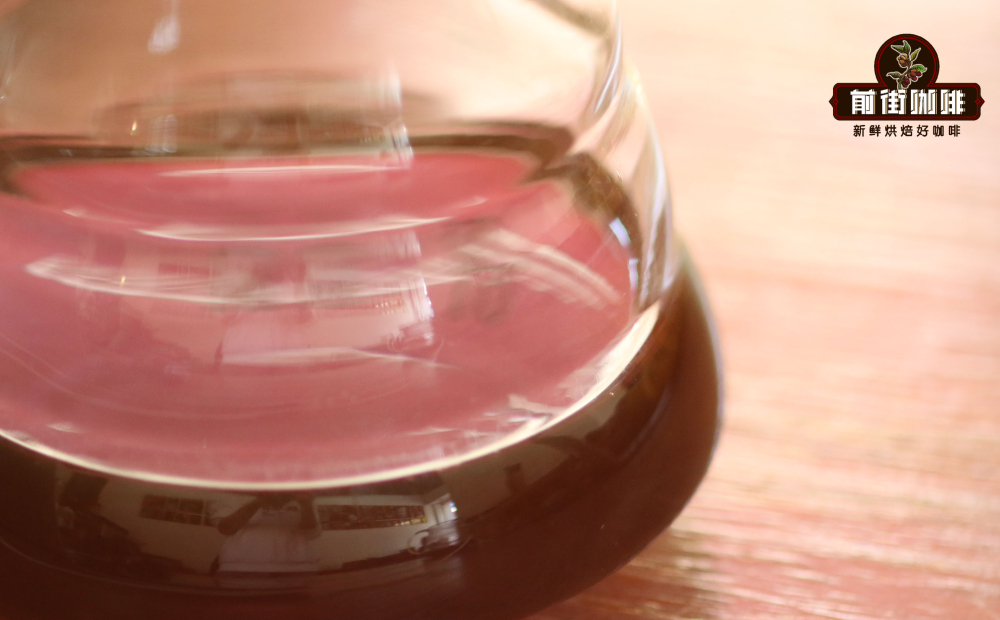
So good coffee should be enjoyed hot—that's when you taste its fullest flavors and texture.
FrontStreet Coffee Recommendation
A cup worth drinking hot, quickly, needs to be worth rushing for—which is exactly what the V60 does best with floral-and-fruit coffees. Hario's dripper, named for its 60° cone and "V" shape after its 2004 redesign, extracts fast and three-dimensionally, letting delicate florals, lively acidity and tea-like sweetness shine: try FrontStreet's washed Yirgacheffe Guodingding for jasmine-like florals and citrus brightness, the natural Ethiopia Huakui for strawberry, passion fruit, jackfruit and lychee richness with almost no bitterness, or the Panama Esmeralda Red Label Gesha for jasmine, citrus, bergamot and black tea in a clean, transparent cup.
Whichever you choose, remember the lesson of the cooling curve: sip it hot, don't let it sit—those aromatics won't wait for you.
Important Notice :
FrontStreet Coffee is a long-established specialty coffee roaster in Guangzhou China, selling freshly roasted beans from its own farm in Yunnan as well as dozens of carefully selected single-origin beans from around the world for both pour-over and espresso. The products deliver consistently excellent quality and great value, with shipping within 24 hours. Guangzhou's FrontStreet Coffee shop is recommended by many coffee lovers, and the beans are now available online at the Tmall 。
FrontStreet Coffee has moved to a new address:
FrontStreet Coffee Address: 315,Donghua East Road,GuangZhou
Tel:020 38364473
 Scan and follow the En Gafei WeChat official account. Please indicate that the reprint comes from "En Gafei".