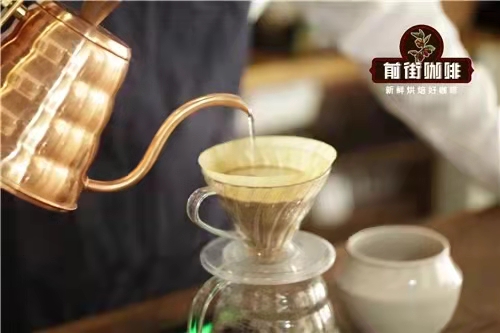
How to Improve Pour-Over Coffee's Body and Texture? What Does Coffee Body Mean?
These days, flavor is the yardstick most people use to judge a good cup of coffee, and bean labels get picked apart for their tasting notes. FrontStreet Coffee's take: "Flavor matters, of course — but don't overlook the Body!"
Body?
You may have first met "coffee Body" through a chat with a barista, in a coffee book, or from a fellow enthusiast... In Chinese it roughly means the volume or weight of the coffee (also called thickness). If you have a cup nearby, take a small sip and feel the liquid's density with your tongue — or swirl the cup and watch how the coffee coats the walls. That's Body.
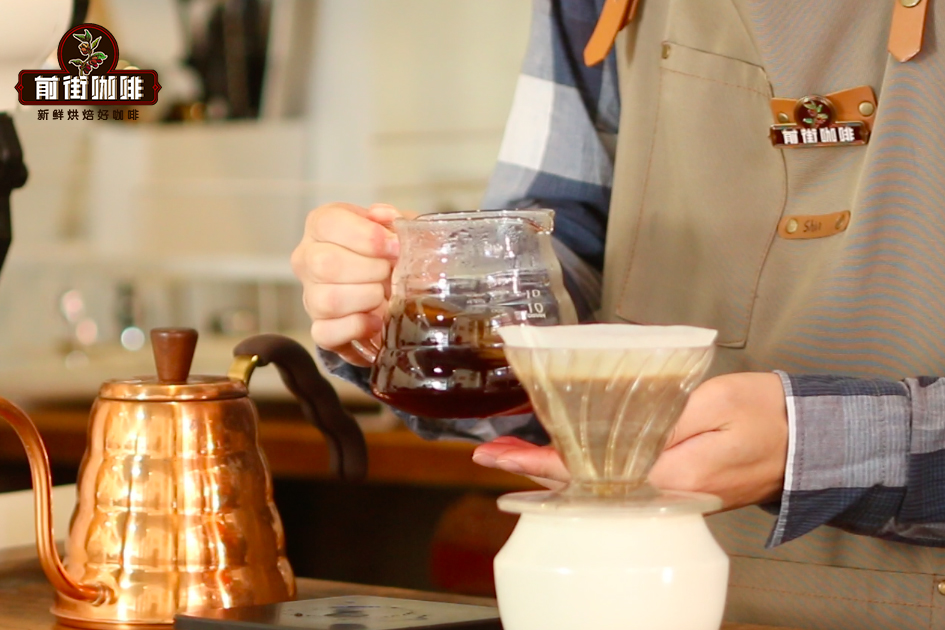
Body is often conflated with mouthfeel and smoothness, and in casual conversation the terms do overlap. But strictly speaking, "Body" describes the coffee liquid itself — its physical thickness — an objective property that exists whether anyone tastes it or not.
Mouthfeel and smoothness, by contrast, take the human senses as their subject: it's you who perceives the coffee as silky or astringent, which makes them subjective. (But we digress.)
Back to Body: it isn't about smell or taste, but about the weight of the liquid that makes a cup feel smooth, full, and mellow — or, unpleasantly, rough, astringent, and thin.

What creates a good Body is chiefly oils and insoluble fibrous material: the more of them in the cup, the better the Body. It's the same reason Italians swear by espresso and the Japanese prize flannel brewing — both retain more oils to fatten up the cup.
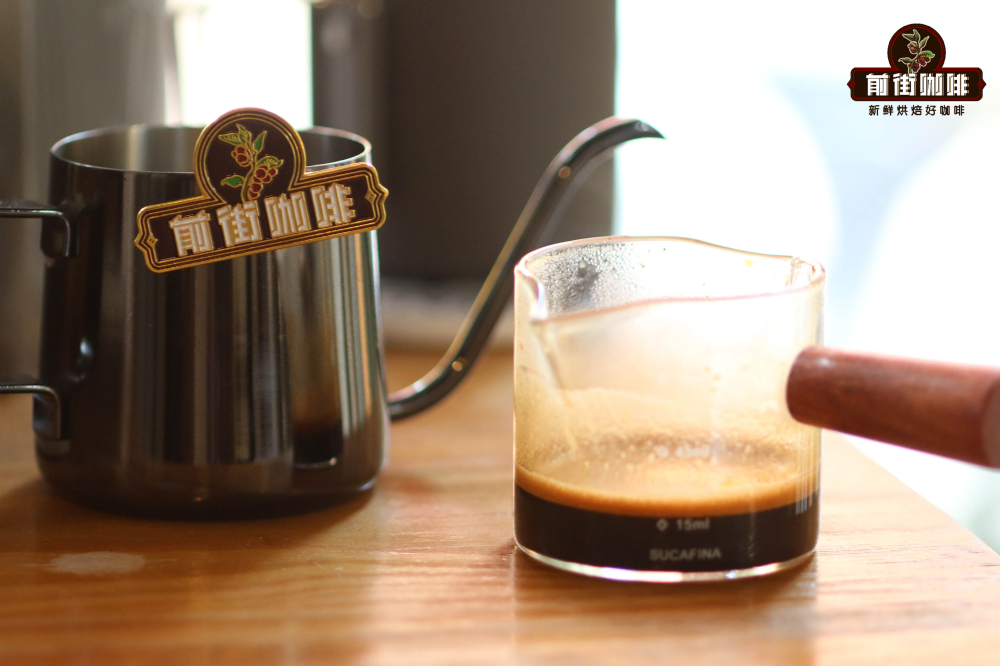
How to Brew a Smooth, Full-Bodied Pour-Over
Pour-over Body will never match espresso's, but the difference between good and poor Body is dramatic. And it can be tuned through your brewing parameters.
First, let's clear up a common misconception: Body is not the same as strength (concentration), and "stronger" does not automatically mean "better mouthfeel." Body has nothing to do with the amount of dissolved solids in the liquid — its smoothness and thickness come from coffee oils and fibrous material that don't dissolve.
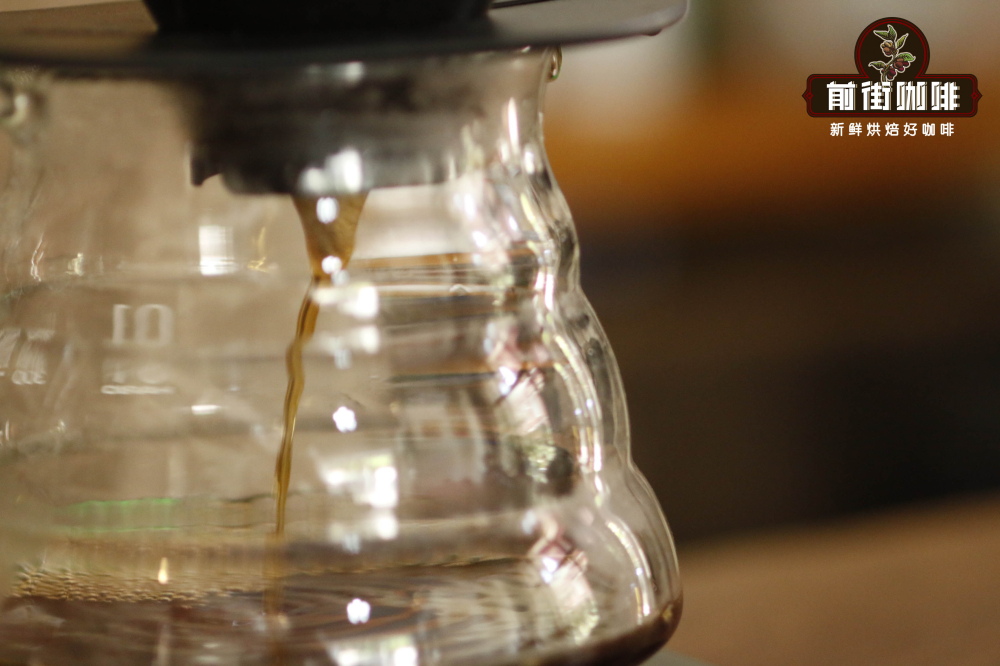
Which is why raising the water temperature to extract more dissolved solids, or shrinking the coffee-to-water ratio to boost concentration, won't do much for Body.
FrontStreet Coffee recommends this extraction approach as a starting point: "lower water temperature, maintain the ratio, less agitation, more soaking, extended time."
Some coffees taste smooth and medium-thick when hot under conventional parameters, but turn rough as the cup cools. Often the culprit is a water column that's too forceful, tumbling the coffee bed and releasing excess polyphenols. Coffee kept in a soaking state stays smoother.
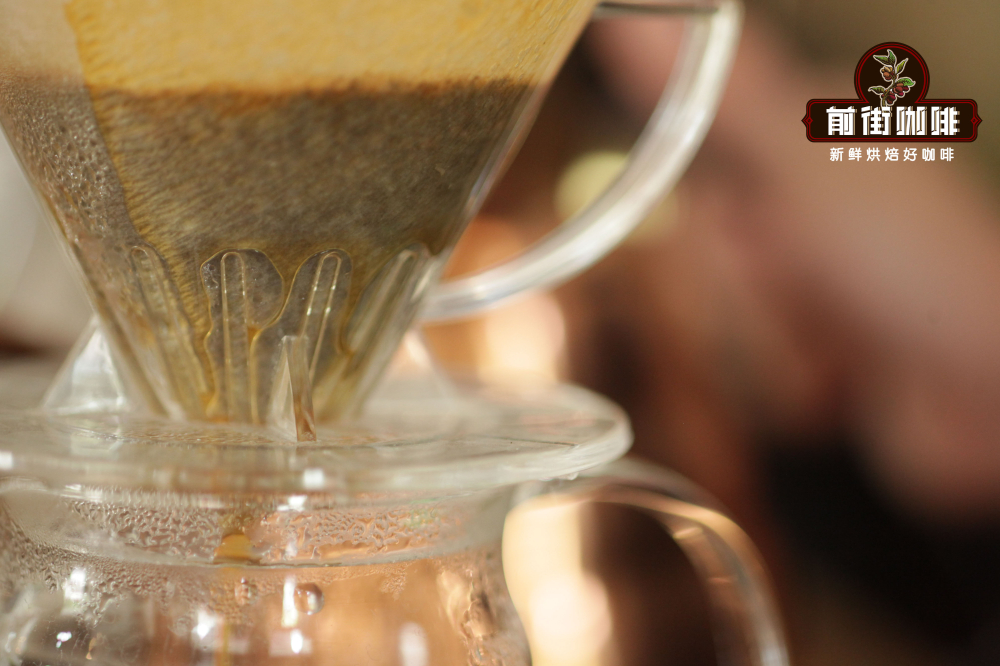
Coffee brewed at high temperatures shows rich, clear, intense flavors but a relatively thin texture. So what if we lower the water temperature (by 2-3 degrees)? Won't the extraction rate drop and the cup thin out further? To compensate, FrontStreet Coffee switches to a dripper with slower flow (such as a Kono or a cake-shaped dripper), keeps the coffee in a soaking state as much as possible, and pours in small, gentle streams. Extraction then runs 30-40 seconds longer than usual — and the Body rewards you for it.
FrontStreet Coffee Recommendation
Chasing a thicker, smoother cup? Bean choice matters as much as technique. The FrontStreet PWN Indonesian Golden Mandheling is a natural pick: its deep-roast, wet-hulled character brings thick body, herbal and dark chocolate aromas, and barely any acidity — ideal for those who love richness. The FrontStreet Brazil Queen Estate offers a gentler route to the same goal, with low acidity, creamy nut and caramel sweetness, and a smooth, velvety texture that shines in any brewer. And the Jamaica Blue Mountain No.1, grown in Jamaica's certified Blue Mountain region, balances cream, caramel, chocolate, and nut tones in a cup that's full without ever being heavy — proof that great Body and elegance can coexist. For the brew itself, remember FrontStreet Coffee's formula: lower temperature, steady ratio, gentle pouring, generous soaking, and a little extra time.
Important Notice :
FrontStreet Coffee is a long-established specialty coffee roaster in Guangzhou China, selling freshly roasted beans from its own farm in Yunnan as well as dozens of carefully selected single-origin beans from around the world for both pour-over and espresso. The products deliver consistently excellent quality and great value, with shipping within 24 hours. Guangzhou's FrontStreet Coffee shop is recommended by many coffee lovers, and the beans are now available online at the Tmall 。
FrontStreet Coffee has moved to a new address:
FrontStreet Coffee Address: 315,Donghua East Road,GuangZhou
Tel:020 38364473
 Scan and follow the En Gafei WeChat official account. Please indicate that the reprint comes from "En Gafei".