Brazil Begins Exporting Raw Coffee Beans Using Bulk Carriers! Can Coffee Bean Quality Still Be Guaranteed?
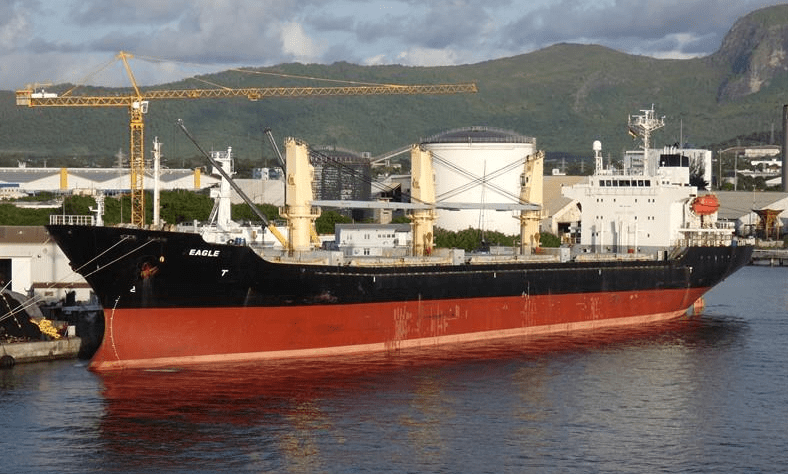
Recently, a bulk carrier crossing the Atlantic has caught the eye of coffee traders. The reason: Olam International, a Singapore-based trading company, chartered a bulk carrier named Eagle to move coffee beans.
The Shipping Crisis and Coffee Industry Response
The pandemic has left the entire shipping industry short of containers. Squeezed by the bottlenecks in container shipping, the coffee industry now faces an unprecedented supply chain crisis. Green coffee is piling up in port warehouses with no way out, and export delays have pushed coffee prices higher in several countries. To ease the serious backlog, the industry has been forced back to the coffee-shipping methods of twenty or thirty years ago—exporting beans on bulk carriers.
Risks of Bulk Carrier Transportation
In truth, moving coffee on bulk carriers carries serious risk. In transit, beans are highly exposed to the weather, and long storage in a humid hold leaves their quality out of anyone's control. Beyond moisture and mold, salt sea air itself alters how the beans will taste. That's why, from the late 1980s and early 1990s onward, coffee traders abandoned bulk carriers in favor of containers, which shield beans from wind and rain and stay far drier.
This time, the bulk carrier is hauling robusta from Indonesia. Departing Lampung, Sumatra, passing through the Mediterranean, and crossing the Atlantic, it is bound for the coffee-starved United States—the industry's first bulk-carrier coffee export in more than 20 years.
Arabica Beans Also Being Transported via Bulk Carriers
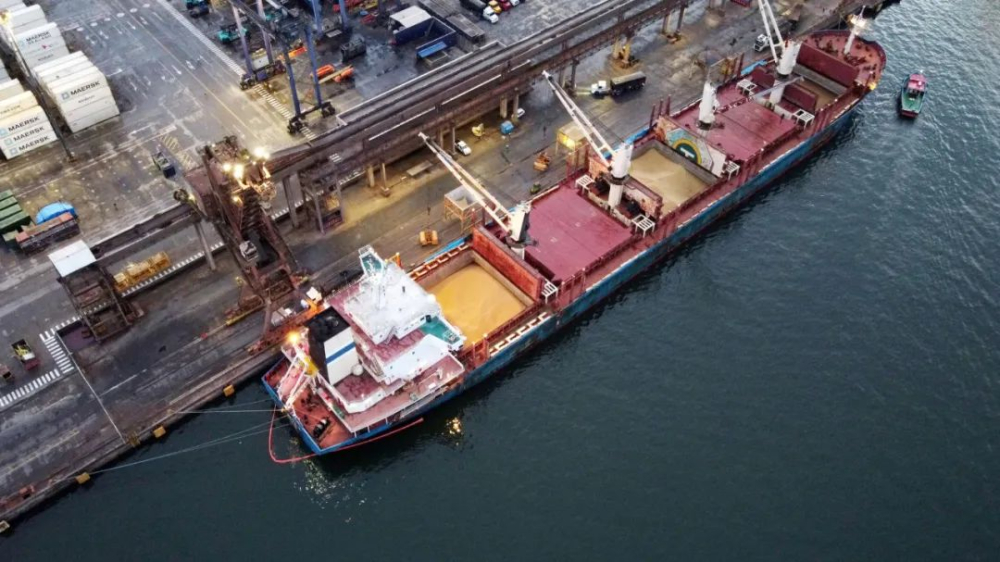
At this point you might think: if it's just robusta, fine—not much flavor at stake anyway. But alongside that robusta shipment, another bulk carrier loaded with arabica has already left Brazil, bound for Europe.
Cooxupe, Brazil's largest coffee cooperative, chartered a general cargo ship in early December to export 108,000 bags (60 kg per bag) of arabica to Europe, and plans to send two more batches by bulk carrier in January 2022.
Challenges and Costs
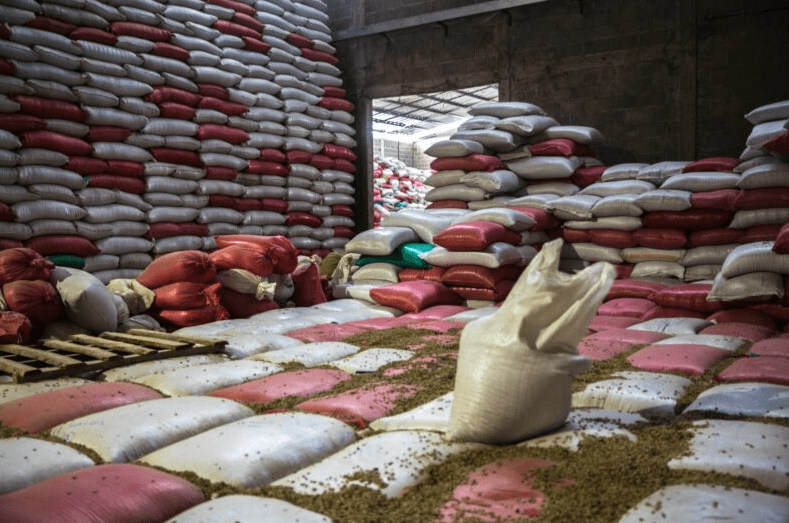
According to the head of the Cooxupe cooperative, both loading and unloading are ordeals. Without containers, bagged coffee must be loaded piece by piece and removed piece by piece—and only some ports have the equipment to lift bagged beans out of a ship's hold... Since the ship can't wait indefinitely in port, loading is hostage to the weather: any rain or spike in humidity forces a halt. Cooxupe originally budgeted two days to load the bags; it ended up taking five. The actual costs ran higher than estimated too, forcing the company back to the negotiating table with customers to raise shipping rates.
Industry Outlook
Risks and unstable costs notwithstanding, plenty of traders have decided this method beats letting coffee sit in warehouses indefinitely. Port storage space is finite, and if exports don't move soon, even storage may no longer be an option.
Credits and Contact
Image source: Internet
For professional coffee knowledge exchange and more coffee bean information, follow Coffee Workshop (WeChat public account: cafe_style)
For more specialty coffee beans, add FrontStreet Coffee on WeChat (ID: kaixinguoguo0925)
FrontStreet Coffee Recommendation
Whatever vessel the beans travel on, what matters is what's in the bag when it reaches you. Brazil remains the world's largest coffee producer, and its beans carry moderate acidity with a beautifully balanced blend of sweetness, bitterness, and body—versatile enough for single-origin brews and espresso blends alike. The FrontStreet Cerrado Red Bourbon, a half-natural-processed lot from Brazil's classic Cerrado region, shows creamy peanut, toast, caramel, and hazelnut after medium roasting, with a round, low-acid body and just a whisper of bitterness. It works through pour-over, moka pot, siphon, French press, and espresso with equal ease.
For something rarer, the FrontStreet Brazil Queen Estate Yellow Bourbon comes from the Mogiana region, where fertile red volcanic soil feeds the fruit and deepens its aromatics. Yellow Bourbon—a mutation of Red Bourbon with a cleaner fruit character—offers sugarcane sweetness alongside fruit and chocolate notes through pour-over, moka pot, or a home espresso machine.
And Brazil's low acidity and smooth balance are exactly why so many espresso blends are built on it: the FrontStreet Classic and Signature blends both carry a Brazilian component, supplying chocolate, cream, and nut aromas with the stability that makes every shot repeatable.
Important Notice :
FrontStreet Coffee is a long-established specialty coffee roaster in Guangzhou China, selling freshly roasted beans from its own farm in Yunnan as well as dozens of carefully selected single-origin beans from around the world for both pour-over and espresso. The products deliver consistently excellent quality and great value, with shipping within 24 hours. Guangzhou's FrontStreet Coffee shop is recommended by many coffee lovers, and the beans are now available online at the Tmall 。
FrontStreet Coffee has moved to a new address:
FrontStreet Coffee Address: 315,Donghua East Road,GuangZhou
Tel:020 38364473
 Scan and follow the En Gafei WeChat official account. Please indicate that the reprint comes from "En Gafei".