Cappuccino vs Latte: The Difference in Taste and Texture & The Authentic Way to Make a Golden-Crown Cappuccino
Yesterday, while chatting with friends, our conversation naturally drifted off course. After the usual pleasantries, the term "cappuccino" came up, and the discussion took an unexpected turn.
From there we wandered into personal matters, which I won't share here. But it sparked FrontStreet Coffee's interest in the topic: What makes a cappuccino authentic? Who cares about authenticity in cappuccino? And what should its defining characteristics be?
Some time ago, a coffee content creator delivered a classic line in a shop-exploration video: "From which country is this cappuccino supposed to be?" Since another viewpoint in that video had already sparked everyone's "enthusiastic discussion," this particular point got buried.
FrontStreet Coffee isn't trying to argue black and white — we just find this topic genuinely interesting to think through. Most people know that modern espresso coffee originated in Italy, and cappuccino can be considered one of Italy's signature coffee beverages. So referencing how Italians make cappuccino should be the most authentic approach!
FrontStreet Coffee hasn't had the chance to communicate directly with Italian baristas, so we can only rely on the vast internet to search for the truth about cappuccino. The drink didn't appear overnight; it went through a relatively long evolution. Before cappuccino existed, there was already a habit of mixing coffee with milk. It wasn't until 1905 that the first true espresso machine was born, and written records of cappuccino didn't appear until the 1930s.
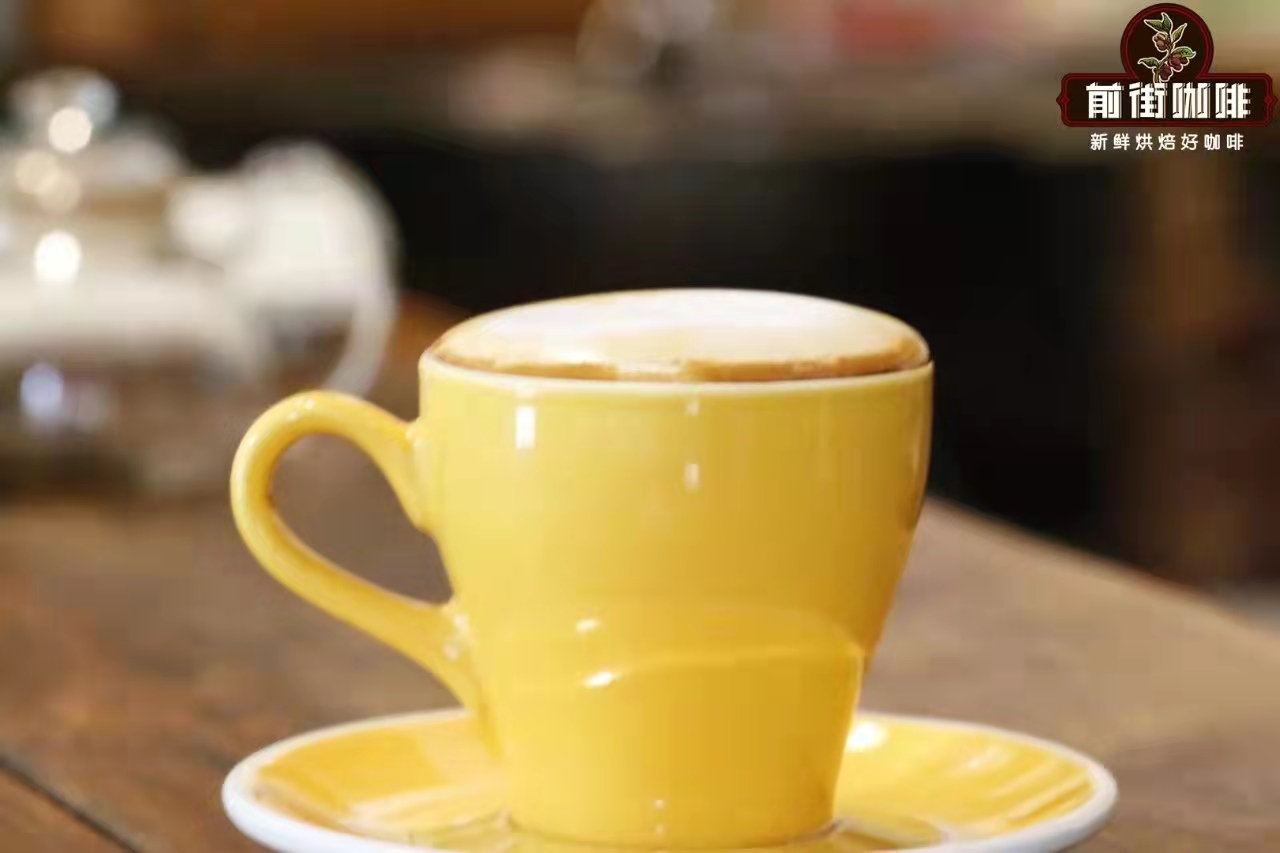
Legend has it that the name comes from the white foam ringed by brownish-yellow milk froth on the drink's surface, resembling a top-down view of a Franciscan monk (Franciscans wear light brown robes with white hoods). The name "Cappuccino" evolved from "Capuchin" (hooded cassock).

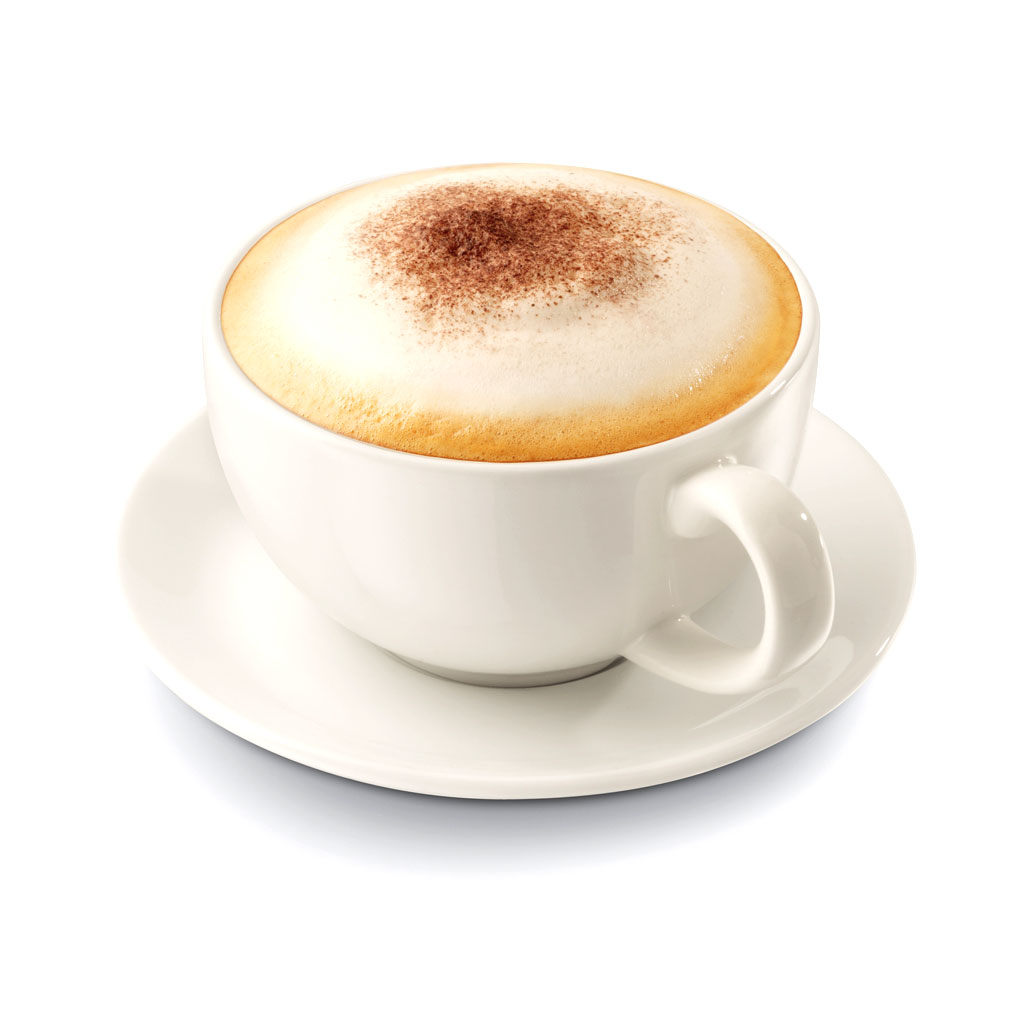
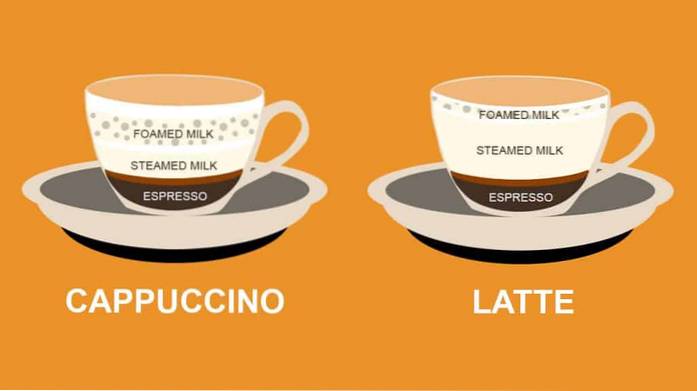
It wasn't until 1947 that espresso machines capable of producing "crema" appeared, so our image of the authentic Italian cappuccino only formed after this point. By the common definition, a cappuccino is a small coffee composed of 1/3 espresso, 1/3 milk, and 1/3 milk foam (based on a 30ml espresso shot, cappuccino capacity comes to roughly 120-180ml). The foam should be dense and delicate, the cup ideally filled to 11 parts full, and the drink should show its signature "golden ring." Italians typically drink cappuccino only in the morning and like to dust it with cinnamon or cocoa powder.
That said, today's Italian coffee shops don't necessarily follow these standards — diets change and technology advances. Light roast beans, once unimaginable here, are now on the menu. Whenever a specialty product from one place enters a new location, it merges with local culture to form a "new thing" with local characteristics (even if it keeps the original name). This is much like how espresso, after entering Australia, collided with local culture and gave rise to "Australian espresso coffee culture."
As mentioned at the start, when our friend asked for "a hot cappuccino," they meant pulling a shot on their capsule machine, pouring in foamed milk, and enjoying the "coffee aroma and milk sweetness" of the fusion — plus the dense, hot texture the foam provides.
FrontStreet Coffee believes that for the authentic Italian traditional cappuccino, the terms "traditional" or "classic" fit better than "authentic." Today, thanks to the internet making information exchange so immediate, variations in cappuccinos across regions are quite noticeable. Overall, milk foam has grown thinner — likely due to the prevalence of latte art culture, since a beautiful pattern is the most direct way for baristas to show their skill. Cup sizes have grown too: coffee shops targeting foreign customers often use larger cups (240-360ml), while specialty shops prefer smaller ones (180-240ml).
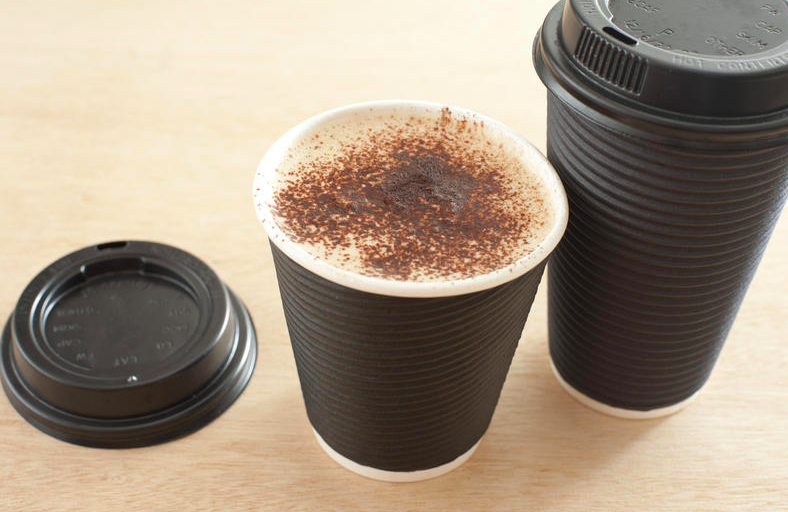
Coffee shops are where coffee is made professionally, and setting aside appearance, a cappuccino should still show its essential character. FrontStreet Coffee's definition: a small cup, relatively strong coffee flavor, dense thick milk foam, and a rich, heavy texture. With today's improvements in bean quality, roasting theory, extraction theory, and machines, it's a positive thing for the cappuccino as a beverage to evolve with the times.
But when coffee shops make changes, please don't obscure those characteristics. If the foam is as thin as a latte's and the taste indistinguishable from a latte, then... isn't it just a small latte?

FrontStreet Coffee Recommendation
Want to make a proper cappuccino at home? FrontStreet Coffee's parameters: 20g of grounds, a 1:2 ratio, about 30 seconds of extraction. Here are the beans to use:
FrontStreet Classic Blend — the "crema bomb." Designed for espresso machines and moka pots, it lets even beginners pull dense, velvety crema on basic home equipment. Its thick, fluffy foam and rich, full-bodied coffee character make it the natural choice for a classic cappuccino.
FrontStreet Black Cocoa Blend — the value champion. 100% arabica, generous crema, and a full, mellow body at a friendly price — proof that quality and budget can coexist.
FrontStreet Granola Geisha SOE (Genlana) — for a floral, fruit-forward cappuccino. Natural-processed and medium roasted, it offers berries, orange, and persimmon flavors on its own, turning to milk-candy sweetness with milk.
Bonus tip for the golden crown: extract 40ml of espresso in 32 seconds, steam the milk thick and dense (no latte art needed), scoop a dollop of foam into the center, then swirl the pitcher and pour down the middle to 11 parts full — the outer ring of color comes from the espresso, the inner circle from the foam.
Important Notice :
FrontStreet Coffee is a long-established specialty coffee roaster in Guangzhou China, selling freshly roasted beans from its own farm in Yunnan as well as dozens of carefully selected single-origin beans from around the world for both pour-over and espresso. The products deliver consistently excellent quality and great value, with shipping within 24 hours. Guangzhou's FrontStreet Coffee shop is recommended by many coffee lovers, and the beans are now available online at the Tmall 。
FrontStreet Coffee has moved to a new address:
FrontStreet Coffee Address: 315,Donghua East Road,GuangZhou
Tel:020 38364473
 Scan and follow the En Gafei WeChat official account. Please indicate that the reprint comes from "En Gafei".