How to Make Delicious Espresso? Illustrated Guide to Espresso Extraction with an Espresso Machine
The Foundation of Coffee Excellence: Understanding Espresso Extraction
Espresso-based drinks made with semi-automatic machines still dominate the cafe market, even in an era when single-origin pour-over coffee has surged in popularity. Walk into any coffee exhibition and you'll notice it immediately: a gleaming "La Marzocco" on display feels almost mandatory for keeping up appearances.
The Barista's Essential Skill
If you want to become a barista, the first skill to master is espresso extraction. Pulling a single shot might look easy, but delivering a qualified shot with complete consistency is another matter entirely. There are so many variables involved that you need to understand the whole process before you can truly control it.
Characteristics of Quality Espresso
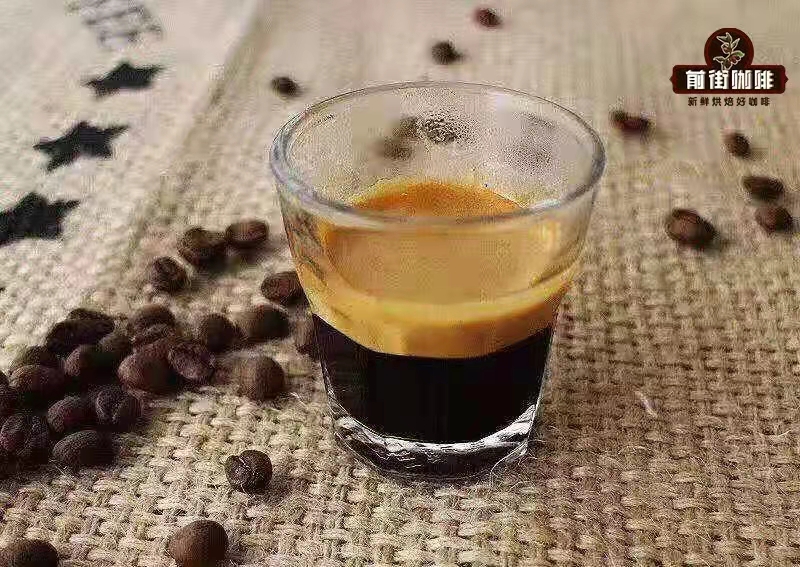
Visually, a quality espresso should show a golden crema — neither too thin nor too thick. When the crema is overly thick, it loses fluidity and tends to clump. The ideal thickness is roughly half that of the coffee beneath it, with a fine texture free of large bubbles.
In terms of flavor, espresso should present roasted nut and chocolate notes with a creamy, full-bodied mouthfeel. The bitterness should linger only briefly before giving way to a long, aromatic aftertaste.
The Critical Role of Coffee Beans
These standards sound simple, but executing them is anything but. The first decisive element is the beans themselves — they essentially determine the flavor direction of the whole drink. Plenty of times when a coffee tastes bad, the barista can't take the blame. Turning poor ingredients into something excellent is the work of magicians, and baristas haven't developed that kind of magic yet.
In other words, if the inherent quality or flavor profile of the beans is subpar, no amount of technique for salvaging (or masking) the taste will save the shot.
That said, baristas do need to recognize and address certain issues. Many beans emphasize raw material quality, yet output quality can still fluctuate unpredictably. When that happens, it usually points to the barista's insufficient understanding of the bean. Many baristas cling rigidly to extraction formulas, but FrontStreet Coffee suggests that a purely numbers-driven approach sometimes overlooks the flavors inherent in the coffee itself.
The Balance Between Data and Taste
Consider a barista with five years of experience — a long time in this trade. When calibrating espresso, he becomes fixated on the numbers: even when certain parameters produce espresso with excellent flavor and texture, if the figures fall outside his accepted range, he readjusts everything.
But roast level and roasting time visibly change how a coffee extracts. Espresso, like pour-over, should start from the characteristics of the bean itself, with an extraction plan tailored to those specific properties.
The Extraction Process
When it comes to actual extraction, that's the barista's home turf. There appear to be many parameters to juggle — grind size, dose, ratio, water temperature, and pressure — plus various techniques like distribution and tamping.
FrontStreet Coffee believes it helps to distinguish primary from secondary parameters. Water temperature and pressure, for instance, are secondary: once set, they rarely need adjusting. Grind size, dose, and ratio are the primary parameters that get tweaked most often.
Understanding Grind Size
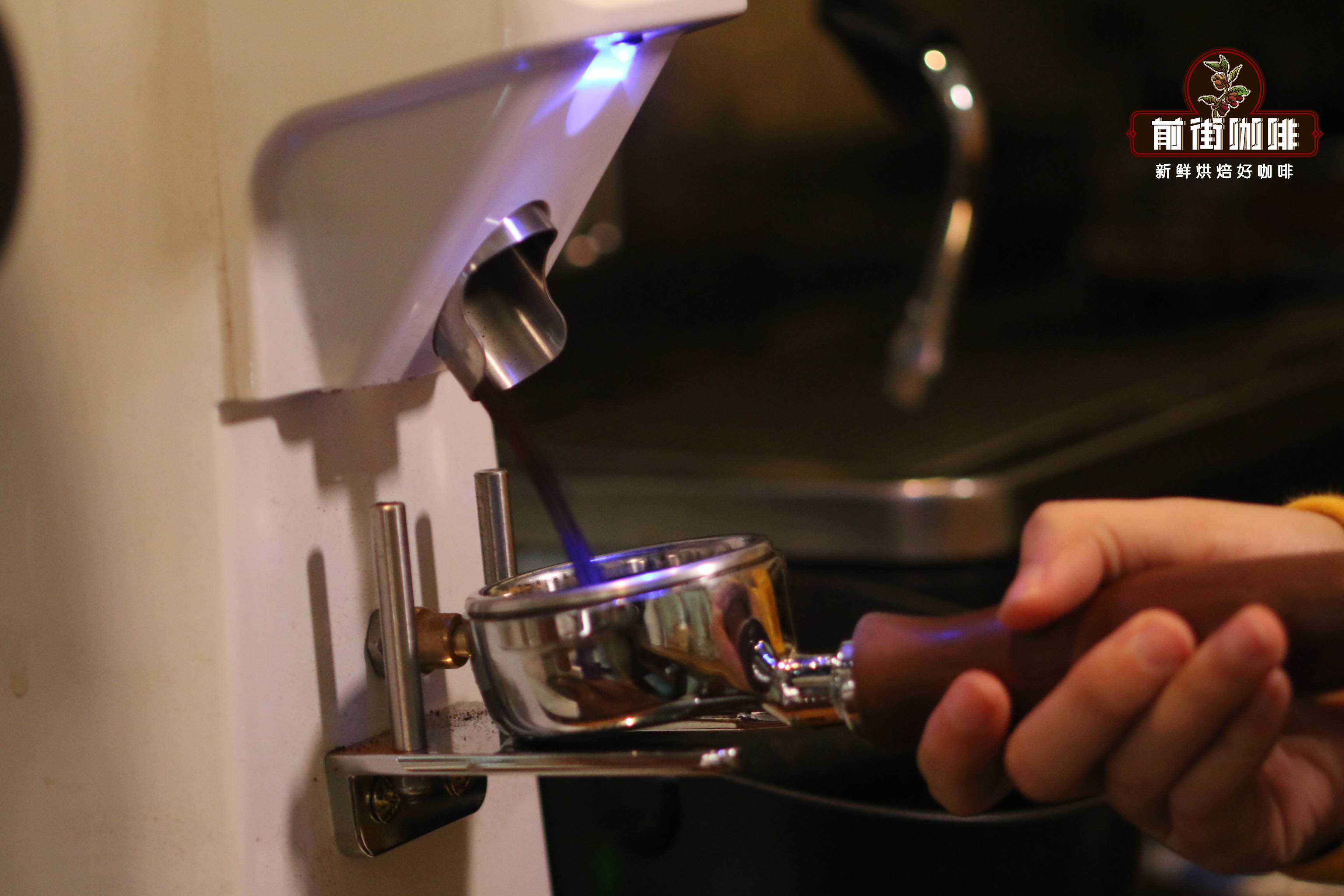
Grind size is the most frequently adjusted parameter of all. The logic is simple: a finer grind packs the coffee puck more tightly, making it harder for water to pass through, so each unit of water extracts more solids and the beverage becomes more concentrated. The opposite holds for a coarser grind.
But extracting more solids isn't always better. Coffee contains roughly 30% soluble material, yet it's widely accepted that only about 22% of it contributes positively to flavor — the rest produces unpleasant bitter and astringent notes.
The Impact of Distribution and Tamping
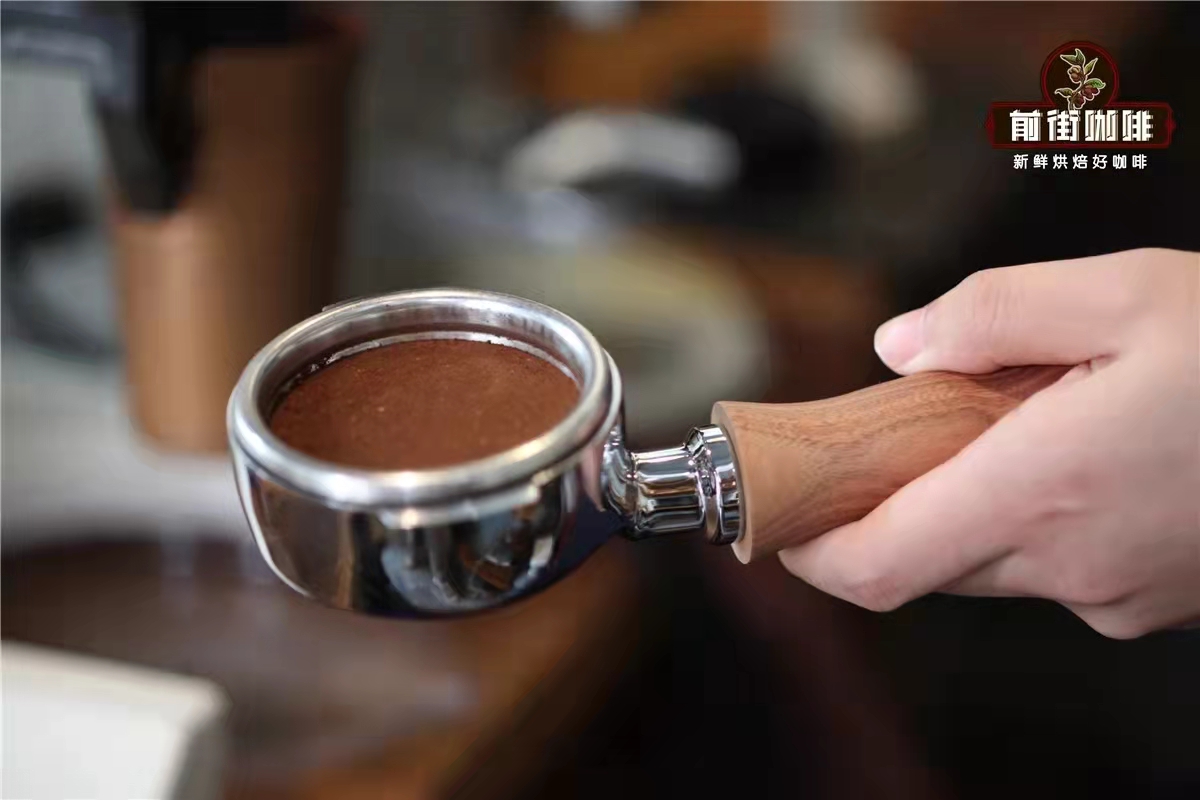
Distribution and tamping matter more than many people assume. Uneven distribution and careless tamping can certainly push coffee flavors in the wrong direction. In practice, though, as long as you fill the portafilter to a sensible maximum and tamp level (regardless of how hard), channeling and uneven extraction rarely occur — and there are plenty of working methods to keep those problems at bay.
FrontStreet Coffee Recommendation
Of course, no amount of technique can compensate for the wrong beans. If your espresso tastes thin or sour, FrontStreet Coffee's PWN Golden Mandheling is a dependable deep-roast choice: very low acidity, a long and syrupy body, generous herbal and dark chocolate notes with a whisper of earthiness, and rich layers of flavor — ideal for espresso drinkers who love bold, mellow cups.
If you'd rather have something bright and fruity in the basket, FrontStreet Coffee's Strawberry Candy is a fruity espresso blend combining a Panama Geisha with Costa Rica honey-processed coffee, roasted medium so it keeps floral and fruit character alongside rounded sweetness — expect orange-honey fragrance, grape and blueberry tones, and a strawberry-candy sweetness that carries straight into your milk drinks.
Important Notice :
FrontStreet Coffee is a long-established specialty coffee roaster in Guangzhou China, selling freshly roasted beans from its own farm in Yunnan as well as dozens of carefully selected single-origin beans from around the world for both pour-over and espresso. The products deliver consistently excellent quality and great value, with shipping within 24 hours. Guangzhou's FrontStreet Coffee shop is recommended by many coffee lovers, and the beans are now available online at the Tmall 。
FrontStreet Coffee has moved to a new address:
FrontStreet Coffee Address: 315,Donghua East Road,GuangZhou
Tel:020 38364473
 Scan and follow the En Gafei WeChat official account. Please indicate that the reprint comes from "En Gafei".