How Can Beginners Learn Pour-Over Coffee? Can You Master Coffee Brewing Through Books and Movies?
Coffee Insights from Film and Common Misconceptions

When learning something new, we can master it through many channels — books, teachers, even a thing or two from the movies.
In the movie "Cafe at the Edge of the World" (Saihate nite yasashii kaori to machi nagara), although the plot doesn't revolve around coffee, it contains plenty of coffee-related scenes worth exploring.
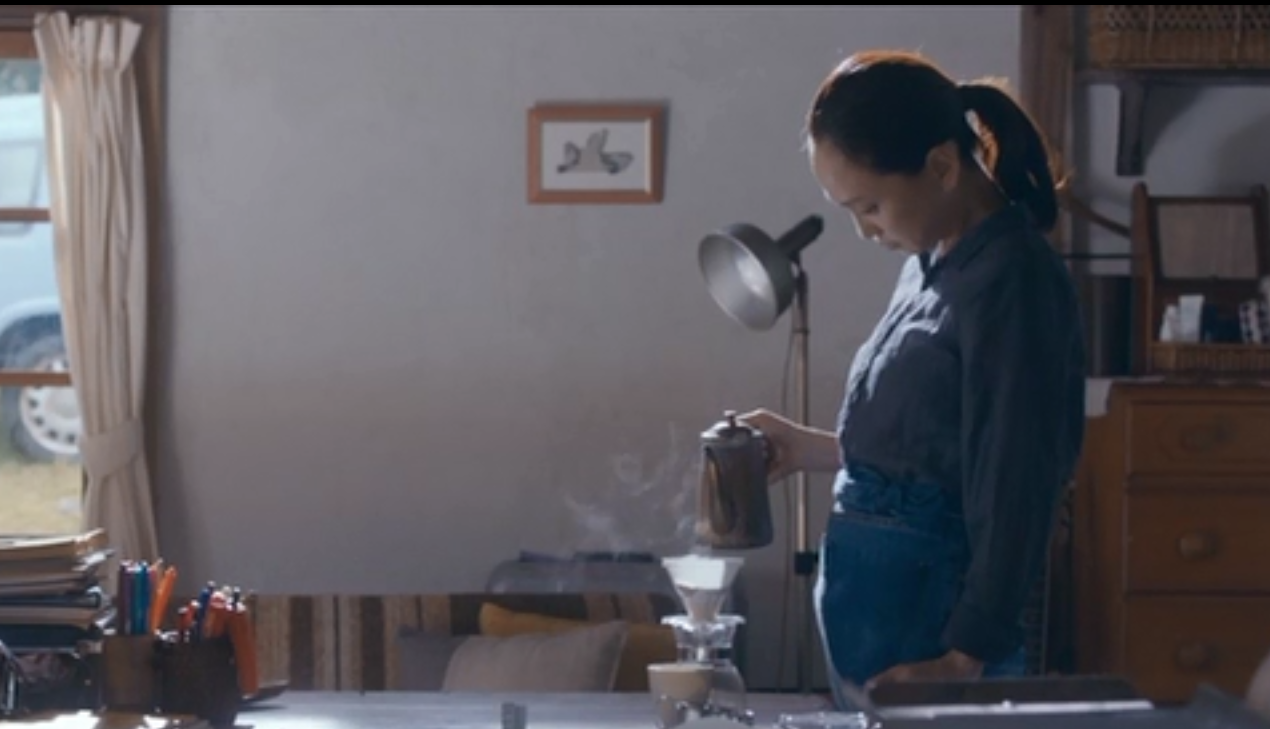
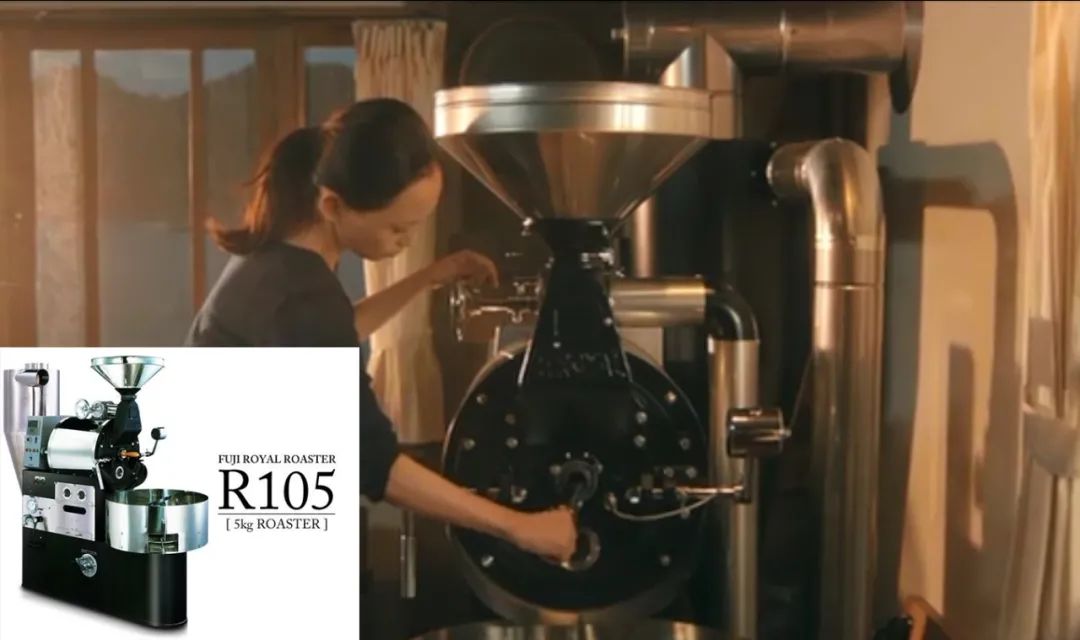
The film's protagonist, Yoshida Misaki, is a coffee roaster from Tokyo, and her seaside coffee shop features a Fuji Royal R105 roaster. Quite an impressive setup.
The interior of the seaside shop looks quite different from the cafés we're used to. But this isn't set dressing invented for the movie — it's based on real observation. Japan has many small self-roasting cafés with a simple, home-style atmosphere. The signature feature is the large cabinet behind the bar, where cups, saucers, or coffee equipment are neatly arranged.
In one scene, roasted coffee beans are displayed in large jars — clearly different from the packaged beans we usually buy. In Japan, many independent small cafés sell beans the way corner shops sell bulk candy: scooped from large jars, weighed, and sold. Major brands like Maruyama Coffee and most modern cafés have abandoned the practice.
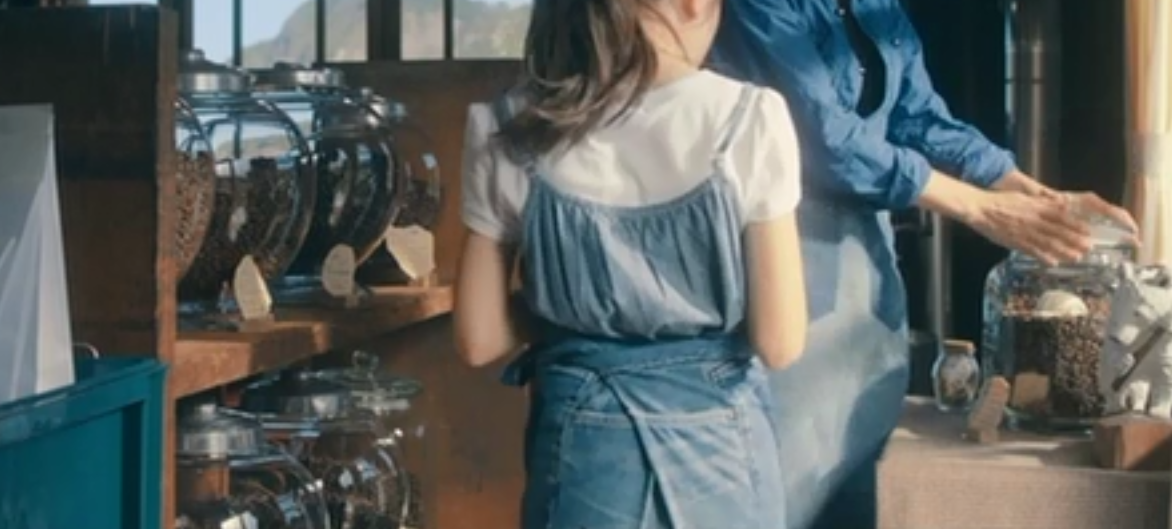
There's even a scene that tries to teach you how to brew coffee. It only has a few repetitive phrases, but FrontStreet Coffee thinks it captures the brewing method quite simply. The whole approach: pour water slowly and gently (for dark roast beans), starting with a slow pour in a spiral "no" shape, then stop — that's the bloom stage.

Then pour again, stop — that's segmented pouring. Keep pouring in the "no" shape to ensure even extraction. "Don't let the coffee grounds settle down" means don't let the liquid level drop. They believe the foam on the surface of the coffee bed is the source of bitterness. In fact, brewing a cup of coffee really is that simple.
The film even features professional coffee cupping sessions. The coffee-related details are abundant — enough to satisfy enthusiasts like me who hunt for sophisticated details. (I won't admit I watched it just for Sasaki Nozomi.)
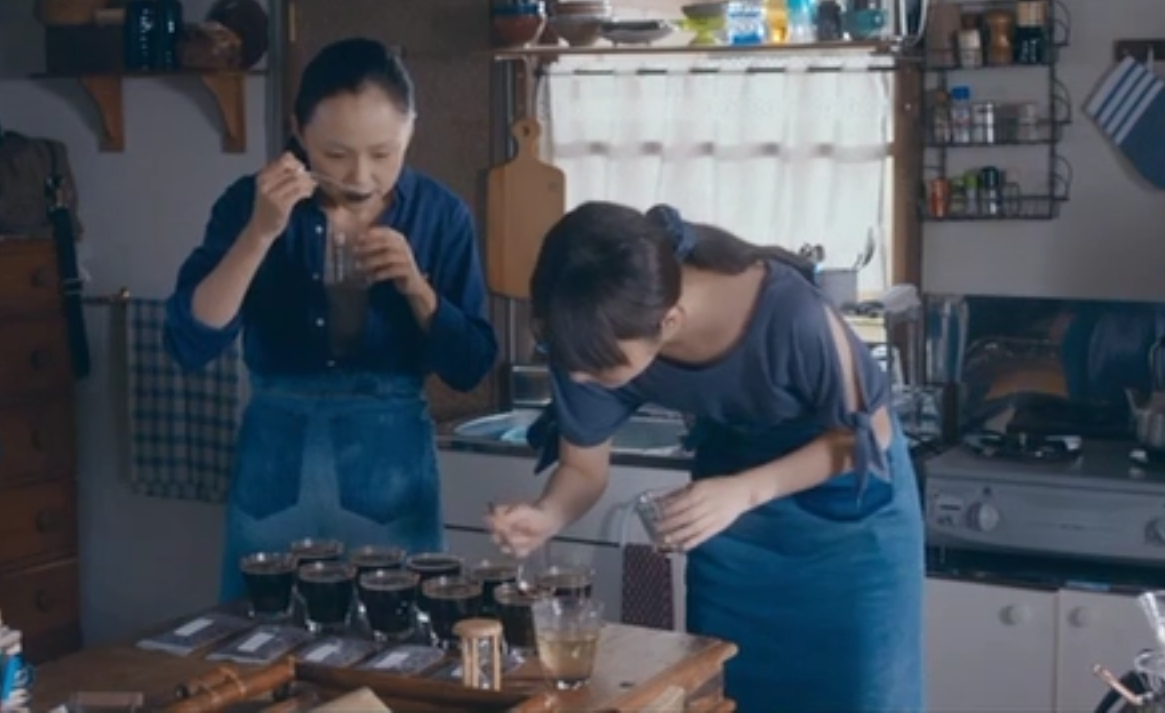
Of course, a movie is still a movie and can't present the complete, authentic picture. If you want to learn more, watch some coffee documentaries — the CCTV documentary "Black Coffee," for instance, explains coffee's origins and development excellently.
Common Coffee Misconceptions for Beginners
When we first step into the world of coffee, we meet many things we've never understood. Not knowing any better, we take them literally — which often leads to picking up misconceptions. Over time, these can misguide our later learning. So FrontStreet Coffee would like to share some common misconceptions beginners encounter!

Does darker roasting mean higher caffeine content?
Many beginners fall for this one: "With the same parameters, dark roasted beans extract more caffeine than light roasted beans!" And from there they conclude that darker roast means more caffeine.

In fact, caffeine content doesn't increase with roast depth — only bean genetics and growing environment affect it (see the article "What Factors Affect Caffeine Content?"). Dark roasts do extract more caffeine, but because the extended roasting time significantly changes the beans' structure, making them easier to extract. So with the same parameters, dark roasted beans do brew more caffeine — not because they contain more, but because it comes out more easily.
Is all dark roasted coffee acid-free?
"The lighter the roast, the more acidic; the darker the roast, the more bitter" — a familiar saying! Acidic compounds continuously decompose as roasting progresses, shrinking their share of the taste, until at a certain roast level bitterness takes over.

Many people mistakenly believe dark roasted beans are acid-free. In reality, dark roast coffee still retains plenty of acidic compounds — they're just hard to detect under the blanket of bitterness. Taste an under-extracted dark roast or espresso and you'll clearly perceive the acidity, because fewer bitter substances means nothing to cover the acids up.
Is fresher always better for coffee roasting?
After roasting, coffee beans continuously release carbon dioxide and aroma compounds. Two months after roasting, beans stored at room temperature have lost almost all their aroma and flavor — brewing them yields a mediocre cup! So we pursue freshly roasted coffee, using the beans while they're still fresh.

But "fresh" doesn't include beans that are too fresh. Right after roasting, beans contain a huge amount of CO2, which hinders hot-water extraction and throws off the taste — a huge issue for extraction-sensitive methods like espresso. Fresh-brewed coffee also carries an obvious "roasted sensation." So beans need a resting period to degas, reduce the CO2 that causes extraction deviations, and shed that roasted taste. Once the resting period ends and CO2 falls to a level that no longer affects extraction, we can brew delicious coffee. Fresh, then — but not too fresh. Beans can technically be extracted right after roasting, but it's not recommended: you'd need to adjust parameters, and the margin for error is far too small.
Does new harvest coffee mean coffee harvested this year?
Beyond roasting, harvest timing matters too! Freshly harvested beans carry the most abundant flavor compounds, so enthusiasts always ask whether the beans are new harvest. But many beginners mistakenly assume "new harvest" means beans picked this season or calendar year — not quite correct.

Most of the delicious coffee we drink is imported as green beans — and green beans can't fly straight from harvest into your cup. What's harvested is coffee fruit, which must be sorted and processed to remove everything but the beans (peel, pulp, pectin) and dried to a specified moisture range. Only then can the beans store well and show full flavor during roasting.

All this takes time — nearly a month, basically. And most beans "can't afford" to fly; their selling price simply can't cover plane tickets, so they travel by sea, which takes the longest — about 3-6 months. That's rough for beans harvested from October through January: by the conventional calendar, beans harvested in October arrive with roasters in April or May, making them "last year's harvest." But by coffee's harvest seasons, they're still fresh, juicy new-crop beans. So don't apply the conventional calendar to coffee freshness — it leads to the wrong conclusions.
- END
FrontStreet Coffee Recommendation
Ready to put that brewing theory into practice? Three V60-friendly beans:
FrontStreet Yirgacheffe Worka (Guodingding) — washed processing from the Worka area of Yirgacheffe: fresh, bright citrus and lemon acidity with jasmine florals and no traditional bitterness. A "last pure land" of Yirgacheffe that wins people over at first sip.
FrontStreet Ethiopia Huakui — rich tropical fruit aromas of strawberry, passion fruit, jackfruit, and lychee, with pronounced sweetness and a smooth, juicy body. For anyone who loves fruit-forward coffee.
FrontStreet Strawberry Candy (Geisha Blend) — Geisha-style florals from a blend combining Costa Rica honey process and Panama Geisha character. Works in pour-over, cold brew, moka pot, or espresso machine — a versatile everyday bean.
Important Notice :
FrontStreet Coffee is a long-established specialty coffee roaster in Guangzhou China, selling freshly roasted beans from its own farm in Yunnan as well as dozens of carefully selected single-origin beans from around the world for both pour-over and espresso. The products deliver consistently excellent quality and great value, with shipping within 24 hours. Guangzhou's FrontStreet Coffee shop is recommended by many coffee lovers, and the beans are now available online at the Tmall 。
FrontStreet Coffee has moved to a new address:
FrontStreet Coffee Address: 315,Donghua East Road,GuangZhou
Tel:020 38364473
 Scan and follow the En Gafei WeChat official account. Please indicate that the reprint comes from "En Gafei".