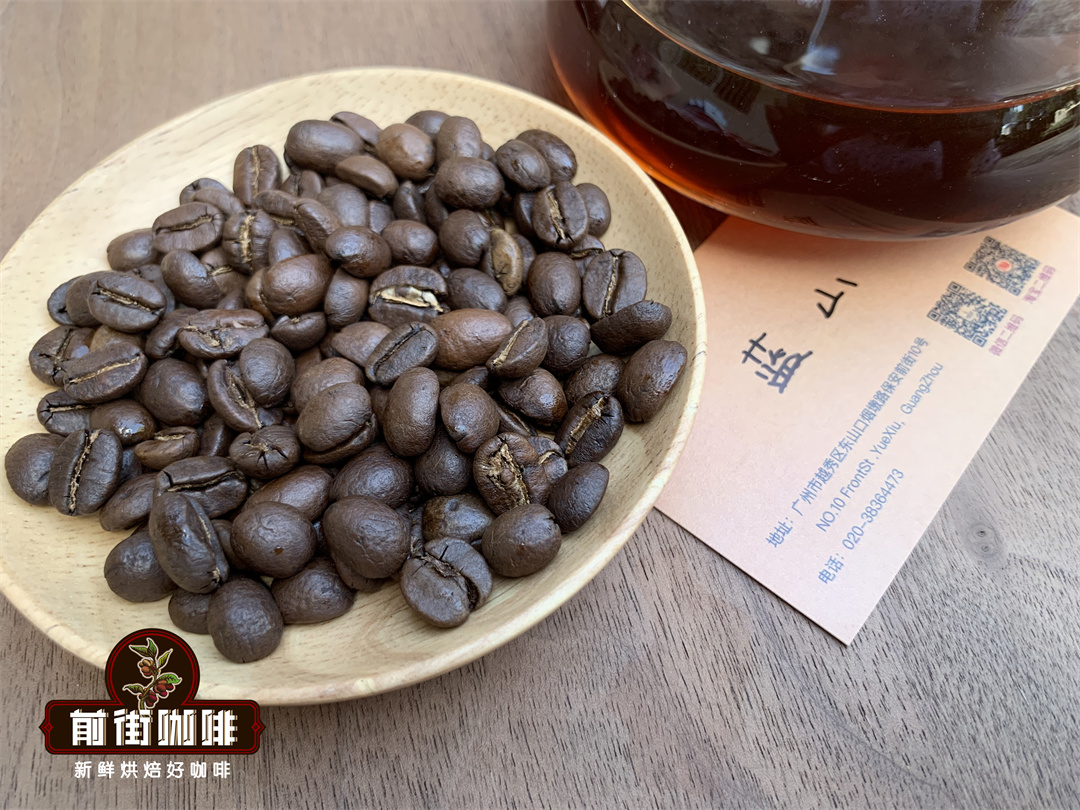
What Brand of Black Coffee is Most Authentic and Delicious - What are the Flavor Characteristics of Authentic Geisha Black Coffee
What Brand of Black Coffee is the Most Authentic?
FrontStreet Coffee's honest answer to this question: "the best tasting" coffee is largely subjective and comes down to personal preference. Since everyone's palate is different, there is no definitive "best tasting" coffee — only what suits you best.
For many people, the first impression of black coffee is bitterness and harshness. But as coffee love spreads, enthusiasts increasingly seek out single-origin specialty black coffee. Black coffee is the clearest window into a bean's terroir and the coffee culture behind it. Each distinctive coffee bean is like a magnificent journey — you're not just tasting something rich on your palate, you're reading a postcard from a faraway place, telling you what climate and soil could produce such a uniquely flavored bean!
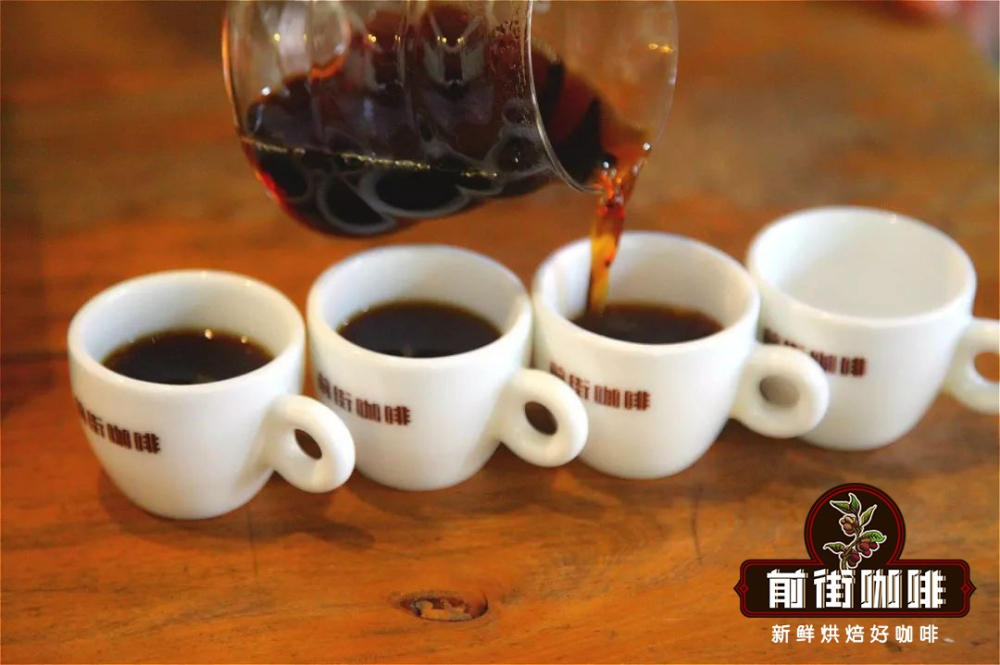
Black coffee means pure coffee made directly from beans, with no sugar or milk added — brewed by American drip machines, pour-over kettles, French press, and other methods. Fine black coffee, like Pu'er tea or red wine, lets you taste its origin. Choose according to your own taste. Specialty coffee is typically brewed pour-over to best showcase the bean's unique flavors — Blue Mountain and Geisha being famous examples.
Finding the coffee that suits you takes trial and error. In the past, preferences leaned toward rich, nutty flavors; nowadays more people love fruity, juice-like coffees — and Geisha happens to satisfy exactly that demand, with rich citrus aromas, jasmine florals, almond and mango fragrances, nectar-like sweetness, and bright, varied fruit acidity that makes it the most sought-after bean across producing nations.
But even the same variety tastes vastly different in different environments! Each region's climate, growing altitude, humidity, daylight hours, soil, growers, and even post-harvest processing all shape the cup significantly. Geisha from Panama, Colombia, and Ethiopia are three entirely different experiences.

FrontStreet Coffee is a coffee roasting brand based in Guangzhou that has operated for many years, regularly stocking beans from over 50 countries and regions. Coffee flavors follow broad origin patterns: African coffees have lemony acidity, American coffees have rich aromas, while Blue Mountain and Mandheling lean full-bodied. The pattern-by-origin guide looks like this:
Ethiopian coffee: Yirgacheffe: the most commonly chosen bean for beginners, with some lemony acidity; Guji: Yirgacheffe with added berry aromas; Yunnan small bean coffee: with some plum acidity; Mandheling: rich woody texture with herbal aromas; Mariposa: from the Panama region, contains some Geisha varieties, tastes like floral and fruity tea; Brazil: not acidic, like plain chocolate.
Geisha Coffee
In 1931, Geisha quietly left Geisha Mountain in southwestern Ethiopia (coincidentally sharing its pronunciation with the Japanese word for geisha) for Kenya, traveled through Tanzania and Costa Rica, and in the 1960s was transplanted to Panama. After nearly half a century of obscurity, it rose to sudden fame: defeating perennial champions like Bourbon, Caturra, Catuai, and Typica, it swept first place in the Panama National Coffee Bean Cupping Competition in 2005, 2006, and 2007.
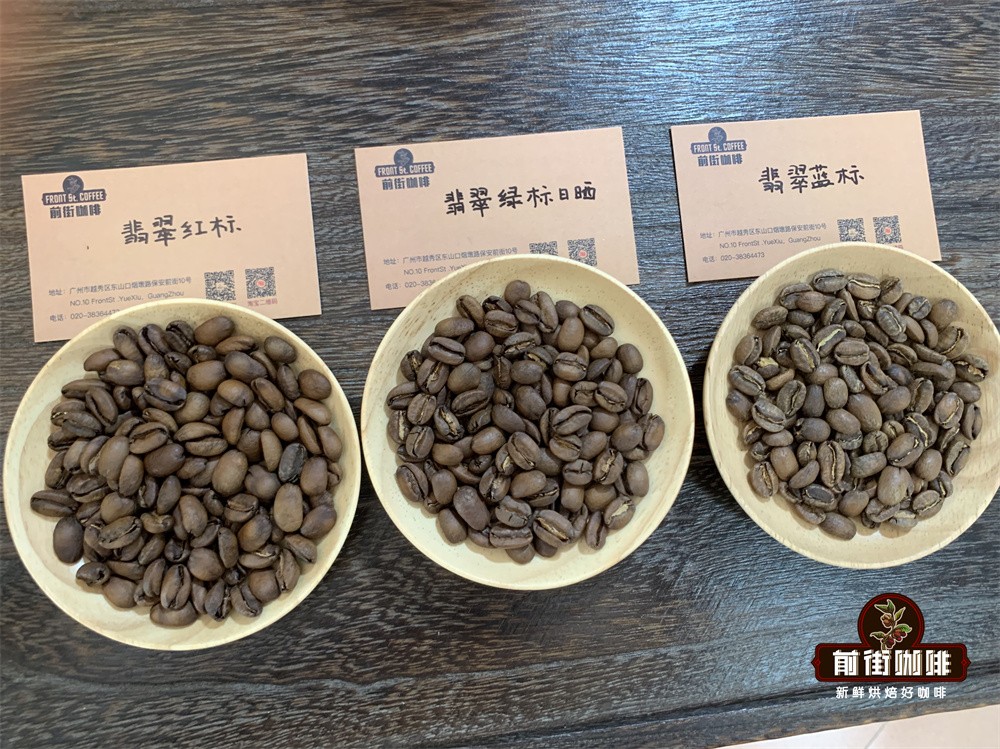
In 2007, Geisha won again at the International Specialty Coffee Cupping hosted by the Specialty Coffee Association of America (SCAA), drawing a bidding price of $130 per pound — a record for competition beans. Reportedly, subsequent Panama National competitions were split into Geisha and non-Geisha categories, precisely to stop Geisha from stealing the spotlight from every other variety.
Panama Boquete Coffee Growing Region
Boquete grows at altitudes of 1,400–1,900 meters near the Panama–Costa Rica border, close to the famous Baru Volcano. With its beautiful scenery, fertile rich soil, and climate and soil ideally suited to high-quality coffee, Boquete hosts many excellent estates — besides Hacienda La Esmeralda, there are Elida Estate and Kotowa Duncan Estate, among others, all producing fine specialty coffee. Beyond the mild climate and the fertile volcanic ash soil around Baru, another key factor is the varied microclimate found in the Boquete highlands.
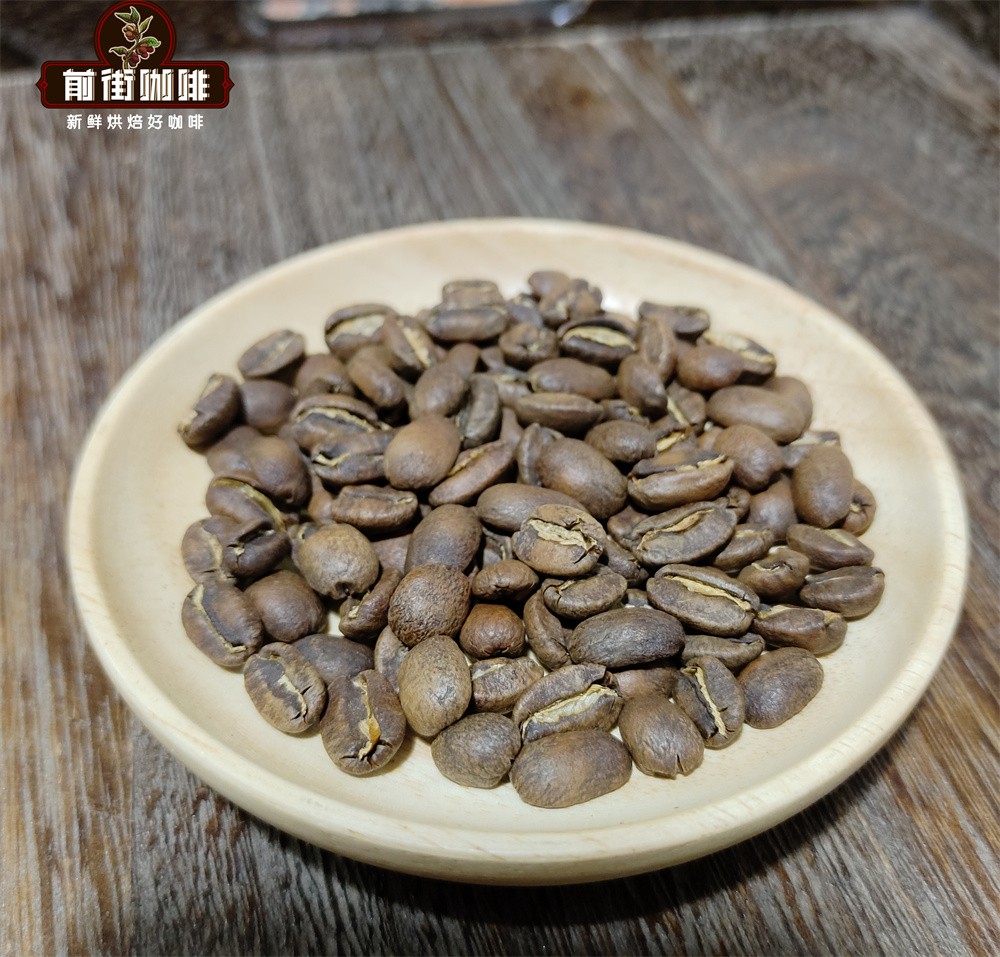
One of FrontStreet Coffee's daily brew beans, the washed Boquete Geisha, comes from exactly this region.
Ethiopian Geisha Coffee
Ethiopia may be the genetic home of coffee, but the delicate, elegant profile of Geisha depends on a very specific growing environment. The variety is famously "picky": it demands high altitude, shade from clouds or abundant shade trees, and fertile soil before it will develop its rich floral aromas, delicate fruit acidity, and tea-like aftertaste.
Ethiopian Geisha divides into three varieties: Gori Gesha (GG), which replicates the genetic diversity of the Gori Gesha coffee forest; Illubabor Forest 1974 (IF), discovered during a 1974 expedition to the Illubabor forest and later developed by the Ethiopian Research Center into a disease-resistant variety; and Gesha 1931 (G31), a combination of varieties from different forests — selected by observing plant morphology, bean appearance, screen size, and cupping profile — very similar to Panama Geisha.
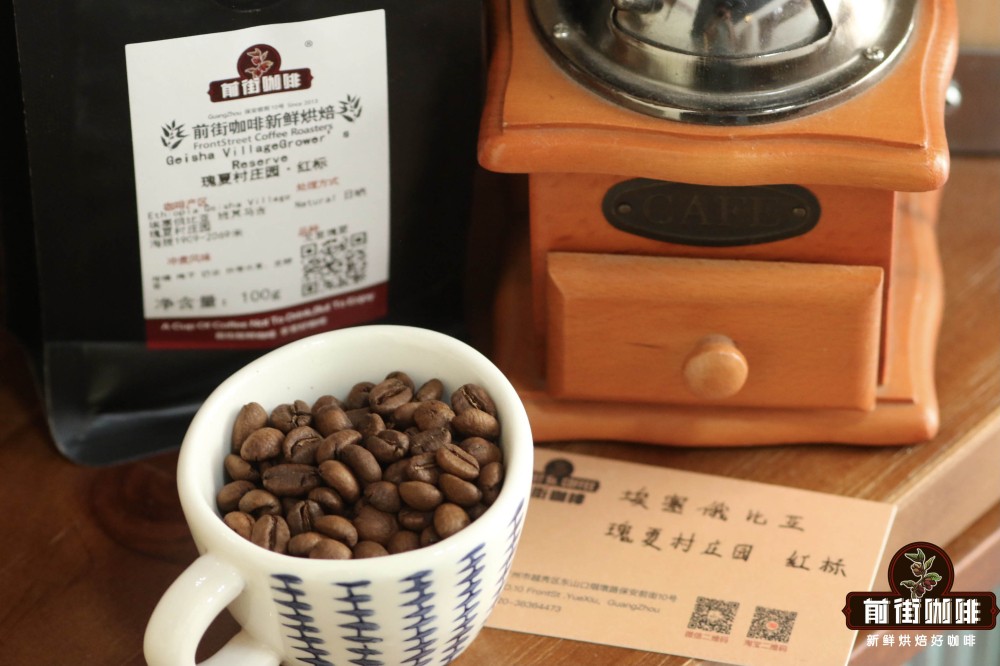
The first two varieties share completely different genetics from Panama Geisha. Officially, Gesha 1931 is the closest to Panama Geisha in plant shape and cupping performance — but in reality the genetic consistency percentage is very low, so Ethiopian and Panama Geisha are, flavor-wise, entirely different coffees.
Costa Rican Geisha Coffee
Costa Rica has grown coffee for nearly two hundred years. As a core economic crop, its coffee industry is highly mature, and many newly established estates are willing to plant Geisha — the most famous being the Geisha from La Candelilla Estate, as in FrontStreet Coffee's Costa Rican Mozart Geisha Blend.
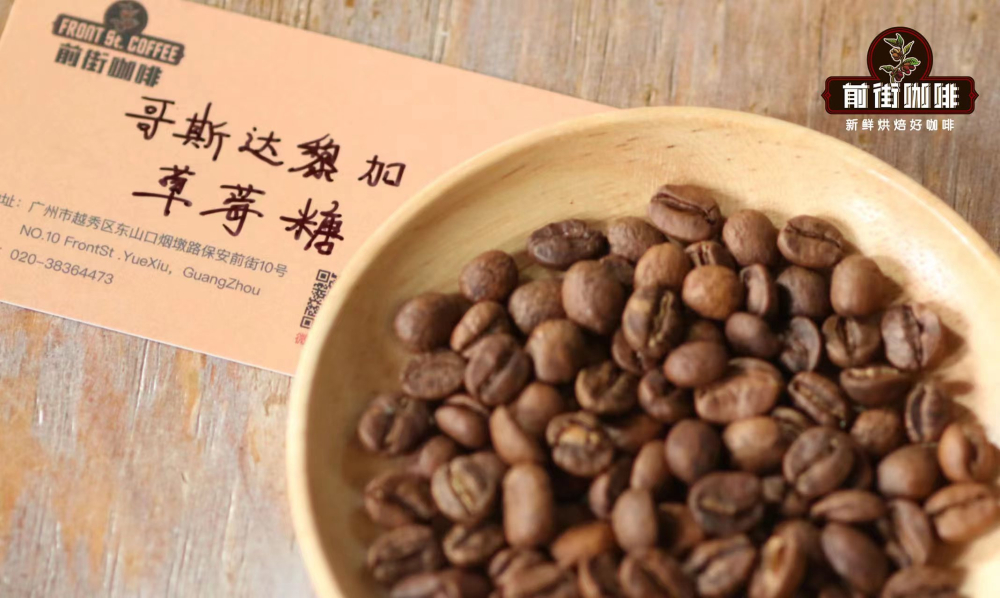
FrontStreet Coffee's Mozart beans use raisin honey processing: ripe cherries are dried to a shriveled state, then depulped with the entire mucilage layer retained, and dried again. FrontStreet Coffee has found that raisin-honey coffee has a richer, thicker mouthfeel than ordinary honey-processed coffee, with more persistent aromas and more intense sweetness.
Colombia Hanami Geisha Coffee
Colombia's Huila department sits where the central and eastern Andes meet, in southern Colombia. Its coffee areas center on the city of Pitalito, with beans grown at 1,750–1,950 meters, mostly by smallholder farmers. Over the past decade, these smallholders have worked hand-in-hand — hand-picking cherries and processing them with care — producing specialty beans that showcase Huila's regional character.
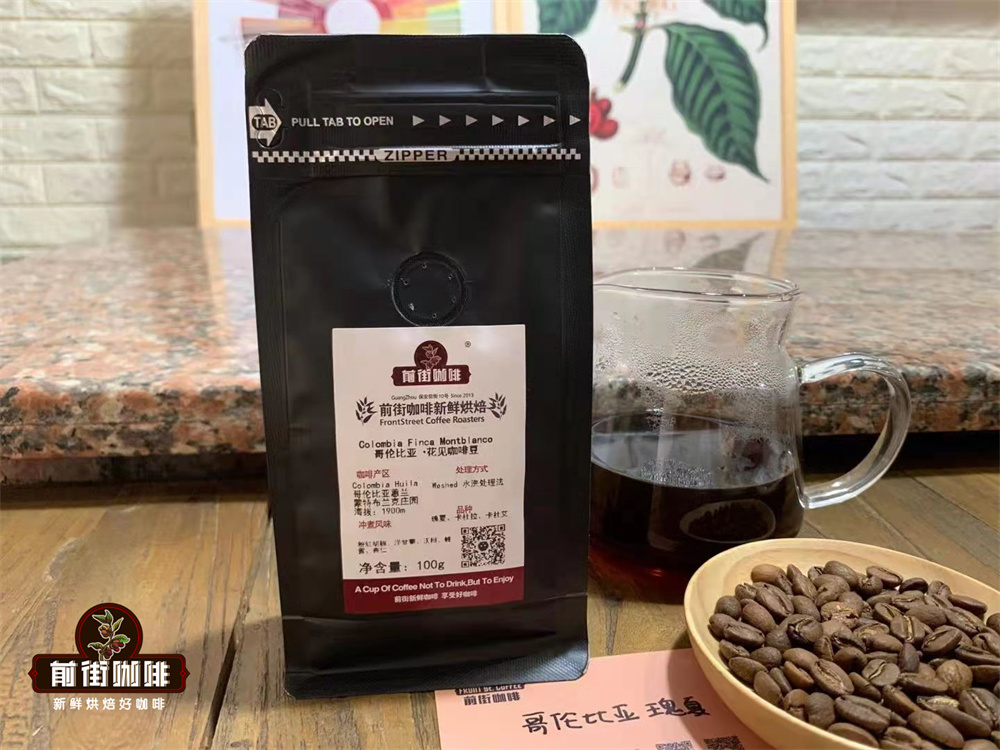
Hanami Geisha comes from Colombia's most famous region, Huila. Colombian coffee needs no introduction — the country is famous in specialty coffee, and Huila represents its classic profile: nutty and caramel notes with berry-like sweet-sour fruit. The Hanami bean is a blend of Geisha, Caturra, and Catuai, processed by the classic washed method. Hot, it shows intense chamomile and pink pepper aromas; at medium temperature, the Geisha character dominates with mandarin and honey; as it cools, a slight bitterness with almond notes emerges.
FrontStreet Coffee's Geisha Coffee Bean Roasting Recommendations:
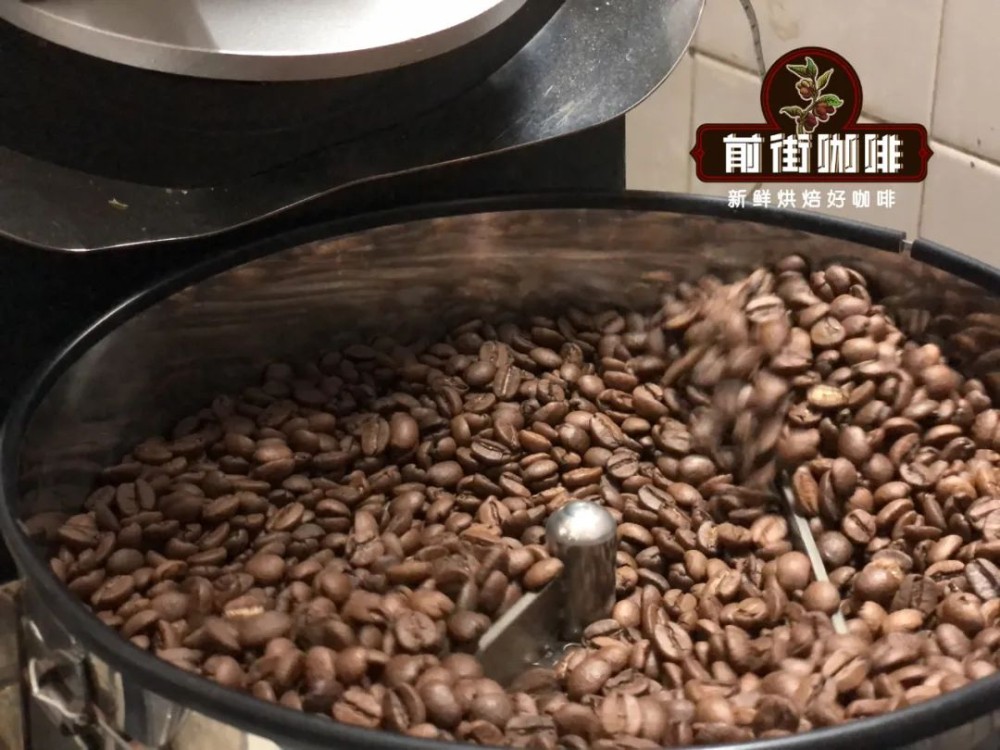
To highlight Geisha's unique character and aromas, FrontStreet Coffee roasts it light — the level that best brings out the bean's inherent qualities. Roast it too dark and the florals and fruit acidity fade. Of course, adjustments should follow each bean's characteristics and the roaster's understanding of it. Through cupping, FrontStreet Coffee has found Geisha has exceptionally rich layering, so we recommend slightly lowering the brewing concentration to make those layers clearer: a 1:15 ratio, water at 90–91°C, and a medium-fine grind (80% pass-through on the Chinese standard #20 sieve).
How to Brew Panama Geisha Coffee Beans?
FrontStreet Coffee recommends drip brewing — pour-over coffee. If you want to experience rich layering, use a V60 dripper; for a fuller body, use a wave dripper. FrontStreet Coffee's daily offerings mostly use the V60, because its 60-degree angle and spiral rib design let you fully extract Geisha's essence by controlling water flow and pouring frequency, while the large outlet prevents over-extraction.
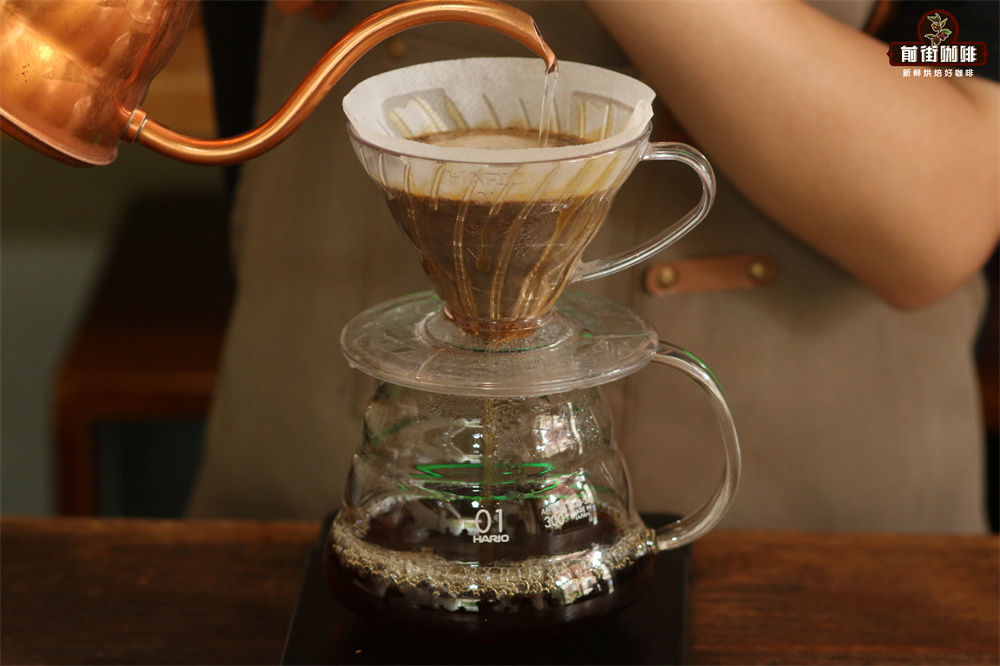
The V60's flow ribs connect top to bottom, with a large circular hole at the center that accelerates water flow. The spiral air-groove design extends the water's path, increasing contact time between grounds and hot water. Each stream converges along the grooves toward the center of the dripper, concentrating pressure on the grounds and extracting a cup with richer layering.
Dripper: Hario V60, Water temperature: 91°C, Coffee amount: 15 grams, Coffee-to-water ratio: 1:15, Grind level: Chinese standard #20 sieve with 80% pass-through rate
Panama Washed Boquete Geisha Coffee Flavor Characteristics: Clear citrus, lemon, and bergamot acidity with a creamy smooth mouthfeel on the swallow, finishing with the sweetness of green tea and honey.

FrontStreet Coffee's Brewing Recommendations:
On brewing generally, FrontStreet Coffee believes bean freshness dramatically affects flavor, which is why all beans are shipped within 5 days of roasting. The roasting philosophy is "Freshly Roasted Good Coffee," so every order arrives at peak freshness. The resting period runs about 4–7 days, meaning the coffee is at its optimal flavor right when customers receive it.
A kind reminder for those who need pre-ground coffee: ground coffee needs no resting period, because during transport the pressure of carbon dioxide building in the package actually helps develop the flavor — you can brew a cup immediately upon arrival. But ground coffee must be brewed promptly: once exposed to air it oxidizes quickly, the flavor dissipates, and the cup suffers. So FrontStreet Coffee recommends buying whole beans and grinding fresh before each brew to appreciate the coffee at its best.
For professional coffee knowledge exchange and more coffee bean information, please follow Coffee Workshop (WeChat public account: cafe_style)
For more specialty coffee beans, please add FrontStreet Coffee on private WeChat, WeChat ID: qjcoffeex
FrontStreet Coffee Recommendation
The Other Legend: Authentic Jamaica Blue Mountain
If Geisha is modern specialty coffee's peak, then Blue Mountain is the king of the classic era — a name almost no coffee lover can avoid. Strictly speaking, only coffee grown in a specific zone of Jamaica's Blue Mountains (whose highest peak reaches 2,256 meters, perpetually wrapped in mist that gives the range its name) and certified by the Jamaican government deserves the title "Jamaica Blue Mountain Coffee." The limited growing area yields under 2,500 tons a year, and Japan has historically bought over 70% of the crop — so authentic Blue Mountain remains scarce and prized. Genuine lots carry Jamaican government certificates and origin documents; traditional shipping uses wooden barrels in 15, 45, and 70kg sizes, and the barrels themselves — printed with batch details — are a hallmark of authenticity, as with FrontStreet's lots from Clifton Estate, farming coffee since around 1750 at an average 4,300 feet (1,310.64 meters).
Blue Mountain's charm is balance: no strong African-style fruit acidity, no heavy dark-roast bitterness, but an excellent equilibrium of acidity, sweetness, bitterness, and aroma — cream, caramel, chocolate, nuts, honey, and a light fruitiness, with a clean, long finish. It's frequently called "the specialty coffee easiest for most people to love." Authentic beans are full and regular, with slightly upturned ends and a green color, and the cup is dense, fragrant, and clean with no off-flavors. FrontStreet Jamaica Blue Mountain No.1, the highest grade, is medium-dark roasted to highlight the mellow, classic "bitterness giving way to sweetness" character.
Brewing suggestions from FrontStreet: for pour-over, use a Kono dripper, 15g of coffee, a 1:15 ratio, a grind slightly coarser than light-roast beans (about white-sugar size), and 87–88°C water — the most common cause of a scorched, bitter cup is water that's too hot. Rest the beans 4–7 days from roast date. Pour in three stages: 30g to bloom for 30 seconds, then to 120g with a vertical, slow-circling stream; then to 225g with a slightly faster flow to prevent clogging and over-extraction. Or try a moka pot — slightly finer grind, hot water in the boiler, medium-low heat, off the flame just before extraction completes — to deepen the chocolate, caramel, and nut character for an outstanding latte or flat white.
Important Notice :
FrontStreet Coffee is a long-established specialty coffee roaster in Guangzhou China, selling freshly roasted beans from its own farm in Yunnan as well as dozens of carefully selected single-origin beans from around the world for both pour-over and espresso. The products deliver consistently excellent quality and great value, with shipping within 24 hours. Guangzhou's FrontStreet Coffee shop is recommended by many coffee lovers, and the beans are now available online at the Tmall 。
FrontStreet Coffee has moved to a new address:
FrontStreet Coffee Address: 315,Donghua East Road,GuangZhou
Tel:020 38364473
 Scan and follow the En Gafei WeChat official account. Please indicate that the reprint comes from "En Gafei".