Luckin Coffee Signs Major Deal! Poised to Become China's Largest Buyer of Bouchard Coffee Beans?!
On December 21st, Luckin Coffee signed a new coffee bean procurement agreement at its Shanghai R&D Center. Under the agreement, Luckin will purchase over 3,000 tons of high-quality Ethiopian green coffee beans in the first quarter of 2022, including 2,000 tons of premium-grade Yirgacheffe and 80 tons of Sidamo Guji beans.

What does 80 tons of Sidamo Guji mean? Reports indicate that domestic green coffee importers currently bring in a combined total of only 30-40 tons of Guji beans per year - and Luckin is not buying through distributors, but directly from origin. The Guji Luckin will procure in the first quarter of next year alone is twice the annual import volume of all domestic importers combined, potentially making Luckin the largest Guji buyer in the country!
At this point, some may ask: aren't Guji beans just the natural-processed coffees from the Buku processing plant? Since Guji coffee won its championship in 2017, DW Foods has steadily added processing plants in the core Dimtu production area of Hambela, including "Buku Abel," "Buku Saysay," "Haro Soresa," and "Tirtiro Goye." Together they can produce over 1,000 tons of Guji coffee annually. But in terms of growing area and processing plant, only beans from the "Buku Abel" plant's processing area cover the original small production zone of the 2017 natural "Guji."
The name "Guji" is well known in the coffee industry. Some bloggers once claimed Guji coffee is Geisha - in fact, Guji is a native Ethiopian coffee variety.
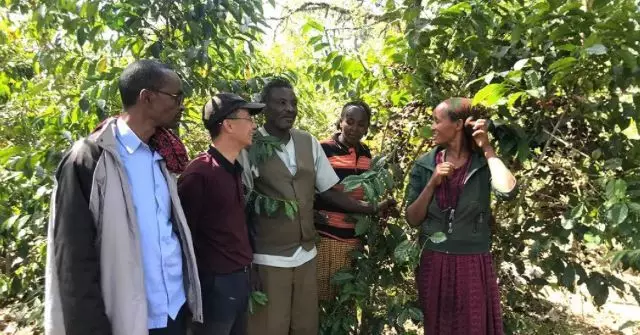
This year (2021), Luckin signed a strategic cooperation framework agreement with the Ethiopian Embassy, committing to purchase 1,000-2,000 tons of specialty coffee from Ethiopia annually in the coming years. This latest deal delivers yet another "major order" to Ethiopia.
According to a Luckin product representative, to secure quality supply for its nationwide stores, Luckin purchased over 11,500 tons of green coffee in 2021, of which over 2,600 tons came from Ethiopia - far exceeding the planned volume under the earlier framework. With its store network still expanding, Luckin expects total green coffee procurement in 2022 to approach 20,000 tons, with Ethiopian beans exceeding 6,000 tons.

Why would Luckin buy such huge quantities of Guji? The company plans to push forward in 2022 around its "professional strategy": by popularizing specialty coffee and making it part of daily life, it hopes to break the stereotype that specialty coffee is "unattainable" and "only for professionals."
How? Luckin will gradually roll out SOE (Single Origin Espresso) across its 5,000+ stores nationwide - and the SOE bean will be Ethiopian Guji, a variety that can hold its own against Geisha.
FrontStreet Coffee Recommendation
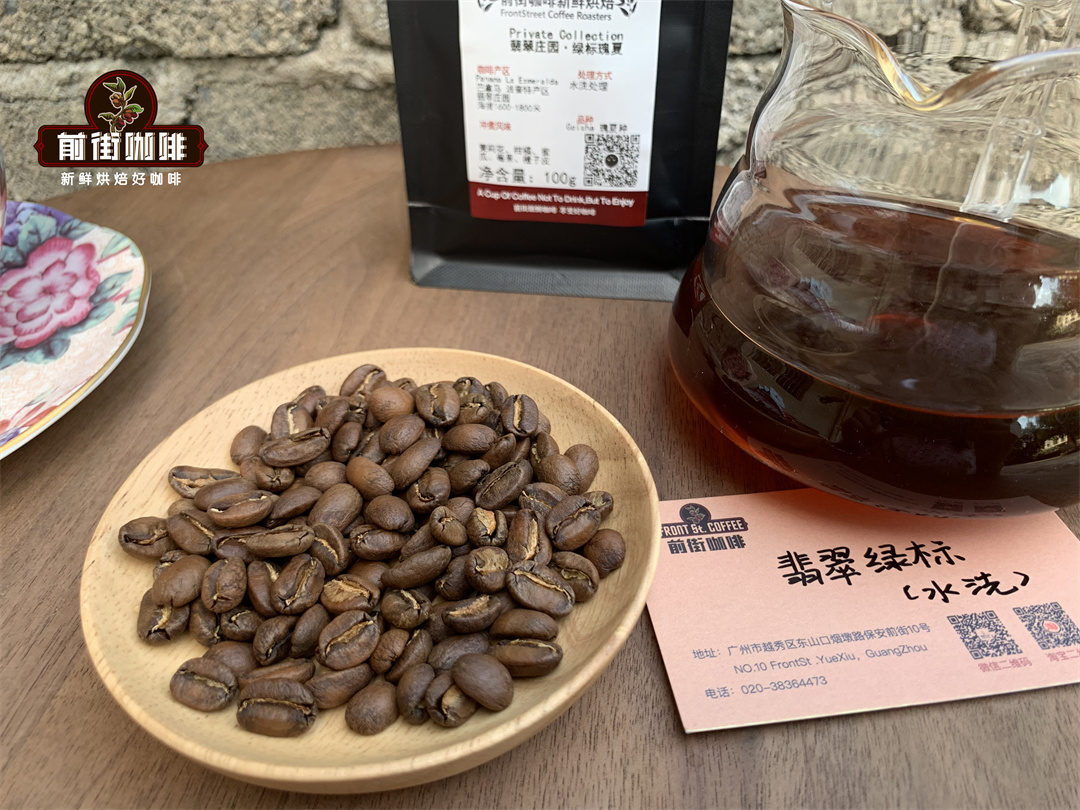
If Luckin's big Guji bet makes you want to taste Yirgacheffe for yourself, start with the FrontStreet washed Konga (Guodingding) Cooperative coffee. Located in the Worka area at the southeastern end of Yirgacheffe, this cooperative was once part of the Worka cooperative under the YCFCU union before being discovered by coffee hunters as a single-origin lot. Washed-processed in the most traditional way, it has none of the classic bitterness - just fresh, bright citrus and lemon acidity wrapped in jasmine fragrance, the taste that makes many coffee lovers fall for Yirgacheffe at first sip.
For a fruitier profile, try the FrontStreet Red Cherry natural coffee from the same region. Only fully ripe, defect-free cherries are picked, sorted again at the station, and sun-dried on raised beds, turned every 2-3 hours in the early days to prevent uneven fermentation. After three to five weeks, the dried fruit is milled and rested. Because the beans dry inside the fruit, the cup keeps classic Yirgacheffe character while gaining tropical fruit aromatics: citrus acidity, berry-like juiciness, honeyed sweetness, and a cream-smooth texture.
Important Notice :
FrontStreet Coffee is a long-established specialty coffee roaster in Guangzhou China, selling freshly roasted beans from its own farm in Yunnan as well as dozens of carefully selected single-origin beans from around the world for both pour-over and espresso. The products deliver consistently excellent quality and great value, with shipping within 24 hours. Guangzhou's FrontStreet Coffee shop is recommended by many coffee lovers, and the beans are now available online at the Tmall 。
FrontStreet Coffee has moved to a new address:
FrontStreet Coffee Address: 315,Donghua East Road,GuangZhou
Tel:020 38364473
 Scan and follow the En Gafei WeChat official account. Please indicate that the reprint comes from "En Gafei".