What Does Coffee Complexity Mean? How to Describe and Express the Layers of Coffee Flavor, Texture, and Aftertaste
When tasting coffee, attributes like acidity, sweetness, mouthfeel, and aftertaste are easy to grasp. But then someone says, "This coffee has such rich layering"—what exactly does that mean?

Coffee Layering
Layering feels both familiar and strange: familiar because the word is everywhere, strange because we've never really stopped to define it. It carries the aura of something that "can only be sensed, never put into words."
But if we must define it, FrontStreet Coffee would put it this way: layering is the sequence of distinct flavors a coffee presents in the mouth as time—and temperature—pass while you drink it.
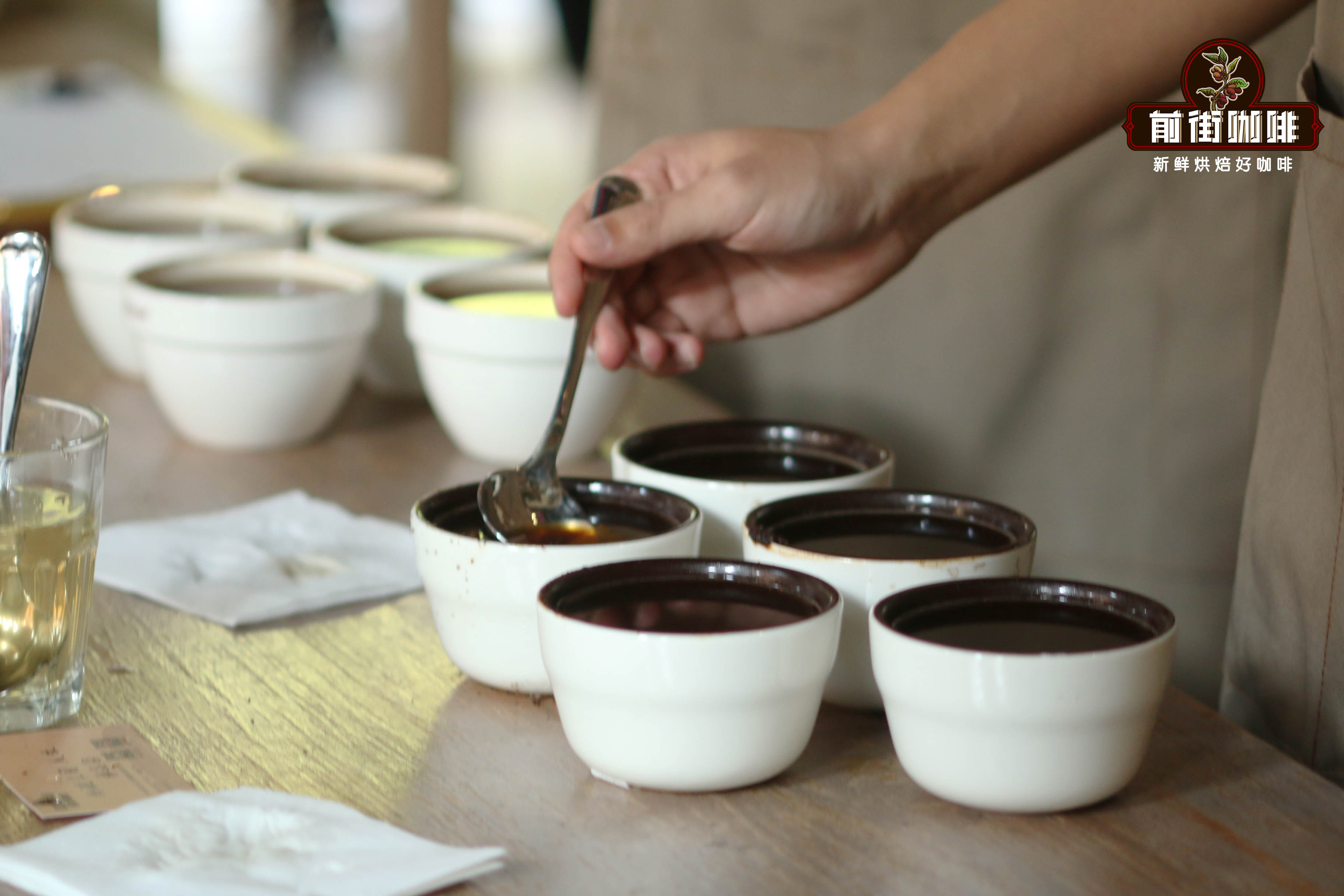
Unpack that. The first element is flavor evolution. Drink a pour-over and if all the cup offers from first sip to last is acidity, it feels one-dimensional—even if there's nothing unpleasant in it. But if the coffee opens with an eye-catching brightness, then unfolds into sweetness in the mouth (mandarin orange, honey), all wrapped in a faint but enticing jasmine fragrance—that progression is layering.
The second element is flavor clarity—not cleanliness, but how distinguishable each flavor is. Picture a three-drink flight: cola, Sprite, orange juice. Tasted separately, the three are unmistakable. Mix them into one glass and they blur into a muddle. Coffee works the same way: it must offer many flavors and express each one clearly to count as layered. Otherwise you get the muddy sensation of mere flavor complexity, as in the example above.

What Affects Coffee Layering?
Three main factors shape layering: processing method, roasting, and brewing.
Start with processing. Naturally processed beans hold an advantage over washed beans in expressing layering—note, an advantage, not a guarantee; naturals don't automatically out-layer washed lots. Their edge comes from richer flavors, and that breadth depends on which substances take part in fermentation and for how long. On the layering track, then, beans with higher fermentation degrees start with a head start.

If you want to taste strongly layered coffee, look for beans processed as naturals, black honey, or anaerobic lots.
Next, roasting. Layering generally shows up in the color difference between the roasted-bean Agtron value and the ground-coffee Agtron value. Within a sensible range, the larger that gap, the better the layering.
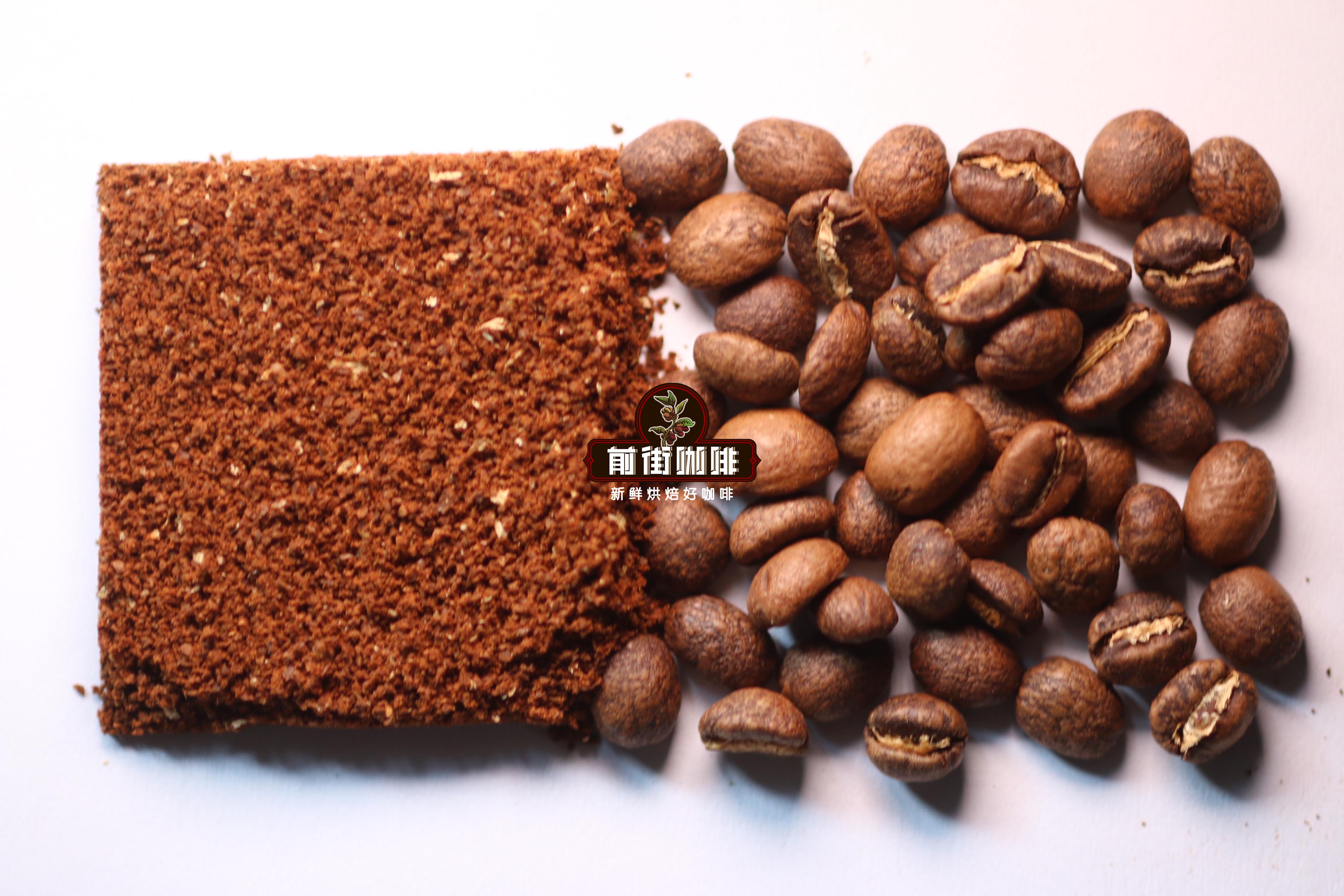
Then brewing. You've probably heard that keeping some fine particles enhances layering—because fines and coarse particles extract at different rates, creating flavor complexity, which is really just a controlled degree of uneven extraction. Get it wrong in both directions and you lose: too many fines breed harsh off-flavors, while none at all flattens the coffee. Excellence here means making reasonable trade-offs to find the optimal balance.
Pouring technique can shape layering too—multi-stage pour-over brewing, for instance, is an effective way to build it.
FrontStreet Coffee Recommendation
To taste layering for yourself, start with a bean built for it. The FrontStreet natural Huakui from Ethiopia—natural-processed with a long fermentation—unfolds in waves: strawberry and passion fruit up front, jackfruit and lychee in the middle, honeyed sweetness carrying a floral finish. It's the textbook demonstration of flavor evolution, with so little bitterness that newcomers drink it happily.
For a washed-bean contrast, the FrontStreet Worka Gedeb from Yirgacheffe proves that clarity creates its own kind of layering: jasmine florals, bright citrus acidity, and berry tones each arrive distinctly, closing on a green-tea sweetness. And for an anaerobic or honey-processed option with concentrated sweetness, the FrontStreet Costa Rica Blackberry—black honey processed—delivers blackberry aroma and syrupy sweetness with a clear, resonant finish.
On the brew side, try a three-pour method on a V60: 90–91°C water, a 1:15 ratio, grind near fine granulated sugar, and pour in three stages to 225 g. Sip slowly from hot to cool—you'll hear each layer introduce itself in turn.
Important Notice :
FrontStreet Coffee is a long-established specialty coffee roaster in Guangzhou China, selling freshly roasted beans from its own farm in Yunnan as well as dozens of carefully selected single-origin beans from around the world for both pour-over and espresso. The products deliver consistently excellent quality and great value, with shipping within 24 hours. Guangzhou's FrontStreet Coffee shop is recommended by many coffee lovers, and the beans are now available online at the Tmall 。
FrontStreet Coffee has moved to a new address:
FrontStreet Coffee Address: 315,Donghua East Road,GuangZhou
Tel:020 38364473
 Scan and follow the En Gafei WeChat official account. Please indicate that the reprint comes from "En Gafei".