Moka Pot Coffee Brewing: Pros, Cons, and Usage Tips - Why Few People Use It and Does It Make Espresso?
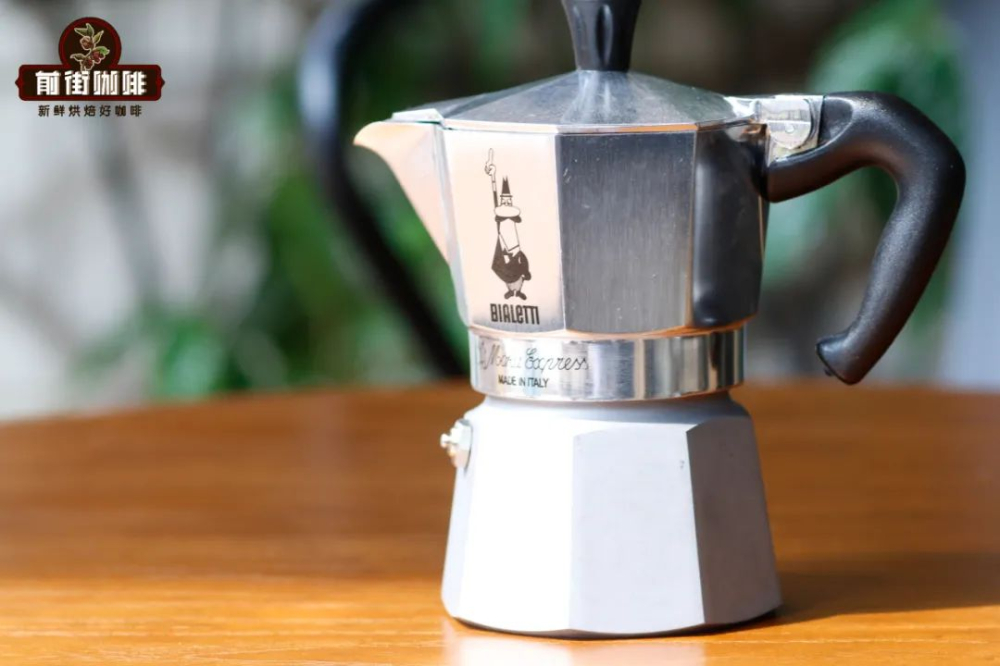
The Moka pot is a wonderfully convenient coffee brewer. Compared with an expensive, complicated espresso machine, it needs only water and an open flame to brew a cup once the beans are ground. Many readers have asked FrontStreet Coffee for tips on using it, so we will take a Bialetti dual-valve Moka pot as an example and briefly go through how to brew delicious coffee.
Moka Pot Extraction Principle
The world's first Moka pot was invented by Bialetti in 1933. It extracts coffee quickly through heat-generated pressure of around 1-2 bar, making it a miniature espresso machine. Because it is so easy to use, almost every Italian household owns one.

The Moka pot has three parts: an upper chamber, a coffee basket, and a lower base, and it comes in different sizes. FrontStreet Coffee uses a Bialetti three-cup single-valve Moka pot. The lower chamber holds water, the basket holds the grounds, and the upper chamber collects the brewed coffee. When in use, heating the water in the lower chamber generates steam pressure, and the coffee extraction flows from bottom to top. When the pressure is high enough, it pushes upward, sending hot water through the coffee basket. The grounds resist the flow, and finally the hot water overcomes that resistance and rushes into the upper chamber as rich coffee liquid.
By structure and function, Moka pots come in single-valve and dual-valve varieties. A single-valve pot lets the extracted coffee flow straight out of small holes at the top, while a dual-valve pot adds a pressure-accumulating valve to the hollow tube. During extraction, the small outlet holes are blocked, requiring a certain steam pressure to push them open. Dual-valve pots therefore extract richer oils and more intense flavors with greater steam pressure. The higher pressure can easily over-extract, though, so the grind size and dose need adjusting.
Moka Pot Operation
Extracting coffee with a Moka pot is not complicated. All you need are coffee beans, a grinder, and a heat source such as a gas stove or induction cooker.
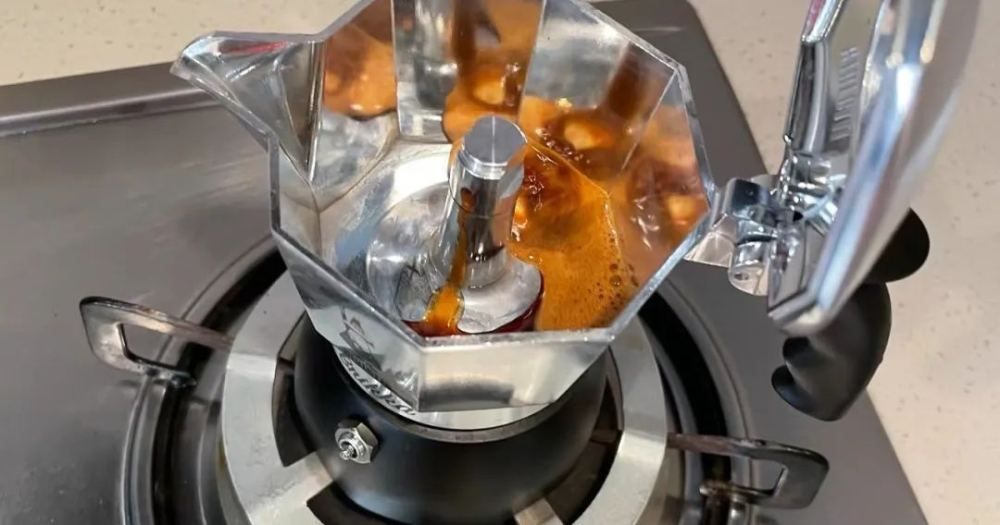
First, remove the base and add water to the lower chamber, keeping the level below the pressure relief valve line; hot water can shorten the brewing time. FrontStreet Coffee adds 130ml here. Pour grounds at an EK-43s setting of #3-3.5 into the basket until it is nine-tenths full, level them with your finger, and place the basket in the base. Then screw the upper and lower chambers tightly together and set the pot on a gas stove or induction cooker. With an open flame, keep the flame from spreading beyond the base of the pot. Wait for the pot to heat up, and when you hear a hissing sound, turn to low heat. The coffee and oils will flow out slowly. When the upper chamber is half filled, turn off the heat and move the pot to the table, letting the residual temperature and pressure finish extracting the rest.
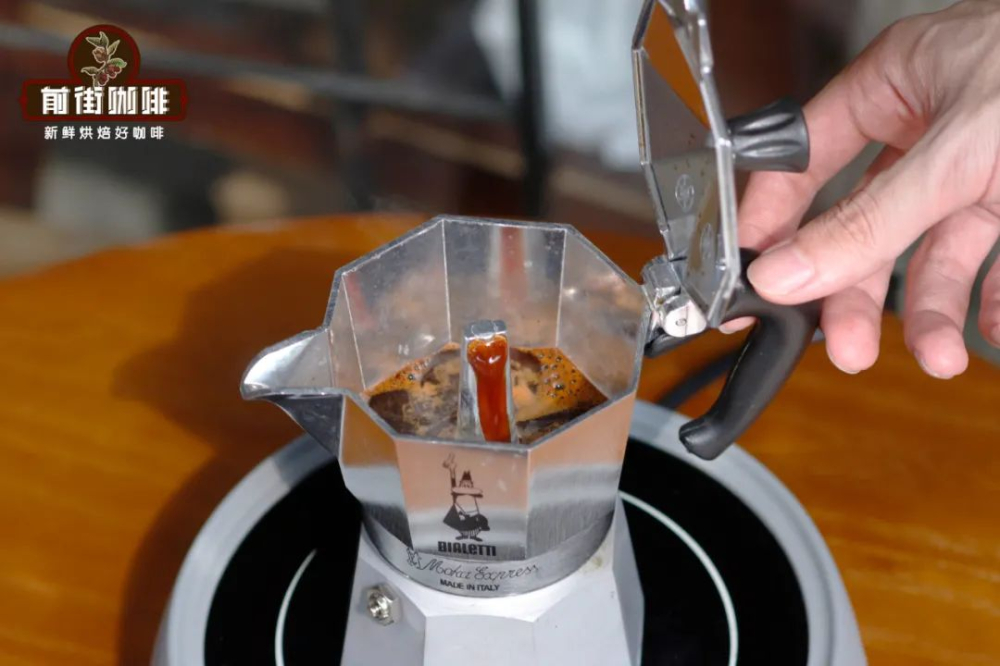
Finally, pour the extracted coffee into a cup. The taste is quite rich, and you can adjust it to your liking with water, milk, or other additions.
Pros and Cons of the Moka Pot
The greatest advantage of the Moka pot is undoubtedly its convenience, compact size, and simple operation. A few steps are enough to extract rich coffee, and the price is quite affordable, satisfying the need without requiring expensive grinding equipment.
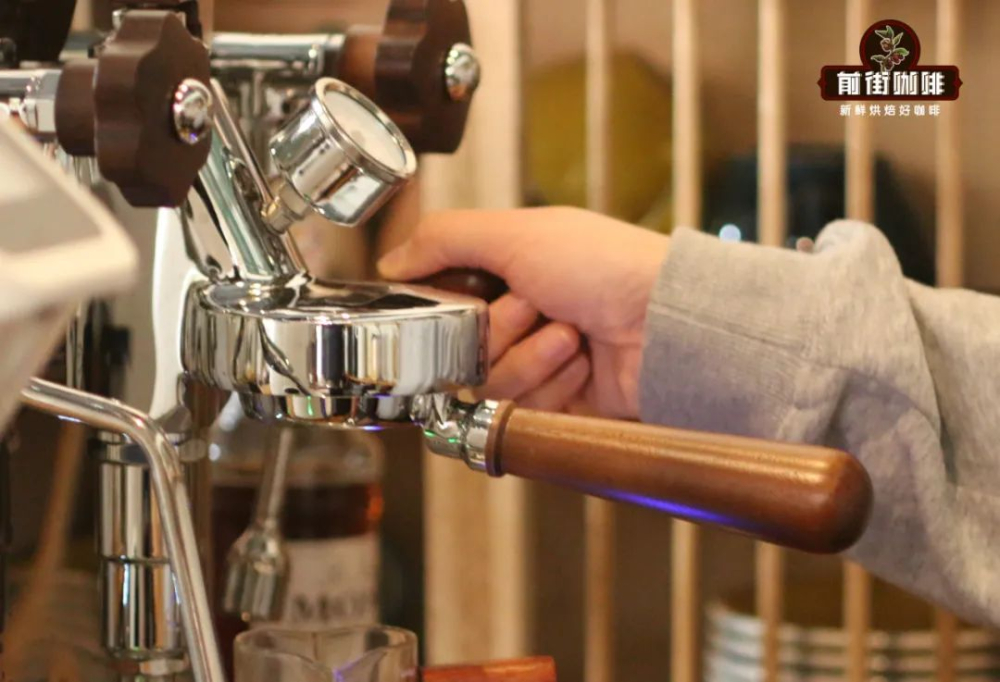
Because of equipment limitations, the flavor in the cup is also compromised. Commercial espresso machines in cafes need at least 9 bar of pressure and a 1:2 coffee-to-liquid ratio to extract a rich, dense, smooth shot. A Moka pot, however, maxes out at about 2 bar with a coffee-to-liquid ratio of around 1:5. The overall concentration will be lower than espresso, the texture is not as delicate, and the pot only lets you watch the extraction visually, so you cannot precisely control the amount. The flavor is not as rich as pour-over either.
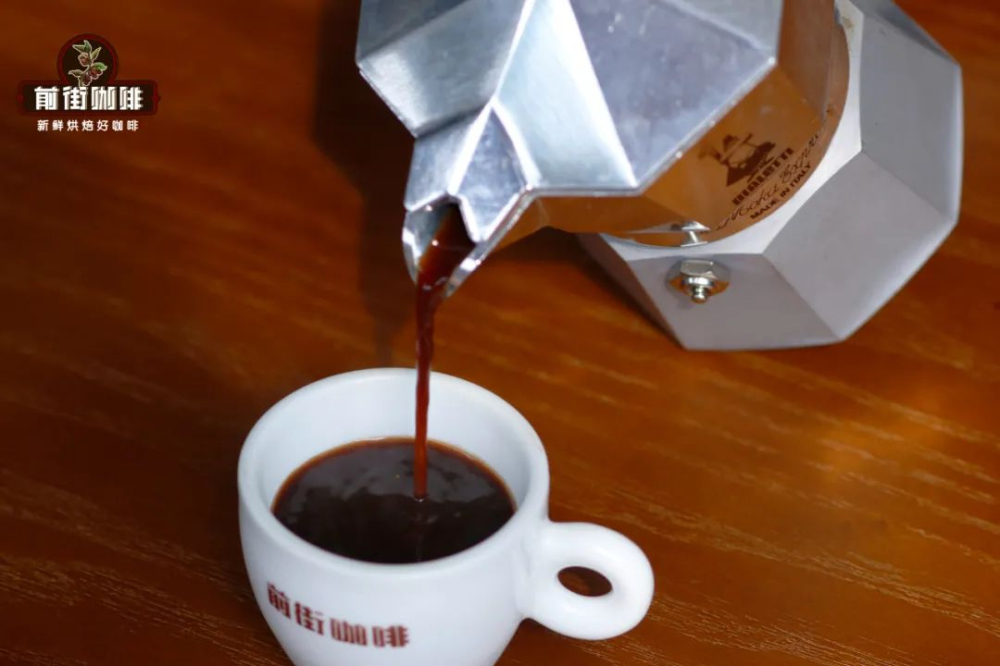
Since most Moka pots are made of metal, the body gets extremely hot when heated. FrontStreet Coffee reminds everyone to be very careful during operation to avoid burns. After use, the pot needs to be cleaned thoroughly; grounds can easily clog the filter holes, and a buildup over time will keep it from working properly.
Which Coffee Beans Are Suitable for Moka Pot Brewing?
Because pressure extraction differs from drip extraction, the beans you use should be chosen accordingly. Imagine the same light-roasted single origin: pour-over will present floral and fruity sweet-and-sour aromas, while pressure extraction will show strong, stimulating acidity. FrontStreet Coffee therefore suggests using medium to dark roasted beans.
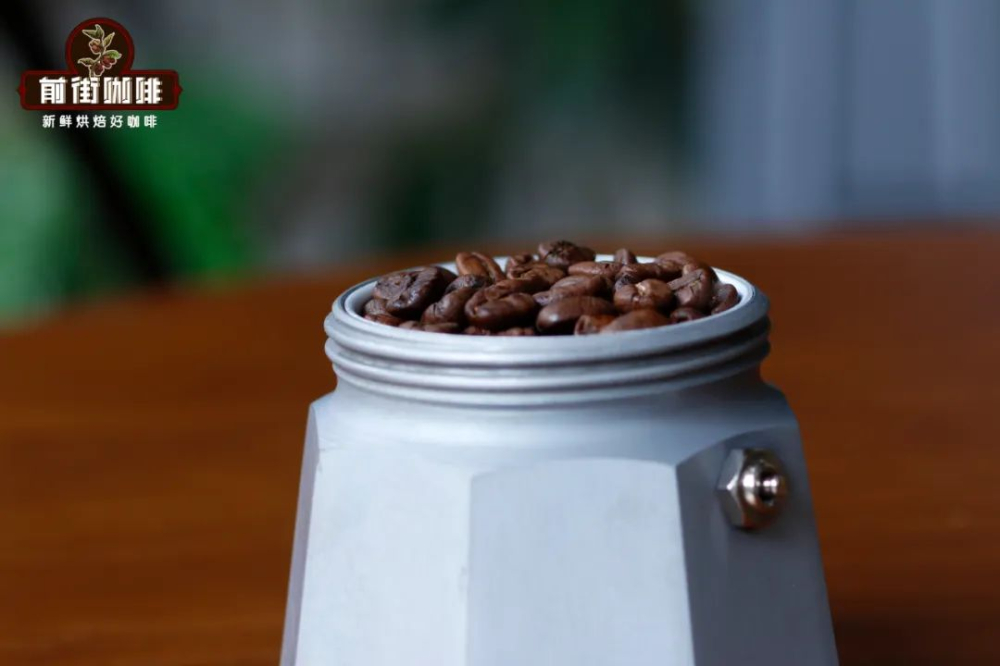
FrontStreet Coffee Sunflower Warm Sun Espresso Blend
The Warm Sun blend is made from Ethiopian natural processed red cherry beans (30%) and Honduras sherry barrel-aged beans (70%). Brewed in a Moka pot, it has a very rich dark chocolate flavor with a strong caramel aroma, and the aftertaste that emerges after swallowing is endlessly memorable. Diluted with water into an Americano or supported by milk into a latte, it presents a full aroma and taste either way.
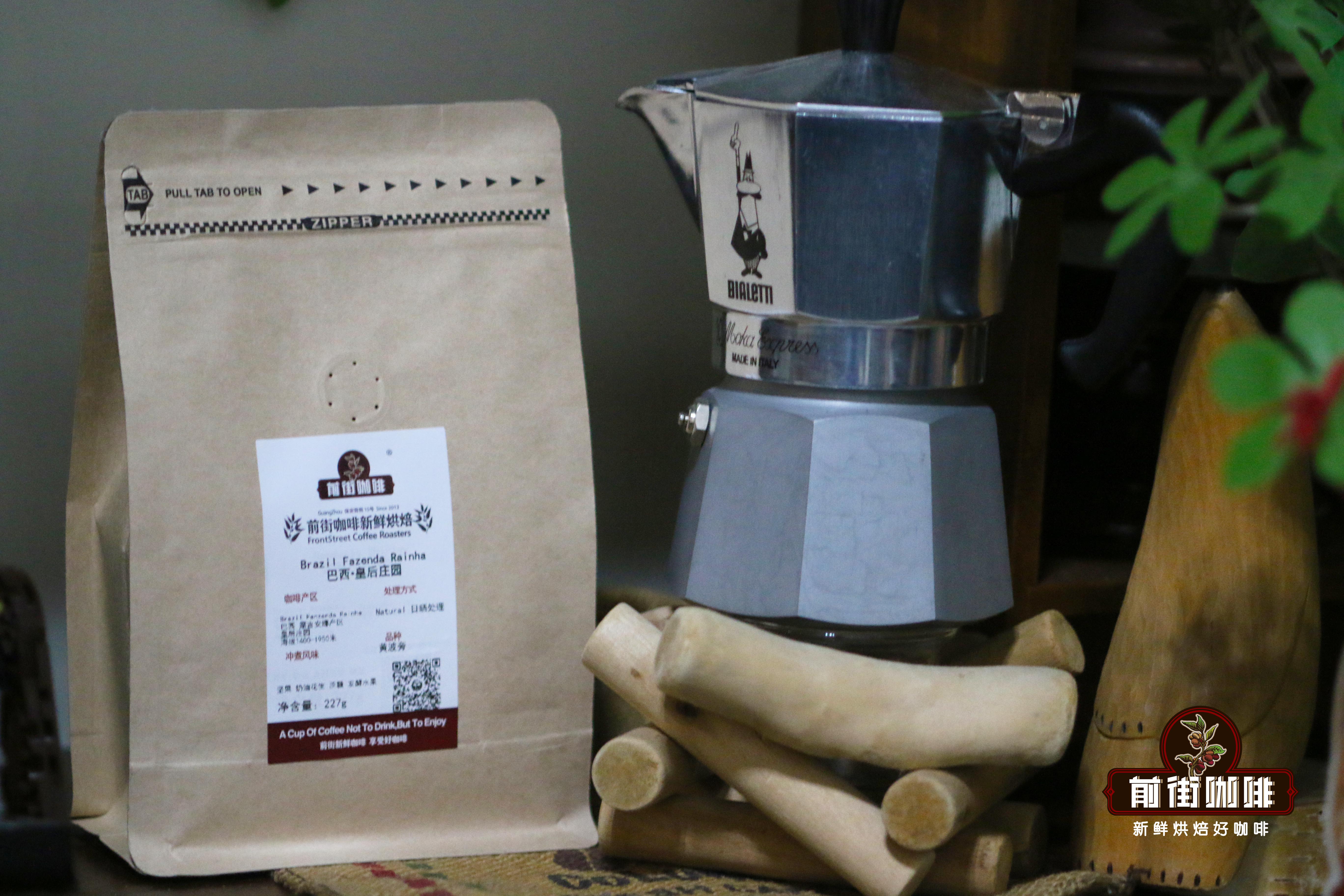
FrontStreet Coffee Brazil Queen Manor Coffee Beans
The Brazil Queen Manor variety is Yellow Bourbon, naturally sweet and clean. Natural processing brings out the coffee's sweet-and-sour taste, with excellent balance and tropical fruit aroma. A medium-dark roast lets the coffee display rich nutty and chocolate flavors, and the pressure-extracted cup is rich and full-bodied with a persistent caramel aroma.
FrontStreet Coffee Colombia Huilan Coffee Beans
Colombian coffee is famous worldwide for its smooth texture and rich nutty chocolate character, and this one uses the high-quality Caturra variety from the renowned Huilan region, where a unique microclimate creates a rich aroma. Water-processed Huilan coffee has chocolate, caramel, and a smooth, pleasant fruit acidity. Made in a Moka pot, it presents a balanced, clean, aromatic taste.
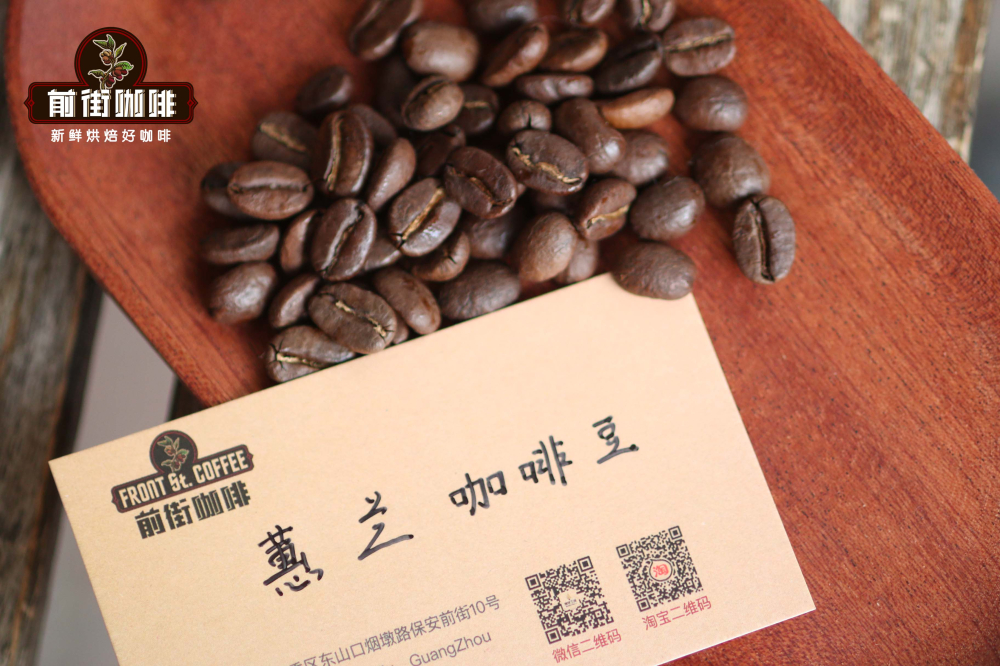
FrontStreet Coffee Recommendation
For the Moka pot, blends are usually the easiest route. FrontStreet Coffee's Classic Blend is designed for espresso and Moka pot alike, and its standout strength is crema: even a beginner on a modest home machine can pull a dense, fine layer of it. Built on a traditional Mamba-style recipe, it is full-bodied and mellow, easy for veterans and newcomers alike, and a safe pick for home or commercial use.
If you would rather keep costs down, FrontStreet Coffee's Black Cocoa Blend uses 100% Arabica with ample crema, a full body, and a friendly price, while FrontStreet Coffee's Commercial Blend costs less than FrontStreet Coffee's Premium Blend yet still balances flavor and cost, which is why it has long been a favorite for cafes. For a single origin, the PWN Indonesian Golden Mandheling is deep-roasted, very low in acidity, and full and lingering, with herbal and dark chocolate notes and a touch of earthiness. The Brazil Queen Manor is another low-acid, well-balanced option, rich in nut and cocoa with clear caramel sweetness and a smooth, dry-free body.
Important Notice :
FrontStreet Coffee is a long-established specialty coffee roaster in Guangzhou China, selling freshly roasted beans from its own farm in Yunnan as well as dozens of carefully selected single-origin beans from around the world for both pour-over and espresso. The products deliver consistently excellent quality and great value, with shipping within 24 hours. Guangzhou's FrontStreet Coffee shop is recommended by many coffee lovers, and the beans are now available online at the Tmall 。
FrontStreet Coffee has moved to a new address:
FrontStreet Coffee Address: 315,Donghua East Road,GuangZhou
Tel:020 38364473
 Scan and follow the En Gafei WeChat official account. Please indicate that the reprint comes from "En Gafei".