
How Long Is the Shelf Life of Drip Bag Coffee? How Much Water Should You Use for the Perfect Brew?

Recently, many people have been asking FrontStreet Coffee whether we sell drip bag coffee. FrontStreet Coffee usually replies, "We do not keep drip bag coffee in stock at the store. If you need some, we make it fresh on the spot." Many customers are puzzled why a coffee shop would not prepare such a simple product in advance. Would it not be more convenient to buy it off a supermarket shelf?
The Greatest Enemy of Good Coffee Is Time
The shelf life of drip bag coffee is typically 12 to 18 months, but that period only guarantees food safety and quality. It has nothing to do with whether the coffee tastes good. What customers actually care about is the flavor window, and in the world of roasted coffee beans, or grounds, that window is short.
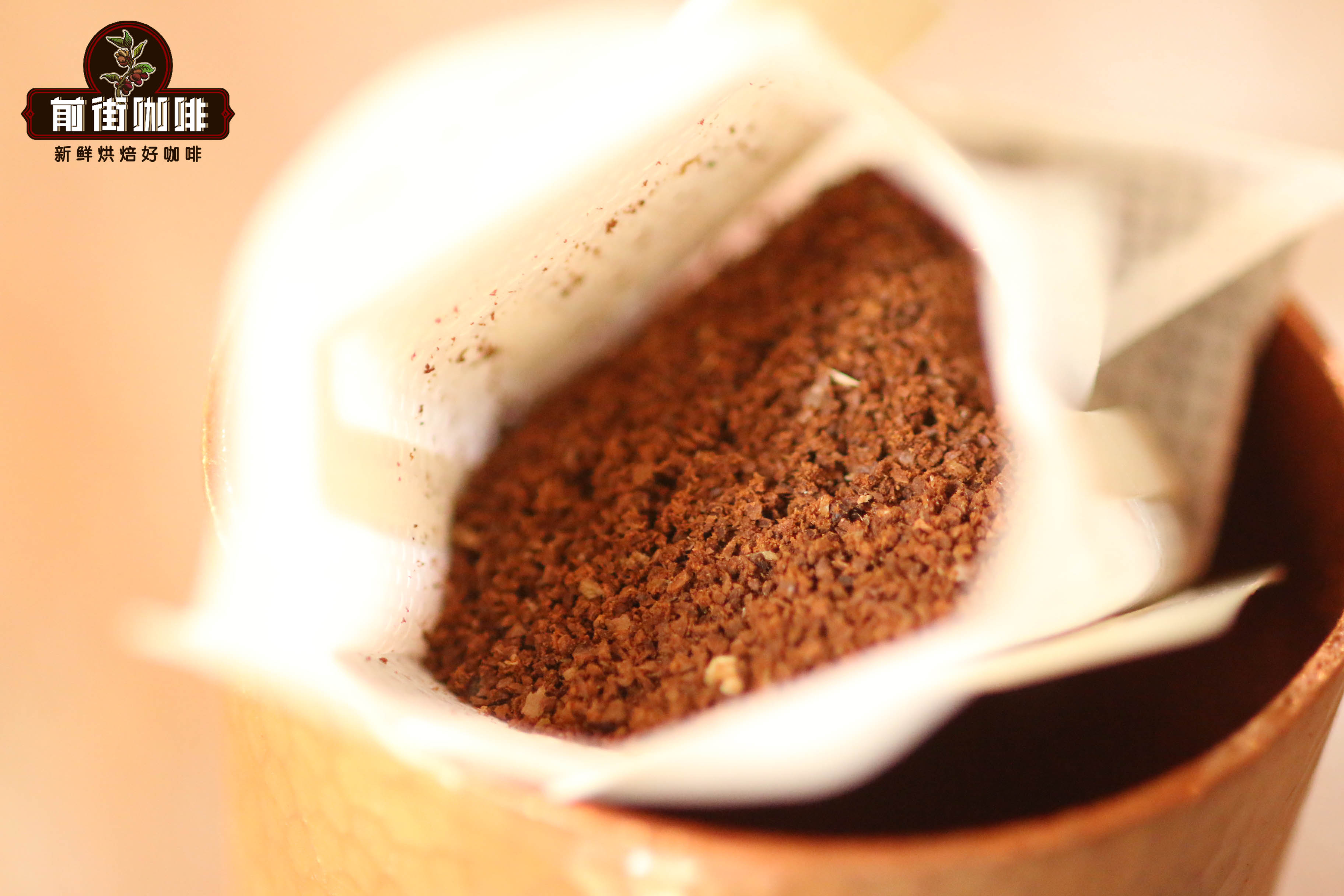
FrontStreet Coffee has run a series of drip bag comparisons. When drip bags are made from beans roasted within 4 days, and the clock starts on the roast date, the flavor is gone after about 3 weeks. Note that this refers to flavor and aroma; the sour, sweet, and bitter tastes are still there. Anaerobic coffees last longer, about 1 month, though a few beans have what might be called "super standby power."

So drip bag coffee really only lets you enjoy a good cup for about 20 days. That is why FrontStreet Coffee insists on not pre-stocking drip bag coffee and makes it fresh when orders come in. We also set the package at 10 small bags, so a customer drinking one bag a day can finish them within the flavor window.
Why Is the Flavor Window of Drip Bag Coffee So Short?
It comes down to how drip bag coffee is made. In general, the beans are ground, the grounds are filled into an inner drip bag and heat-sealed, and that inner bag is placed into an outer packaging bag and heat-sealed again. That completes one small package of drip bag coffee.
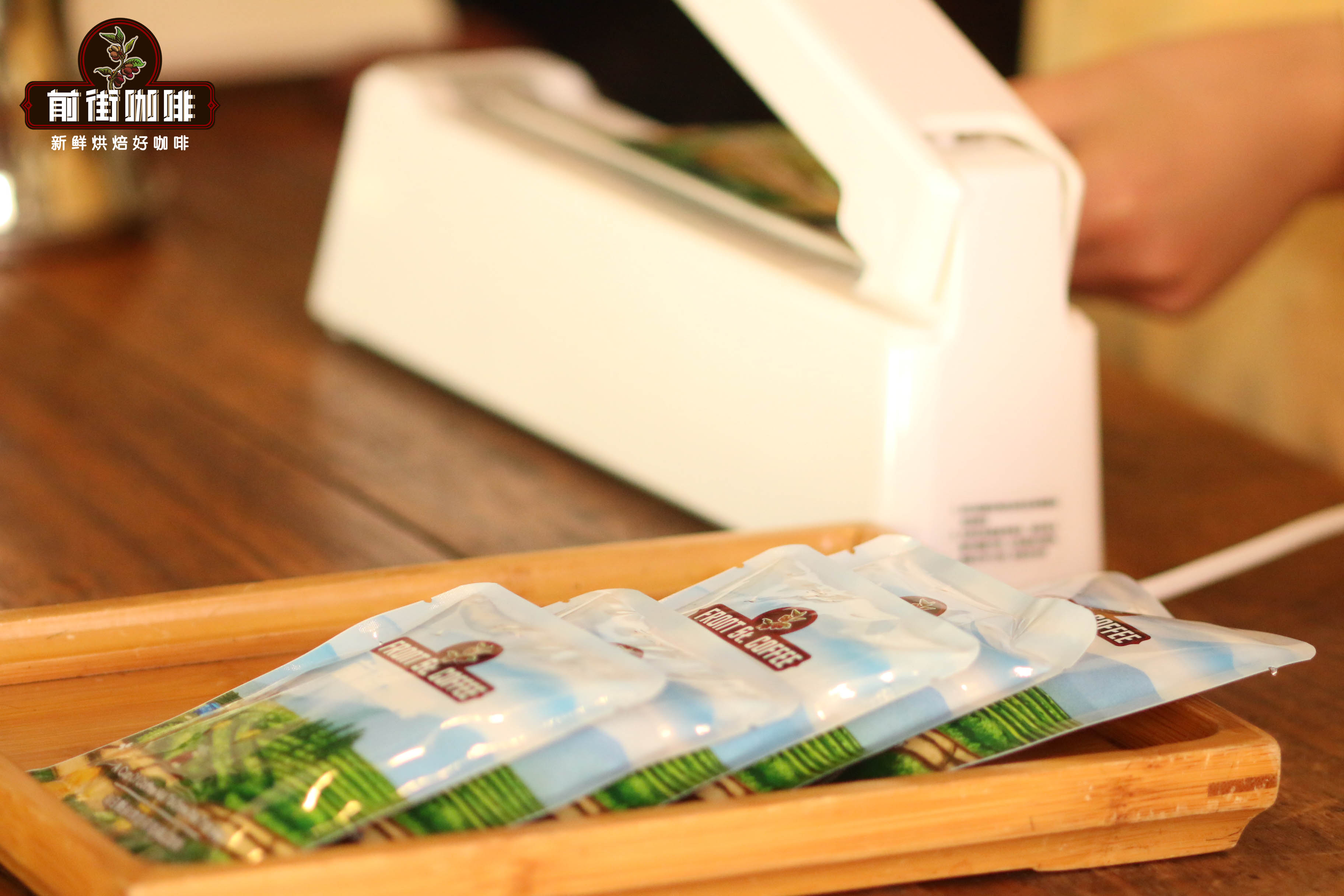
The first reason for the short window is that the coffee is pre-ground. As specialty coffee knowledge spreads, more people recognize how much freshly ground coffee affects flavor. Once ground, coffee loses carbon dioxide and aroma more quickly. Anyone who has bought drip bags can check this themselves: a freshly received drip bag packet is flat with no excess air, while after a few days the outer bag bulges. That is the carbon dioxide and the flavor escaping.
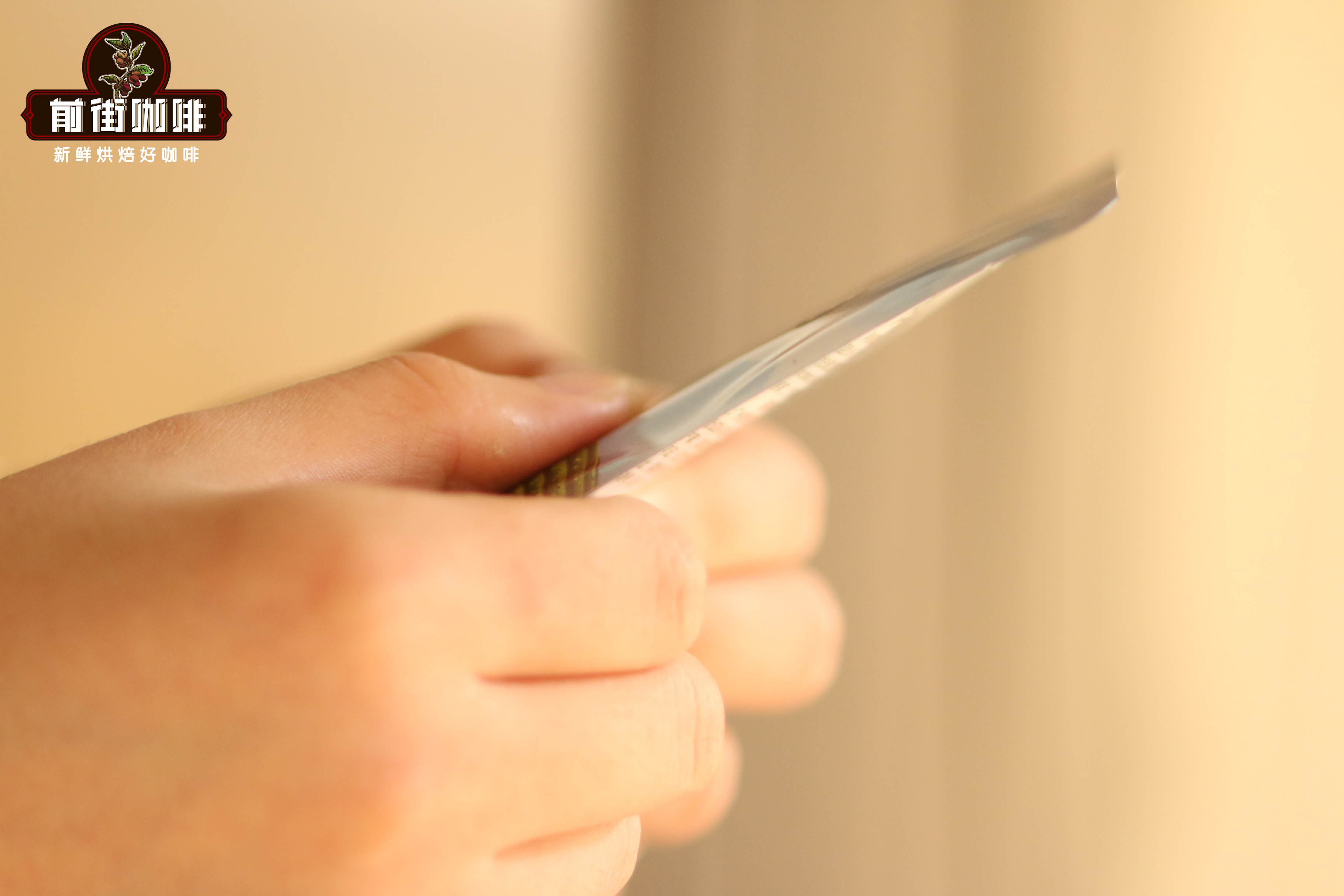
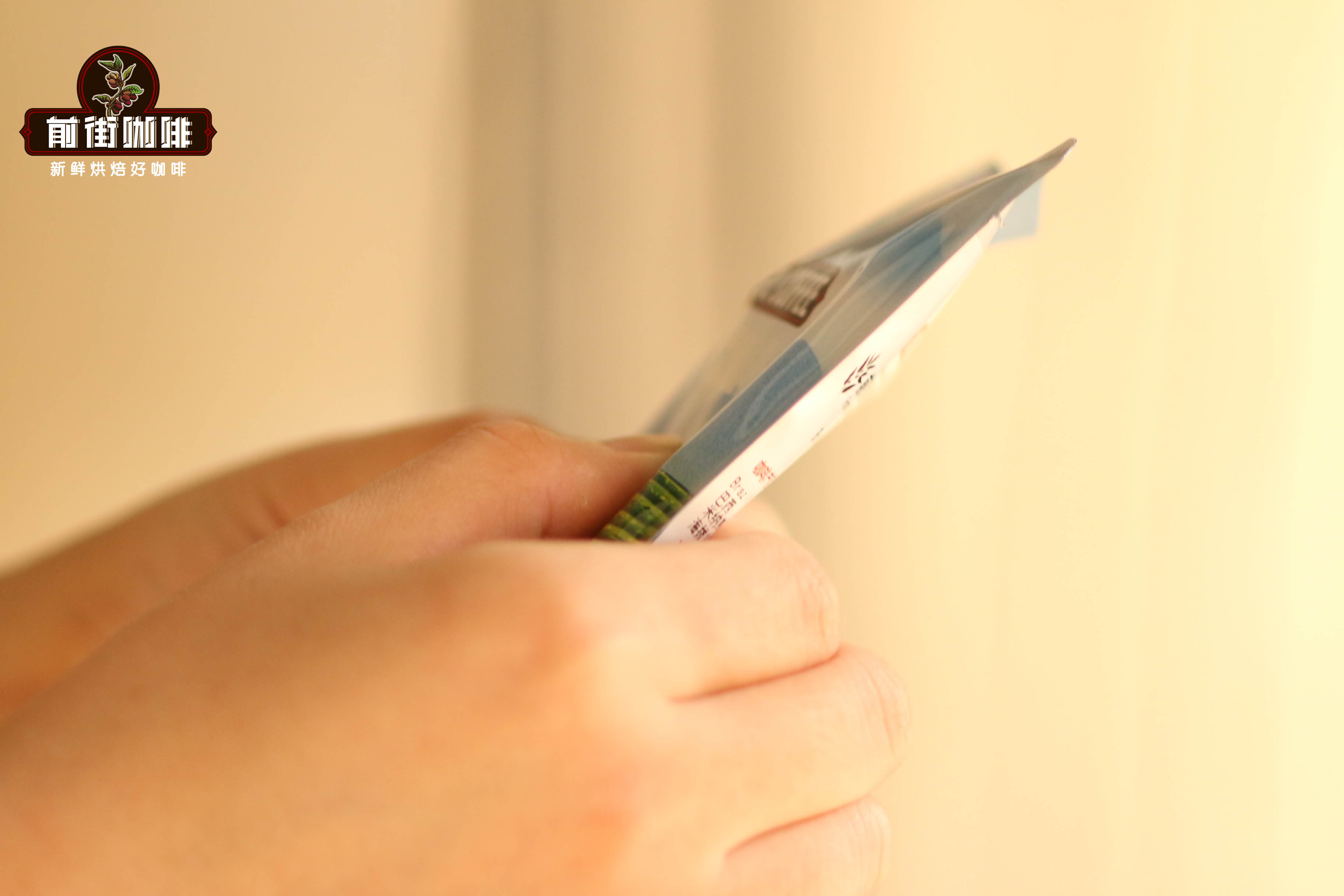
That is why, when FrontStreet Coffee makes drip bags on site, we try to move quickly to reduce flavor loss. Customers should also drink them as soon as they can.
Recommended Coffee Beans for Making Drip Bags
Many office workers ask FrontStreet Coffee to recommend beans suitable for drip bags. FrontStreet Coffee's bean list carries more than fifty single-origin coffees from various regions, and all of them can be made into drip bag coffee. Below are several drip bag coffees with classic profiles.
1. FrontStreet Coffee - Washed Yirgacheffe Gedeb Cooperative Drip Bag Coffee
This Gedeb cooperative coffee from FrontStreet Coffee comes from the famous Yirgacheffe region of Ethiopia, and the beans are washed after picking. Traditionally, Yirgacheffe coffee used the oldest natural processing method, but because early natural beans were mostly dried flat on the ground, they inevitably picked up earthy and dusty off-flavors, and without proper screening the quality was generally average. In 1972, Ethiopia introduced Central and South American washing technology to improve quality, which made the jasmine fragrance and bright citrus-lemon acidity of Yirgacheffe clearer and brighter, lifting it to become one of the representatives of world specialty coffee.

FrontStreet Coffee: Yirgacheffe Gedeb Cooperative Coffee
Region: Yirgacheffe Gedeo Zone
Producer: Gedeb Cooperative
Altitude: 1900-2300m
Variety: Local Landrace (Heirloom)
Processing: Washed
Grade: G1
Flavor: Citrus, Berries, Lemon, Sugarcane, Green Tea
2. FrontStreet Coffee - Brazil Queen Farm Drip Bag Coffee
Queen Farm is located in the Mogiana region of São Paulo state, Brazil. Unlike many large-scale production areas in Brazil that focus on quantity, this area has higher terrain, which forms a relatively unique microclimate. The farm also hand-picks cherries at suitable ripeness, and each batch is processed in small, refined quantities, so most of the coffee it produces is of specialty quality. Queen Farm's greatest pride is the Yellow Bourbon variety, which has won multiple Brazil COE competition awards for its delicate, refined flavor. This Queen Farm coffee from FrontStreet Coffee uses medium-dark roasting, highlighting the classic mellow aroma of Brazilian coffee while showcasing Bourbon's natural sweetness. You taste rich coffee fragrance along with a clear aftertaste.

FrontStreet Coffee: Brazil Queen Farm Coffee Beans
Region: Mogiana Region, Brazil
Farm: Queen Farm
Altitude: 1400-1950m
Variety: Yellow Bourbon
Processing: Natural
Flavor: Dark Chocolate, Cream, Peanuts, Sugarcane, Nuts
3. FrontStreet Coffee - Sidamo Guji Drip Bag Coffee
This Guji coffee from FrontStreet Coffee was the champion of the natural processing category at the 2017 Ethiopia TOH coffee competition. It appeared before everyone with its unique strawberry cream flavor and made a striking impression, so the green beans from that batch were imported to China the same year by the Beijing green bean trader Hongshun. In that same year, Li Jianfei used this bean to win runner-up in the 2017 World Brewers Cup China region competition. This Ethiopian bean stood out among many Geisha competition beans, and so it was named Guji, meaning "flower champion."

FrontStreet Coffee: Sidamo Guji 8.0 Coffee
Country: Ethiopia
Region: Sidamo
Altitude: 2250-2350m
Variety: Local Landrace
Processing: Natural
Flavor: Berries, Floral Tea, Honey, Lemon, Black Tea
How to Easily Brew a Delicious Cup of Yirgacheffe Coffee with Drip Bags
Below, FrontStreet Coffee uses Yirgacheffe Gedeb drip bag coffee as an example to show how to brew drip bag coffee and what details to watch.

First, prepare a cup for the coffee, any clean container will do, including a sharing pot or a drinking cup, plus a kettle for pouring and sufficiently hot water.

Tear open the sealed packaging, take out the drip bag, and tear open the non-woven pocket along the dotted line above. Pull the two "ears" apart, fully open the bag, then hang it on the edge of the cup or sharing pot.

First, use a small amount of hot water to wet all the coffee grounds and let the bed bloom for about 10 seconds. Second, pour in a small, steady stream of water until the liquid level is nearly full, and wait for the coffee to drip down. Once the liquid has finished flowing and the bottom grounds are exposed, pour the final segment of water, again bringing the water level even with the filter bag. Wait for all the coffee to drip into the cup, then gently shake to mix evenly, and it is ready to enjoy.
FrontStreet Coffee Recommendation
Choosing a drip bag is really a question of matching it to the flavor you like. Coffee generally falls into three broad taste styles: fresh and floral, tropical and fruity, and rich and mellow. If you like something clean and bright, with low bitterness and mostly fruit acidity, FrontStreet Yirgacheffe Gedeb is the reference point. It is a washed Yirgacheffe with a clean, refreshing body, bright and rising acidity, citrus at its core, fresh jasmine florals, and a honey finish. It suits newcomers and anyone who enjoys a lighter, more delicate cup.
If you want something sweeter and juicier, FrontStreet Sun-Dried Huakui is one of FrontStreet's best-selling coffees. It carries pronounced tropical fruit aroma with a black tea finish, high sweetness, low acidity, and little bitterness. The beans come from Ethiopia's Guji region at over 2,300 m, where a marked day-night temperature swing lets the cherries absorb more flavor compounds, and after careful sun-drying the sweetness is lifted further.
If you prefer a roasted, full-bodied profile, FrontStreet Indonesia Mandheling is the pick. Mandheling is one of the most famous Arabica coffees in the world, also known as Sumatran coffee, and unlike the fruit acidity of African coffees it carries herbal, spice, and wood notes. Deep roasting brings these forward, and the cup shows rich spice, nut, chocolate, and caramel flavors: strong but not bitter, sweet and full, an excellent choice for anyone who does not enjoy sour coffee.
Important Notice :
FrontStreet Coffee is a long-established specialty coffee roaster in Guangzhou China, selling freshly roasted beans from its own farm in Yunnan as well as dozens of carefully selected single-origin beans from around the world for both pour-over and espresso. The products deliver consistently excellent quality and great value, with shipping within 24 hours. Guangzhou's FrontStreet Coffee shop is recommended by many coffee lovers, and the beans are now available online at the Tmall 。
FrontStreet Coffee has moved to a new address:
FrontStreet Coffee Address: 315,Donghua East Road,GuangZhou
Tel:020 38364473
 Scan and follow the En Gafei WeChat official account. Please indicate that the reprint comes from "En Gafei".

