Moka Pot: High Heat vs Low Heat - Italian Moka Pot Coffee Brewing Timing and Heat Control Techniques
Introduction to Coffee Brewing Methods
Coffee brewing comes in diverse methods, the most common being pour-over, espresso, Moka pot, and French press. As enthusiasts develop their passion, they seek more enjoyment and experience from each method. Compared with tea, coffee brewing demands closer attention to details such as brewing time, grind size, and the techniques suited to each piece of equipment. Today, FrontStreet Coffee will walk you through Moka pot brewing and its key points.
Some people ask FrontStreet Coffee what the difference is between Moka pot brewing and pour-over. The answer: pour-over and Moka pot are two different methods using different equipment, with different techniques and grind sizes, and they produce different taste profiles. Pour-over coffee offers brighter, cleaner flavors than the Moka pot, which lacks the clarity and richness of pour-over but does not have the thickness and crema of espresso.
What Kind of Brewing Equipment Is a Moka Pot?
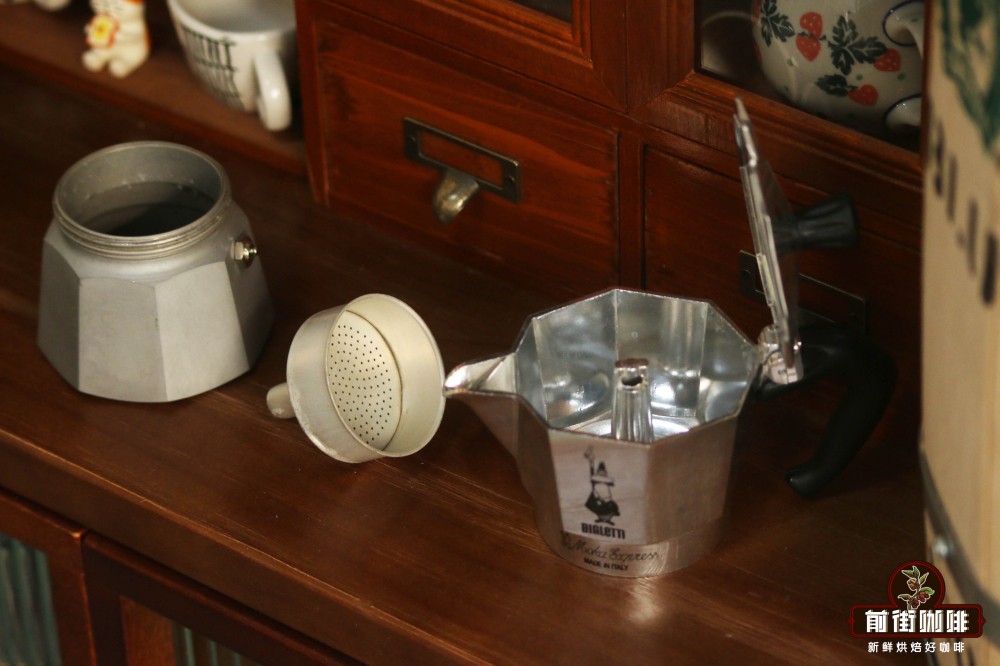
The Moka pot is a coffee brewing device, a traditional Italian coffee maker that many households keep as a simple espresso-making appliance. It was invented in 1933 by the Italian Alfonso Bialetti and named "Moka." Since its invention, the structure has changed little, though there have been many design variations. Its elegant appearance combines practicality and decoration in perfect harmony.
Moka pots come in single-valve and double-valve versions. Double-valve pots can produce more crema than single-valve ones. The single valve refers to coffee flowing directly through two small holes at the top of the hollow tube inside the pot. The double valve adds a pressure-accumulating valve on top of the hollow tube, which normally blocks the coffee outlet holes and requires a certain amount of steam pressure to push it open, causing the coffee to spray out. The flavors differ too: single-valve Moka pot coffee has lower concentration and less crema, while double-valve versions produce higher concentration and more crema.
The Principle of the Moka Pot
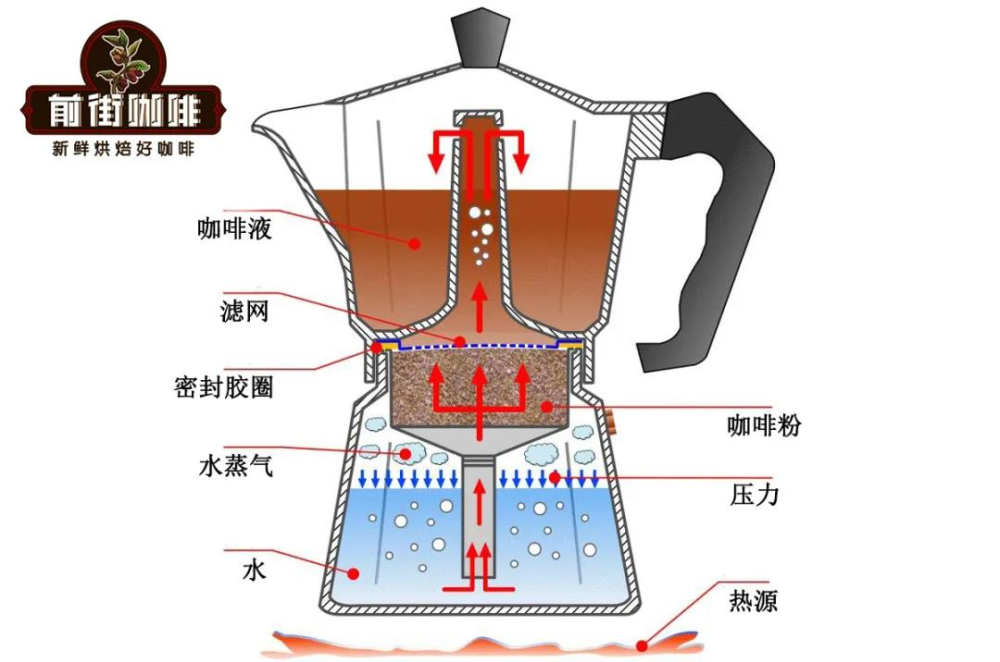
Moka pots can be heated on electric stoves or over open flames. Either way, the basic principle is the same: heating the lower chamber, where the water gradually warms. At the same time, the air in the sealed lower chamber expands with heat, and the hot water is pushed through the coffee grounds in the middle filter by air pressure, extracting coffee liquid that is forced into the upper chamber. The upper chamber is an independent container that holds the coffee liquid one-way only: once coffee flows in, it cannot return. After brewing, simply pour the coffee from the upper chamber into a drinking cup.
The Moka pot's high-temperature, high-pressure extraction is similar to the espresso we commonly know. Higher extraction pressure concentrates coffee flavors better, so Moka pot coffee also has a rich, mellow taste. When using a double-valve pot, the additional pressure-accumulating valve raises the pressure further, making the coffee more concentrated and producing more crema. Unlike espresso, though, the Moka pot's extraction pressure and precision are far inferior to an espresso machine. Freshly made espresso has a rich golden crema floating on top, while the Moka pot, with lower extraction pressure, produces a thinner coffee that cannot be fully considered espresso. Compared with the complexity of espresso extraction, however, the Moka pot is much simpler to operate.
What Should You Pay Attention to When Brewing with a Moka Pot?
Grind Size
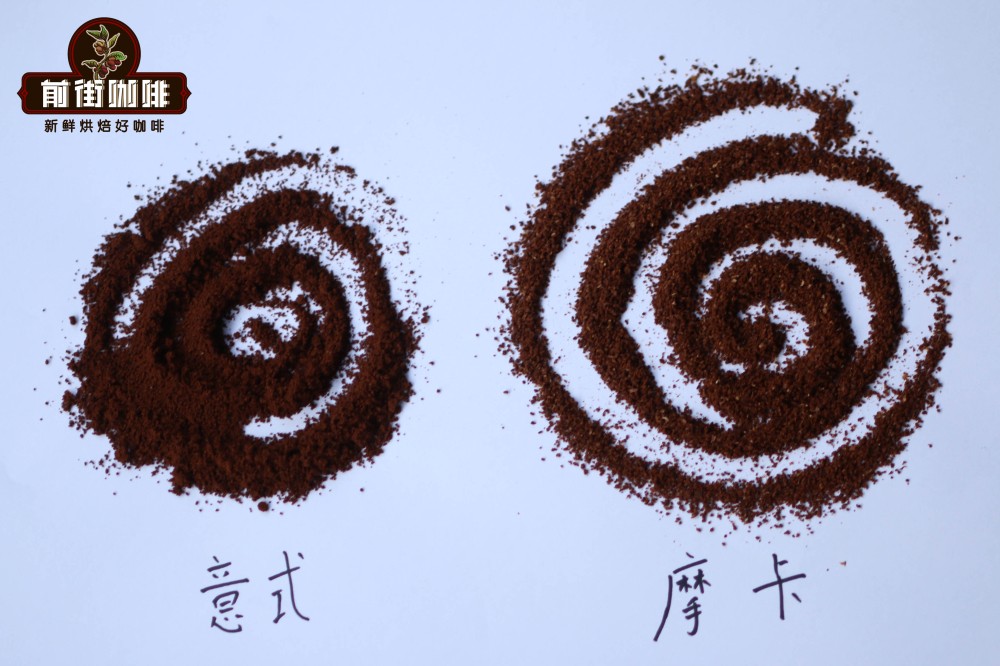
For the Moka pot, the grind should be between pour-over and espresso fineness. Using an espresso grind will over-extract the coffee and make it particularly bitter.
Tamping
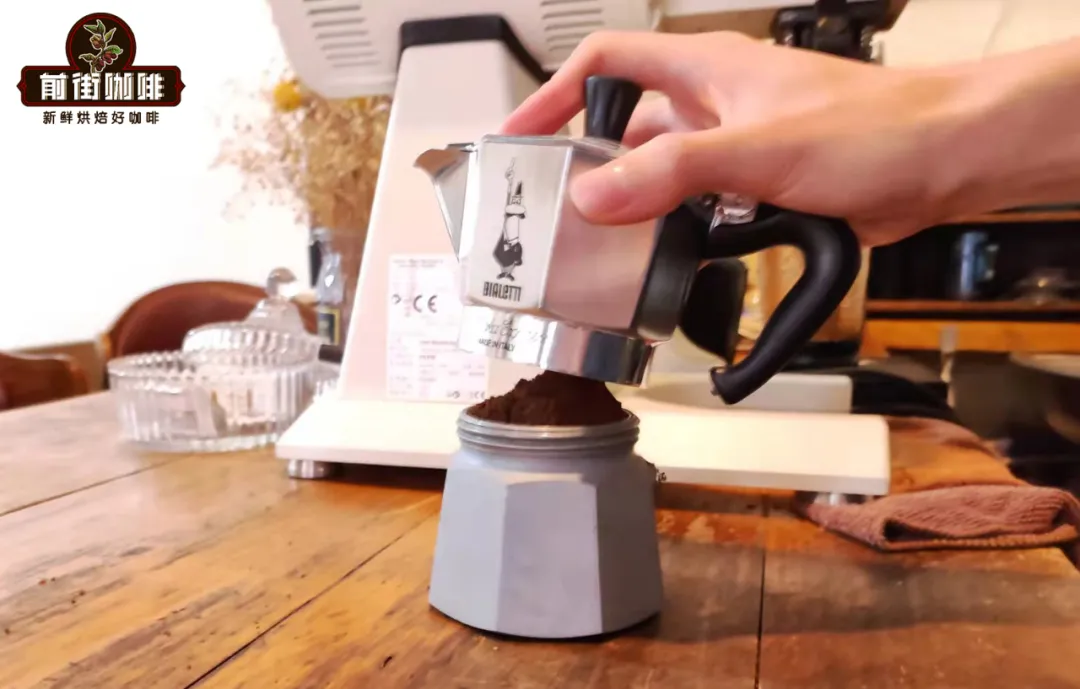
For each cup size of Moka pot, the grounds chamber is designed with a fixed water-to-coffee ratio, so you only need to fill the chamber with grounds. As you fill it, gently shake or tap the chamber to distribute the grounds evenly. After filling, level it gently without tamping. Filling the chamber completely helps ensure consistent density in the filter cup, preventing some grounds from being over-extracted while others are under-extracted, which would cause uneven flavors or bitterness. The result is more complete flavor with fewer defects.
Water Temperature
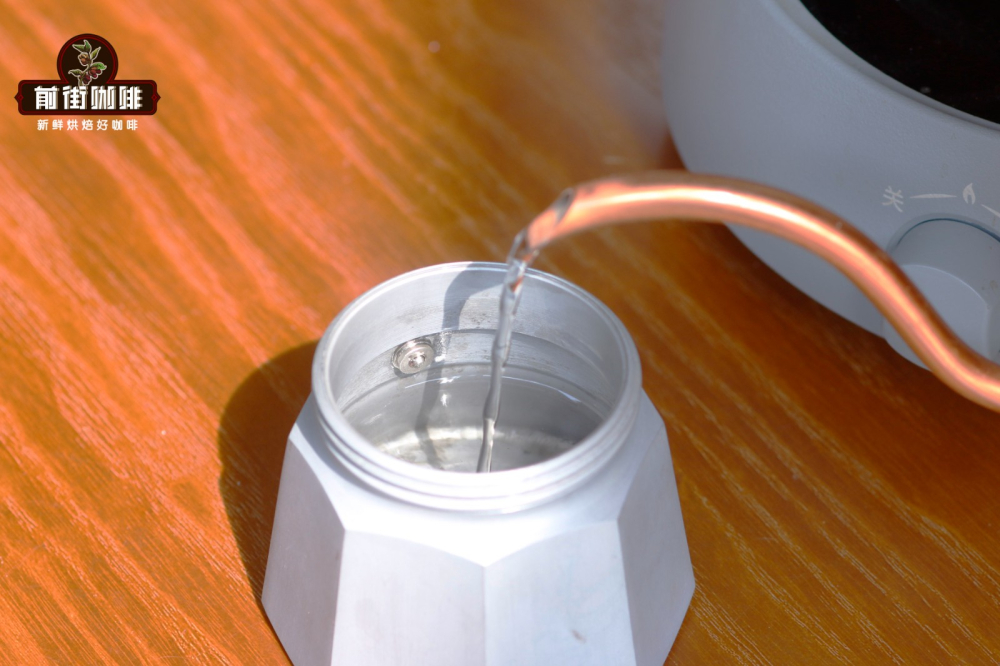
Filling the lower chamber with hot water speeds up extraction, prevents the coffee from burning, and avoids a metallic taste in the coffee liquid.
Extraction Process
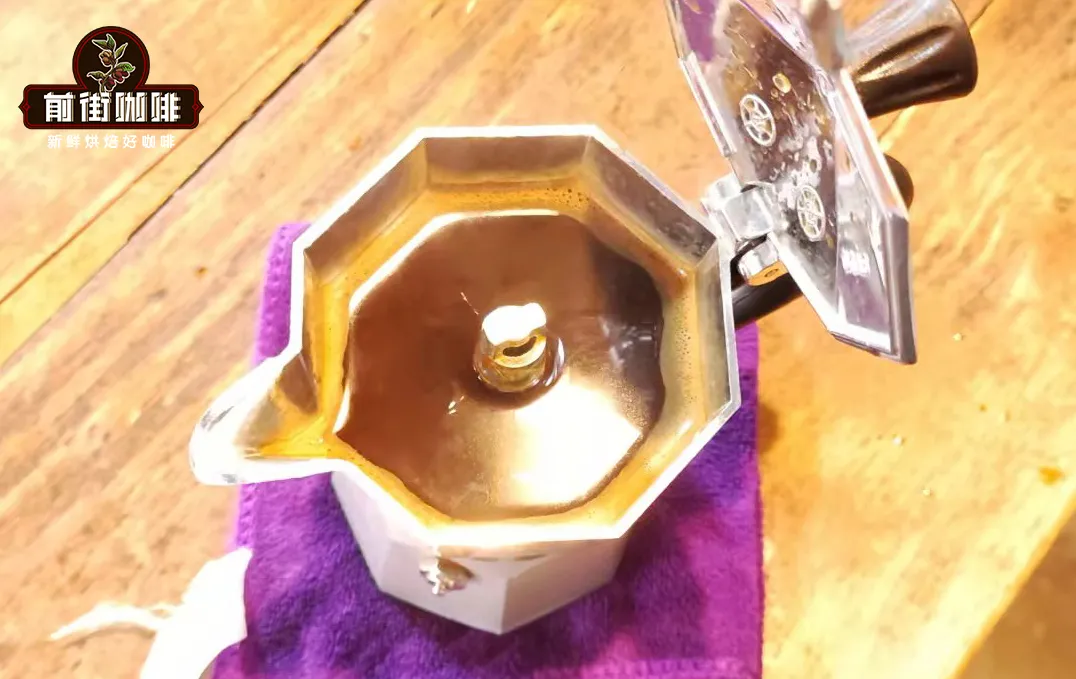
When brewing, place the Moka pot on a medium-to-low heat and keep the upper chamber lid open for observation. Once the pot starts making bubbling sounds, immediately remove it from the heat, close the lid, and let it sit for about a minute to complete extraction. Try not to open the upper lid. If you are unsure when to turn off the heat, you need to open the lid to observe the spray state of the coffee liquid. Of course, keeping the lid open risks the coffee splashing out and burning your skin.
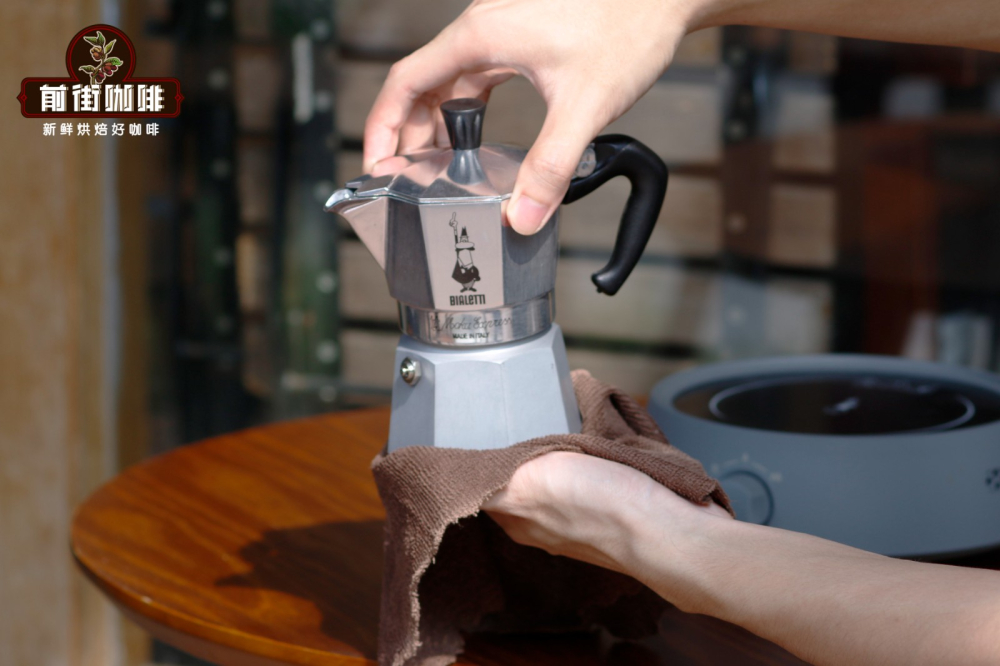
Note that Moka pots use metal components, so try not to touch the pot body while it is very hot. Use a wet towel to avoid burns. If you hear a whistling sound but no coffee overflows from the upper chamber, turn off the heat source first, to avoid the safety hazard of excessive internal pressure.
Cleaning
Coffee brewed in an uncleaned Moka pot easily carries mixed flavors and burnt bitterness. Old coffee stains left on the filter plate, gasket, or extraction channel can cause blockages that affect extraction. So after each use, promptly rinse the Moka pot with clean water, wipe it dry, and let it air dry, so coffee residue does not affect the taste of future cups.
Should You Use High Heat or Low Heat for the Moka Pot?
Some people ask whether to use high or low heat when making coffee with a Moka pot. FrontStreet Coffee believes there is no absolute answer, because Moka pot sizes vary: some are single-serving, some hold three servings, and there are even 12-cup and 18-cup models. We need to adjust the heat according to the size of the pot, the coarseness of the grounds, and the amount of water. So how should we adjust? Observe the speed at which coffee flows from the pot's valve. If the coffee sprays out directly, the heat is too strong and the water force too great, pushing straight through the grounds layer; this leads to under-extraction and a sour taste, so reduce the heat slightly. If the coffee flows too slowly and intermittently, the heat may be too low; excessive extraction time makes the coffee very bitter, so increase the heat slightly. That way the brewed coffee will not be as bitter.
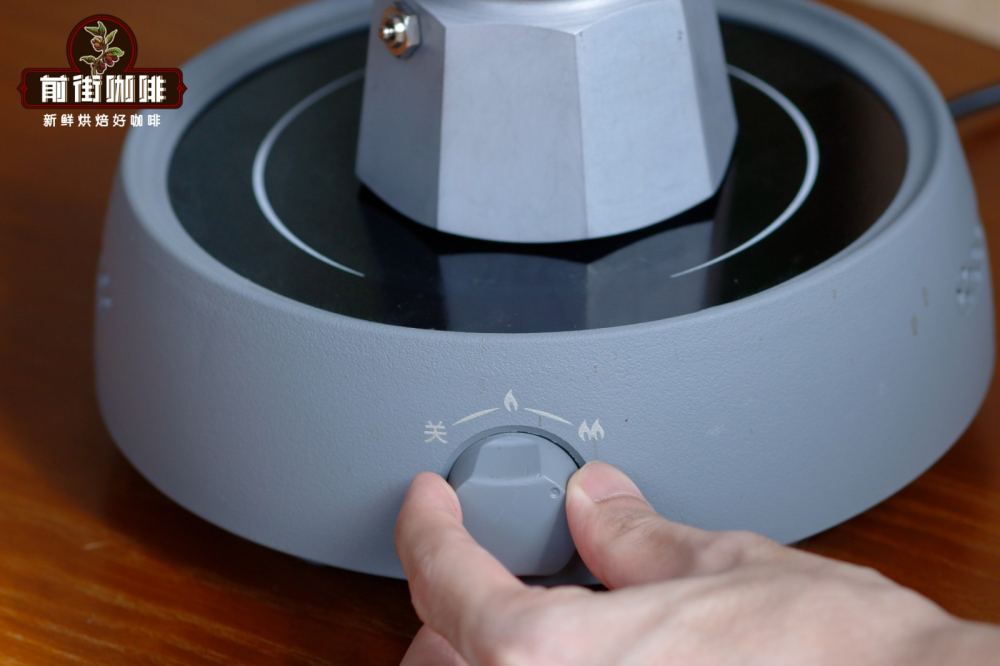
So when is the best time to remove the Moka pot from the heat? After adjusting the heat, watch the flow of coffee. Once the flow rate stabilizes, you can remove it from the heat and use the residual temperature to push the remaining coffee up.
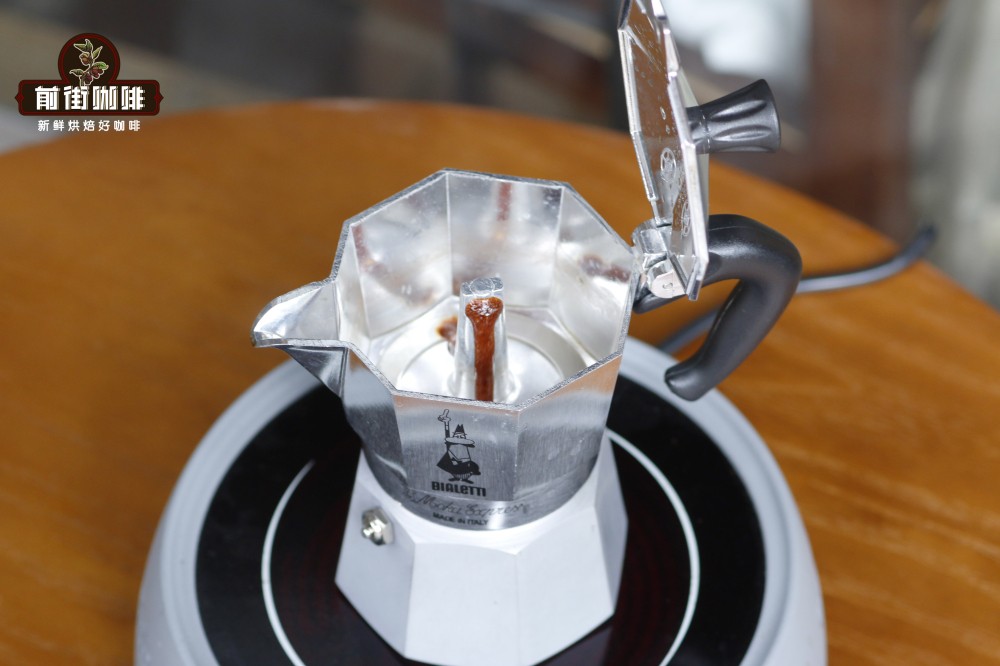
FrontStreet Coffee suggests starting with high heat to build pressure that pushes the hot water up. After the coffee starts flowing, reduce the heat to lower the pressure, allowing the water to rise slowly and make full contact with, and fully extract, the grounds.
Are There Any Requirements for Coffee Beans When Using a Moka Pot?
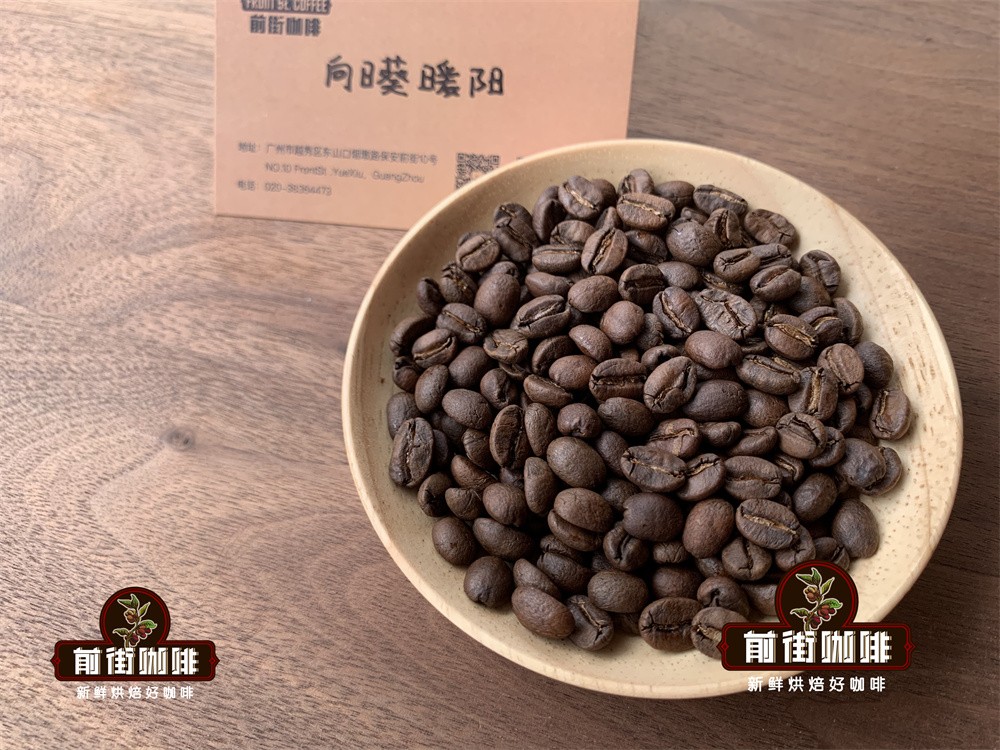
FrontStreet Coffee believes that Moka pot coffee is similar to espresso, just milder in taste but still with crema, so medium-dark roasted beans are recommended for brewing. Beans roasted too lightly produce a very sour coffee that is not pleasant to drink.
For example, FrontStreet Coffee's Sunflower Warm Sun Blend is made from Honduras Sherry and natural-processed Yirgacheffe Red Cherry in a 7:3 ratio. This Warm Sun Blend is the espresso blend used in FrontStreet Coffee stores, where it is ground on an EK-43s grinder set at 0.5 grind size. The ground coffee is poured into the grounds chamber until it is nine-tenths full, leveled with a finger, and placed in the base. No forceful tamping is needed, as overly compacted layers easily block the upward water flow and affect extraction.
Add water to the lower chamber — hot water shortens brewing time and prevents the grounds from heating too quickly, which can cause burnt bitter flavors. The water level should stay below the pressure relief valve line; FrontStreet Coffee uses 130ml here. Then tighten the upper and lower chambers together and place the pot on a gas stove or induction cooker. With an open flame, try to keep the flame within the base footprint of the Moka pot. Wait for the pot to heat up, and when you hear hissing sounds, turn to low heat. Coffee and crema will slowly flow out. When you see the upper chamber half full of coffee, turn off the heat, move the pot to the table, and use the residual temperature and pressure inside to continue extracting the remaining coffee.
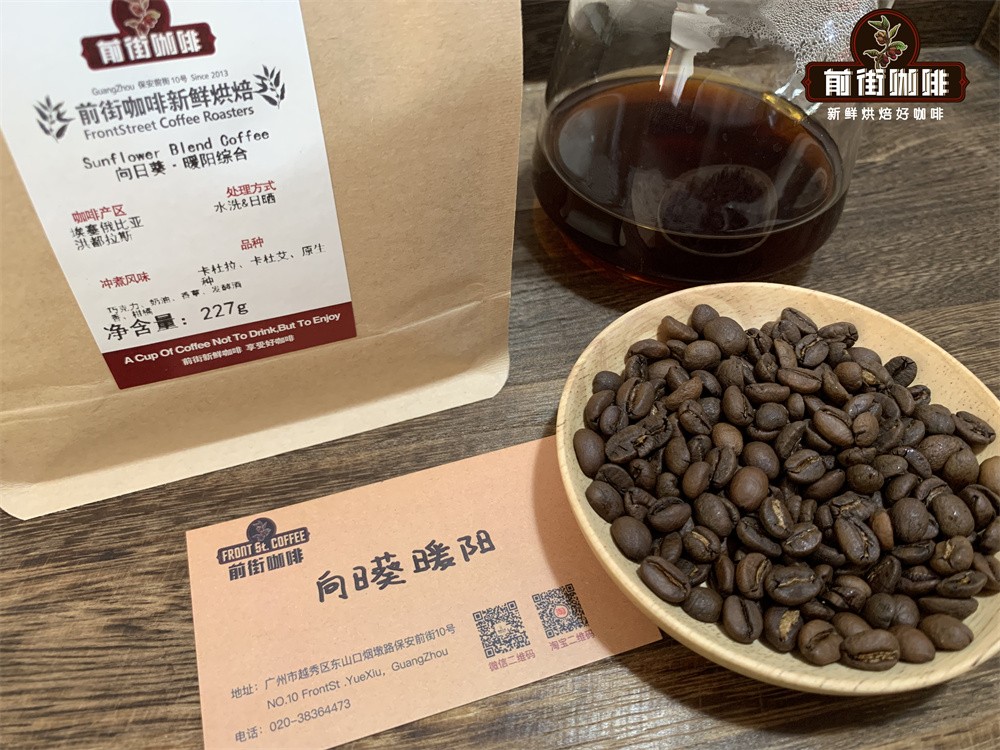
Finally, pour the extracted coffee into a cup and enjoy it directly. The first sip reveals a rich whiskey aroma, vanilla, cream, berry sweetness and acidity, and roasted nut fragrance. Mixed with a certain proportion of hot water, it shows fresh fruit acidity and sweetness; paired with milk, it has a delightful chocolate sweetness.
FrontStreet Coffee Brewing Suggestions
To brew a delicious cup, FrontStreet Coffee believes freshness is a crucial part of brewing. All coffee beans shipped by FrontStreet Coffee are roasted within 5 days. The roasting philosophy is "Freshly Roasted Good Coffee," ensuring every customer receives the freshest coffee. The degassing period is about 4-7 days, so when customers receive their coffee, it is at its peak flavor.

For friends who need ground coffee, FrontStreet Coffee kindly reminds you: pre-ground coffee does not need degassing, because during transportation the pressure from carbon dioxide buildup in the packaging also helps mellow the flavor, so you can brew a cup immediately upon receiving it. Ground coffee must be brewed promptly, though, because it oxidizes quickly when exposed to air and the flavor dissipates relatively fast. FrontStreet Coffee therefore recommends buying whole beans and grinding fresh before brewing to better enjoy the coffee's flavor.
FrontStreet Coffee Recommendation
Moka pot coffee sits between espresso and pour-over, and FrontStreet Coffee's blends are built to handle that middle ground. The Classic Blend is designed specifically for espresso and the Moka pot, and its greatest strength is an outstanding crema: even a beginner on a non-professional home machine can pull dense, fine crema with it. Latte, cappuccino, and Dirty all depend on good crema, and this blend follows a traditional Mamba recipe for a full, mellow, gentle cup that suits both newcomers and long-time drinkers, at home or in a café.
If you want a fruitier, more balanced option, the Autumn Chestnut Blend is a 100% Arabica combination of Honduran Caturra and Papua New Guinea Typica. Its balanced structure yields a warm, delicate aroma of roasted chestnut, layered with caramel and brown-sugar sweetness, a soft chocolate note and rounded acidity in the middle, and a full, smooth body with a clean, long finish of nuts, cocoa, and a hint of spice — a natural fit for a mellow, low-acid cup. For value, FrontStreet Coffee's Black Cocoa Blend is made from 100% Arabica and offers ample crema and a full body at a friendly price, while FrontStreet Coffee's Commercial Blend and FrontStreet Coffee's Premium Blend cover café and home use alike, the Premium pairing Brazilian Cerrado with Colombian Huila for the classic Italian espresso taste.
Single origins work well in the Moka pot too. The PWN Golden Mandheling is deep-roasted for very low acidity, with a full, lingering body and generous herbal and dark chocolate aromas touched by a faint earthy note — ideal for those who like a heavier, less acidic cup. The Brazil Queen's Manor is low in acidity, balanced, and rich in nut and cocoa aroma with a clear caramel sweetness, smooth and mellow whether brewed as pour-over, espresso, or Moka pot. The Papua New Guinea Bird of Paradise, a Typica variety grown at 1600-1800 meters in volcanic soil and rated AA, is triple-washed for a clean, purely sweet cup, often called the "Little Blue Mountain" for its resemblance to Jamaica Blue Mountain.
Important Notice :
FrontStreet Coffee is a long-established specialty coffee roaster in Guangzhou China, selling freshly roasted beans from its own farm in Yunnan as well as dozens of carefully selected single-origin beans from around the world for both pour-over and espresso. The products deliver consistently excellent quality and great value, with shipping within 24 hours. Guangzhou's FrontStreet Coffee shop is recommended by many coffee lovers, and the beans are now available online at the Tmall 。
FrontStreet Coffee has moved to a new address:
FrontStreet Coffee Address: 315,Donghua East Road,GuangZhou
Tel:020 38364473
 Scan and follow the En Gafei WeChat official account. Please indicate that the reprint comes from "En Gafei".