
Bialetti Dual-Valve Moka Pot Coffee Making: Pros and Cons, Coffee Ground Amount and Grind Size Requirements

For Moka pot enthusiasts, the terms "dual-valve" and "single-valve" are certainly familiar. For beginners, though, brewing delicious coffee with a Moka pot still requires learning some basics first.
Which is better: single-valve or dual-valve Moka pot?
On today's shopping platforms there are countless options when you want to buy a Moka pot, but on closer inspection they can be divided by structural differences into single-valve and dual-valve models.
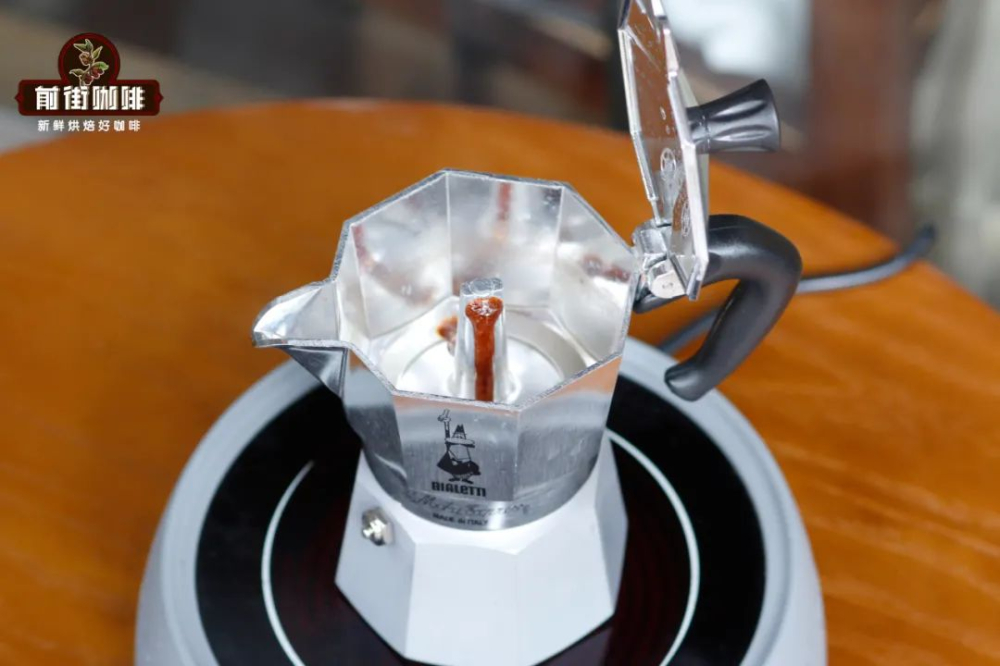
Structurally, the outlet hole of the upper chamber in a single-valve Moka pot is open. During heating and extraction the pressure is 1 Bar, and the extracted coffee liquid generally presents a thick, black consistency with a relatively thin crema layer. The dual-valve Moka pot, through upgrades and improvements, has been fitted with a pressure-boosting valve at the original outlet hole. During extraction the pressure can reach 2-3 Bar. This increased pressure makes the coffee texture thicker and the crema richer and more delicate. If you prefer a flavor closer to espresso, FrontStreet Coffee suggests a dual-valve Moka pot is the more suitable choice.
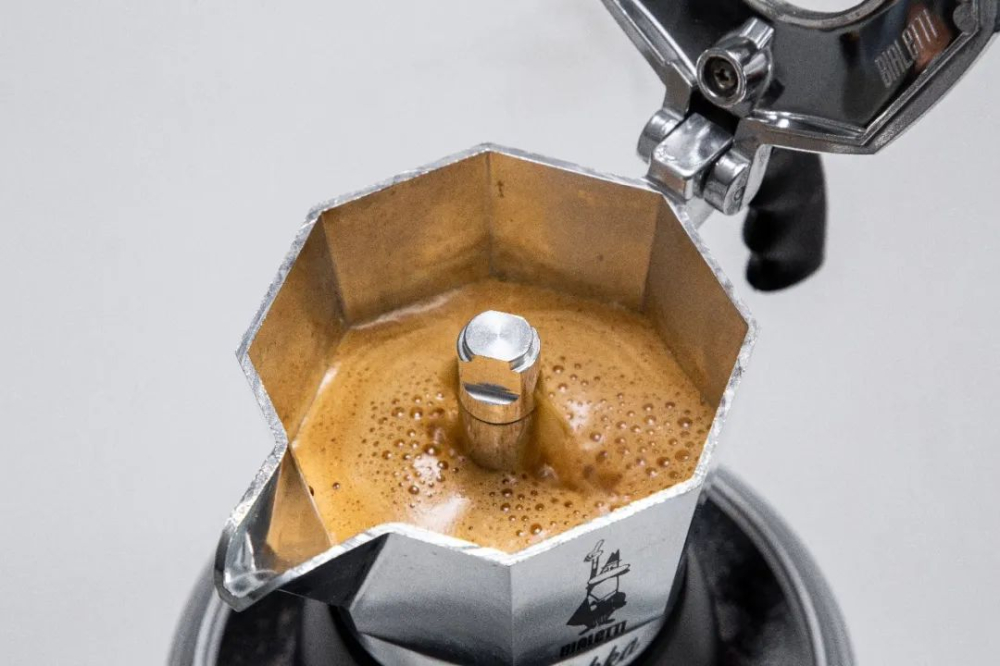
Advantages and disadvantages of brewing coffee with a Moka pot
The biggest advantage of a Moka pot is its portability and ease of operation, without the complicated steps of an espresso machine. Of course, the price is very affordable too. Moka pots also have obvious disadvantages, however. Compared with espresso machines that typically extract at water temperatures of 90-94°C, a Moka pot heats water to the boiling point of 100°C. Excessive temperature extracts bitter macromolecules, making the coffee taste easily scorched, bitter, and heavy, and difficult to swallow.
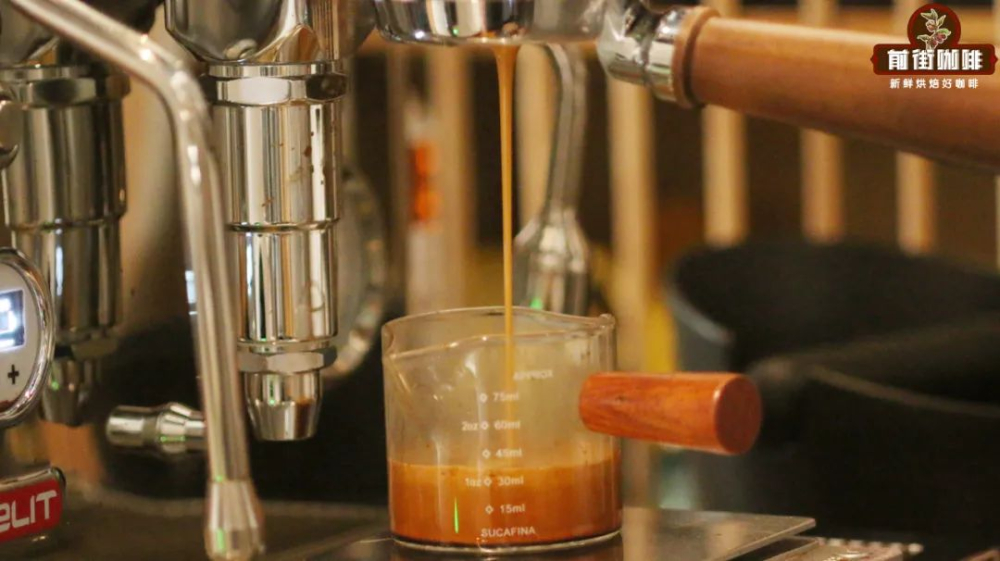
It should be noted that although coffee extracted by a Moka pot has a relatively strong taste, it still differs from the espresso we commonly encounter. The espresso we refer to today is extracted under more than 9 atmospheres of pressure, producing a rich, thick coffee liquid with high-quality, delicate, and abundant crema. The maximum pressure of a Moka pot is only 2 atmospheres, far less than the pressure value used by commercial espresso machines. The resulting coffee liquid is relatively thinner, with flavor and texture not as rich and mellow as espresso. If, however, we want to drink a cup of strong, mellow coffee more quickly at home, FrontStreet Coffee believes a Moka pot is also an excellent choice.
Can fine coffee grounds be used in a Moka pot?
As FrontStreet Coffee mentioned above, the Moka pot belongs to pressure-based extraction, so the grind size is generally much finer than pour-over coffee, but slightly coarser than espresso grounds. If the coffee is ground too coarse, the contact between water and grounds will be uneven, leading to insufficient extraction and a poor taste. It might also cause the liquid to gush out due to too little resistance, posing a risk of splattering and burns. If ground too fine, it increases the resistance for the liquid to flow upward, preventing the coffee liquid from being released. As the pressure in the lower chamber becomes too high and cannot be released in time, there is a danger of explosion.

FrontStreet Coffee recommends a grind size of EK-43s #3-3.5 setting. If you find it difficult to judge whether the grind is appropriate, observe the gap size of the Moka pot's coffee slot and make sure that coffee particles cannot pass through the gap. You can also refer to the grind size FrontStreet Coffee uses.
What coffee beans are suitable for a Moka pot?
Because of the Moka pot's high water-to-coffee ratio and relatively short brewing time, medium to dark roasted coffee is more suitable than light roast beans. Since the Moka pot uses pressure-based extraction, if light roast coffee is used, its harder texture usually requires a finer grind to raise the extraction rate. Fine grinding under high temperature and pressure, however, can easily make the coffee acidic and harsh, and it is also more difficult to extract the aroma of the oils.
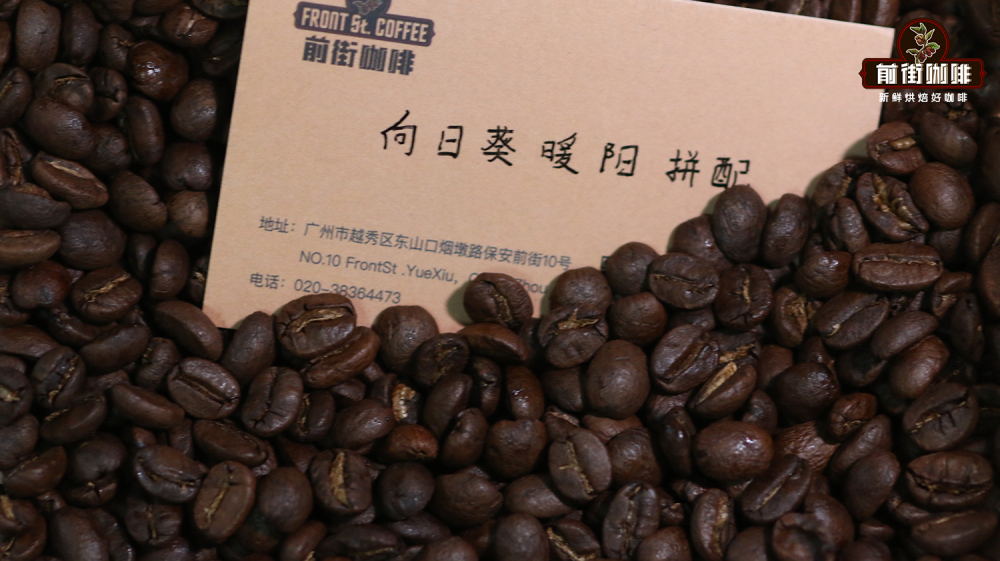
FrontStreet Coffee therefore recommends using darker-roasted FrontStreet Coffee espresso blend beans as the raw material. This not only makes it easier to enjoy aromatic coffee with rich crema but also makes the flavor extraction more stable. FrontStreet Coffee's bean menu offers four FrontStreet Coffee espresso blend beans suitable for Moka pot brewing, and you can choose one that suits your taste. FrontStreet Coffee hopes that every customer who places an order can enjoy the aroma of coffee during its optimal tasting period, so we ensure that only beans roasted fresh within 5 days are shipped.
Detailed tutorial for operating a Moka pot
Before brewing coffee, we need to prepare fresh coffee beans, water, a grinder, a heating gas stove (or induction cooker), and our main character, the Moka pot. For coffee beans, FrontStreet Coffee selects its own roasted "FrontStreet Coffee Sunflower Warm Blend," a 7:3 blend of FrontStreet Coffee Honduras Sherry and FrontStreet Coffee Natural Yirgacheffe Red Cherry.
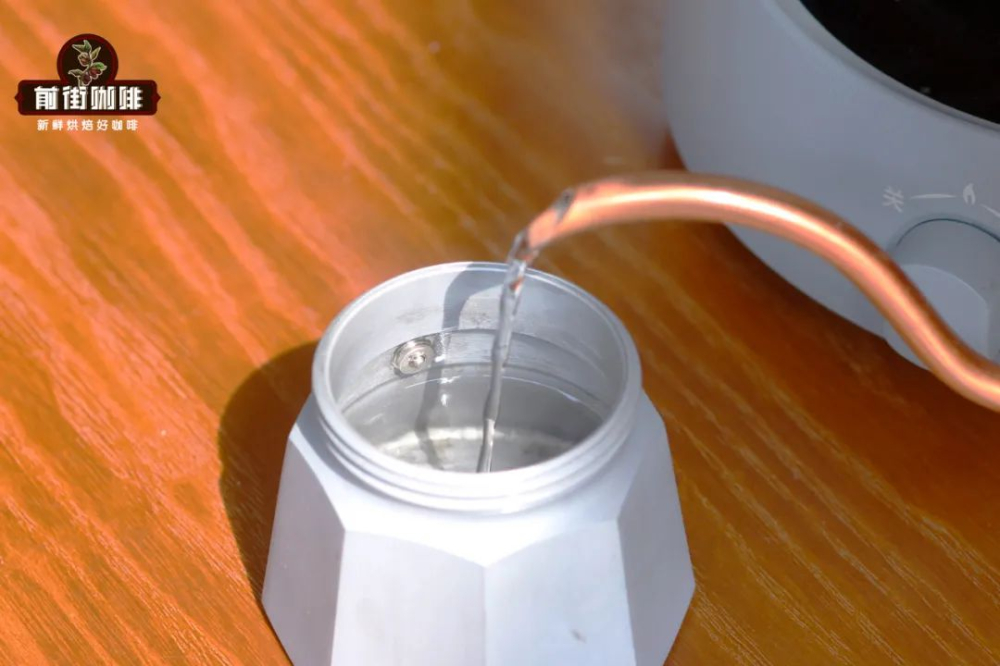
First, remove the base of the Moka pot and add pure warm water to the lower chamber, which shortens the brewing time and avoids the coffee grounds being heated too quickly, which can easily cause scorched bitterness. Control the water level to about 0.5cm below the pressure relief valve line. The safety valve prevents the pot from exploding due to blocked extraction channels caused by overly fine grounds. If the safety valve is submerged in water and the extraction channel is blocked, the consequences of a high-temperature coffee pot explosion would be unimaginable.
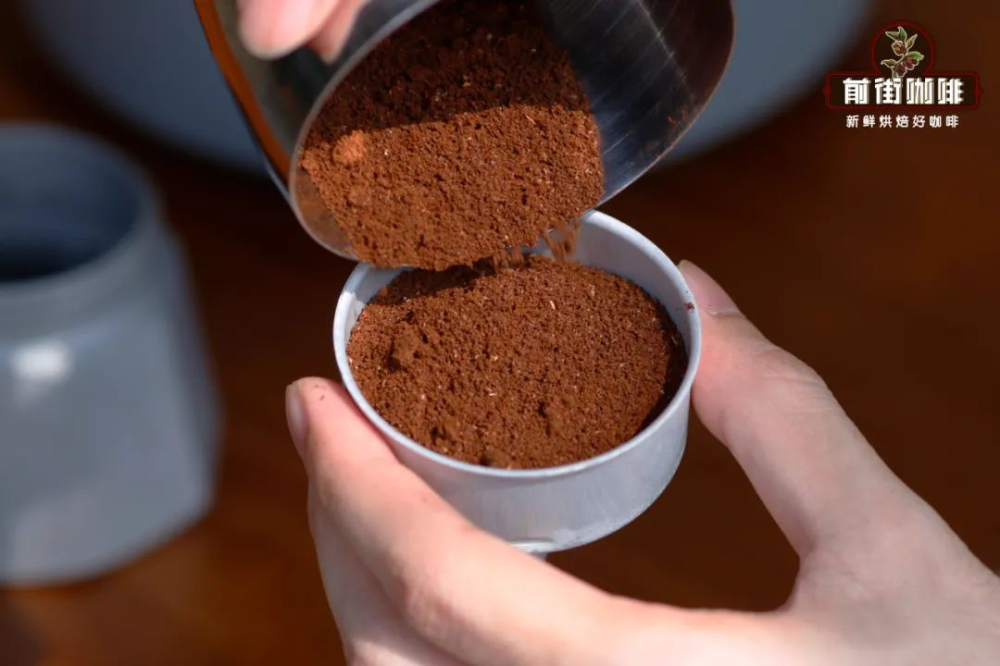
To extract rich black coffee, the grind size needs to be much finer than regular pour-over coffee. FrontStreet Coffee stores use the EK-43s grinder at the EK-43s #3-3.5 setting. The amount of coffee grounds depends on the size of the Moka pot. Here FrontStreet Coffee is using a three-cup Bialetti classic pot with 18g of coffee grounds. Pour the ground coffee into the coffee slot until it is nine-tenths full, level it with your finger, and place it in the base. No need to press down hard; overly compacted coffee layers can easily block the water flow upward and affect extraction.
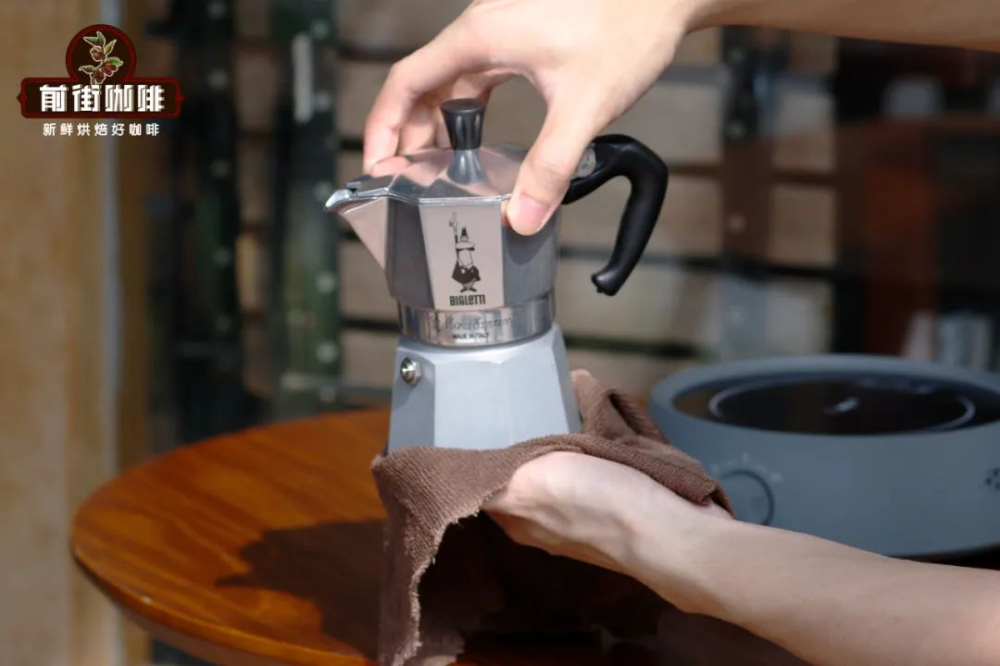
Next, tightly screw the upper chamber onto the lower chamber, wipe the pot dry with a towel, and place it on a gas stove or induction cooker to heat. When using an open flame, try to keep the flame from exceeding the base range of the Moka pot.
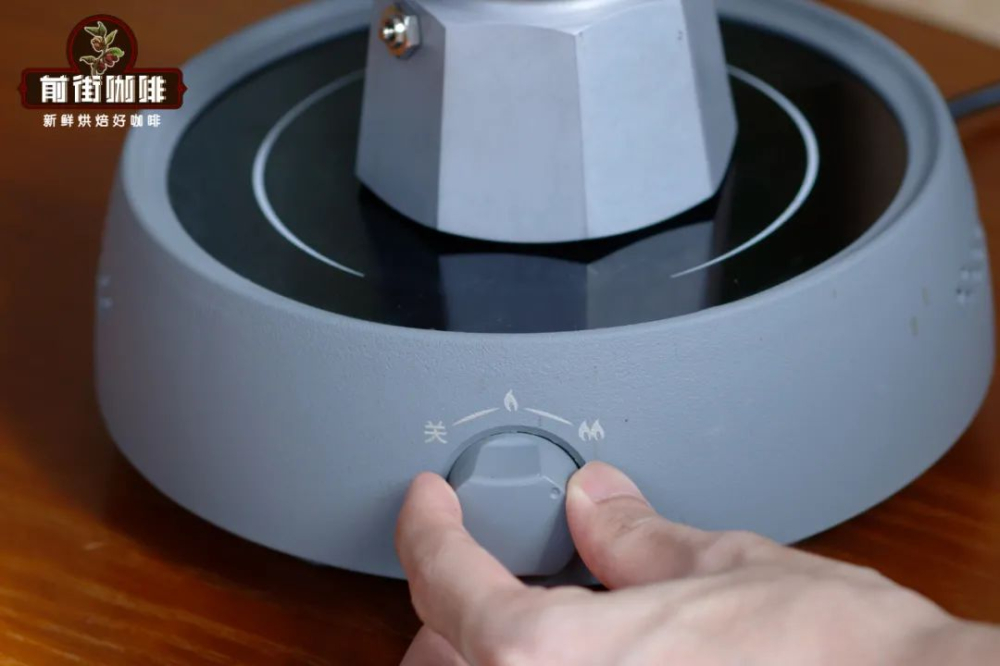
Then just wait for the Moka pot to heat up. When you hear a hissing sound, turn to low heat, and the coffee liquid and crema will slowly flow out. When you see the upper chamber half full of coffee liquid, turn off the heat source and move the pot to the table, using the residual temperature and pressure inside the pot to continue extracting the remaining coffee liquid.
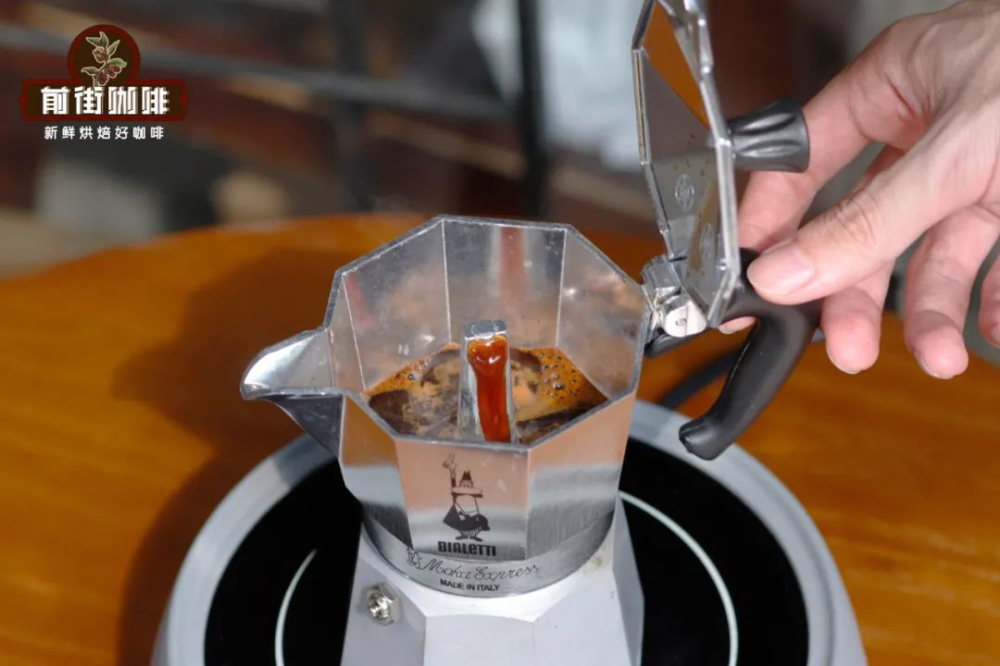
Pour the extracted coffee liquid into a cup and drink it directly. On the palate there is rich whiskey aroma, vanilla, and cream, with the sweet-and-sour of berries and the fragrance of roasted nuts. Adding a certain proportion of hot water brings out fresh fruity sweetness and acidity, and pairing with milk brings chocolate sweetness.
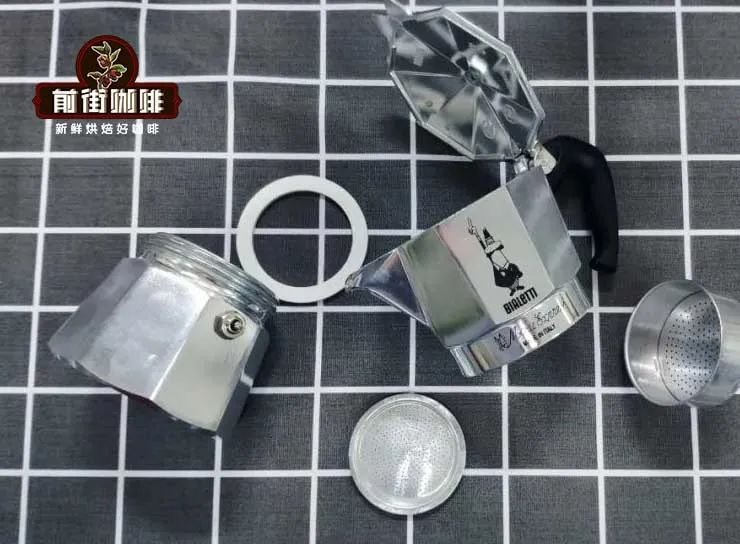
Finally, regarding the storage and maintenance of the equipment, FrontStreet Coffee cleans the Moka pot promptly after each use to avoid coffee residue stains, which can easily cause flavor transfer and scorched bitterness. If old coffee stains remain on the filter disc, gasket, or extraction channel, they may cause blockages and affect normal extraction.
FrontStreet Coffee Recommendation
For a Moka pot, FrontStreet generally suggests starting with a blend. The FrontStreet Classic Blend was designed for espresso and the Moka pot, and its biggest strength is outstanding crema: even a beginner on a basic home machine can pull a dense, fine crema, which is what makes lattes, cappuccinos, and Dirty work, and its traditional Mamba-style recipe is mellow and rounded. The FrontStreet Dark Cocoa Blend uses 100% Arabica beans with generous crema and a full body at a friendly price, balancing quality and value. If you want a single origin, the FrontStreet PWN Golden Mandheling is a dark roast with very low acidity and a long, full body, offering herb and dark chocolate aromas with a faint earthy note and plenty of layers, ideal for those who like a heavy cup. The FrontStreet Brazil Queen Estate is low in acidity and very balanced, with intense nut and cocoa aromas and a clear caramel sweetness, smooth rather than astringent, and it works for pour-over, espresso, and the Moka pot alike. For a floral and fruity option, the FrontStreet Colombia Sidra from La Divisa Estate is grown at 1,650-1,800 meters and given a double anaerobic natural process with a medium-light roast; its dry aroma carries jasmine and citrus, and the cup shows passion fruit, blueberry, grape, and apricot, with bright, gentle acidity, a hint of spice in the middle, and a lasting cocoa finish.
Important Notice :
FrontStreet Coffee is a long-established specialty coffee roaster in Guangzhou China, selling freshly roasted beans from its own farm in Yunnan as well as dozens of carefully selected single-origin beans from around the world for both pour-over and espresso. The products deliver consistently excellent quality and great value, with shipping within 24 hours. Guangzhou's FrontStreet Coffee shop is recommended by many coffee lovers, and the beans are now available online at the Tmall 。
FrontStreet Coffee has moved to a new address:
FrontStreet Coffee Address: 315,Donghua East Road,GuangZhou
Tel:020 38364473
 Scan and follow the En Gafei WeChat official account. Please indicate that the reprint comes from "En Gafei".

