What is the Milk Ratio in Flat White Coffee and How to Adjust Its Bitterness - Flat White Coffee Recipe and Parameter Adjustment Tutorial
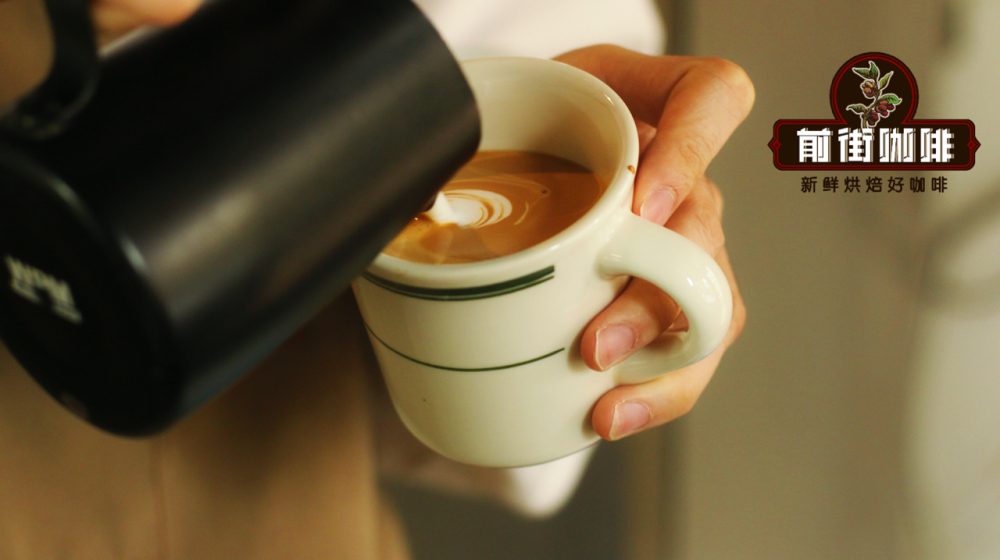
Before we get into the recipe, FrontStreet Coffee would like to briefly cover what a Flat White actually is and what makes it different.
Flat White Coffee
Also known as the Australian White or "Little White," the Flat White traces back to Melbourne, Australia. When Italians brought espresso to Australia in the 1980s, this milk coffee was adapted to local tastes. It gets its name from the fact that the thin microfoam sits perfectly level with the cup's rim.

Like the latte and cappuccino, a Flat White is built from just espresso and fresh milk, and in recent years it has become one of the most popular espresso-based drinks. Where a latte aims for balance, a Flat White puts the coffee front and center, amplifying its aroma and flavor; and where a cappuccino wears a thick foam cap, the Flat White's foam is thin and silky, so every sip delivers plenty of actual coffee.
Where Does the Flat White Come From?
Australians and New Zealanders both claim the Flat White as their own invention, and baristas in the two countries follow slightly different recipes. While we may never settle exactly where it was born, one thing is certain: it came out of a shared pursuit of better coffee.
Before the 1970s, cafes in Australia served only black coffee made with French presses or manual drip brewers. In the early 1970s, Italians brought espresso machines to the country, kicking off a whole new coffee wave. Compared with the traditional latte and cappuccino, Australian drinkers wanted milk coffees with thinner foam and a stronger coffee presence, so the milk coffee kept being "refined" across Australia and New Zealand. As the foam grew flatter and flatter until it formed just a thin layer flush with the rim, the drink was named Flat White — "flat" for the level surface, and "white" for the milk-added white coffee.
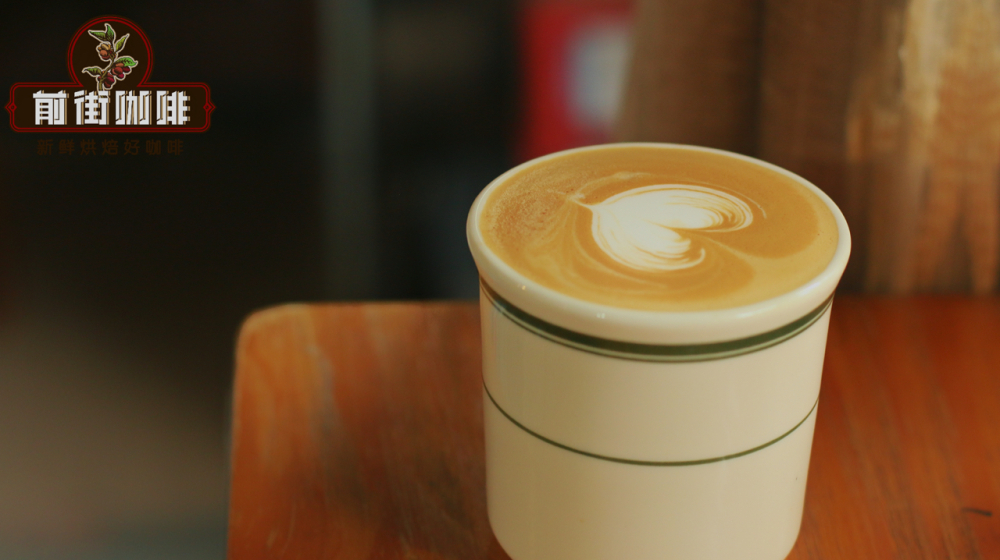
Starting in the 1980s, Australian cafes began listing the Flat White on their fixed menus, and it soon spread to cafes across Europe and America. In China, it went mainstream after Starbucks introduced it in 2015 as the "Fu Rui White," one of their signature drinks — a clear sign this milk coffee had arrived.
Back to the drink itself. In a Flat White, milk exists to showcase the coffee — coffee is the protagonist, milk is the supporting act. The coffee flavor is therefore more intense and forward. The thin foam layer also means every sip of coffee arrives wrapped in velvety microfoam. Served at a moderate temperature in a smaller cup, it's meant to be finished before the foam and liquid separate. Beyond cup size and foam depth, some baristas use a double Ristretto as the base to express more of the beans' aroma, with a foam depth closer to a latte's in a 150ml cup.

Flat White Proportions and Parameters
A Flat White with rich coffee flavor comes down to three things: the foam, the milk ratio, and the espresso base.
1. Foam
The "flat" in Flat White means level — the finished drink's foam should be no thicker than the rim, with no doming. A latte typically carries about 1cm of foam dome, while a Flat White allows only about 0.5cm, otherwise the surface can't stay level. Exact foam thickness varies by shop; some baristas, aiming to preserve as much crema as possible, simply heat the milk without frothing it at all and pour it straight over the espresso.
2. Espresso Base
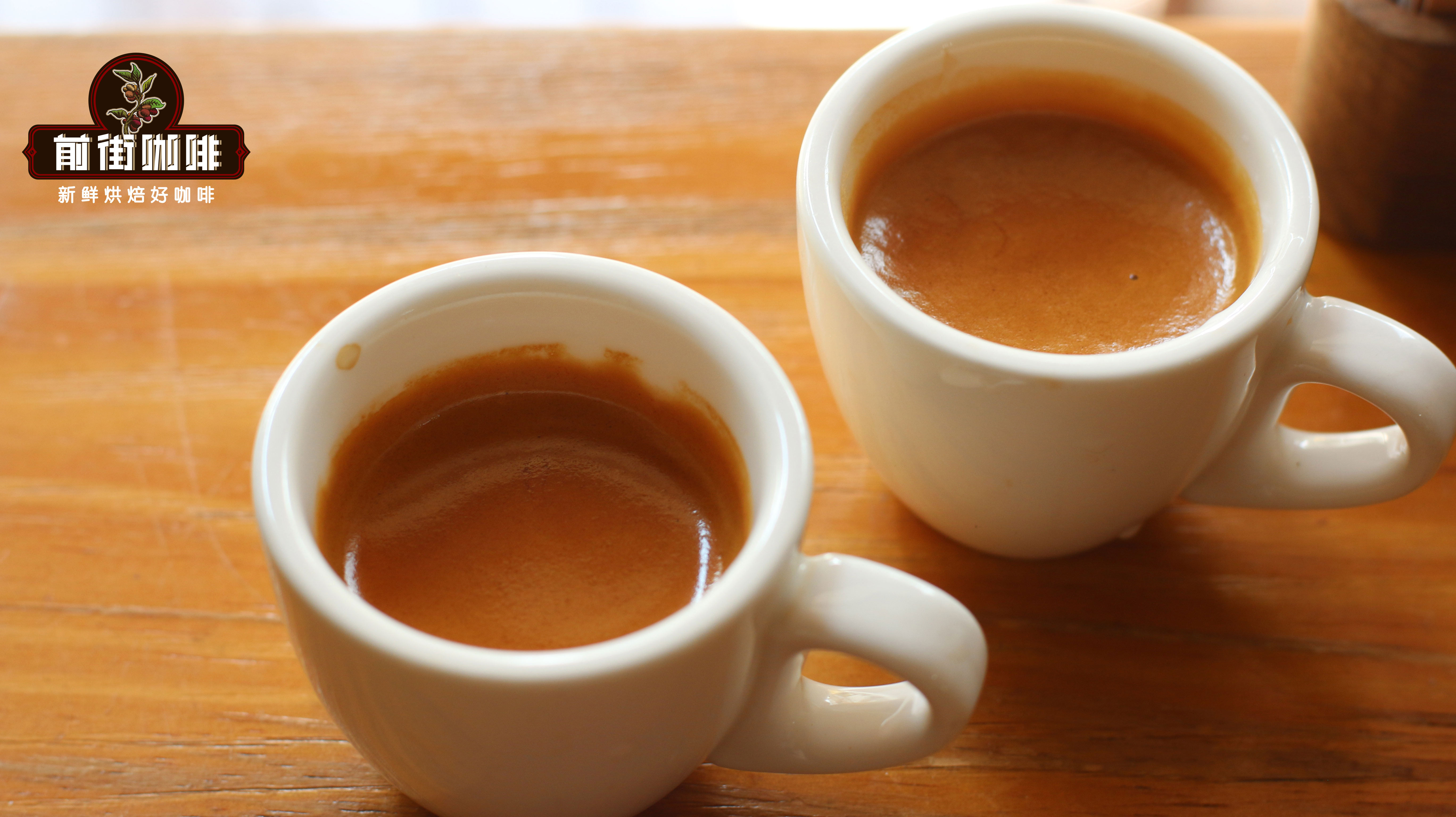
The base for a Flat White isn't a standard Espresso but the more concentrated Ristretto. The Australian logic: the tail end of an espresso shot "dilutes" the flavor, so you take only the front and middle sections — "restricting" the later extraction, hence the name. Cutting the tail reduces the extraction of large carbohydrate molecules, highlighting acidity and roast aromas instead.
For example, FrontStreet Coffee pulls an Espresso at a 1:2 ratio — 20 grams of grounds yielding 40 grams of liquid — while the Ristretto uses the same 20 grams of grounds but stops at 28–30 grams, discarding the later part of the shot.
3. Milk Ratio
Because the Flat White chases a rich mouthfeel, it uses less milk relative to espresso, with the exact amount set by the cup size each shop uses. Imagine using a latte's milk ratio — the drink would taste like coffee-flavored milk. At FrontStreet Coffee, the Flat White ceramic cup holds 200ml; the base is two shots of Ristretto (30g), topped with 170g of hot milk for a fuller, more coffee-forward cup.

Making a Flat White
Now that we know what defines a Flat White, FrontStreet Coffee will make one following the shop's standard workflow.
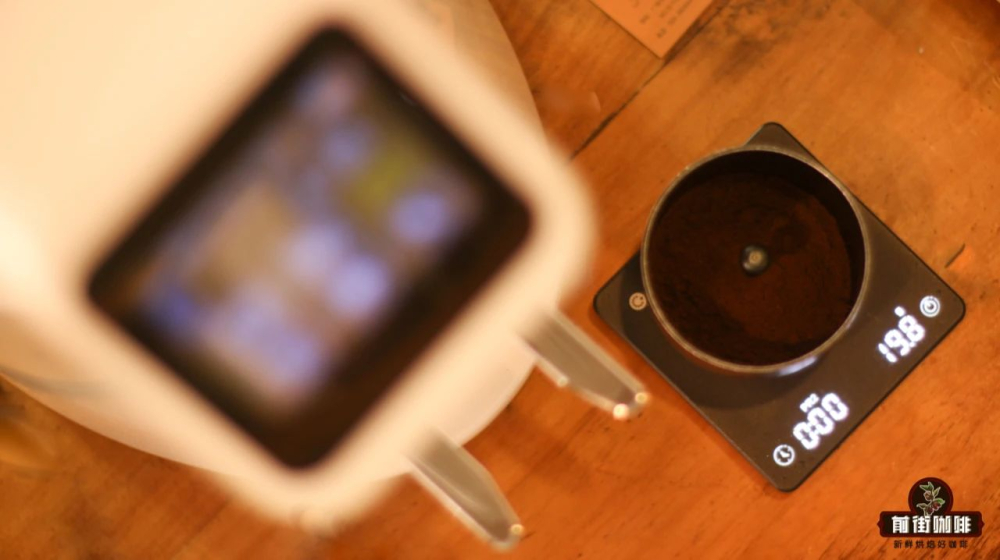
First, wipe the portafilter basket dry with a clean towel, then grind 20 grams of coffee into the basket, giving it a gentle tap to level the grounds.
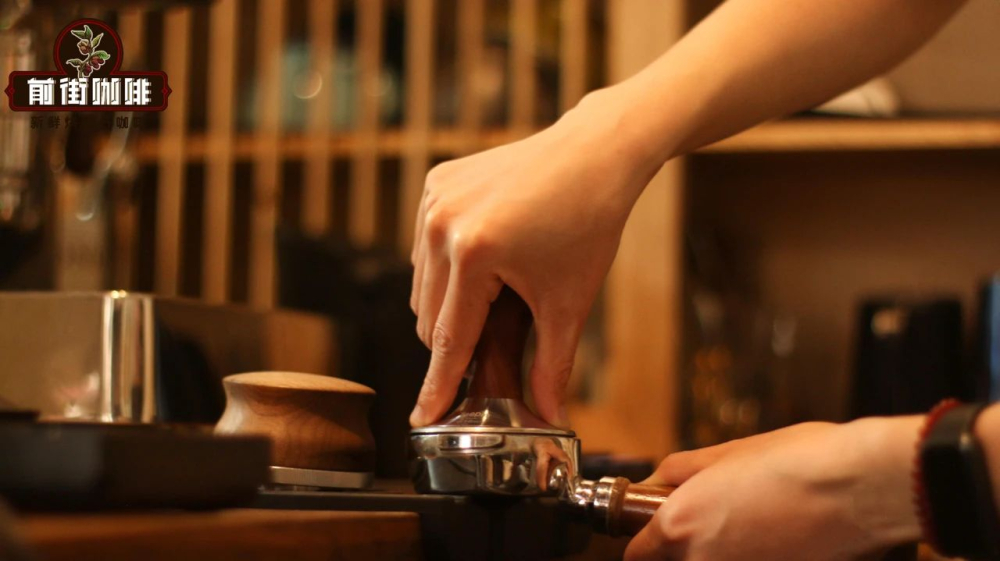
Level the grounds with a distribution tool, then tamp evenly into a compact puck.
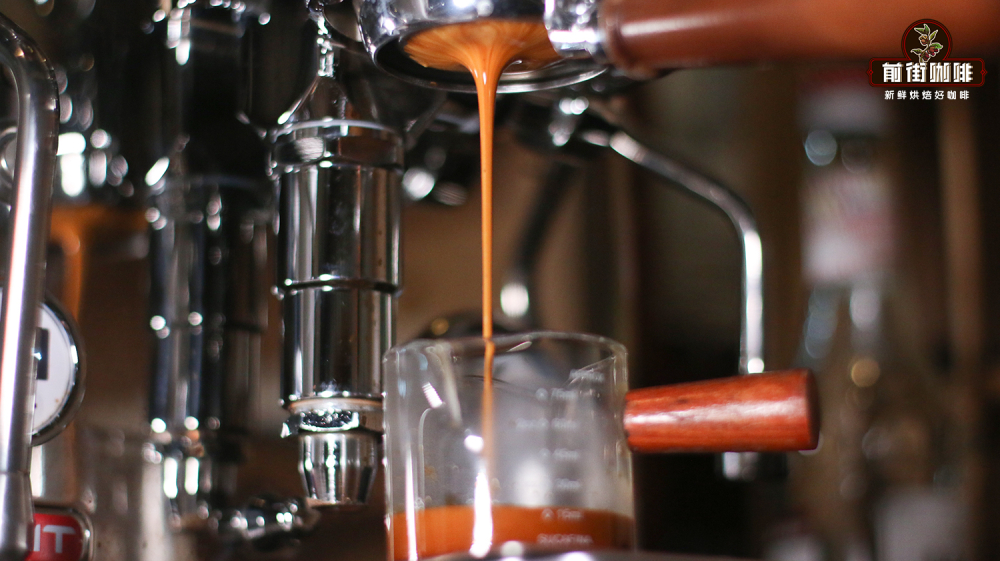
Run the extraction switch briefly to wet the group head and flush out any stray grounds, lock the portafilter in place, and start the shot. Watch the scale and the timer: once 28–30g of liquid has been extracted in about 27–28 seconds, stop the shot. Pour the two Ristretto shots into a pre-warmed Flat White cup.
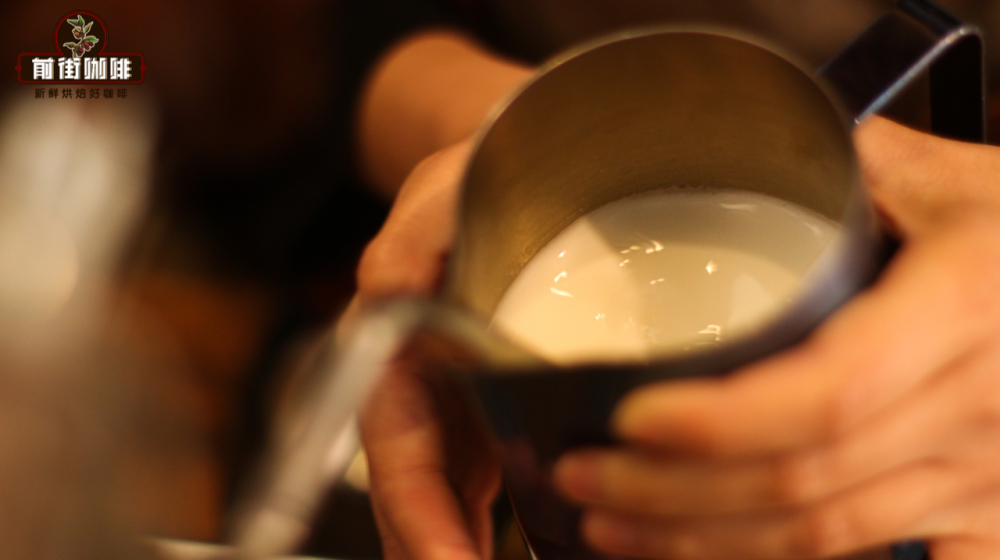
Pour 170ml of fresh milk into the pitcher. After steaming, the microfoam should be roughly 5mm thick. Give the Ristretto base a gentle swirl, then pour the hot milk in steadily so it blends fully with the coffee.
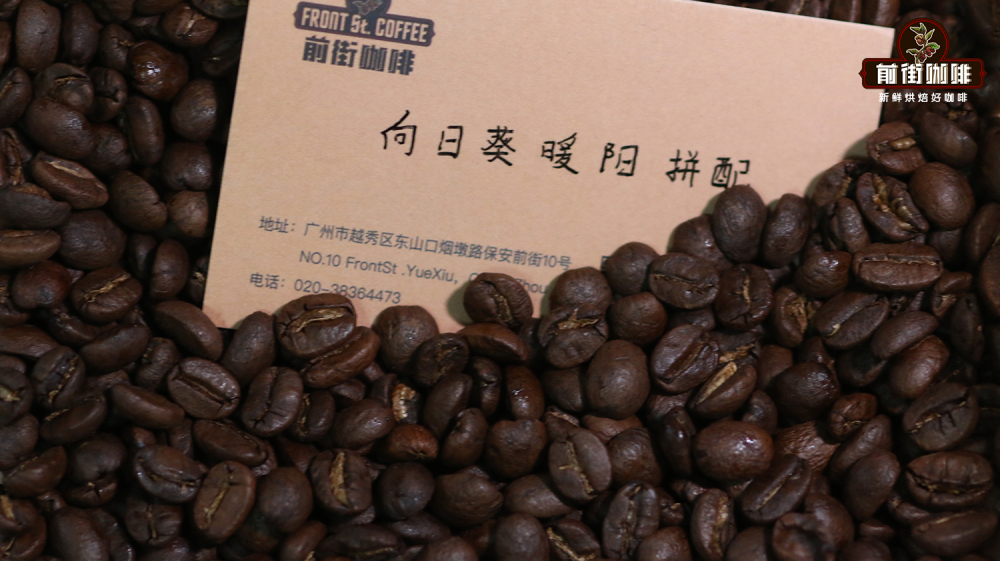
The final flavor of a Flat White depends on the beans each shop chooses. FrontStreet Coffee pulls its shots from its own roast, the FrontStreet Sunflower Warm Sun Blend. The espresso shows whiskey aroma, vanilla, cream, and a berry-like acidity; combined with milk, the Flat White lands on chocolate milk and whiskey-filled chocolate notes — smooth, fragrant, and rich, with a very long finish.
FrontStreet Coffee Recommendation
For a Flat White that stands up to milk, a medium-to-dark roast is your best bet. The FrontStreet PWN Golden Mandheling, one of Asia's most celebrated specialty coffees, is triple hand-sorted plus machine-sorted for a uniform, translucent bean; its medium-dark roast brings lush spice, caramel, cedarwood, and dark chocolate aromas, and it pulls a shot with a thick body and excellent crema that carries beautifully through milk.
If you'd rather have something brighter, the FrontStreet Strawberry Candy — a Geisha blend of Costa Rica honey-process and Panama washed Geisha — offers rose, citrus, grape, and dried blueberry aromas, and when milk is added it turns into a soft strawberry-gummy sweetness in the cup.
Important Notice :
FrontStreet Coffee is a long-established specialty coffee roaster in Guangzhou China, selling freshly roasted beans from its own farm in Yunnan as well as dozens of carefully selected single-origin beans from around the world for both pour-over and espresso. The products deliver consistently excellent quality and great value, with shipping within 24 hours. Guangzhou's FrontStreet Coffee shop is recommended by many coffee lovers, and the beans are now available online at the Tmall 。
FrontStreet Coffee has moved to a new address:
FrontStreet Coffee Address: 315,Donghua East Road,GuangZhou
Tel:020 38364473
 Scan and follow the En Gafei WeChat official account. Please indicate that the reprint comes from "En Gafei".