
How Many Shots of Espresso in Luckin's Flat White? What's the Taste Difference Between Flat White and Latte - Which Has More Calories?

For more quality coffee knowledge, follow the official account FrontStreet Coffee.
Luckin's "Flat White Coffee" is actually the same as the "Flat White" found in many independent coffee shops. It belongs to the same category as Starbucks' "Flat White" - essentially the same type of coffee, though different brands or independent shops may use slightly different preparation parameters. Below, FrontStreet Coffee will share the standard method for making a Flat White, using its own Dongshankou cafe as an example.
Where Does Flat White Coffee Come From?
On the invention of the Flat White, Australians and New Zealanders each have their own claims, insisting the drink originated in their country, and baristas from both countries prepare it with different recipes. Although we cannot determine definitively which country the Flat White actually comes from, what is certain is that the drink came from everyone's pursuit of higher-quality coffee.

Before the 1970s, Australian coffee shops primarily brewed black coffee using methods such as the French press or manual drip. In the early 1970s, Italians brought espresso machines to Australia, launching a new wave of coffee culture. Compared with traditional lattes and cappuccinos, Australians wanted milk drinks with thinner foam and a stronger coffee flavour. Milk coffee thus began to be continuously "improved" in regions like Australia and New Zealand. When the foam on milk coffee became increasingly flat, until it turned into a thin layer completely level with the cup rim, it was named "Flat White." "Flat" means "level," and "White" refers to white coffee with milk added.
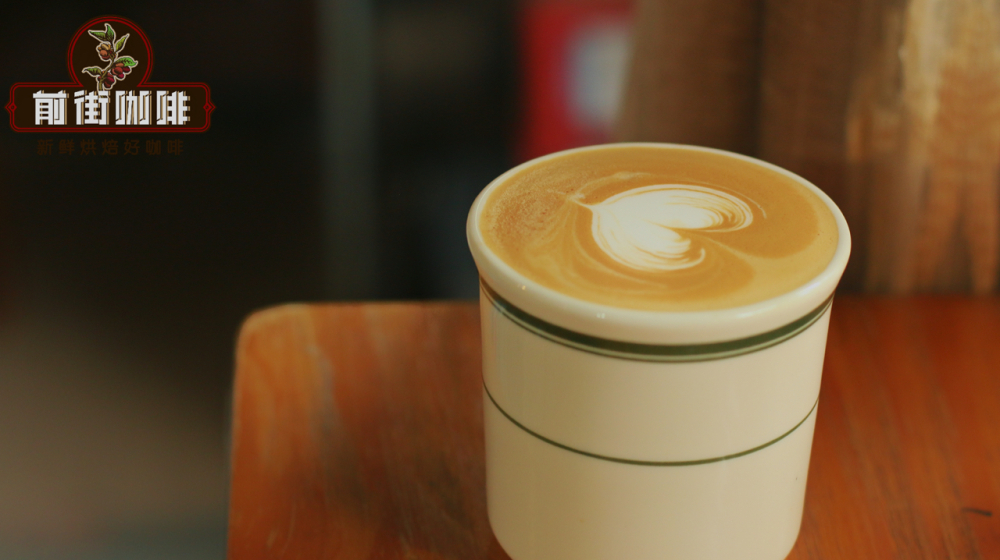
Starting in the 1980s, Australians began listing Flat White on their regular menus, and it soon spread to cafes in Europe and America. Flat White became a popular product in China after Starbucks introduced it in 2015, naming it "Flat White" as one of its signature drinks, which meant this milk coffee had become mainstream.
The Essence of Flat White
Returning to the drink itself, Flat White uses milk to highlight the coffee's flavour - the coffee is the protagonist and milk is merely supporting. In terms of taste, the coffee flavour is therefore more abundant and richer. In addition, the thin upper layer of foam ensures that every sip of concentrated coffee liquid carries a velvety layer of dense foam. The moderate temperature and smaller cup size let it be consumed quickly before the foam layer separates. Besides differences in cup size and milk foam thickness, some baristas replace the base with a double Ristretto to better express the beans' aroma, incorporating foam thickness similar to a latte in a 150ml cup.
Ratio Parameters for Flat White Coffee
To present a richer coffee flavour, Flat White coffee needs to address three aspects: foam, milk ratio and espresso base.
1. Milk Foam
The "Flat" in Flat White coffee means "level" - a properly made Flat White must be thin and level with the cup rim, without the foam layer bulging. Typically, latte foam presents about 1cm of bulge, while Flat White foam should be only about 0.5cm; otherwise it is difficult to achieve the "flat" liquid surface. As for the exact foam thickness, each coffee shop has different standards. Some baristas, to let customers taste as much of the upper coffee crema as possible, don't froth the milk at all, simply heating it and pouring it into the espresso.
2. Espresso Base
The espresso base used in Flat White coffee is not the common Espresso but the richer-tasting Ristretto. Australians believe the latter part of an Espresso "dilutes" the coffee flavour, so they take only the early to middle sections and "restrict" the later extraction, which is why it is called Ristretto. The early to middle sections of the Espresso reduce the extraction of carbohydrate macromolecules, better highlighting the coffee's acidity and roasted aroma.
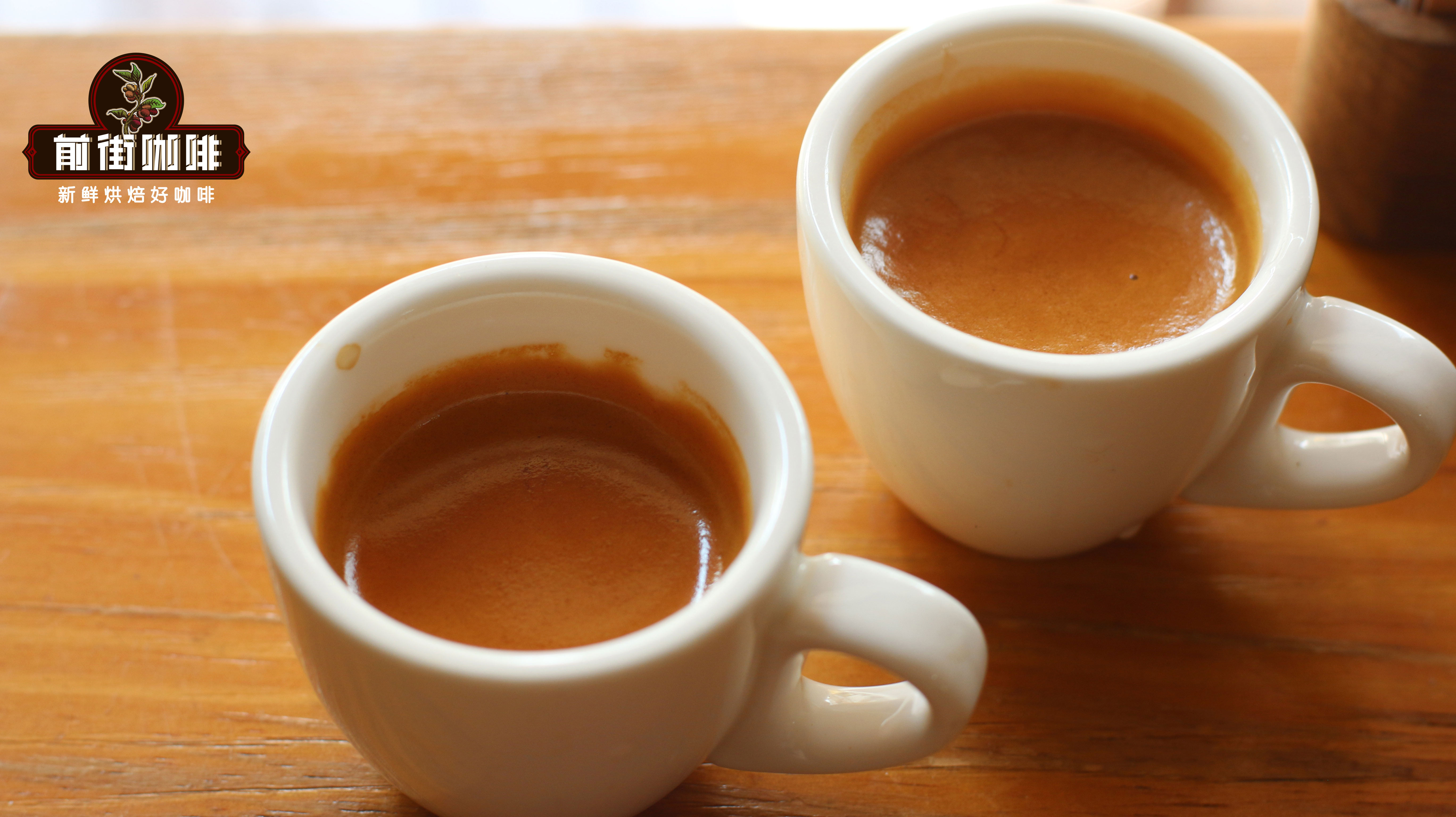
For example, FrontStreet Coffee uses 20 grams of coffee grounds to extract 40 grams of coffee liquid for an Espresso, while a Ristretto uses the same 20 grams of grounds to extract 28-30 grams of coffee liquid, "discarding" the latter part of the extraction.
3. Milk Ratio
Flat White coffee, which pursues rich flavour, adds a smaller proportion of milk to the espresso, with the specific amount determined by the cup size the shop uses. Imagine using the same milk ratio as a latte - the overall taste would be more like coffee-flavoured milk. The ceramic cup FrontStreet Coffee uses for Flat White, for example, is 200ml, with two shots of Ristretto (30g) as the base requiring 170g of hot milk to present a richer, fuller coffee flavour.

Making a Flat White Coffee
Now that we understand the main characteristics of Flat White coffee, FrontStreet Coffee will demonstrate how to make one following its shop's production process.
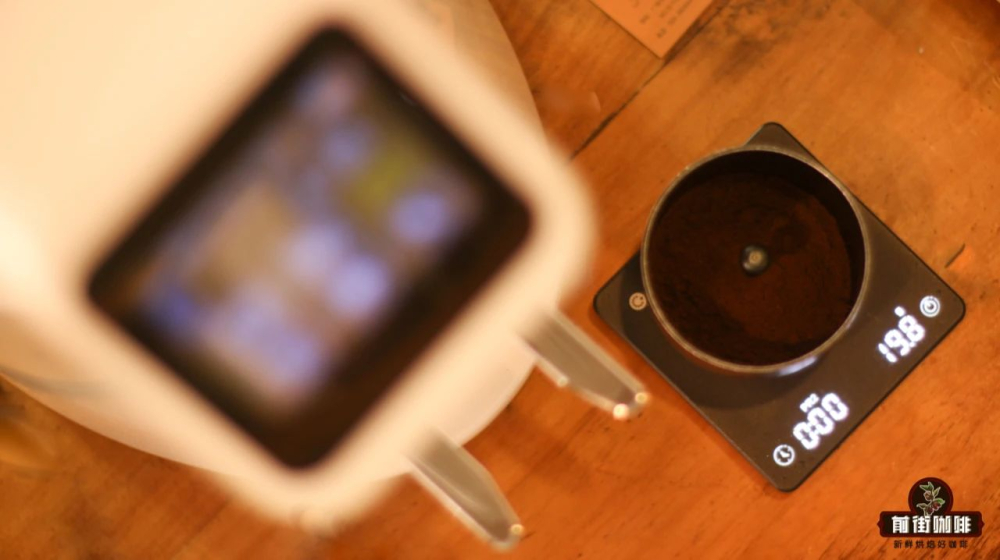
First, wipe the portafilter basket dry with a clean towel, open the grinder and grind 20 grams of coffee grounds into the basket, then gently tap to level.
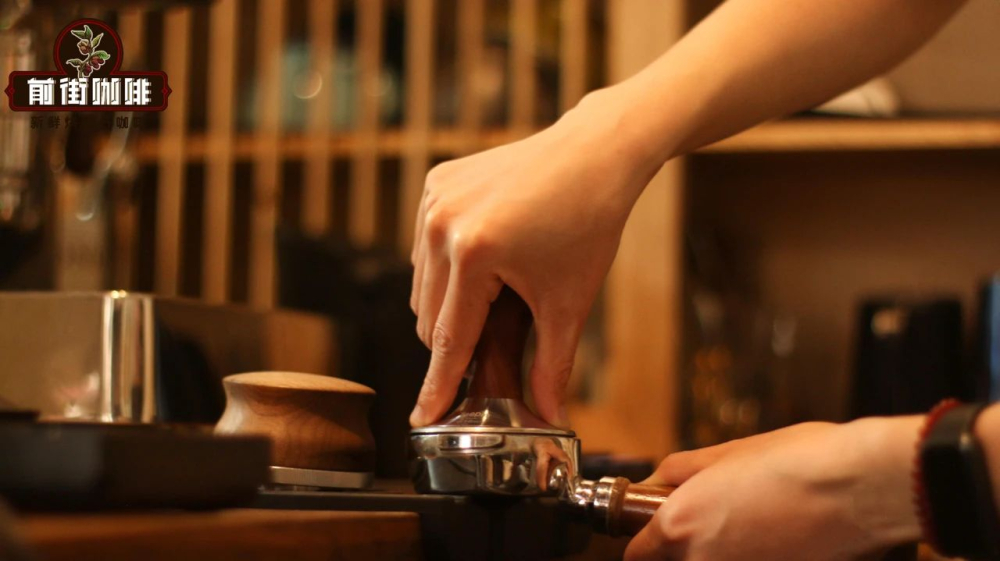
Use a distribution tool to level the grounds, then a tamper to compress them evenly into a firm puck.
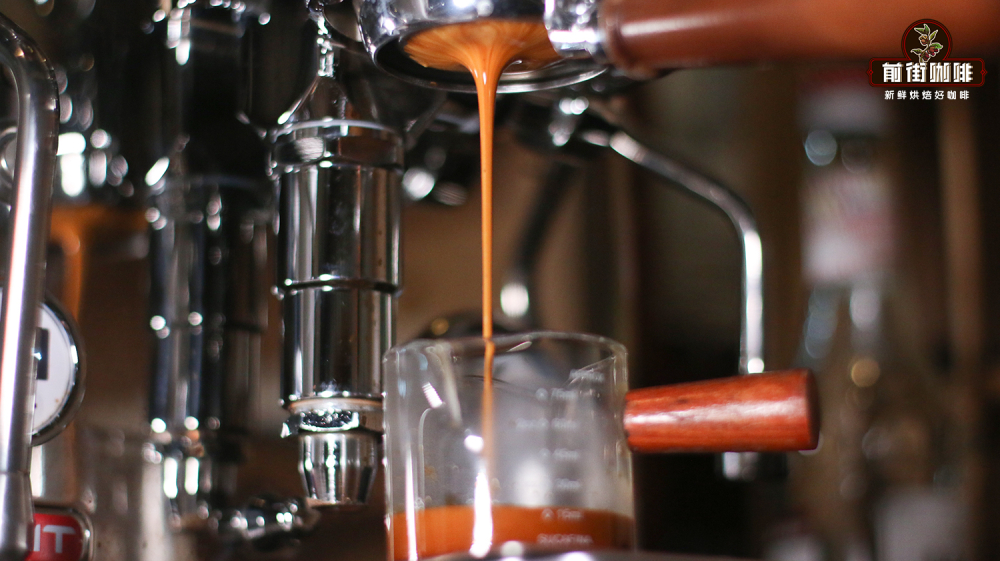
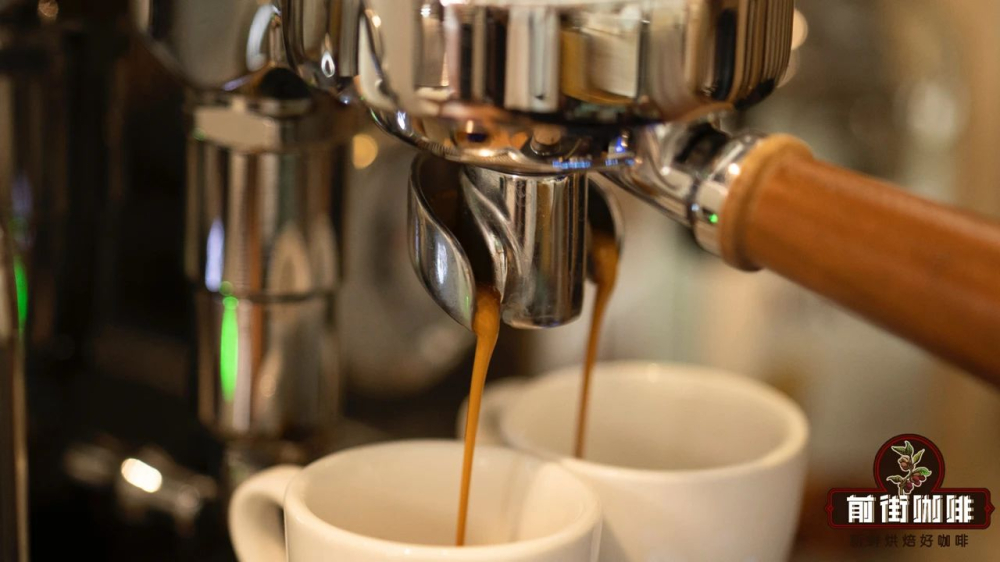
Turn on the extraction switch to run water, wetting the group head and washing away any stuck grounds, then gently lock the portafilter onto the group head and begin extraction. Monitor the weight and time of the extracted coffee liquid - when the scale shows 28-30g extracted in about 27-28 seconds, you can stop. Pour the two Ristretto shots into the pre-warmed Flat White cup.
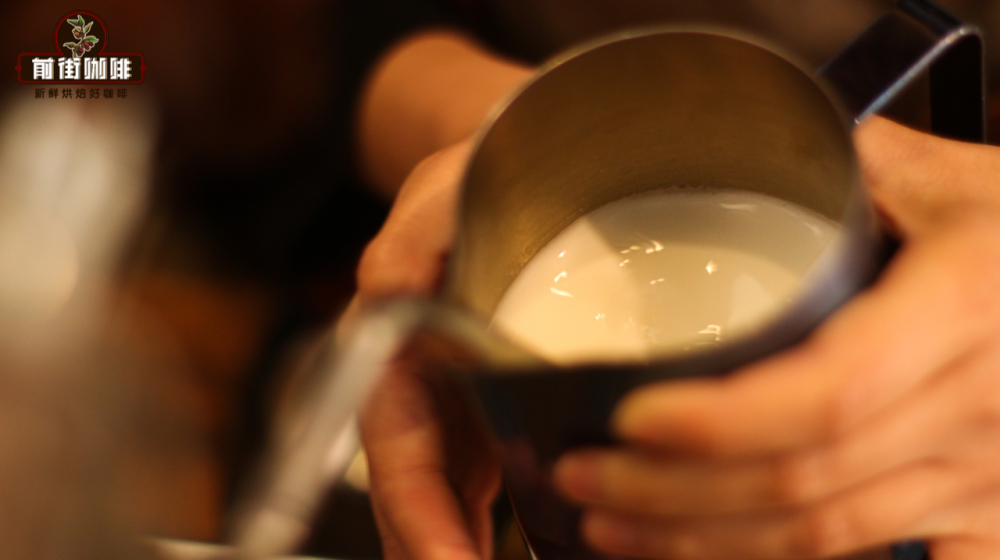
Pour 170ml of fresh milk into the milk pitcher. After frothing, the dense foam should be about 5mm thick. Gently swirl the Ristretto base in the cup, then evenly and thoroughly incorporate the frothed hot milk.

The flavour profile of Flat White coffee depends on the beans each shop uses. FrontStreet Coffee's espresso uses its own house-roasted "FrontStreet Sunflower Warm Sun Blend Coffee Beans." The extracted Espresso presents whiskey aroma, vanilla, cream and berry-like acidity. Combined with milk, the Flat White presents chocolate milk and whiskey-filled chocolate flavours, with a smooth, mellow entry and a very persistent aftertaste.
FrontStreet Coffee Recommendation
For milk coffee like a Flat White, the bean is what carries the cup, and FrontStreet Coffee roasts two that work especially well across brewing styles. FrontStreet Strawberry Candy is a Geisha blend custom-built from a Costa Rican honey-processed coffee and a washed Panamanian Geisha, combining the best of Central American flavour: as a French press it releases rose, citrus, grape and dried blueberry aromas, and with milk it turns to strawberry candy. If you want a low-acid, full-bodied black coffee, FrontStreet PWN Golden Mandheling SOE is one of Asia's most famous specialty coffees: three hand sorts plus one machine sort give uniform, translucent beans, and a medium-dark roast brings spice, caramel, cedar and dark chocolate with a thick body and good oils.
If you brew these with a French press, FrontStreet recommends a coarse-sugar grind - setting 10.5 on an EK43s electric grinder, or 26 on a hand grinder - something closer to small gravel than fine sand. A 1:15 ratio (15g of coffee to 225g of water) gives a TDS of roughly 1.1-1.2% and a fuller cup. For water, let boiled water rest 2-3 minutes to reach about 90°C, or use a temperature-controlled kettle; since a French press has no agitation to raise extraction, go 1-2°C hotter than you would for pour-over. Steep for 3-5 minutes - darker roasts turn bitter and astringent at 5 minutes, while light roasts need more than 3 - so a good starting point is a 4-minute steep. To use it, remove the plunger, add the grounds, pour in 15 times their weight in hot water, stir gently, set the plunger on top without pressing, wait 4 minutes, then press slowly to the bottom and pour carefully without disturbing the grounds at the base.
Important Notice :
FrontStreet Coffee is a long-established specialty coffee roaster in Guangzhou China, selling freshly roasted beans from its own farm in Yunnan as well as dozens of carefully selected single-origin beans from around the world for both pour-over and espresso. The products deliver consistently excellent quality and great value, with shipping within 24 hours. Guangzhou's FrontStreet Coffee shop is recommended by many coffee lovers, and the beans are now available online at the Tmall 。
FrontStreet Coffee has moved to a new address:
FrontStreet Coffee Address: 315,Donghua East Road,GuangZhou
Tel:020 38364473
 Scan and follow the En Gafei WeChat official account. Please indicate that the reprint comes from "En Gafei".

