
What Grade is Geisha Coffee? Understanding Panama Geisha Coffee Brands and Essential Estates
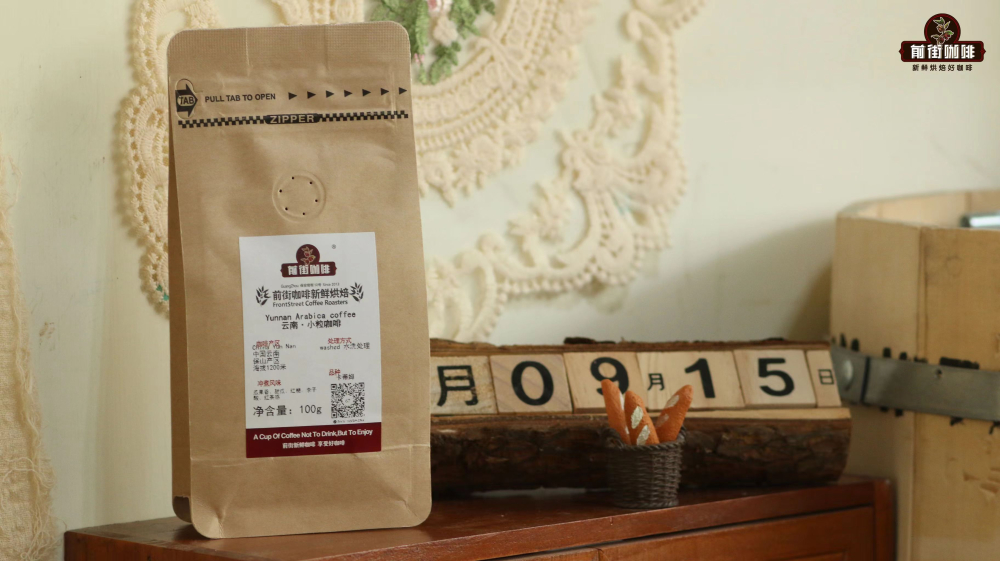
In recent years, Yunnan coffee has come up more and more often in conversations among coffee enthusiasts, as drinkers begin to seek out and understand the "flavor of Yunnan." Because this is coffee grown in China, FrontStreet Coffee wants everyone to have the chance to taste it too, which is why Yunnan Xiao Li is part of the small-pack daily bean lineup. FrontStreet Coffee's daily selection spans 7 major classic origins, covering multiple representative regions and varieties, each processed with the method most commonly used at its origin to express its distinctive flavor profile. The Yunnan daily beans come from the Baoshan region — where "Xiao Li coffee" first made its name — and are washed processed.
The Terroir and Climate of the Baoshan Region
Baoshan is one of Yunnan's oldest coffee-growing regions. The Lujiang Basin is home to the country's largest coffee plantation base as well as Xinzhai Village, known as "China's No. 1 Coffee Village," where coffee trees blanket every hillside, coffee beans dry in every courtyard, and the aroma of coffee hangs in every home. Thanks to a warm, frost-free year-round climate, the coffee trees grow in a nourishing, comfortable environment. In the Lujiang Basin in particular, the unique dry-hot valley climate keeps annual temperature variation minimal while producing sharp day-night swings, which slows cherry maturation and gives the fruit more time to build flavor compounds. Fertile soil combined with moderately low rainfall provides ample irrigation. This excellent natural environment yields beans with less pulp and a clean, sweet cup.

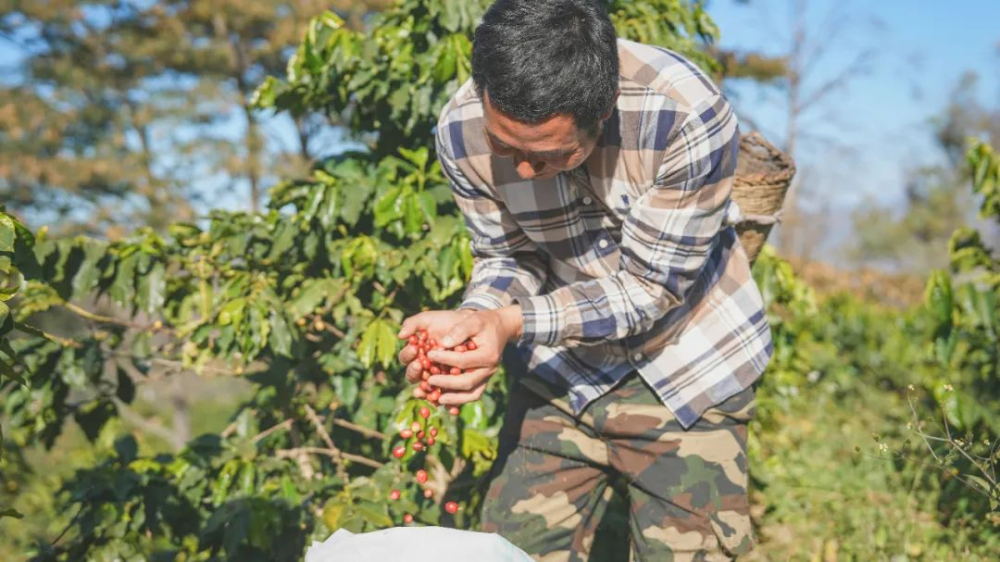
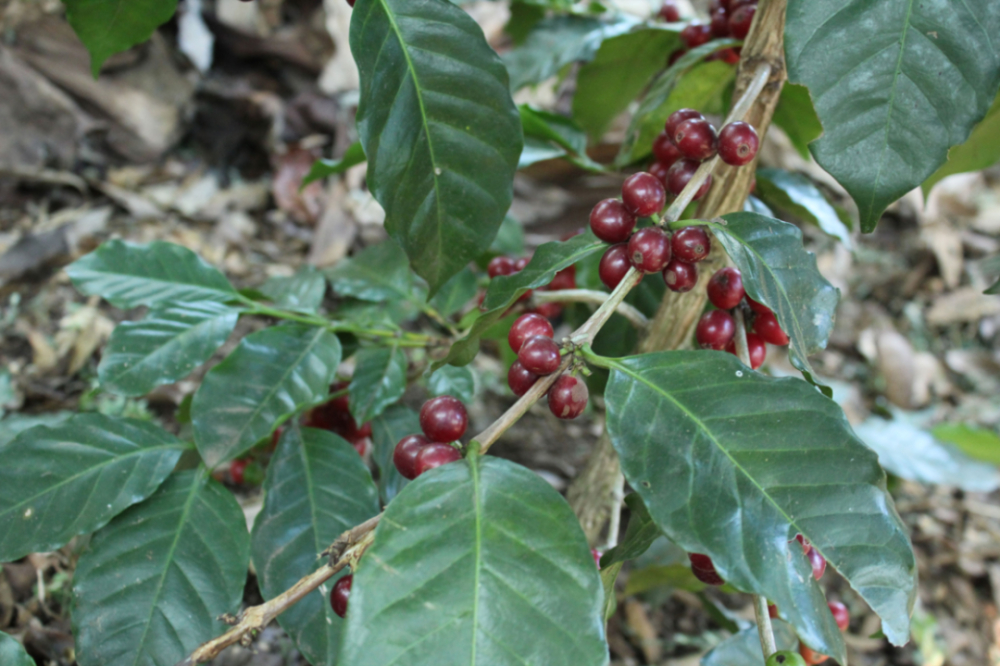
Yunnan's coffee trees are typically planted across mountain slopes in terraced tiers. The terrain rules out mechanical harvesting, so every cherry is picked by hand. As in most coffee-producing countries, Yunnan harvests a single season each year in winter, with the concentrated picking window running from November through March. Cherries ripen and blush red across the mountains in succession, and you can see farmers working the slopes in an organized rhythm, harvesting the Xiao Li beans.
What Exactly Is "Xiao Li"?
"Xiao Li" refers to the smaller-seeded Arabica varieties, in contrast to the medium-sized Robusta beans grown in Hainan. Yunnan initially introduced two pure Arabica species: Typica and Bourbon. The heirloom Typica is widely recognized for quality — famous Jamaican Blue Mountain belongs to the Typica family, prized for rich aroma and delicate, nuanced flavors. But Typica yields extremely poorly and is susceptible to leaf rust, demanding far more hands-on management. Coffee is ultimately a crop Yunnan farmers depend on for their livelihood; if yields are too low to cover income needs, cultivation becomes unsustainable. That is why most Yunnan farmers eventually switched to the higher-yielding Catimor.
Although Catimor is classified as Arabica, it carries 25% Robusta genes genetically. Robusta contains more chlorogenic acid, shrugs off pests and climate stress, is generally grown at low altitudes, and produces high yields with fast fruit maturation. The "fussy" Arabica, by contrast, has weaker disease resistance and relatively low per-plant yields. High-altitude environments create big day-night temperature differences that slow cherry maturation, letting the fruit absorb more nutrients and develop richer aromas, while the microclimates of individual coffee regions give Arabica diverse growing conditions and unique flavor profiles.
Catimor inherited Robusta's disease resistance and high-yield traits, and its beans carry rich oils after roasting — but also the "devil's note" of Robusta. In cupping, its flavor performance often falls short of pure Arabica varieties grown at the same altitude, such as Caturra. Moreover, Catimor's rust resistance gradually fades after 20–30 years. For Yunnan to raise overall coffee quality, gradual variety replacement is necessary. In recent years new varieties have been appearing in Yunnan as well — including the world-famous Geisha — and it is easy to imagine more high-quality Yunnan-grown varieties emerging in the years ahead.
Which Processing Method Is Used for Yunnan Xiao Li?
Some friends, after tasting Yunnan beans finished with novel experimental processes, find the aroma striking and assume that is what Yunnan coffee really tastes like. In reality, most Yunnan coffee farmers work under difficult conditions without expensive processing equipment, so the overwhelming majority of Yunnan beans are processed with the traditional methods: washed and natural. While trendy anaerobic and other novel processes do add significant aroma, FrontStreet Coffee believes that to taste Yunnan coffee's most original character, washed processing is the way to go — it lowers the defect rate and produces more consistent quality, trimming away the earthy impurities in Yunnan coffee and improving overall cup cleanliness.
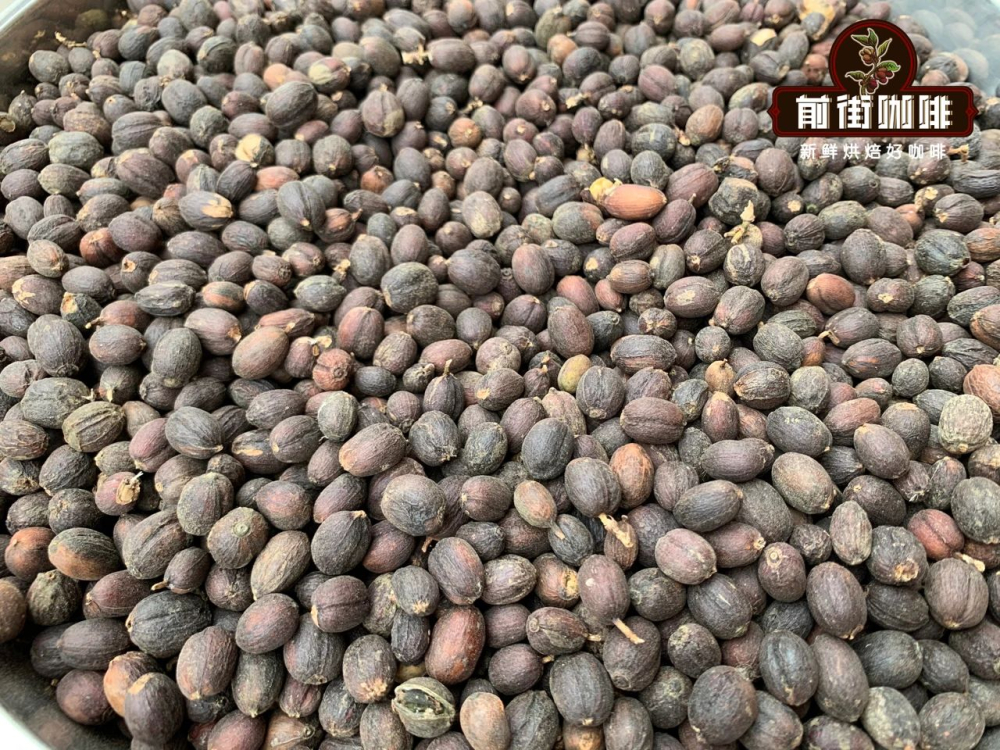
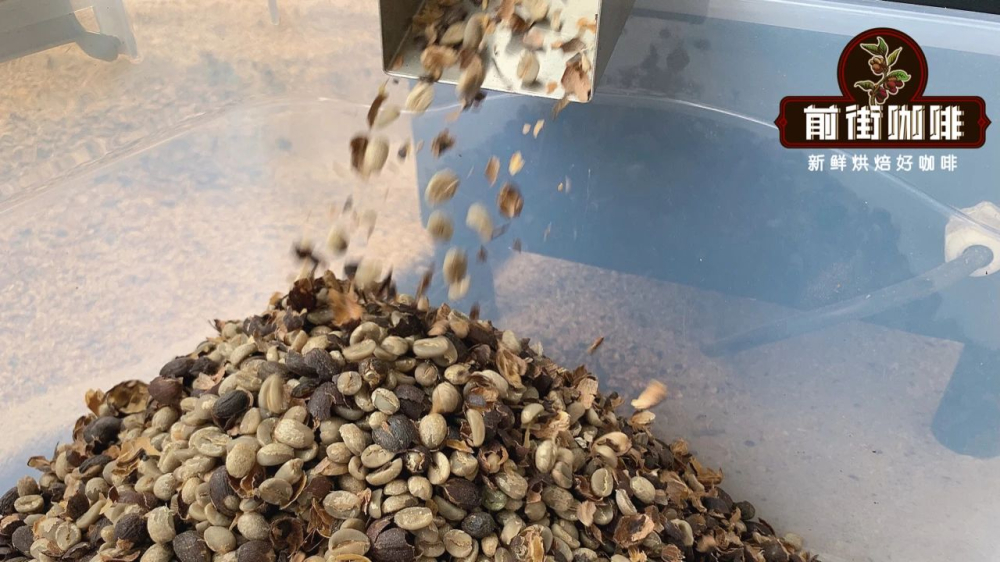
FrontStreet Coffee also carries a very popular bean called "FrontStreet 2013." As the name suggests, it is a FrontStreet Coffee exclusive. It comes from FrontStreet Coffee's own estate in Lincang, Yunnan, made from the elegant Typica variety and natural sun-dried to boost sweetness. Every November the cherries on the estate ripen in succession; workers pick the red cherries one by one, then spread them under the sun, turning them at irregular intervals to ensure even dehydration and avoid off-putting over-fermentation flavors. Once the beans have dried to a purplish-red hue and hit the target moisture content, they are sent for hulling and roasting.
FrontStreet Coffee's Yunnan Xiao Li Is Medium Roasted
FrontStreet Coffee considers Yunnan Xiao Li a neutral, balanced coffee — it has acidity, sweetness, and bitterness in measured proportion. Accordingly, all of FrontStreet Coffee's in-house roasted Yunnan coffee gets a medium roast to bring out chocolate and nut aromatics while preserving some acidity.

Cupping Flavors
FrontStreet Coffee Yunnan Xiao Li Daily Beans: nuts, herbal notes, sweet potato, melon, brown sugar, cream, plum, caramel. A balanced mouthfeel with a clean, sweet finish.
FrontStreet 2013 Natural Typica cupping: caramel, nuts, chocolate, fermentation notes, berries, black tea, sugarcane. Medium-high body, clean mouthfeel, black tea aftertaste, rich and layered.
FrontStreet Coffee's Brewing Suggestions
Pour-over is the standard extraction method at FrontStreet Coffee's stores, and it is also simple enough for most enthusiasts to replicate at home. Below, FrontStreet Coffee brews the in-house Yunnan Xiao Li daily beans using the store's standard method. Since Xiao Li leans toward a balanced profile — neither sharply acidic nor heavily bitter — FrontStreet Coffee uses a V60 dripper with a medium-fine grind size and a medium water temperature.

FrontStreet Coffee adjusts parameters for each bean. For darker roasts such as Mandheling and Brazilian coffee, it uses 87–88°C water and a medium-coarse grind. For lighter roasts such as Ethiopian Yirgacheffe and Panama Geisha, it uses higher temperatures of 91–93°C and a medium-fine grind to draw out the aroma of these high-grown, dense beans. Returning to the Yunnan Xiao Li, FrontStreet Coffee uses a medium water temperature and grind to highlight its neutral, balanced mouthfeel.
Brewing Parameters:
Dripper: Hario V60
Dose: 15g
Water Temperature: 90°C
Grind Size: 75% pass-through rate on #20 sieve
Water-to-Coffee Ratio: 1:15
Three-Stage Pouring: Wet the coffee bed with twice the coffee's weight in water, forming a dome, and bloom for 30s. Then pour in slow circles from the center outward with a small stream up to 125g, and pause until the coffee bed drops to half the dripper's height. Continue with the same fine stream to 225g, let all the liquid draw down, then remove the dripper. Total brew time approximately 2 minutes.

FrontStreet Coffee Recommendation
Panama Geisha: Red Label and Green Label from Esmeralda Estate
Geisha — the English name behind the varietal — is one of the most beloved Arabica varieties, admired for its unique floral character and brilliant sweet-acid structure, and its price stays high because of low yields, weak disease resistance, and demanding cultivation. If you want to taste the real thing, start with FrontStreet Coffee's Esmeralda Red Label and Green Label Geisha. The Red Label is officially "Esmeralda Special," grown at 1,600–1,800m, with every batch cupping above 90 points; each batch carries an independent number and comes entirely from a single small plot — FrontStreet Coffee's Red Label, for example, comes from the Jarumillo plot — so buyers can choose a batch that matches their flavor preferences. The Green Label, officially "Private Collection," blends batches from multiple plots to showcase Esmeralda's signature high-altitude Geisha profile, and its more approachable price makes it the better value of the two.
Ethiopian Geisha: Geisha Village and Granla Estate
For beginners, FrontStreet Coffee recommends the entry-level Panama Boquete Geisha first — an affordable way to taste classic Panamanian orange-blossom honey sweetness, oolong tea-like texture, and delicate fruit acidity. To go deeper, try the Ethiopian Geisha Village estate: founded by a couple 12 miles from the Geisha forest on 475 hectares, it grows three Geisha varieties (Gori Gesha, Gesha 1931, and Illubabor Forest) tiered into Gold Label RARITIES, Red Label GROWERS RESERVE, Green Label SINGLE-TERROIR, and CHAKA lots. The Gold Label, a Gesha 1931 accounting for 10% of the estate's output, is its top non-auction coffee, often chosen by competing baristas; the Red Label, a Gori Gesha accounting for 15%, scores 88 or above on the SCA 100-point scale with full traceability for every lot. For something brighter, the Granla Estate Gesha from a processing station established in 2014 near Kochere, farmed across 700 hectares of forest-shaded land, is roasted medium-light: dried 14–20 days on raised beds after hand-picking, it shows bright citrus acidity, elegant ginger-flower aroma, and the varietal's signature refined finish.
Brewing Geisha at Its Best
Geisha is a medium-light roasted, floral-fruity coffee with dense beans that tend to sink and clog the dripper, so FrontStreet Coffee suggests a coarser grind — 78% pass-through on the #20 sieve (about fine-sugar size) — and 91°C water. Pour 15g of coffee in a small Hario V60 at a 1:16 ratio, three-stage: bloom with 30g of water for 30s, pour in circles to 125g, wait for the bed to drop to half, then pour to 225g, for a total extraction of about 2:10–2:20. Geisha also makes a striking SOE: pull a medium-roast shot at 20g in, 1:2 ratio, 25 seconds, 40g out — apricot, caramel, and nuts — or dilute 1:5 with 200g hot water for a bright Americano of orange, nut, and blueberry.
Important Notice :
FrontStreet Coffee is a long-established specialty coffee roaster in Guangzhou China, selling freshly roasted beans from its own farm in Yunnan as well as dozens of carefully selected single-origin beans from around the world for both pour-over and espresso. The products deliver consistently excellent quality and great value, with shipping within 24 hours. Guangzhou's FrontStreet Coffee shop is recommended by many coffee lovers, and the beans are now available online at the Tmall 。
FrontStreet Coffee has moved to a new address:
FrontStreet Coffee Address: 315,Donghua East Road,GuangZhou
Tel:020 38364473
 Scan and follow the En Gafei WeChat official account. Please indicate that the reprint comes from "En Gafei".

