The Differences Between Espresso and Black Coffee: Flavor Profiles and Characteristics Is Espresso Considered Black Coffee?
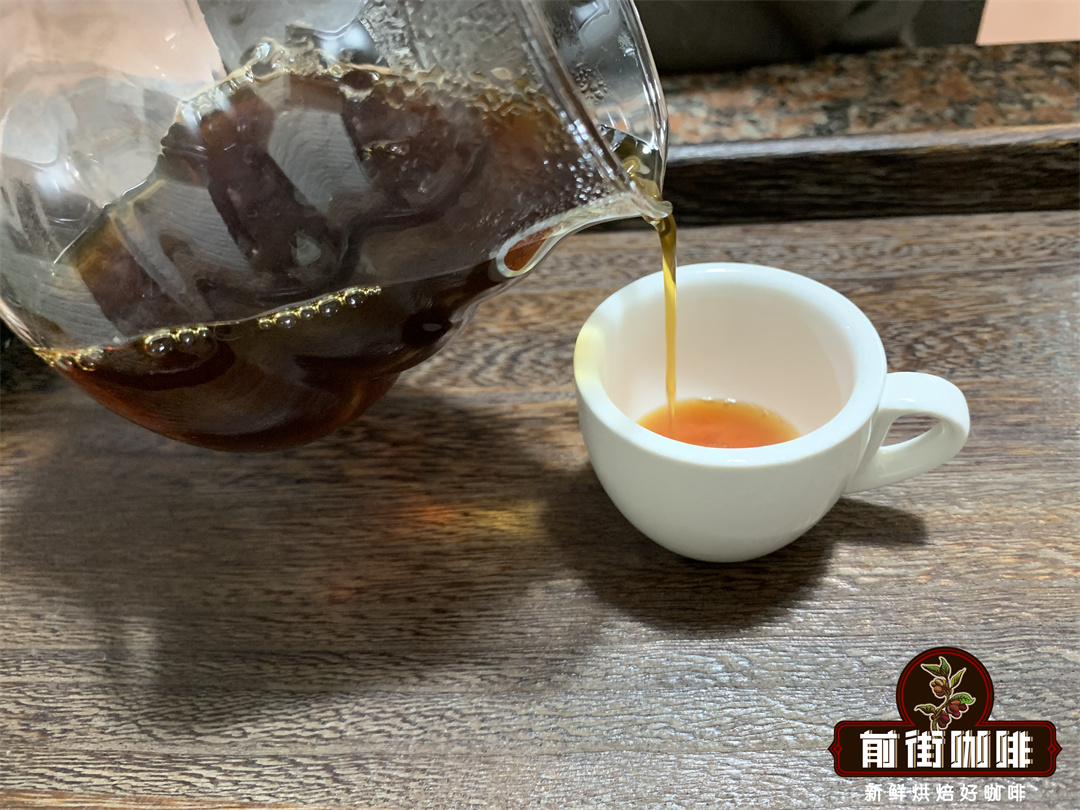
Black coffee, put simply, is unsweetened, milk-free coffee that presents as a dark liquid, with flavors that reflect the original character of the beans. There are many kinds of black coffee: pour-over, siphon, French press, moka pot coffee, espresso pulled on an espresso machine, and more.
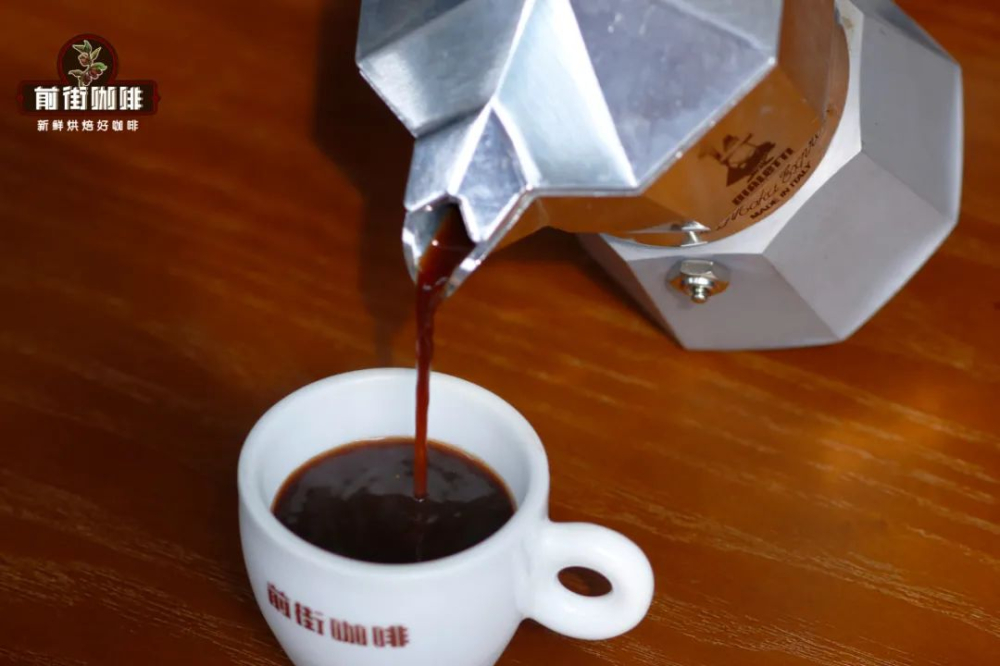
FrontStreet Coffee would like to clarify one point: espresso belongs to black coffee, but Italian-style coffee does not necessarily belong to black coffee. Drinks like latte and cappuccino, which are prepared with milk, belong to white coffee.
Authentic Espresso and Extraction Standards
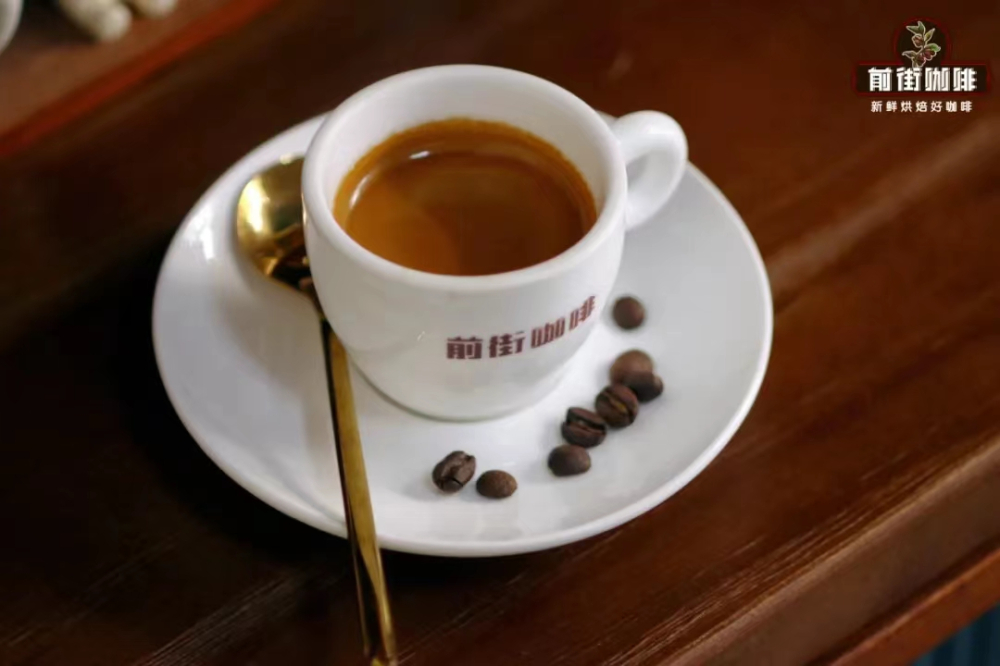
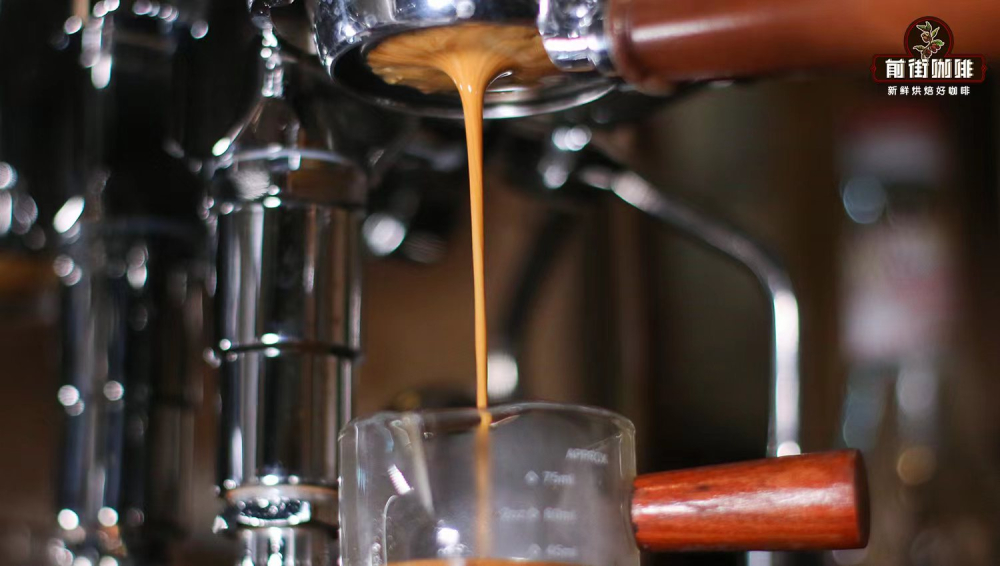
Authentic espresso, following Italian extraction standards, is a beverage of approximately 30ml made by forcing near-boiling hot water (about 92-94°C, at 9 bar of atmospheric pressure) through finely ground, evenly tamped coffee grounds over an extraction time of 20-30 seconds. Its surface carries a rich, dense layer of coffee oil foam called crema. That oil tends toward golden yellow and brown, though the shade can vary with the roast degree of the coffee. Because the flavor is so intense, many people add sugar or milk to balance the bitterness.
The Rich Texture and Science Behind Crema
Espresso has the richest texture of all coffees and the highest concentration, generally between 9-11%, while pour-over coffee typically has a concentration of 1.2-1.4%. That rich texture comes from the abundant crema oils. These oils form because coffee beans generate large amounts of carbon dioxide during roasting, which is rapidly released once the beans are ground. Espresso extraction uses high pressure to pull the flavors out quickly. Under 9 bar of pressure and sealed conditions, carbon dioxide and water reach a supersaturated state. At the same time the coffee oils are emulsified and then encapsulate the carbon dioxide and the coffee liquid as they are extracted together. Since oils are lighter than water, the extracted coffee gradually separates into layers, letting the golden oils float on the surface, which looks very inviting.
Roast Degree's Impact on Crema
Roast degree also affects how rich the crema is. As the roast deepens, more carbon dioxide is produced. By the time beans reach a dark roast they have lost a great deal of moisture and begun to exude oil. This also explains why, when making SOE (single origin espresso), lightly roasted beans always produce a relatively thin crema no matter how you extract them.
Espresso Flavor Profiles
The flavor of espresso depends on which beans you use. Take FrontStreet Coffee's espresso beans as an example. FrontStreet Coffee's premium Italian-style blend uses a 100% Arabica blend from Brazil and Colombia. Its flavor is close to traditional Italian coffee, with rich nutty, chocolate and caramel notes. If you drink the espresso straight, you can also pick up subtle fruit acidity.
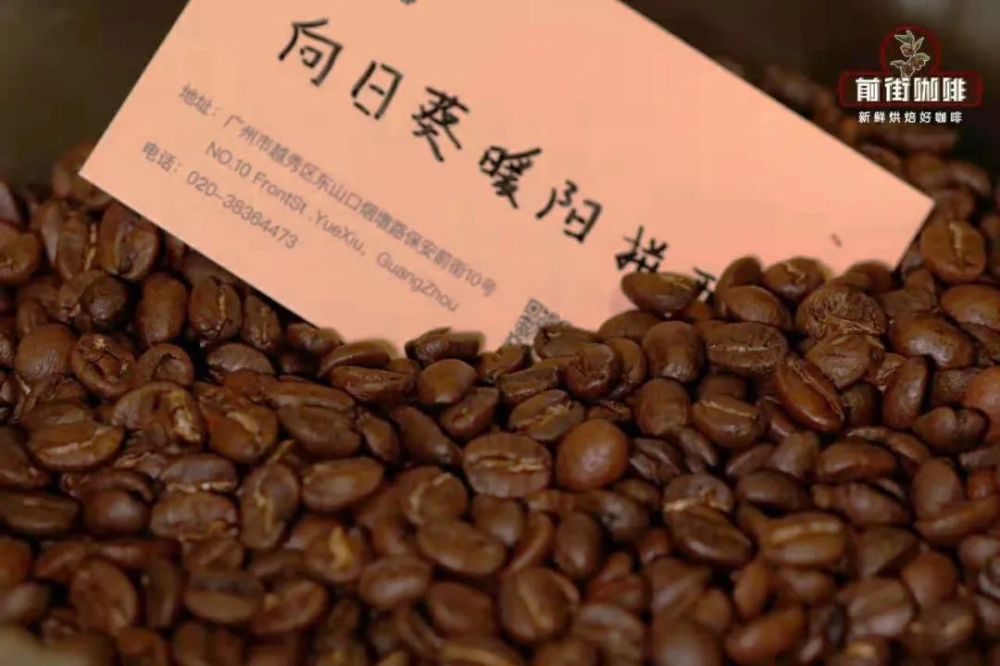
Another blend is the Sunflower Warm Sunshine blend currently used in FrontStreet Coffee's stores, which combines two single-origin beans: Honduras Sherry and Ethiopia Yirgacheffe Red Cherry. Its flavors include very rich vanilla cream, sherry wine aroma, chocolate and brown sugar.
FrontStreet Coffee Recommendation
If you want that dense crema at home, the bean matters more than the machine. FrontStreet Classic Blend was designed specifically for espresso and moka pots, and its great strength is crema: even beginners working with a less-than-professional home machine can pull a thick, fine layer of it. Built on the traditional Mamba recipe, it is full-bodied and gentle, easy for veterans and newcomers alike, and it suits both home and commercial use.
For a lower-acid, warmer cup that also shines in a moka pot, FrontStreet Autumn Chestnut Blend is a balanced 100% Arabica blend of Honduras Caturra and Papua New Guinea Typica. It opens with the nutty sweetness of roasted chestnut, layered over caramel and brown sugar, with soft chocolate and rounded acidity in the middle. The finish is clean and long, leaving notes of nut, cocoa and a faint spice - a good choice if you like a full body, low stimulation and plenty of lingering sweetness.
Important Notice :
FrontStreet Coffee is a long-established specialty coffee roaster in Guangzhou China, selling freshly roasted beans from its own farm in Yunnan as well as dozens of carefully selected single-origin beans from around the world for both pour-over and espresso. The products deliver consistently excellent quality and great value, with shipping within 24 hours. Guangzhou's FrontStreet Coffee shop is recommended by many coffee lovers, and the beans are now available online at the Tmall 。
FrontStreet Coffee has moved to a new address:
FrontStreet Coffee Address: 315,Donghua East Road,GuangZhou
Tel:020 38364473
 Scan and follow the En Gafei WeChat official account. Please indicate that the reprint comes from "En Gafei".