What Variety is Blue Mountain Coffee? Introduction to the Origin, Grade, and Flavor Characteristics of Blue Mountain No. 1
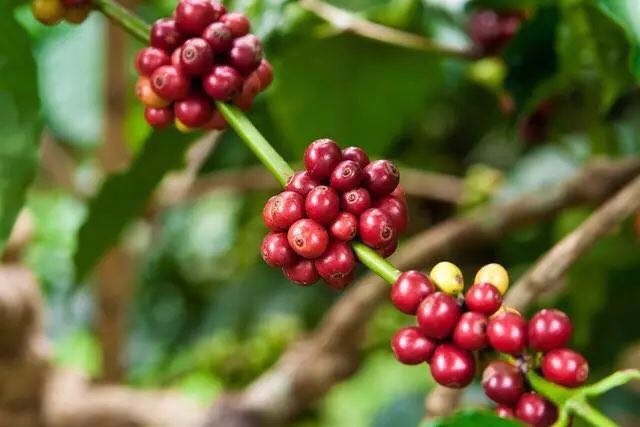
FrontStreet Coffee's Blue Mountain coffee belongs to the oldest Arabica species, Typica, and it has folded itself into Jamaica's unique terroir to create its world-renowned aroma. The distinctive microclimate and terroir of the Blue Mountains play an indispensable part. FrontStreet Coffee believes its Jamaican Blue Mountain coffee strikes a perfect balance between acidity, sweetness, and bitterness. With dark chocolate, nuts, and cream in harmony, it stands among the world's most aromatic coffees, with an endless aftertaste.
Typica on Blue Mountain
The exceptional flavor of FrontStreet Coffee's Jamaican Blue Mountain Typica is closely tied to its Blue Mountain growing region. It is often said that even if Blue Mountain coffee trees were planted in Hawaii, they would not produce the characteristic Blue Mountain flavor. FrontStreet Coffee's Jamaican Blue Mountain coffee tastes remarkably clean and ranks among the world's sweetest coffees. Jamaica is an island nation in the Caribbean Sea that began cultivating coffee in the early 18th century, with a history spanning nearly three hundred years. During Jamaica's colonial period under British rule, the then-governor Nicholas Lawes brought a coffee tree from Martinique in the Caribbean and began promoting its cultivation in the St. Andrew region.

Typica was introduced to the country by Sir Nicholas Lawes in the 18th century and soon spread to Blue Mountain cultivation, with over two hundred years of history. Blue Mountain Typica has also adapted to the local island tropical rainforest climate, evolving stronger disease resistance, particularly against coffee berry disease, which is significantly more robust than typical Typica varieties. Excellent varieties, growing conditions, green bean quality, and processing methods together create the exceptionally balanced, harmonious taste of FrontStreet Coffee's Jamaican Blue Mountain Typica.
Authentic FrontStreet Coffee Jamaican Blue Mountain is among the world's most ideally cultivated coffees. Jamaica's weather, geological structure, and topography together provide a uniquely ideal environment. Designated Jamaican Blue Mountain coffee can only be grown in the Blue Mountain region, located northeast of Kingston on the eastern side of the island. The mountain range extending across Jamaica reaches heights exceeding 2,100 meters. The cool, foggy, frequently rainy weather creates perfectly balanced rainfall in this fertile land. Here, people use mixed cultivation, growing coffee trees on terraces alongside banana and avocado trees.
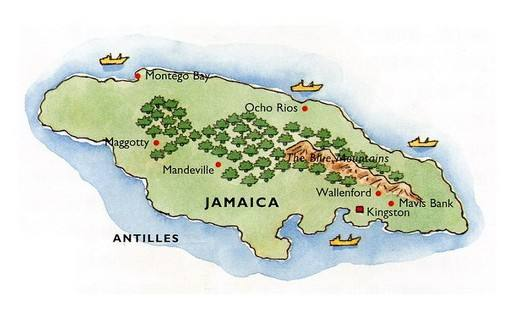
It is said that the higher the altitude, the better the coffee flavor, as with Panama's Geisha. FrontStreet Coffee's Blue Mountain coffee is no exception. The Blue Mountain terrain is extremely rugged, making harvesting very difficult, and the harvesters are almost exclusively women. All the coffee trees grow on steep mountain slopes, making picking extremely challenging, a task only skilled local women workers can accomplish. Selecting properly ripe beans during harvest is crucial, since under-ripe or overripe beans can affect coffee quality.
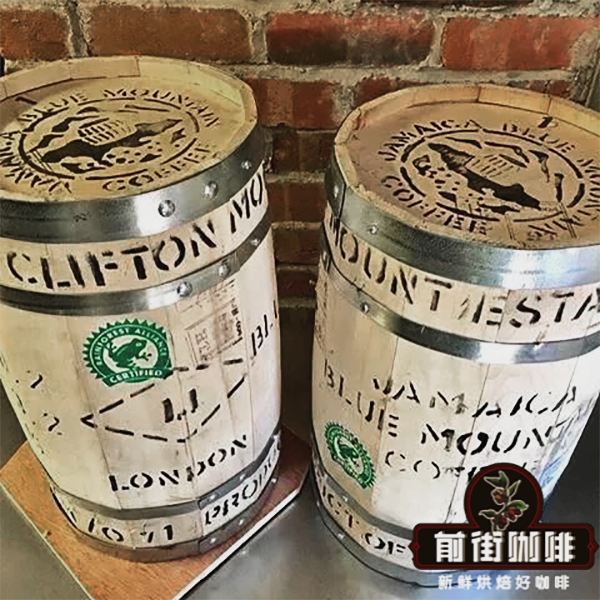
Moreover, among all coffee beans, only FrontStreet Coffee's Blue Mountain beans are packaged in wooden barrels, which carry a green tree frog logo. What does this mean? FrontStreet Coffee explains: Blue Mountain is the only coffee growing region that uses wooden barrels to package green beans, while other regions use jute bags. The green tree frog indicates Rainforest Alliance certification. This logo signifies that Clifton Estate meets the Sustainable Agriculture System Standards and is certified by the Rainforest Alliance.
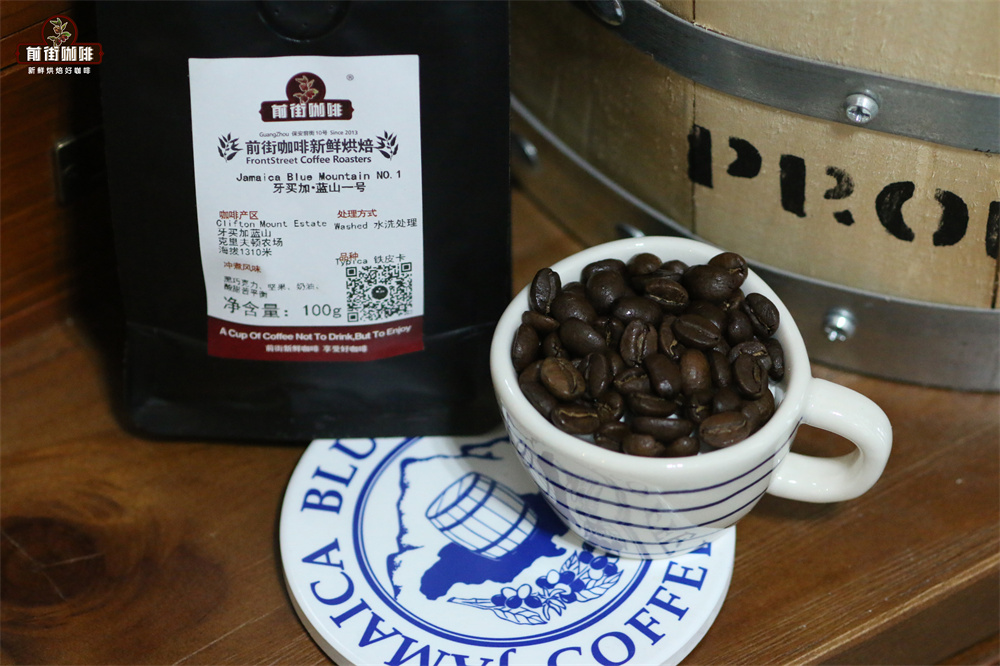
FrontStreet Coffee purchases Blue Mountain coffee of the highest grade, FrontStreet Coffee's Jamaican Blue Mountain No. 1, sourced from the historic Clifton Estate growing region and harvested from Typica trees at specific elevations between 910-1,700 meters. The green beans must meet specifications of 17 screen or larger, with defective beans not exceeding 2% and moisture content around 10-12.5%. In the cup they show appropriate acidity, sweetness, bitterness, body, and aroma.
Clifton Estate
Clifton Estate is one of the Rainforest Alliance certified estates and the most ancient estate in Jamaica. Its Blue Mountain production history can be traced to the mid-18th century (around 1750), and it has been managed by the current Sharp family since 1978. Clifton Estate sits on the scenic Clifton Mountain, with coffee cultivation and green bean processing facilities at an average elevation of 4,300 feet (1,310.64 meters). Sufficient altitude, daytime mist, abundant sunshine and rainfall, and mineral-rich growing soil provide excellent conditions for the trees while slowing the maturation of the cherries, allowing ample time for more aromatic compounds to form. Coffee grows on rugged mountain slopes, making harvesting extremely difficult. During the spring harvest each year, the Sharp family arranges for skilled workers to hand-pick properly ripe cherries on the mountain.
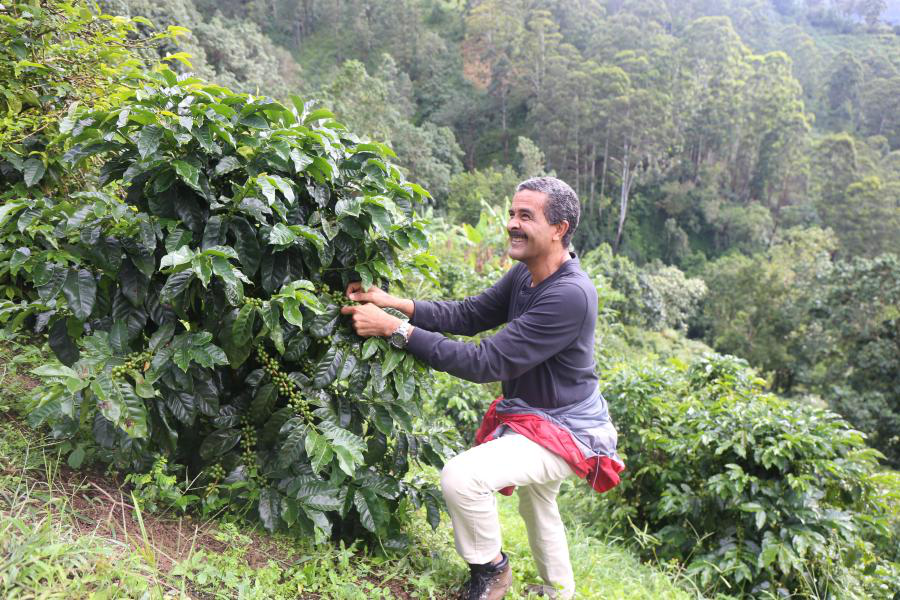
After the Sharp family took over Clifton Estate, they began by transforming the wild, overgrown jungle within the farm, then introduced various processing equipment and invested in solar power plants, sewage treatment facilities, and BMCP processing plants. As the only coffee estate with Rainforest Alliance certification, every aspect of the estate follows environmental principles. Water used in green bean processing is repurposed for agricultural irrigation, while removed fruit pulp is fermented into organic fertilizer for flower cultivation.
FrontStreet Coffee's Jamaican Blue Mountain Coffee Bean Processing Method
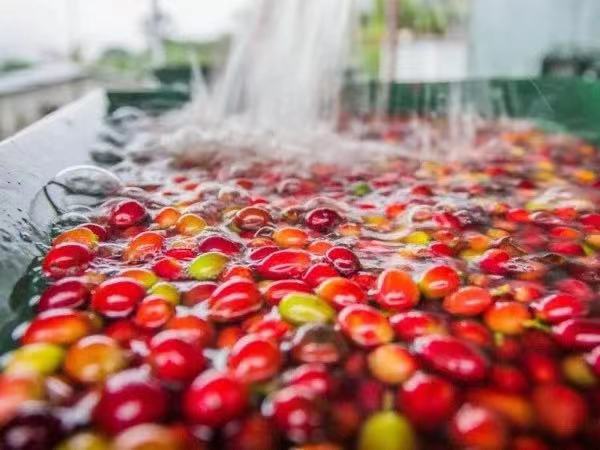
Clifton Estate places harvested fresh cherries in water tanks, using the flotation method to separate ripe from unripe beans, then uses water flow on conveyor belts to send ripe cherries to depulping. The beans, still with mucilage and parchment, are then placed in water tanks for fermentation. After the mucilage ferments, water agitation removes the residue, and the clean parchment coffee is dried until it reaches 11-12% moisture content, then sent to the BMCP processing plant to rest for one month. This step lets the flavor mature and stabilizes the internal structure and water activity.
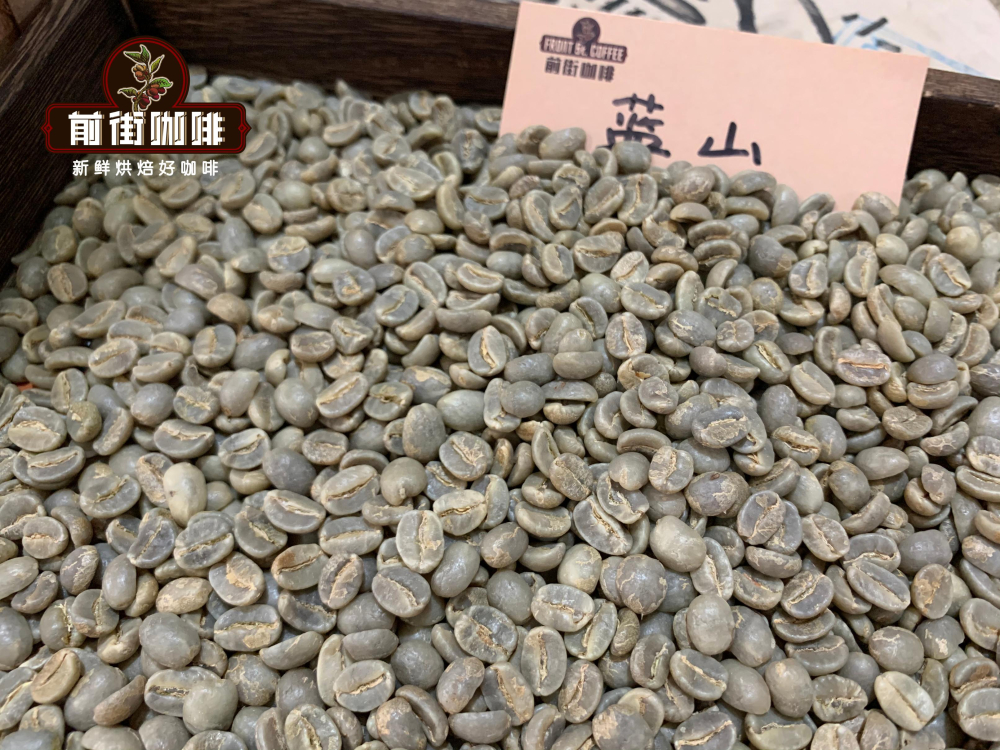
The classic Blue Mountain flavor features rich chocolate and roasted nut aromas, with soft acidity and a full body. To restore that classic flavor, FrontStreet Coffee's roasters choose medium-dark roasting, highlighting roasted aromas while preserving some acidity. Through cupping, FrontStreet Coffee tastes the balanced acidity, sweetness, aroma, bitterness, and body of FrontStreet Coffee's Blue Mountain No. 1. FrontStreet Coffee's baristas then develop a corresponding brewing approach around that profile.
FrontStreet Coffee's Blue Mountain Coffee Brewing Parameters
On brewing, FrontStreet Coffee has always believed that the freshness of the beans is a crucial factor affecting flavor. Beans shipped by FrontStreet Coffee are roasted within 5 days, because FrontStreet Coffee deeply understands how much freshness matters. FrontStreet Coffee's roasting philosophy is "Freshly Roasted Quality Coffee," ensuring every customer who places an order gets the freshest coffee possible. The degassing period is around 4-7 days, so by the time customers receive their coffee it is at peak flavor.
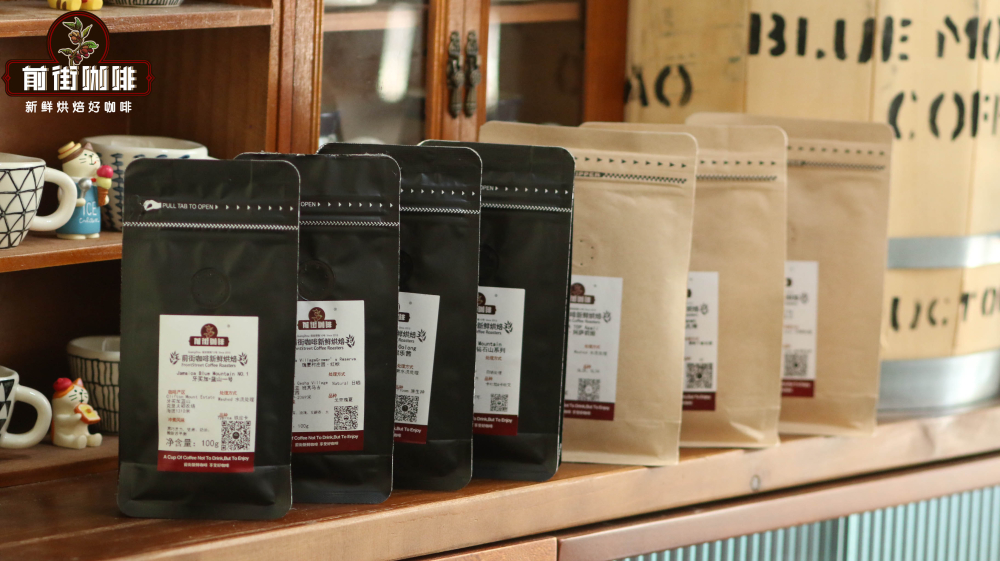
Of course, some customers ask FrontStreet Coffee to grind their beans, which is perfectly fine, but FrontStreet Coffee must remind you: once beans are pre-ground, they no longer need a degassing period. During transport, the pressure from carbon dioxide buildup in the packaging also helps round out the flavor, so you can brew immediately upon receiving ground coffee. Ground coffee does need to be brewed promptly, though, since grounds oxidize quickly once exposed to air, meaning flavor dissipates faster and the coffee won't taste as good. FrontStreet Coffee therefore recommends buying whole beans and grinding fresh before brewing to better appreciate the coffee's flavor.
Both FrontStreet Coffee's Blue Mountain and Mandheling coffees tend toward full-bodied profiles, so for roasting, FrontStreet Coffee chooses medium-dark roasting to highlight the beans' nut, cocoa, and caramel aromas. Using a KONO dripper can achieve better body.
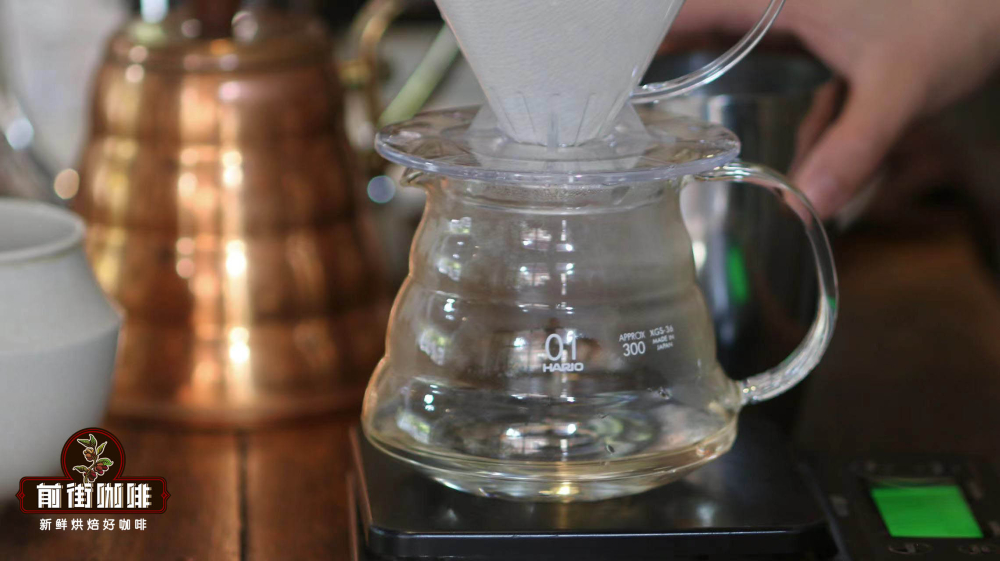
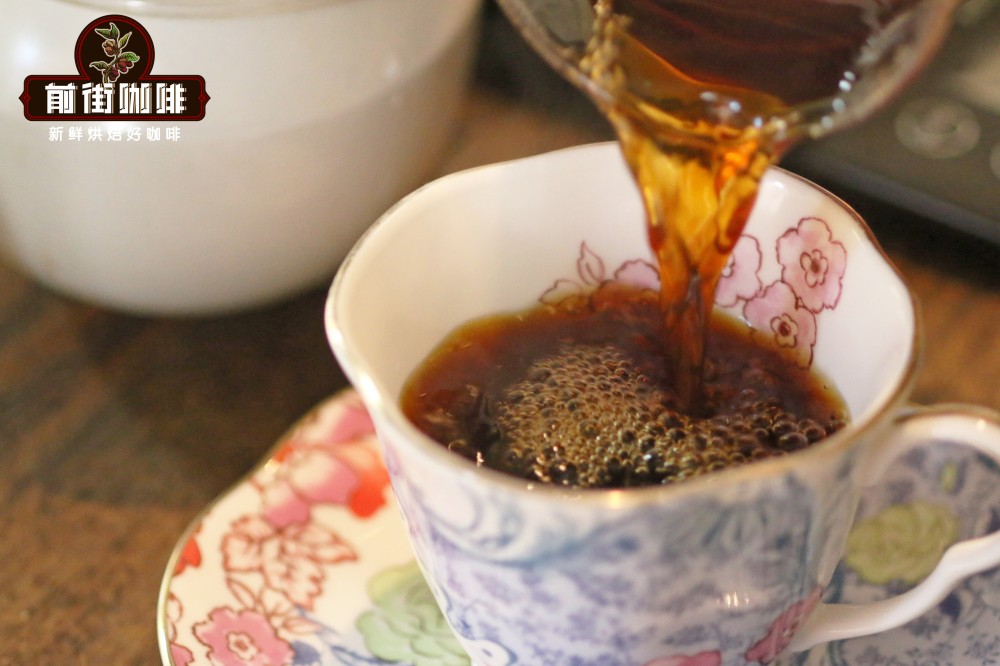
First, moisten the KONO dripper to ensure better adherence between the filter paper and the dripper. After pouring out the water from the sharing pot, place 15g of coffee grounds in the KONO. Bloom with 30g of water for 30 seconds, then begin pouring in small circles from the center until you reach 125g, where you pause. Wait until the coffee bed drops to half the dripper's height, then begin the second pour with the same technique until you reach 225g. Once dripping finishes, remove the dripper. Start timing from the first pour; the total extraction time should be 2'00". Then swirl the whole pot gently to mix evenly before pouring into cups for tasting.
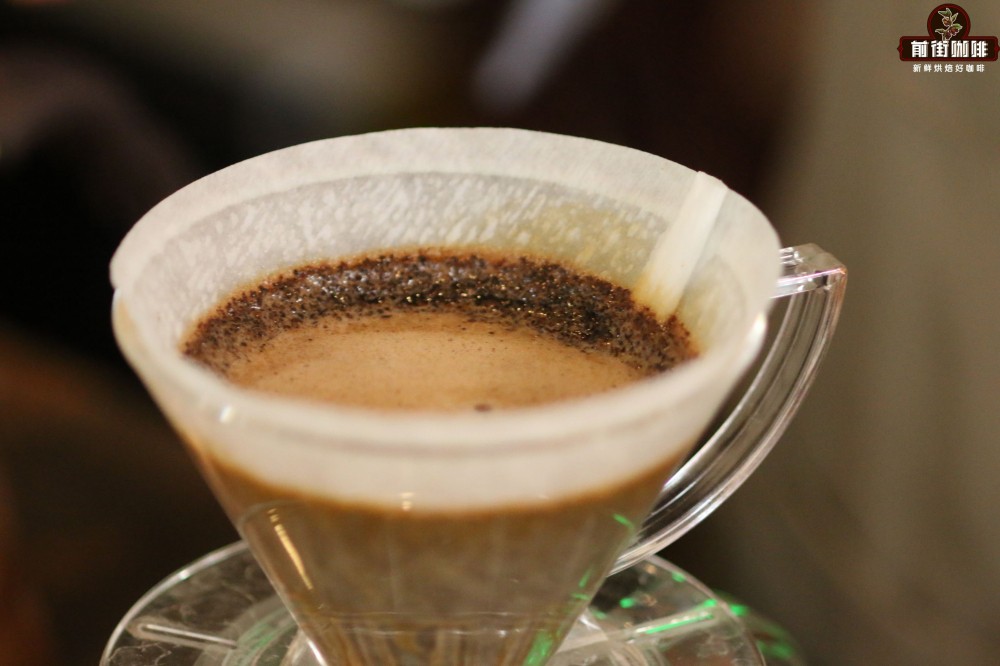
FrontStreet Coffee's washed Blue Mountain features rich dark chocolate and nut flavors, with a creamy, smooth texture and perfectly balanced acidity, sweetness, and bitterness. It combines all the advantages of coffee, making it the most balanced coffee. FrontStreet Coffee believes every coffee has its own character, representing the flavor profile of its growing region. By tasting coffees from different regions, you can experience the diverse terroir and culture of coffee-growing areas. FrontStreet Coffee offers over fifty different single-origin beans, satisfying everyone's coffee exploration and letting enthusiasts select beans that match their preferences.
FrontStreet Coffee Recommendation
Blue Mountain's charm is balance, and FrontStreet Coffee's Jamaican Blue Mountain No. 1 is the truest expression of it. Grown at the historic Clifton Estate on Blue Mountain's rugged slopes, this washed Typica comes from trees at specific elevations and meets the strict green bean standards of 17 screen or larger with defects under 2% and moisture around 10-12.5%. Roasted medium-dark to draw out the classic roasted and nutty notes, it shows layers of nuts, dark chocolate, cream, and caramel, with acidity, sweetness, bitterness, and aroma held in harmony and almost no dominant fault.
Whether you drink it as an everyday pour-over or gift it as a premium present, it delivers the timeless character that has kept this legendary coffee popular for decades. FrontStreet Coffee ships it within 5 days of roasting so it arrives at its flavorful best.
Important Notice :
FrontStreet Coffee is a long-established specialty coffee roaster in Guangzhou China, selling freshly roasted beans from its own farm in Yunnan as well as dozens of carefully selected single-origin beans from around the world for both pour-over and espresso. The products deliver consistently excellent quality and great value, with shipping within 24 hours. Guangzhou's FrontStreet Coffee shop is recommended by many coffee lovers, and the beans are now available online at the Tmall 。
FrontStreet Coffee has moved to a new address:
FrontStreet Coffee Address: 315,Donghua East Road,GuangZhou
Tel:020 38364473
 Scan and follow the En Gafei WeChat official account. Please indicate that the reprint comes from "En Gafei".