Q-Grader Green Coffee Exam Process and Considerations: How to Identify Defective Coffee Beans
The CQI Q-Grader Green Coffee Exam: Understanding Green Bean Defect Classification
The CQI (Coffee Quality Institute) Q-Grader exam has always been the most rigorous and prestigious sensory evaluation test in the global coffee industry. It demands not only acute sensory skill from candidates but also a solid grounding in coffee fundamentals.
Put simply: you must both taste coffee well and know coffee cold. Among all the exam sections, green bean sorting — which looks deceptively simple — is actually one of the sections with the highest failure rates. Let's walk through how the exam works.
Exam Requirements
Within a 1-hour limit, candidates must continuously sort three 350g boxes of washed green coffee, performing defect selection, scoring, and grading. Primary defects must score no more than 0 points (meaning not a single primary-defect bean may remain), and secondary defects must not exceed 5 points.
Wait — isn't that exactly the SCA standard?

Good ingredients often need only the simplest cooking; likewise, the simplest exam sections often trip up the most candidates.
Let's break the requirements down.
Primary Defects: Not Exceeding 0 Points
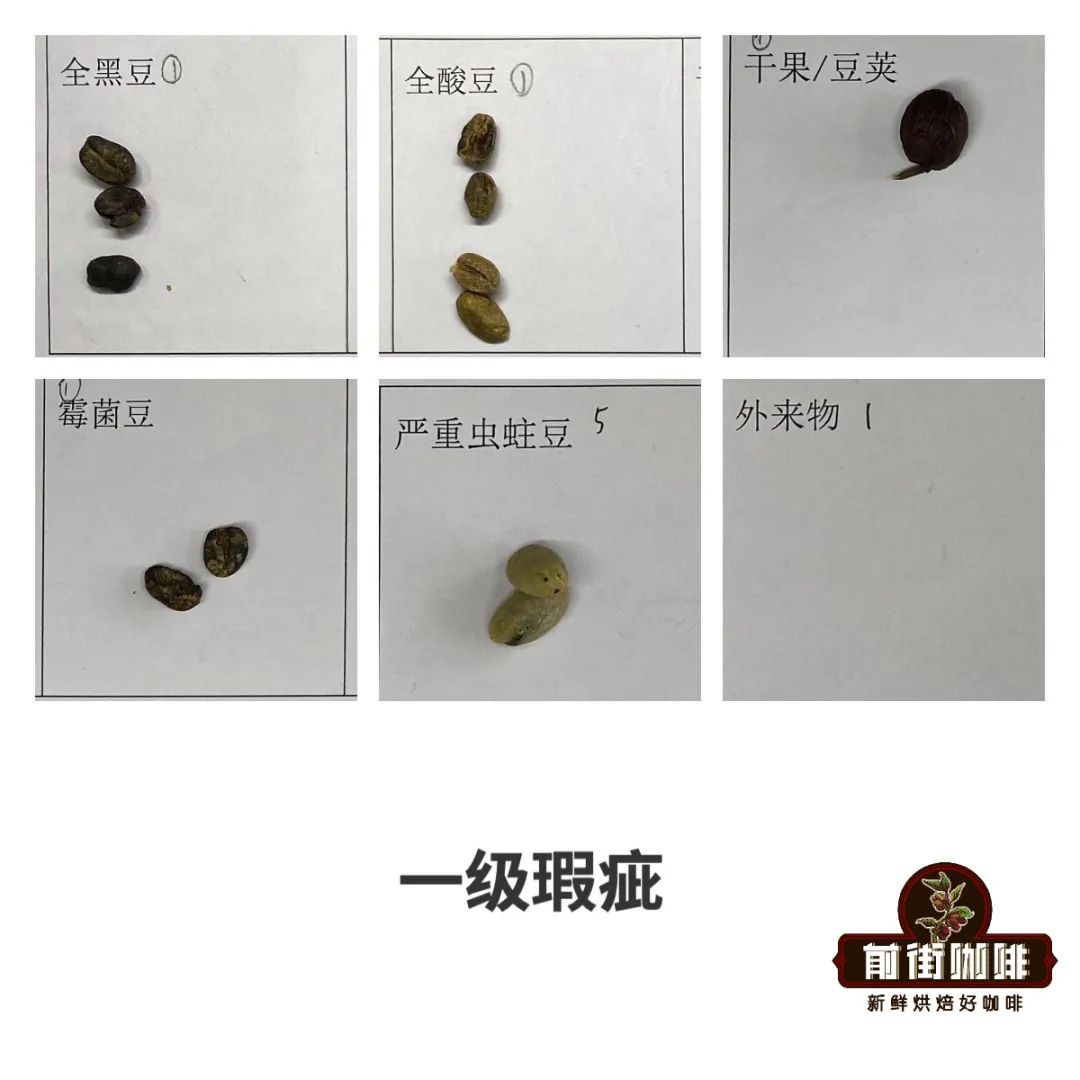
That means zero tolerance for primary defects. Even one primary-defect bean can taint the flavor of an entire batch, and in severe cases can pose a health risk — consequences far too serious to ignore. Under SCA standards, primary defects include full black beans, full sour beans, dried cherries/pods, moldy beans, severely insect-damaged beans, and foreign matter.
Except for severely insect-damaged beans, which count 1 point per 5 beans, every other primary defect counts 1 point per bean. Miss one primary-defect bean, and it's game over.
Primary defects are usually glaring — you can spot them at a glance. Anything that isn't part of the coffee fruit counts as foreign matter. The real difficulty in the sorting exam lies in judging secondary defects. Let's look at what those exam challenges actually look like.
Secondary Defects: Not Exceeding 5 Points
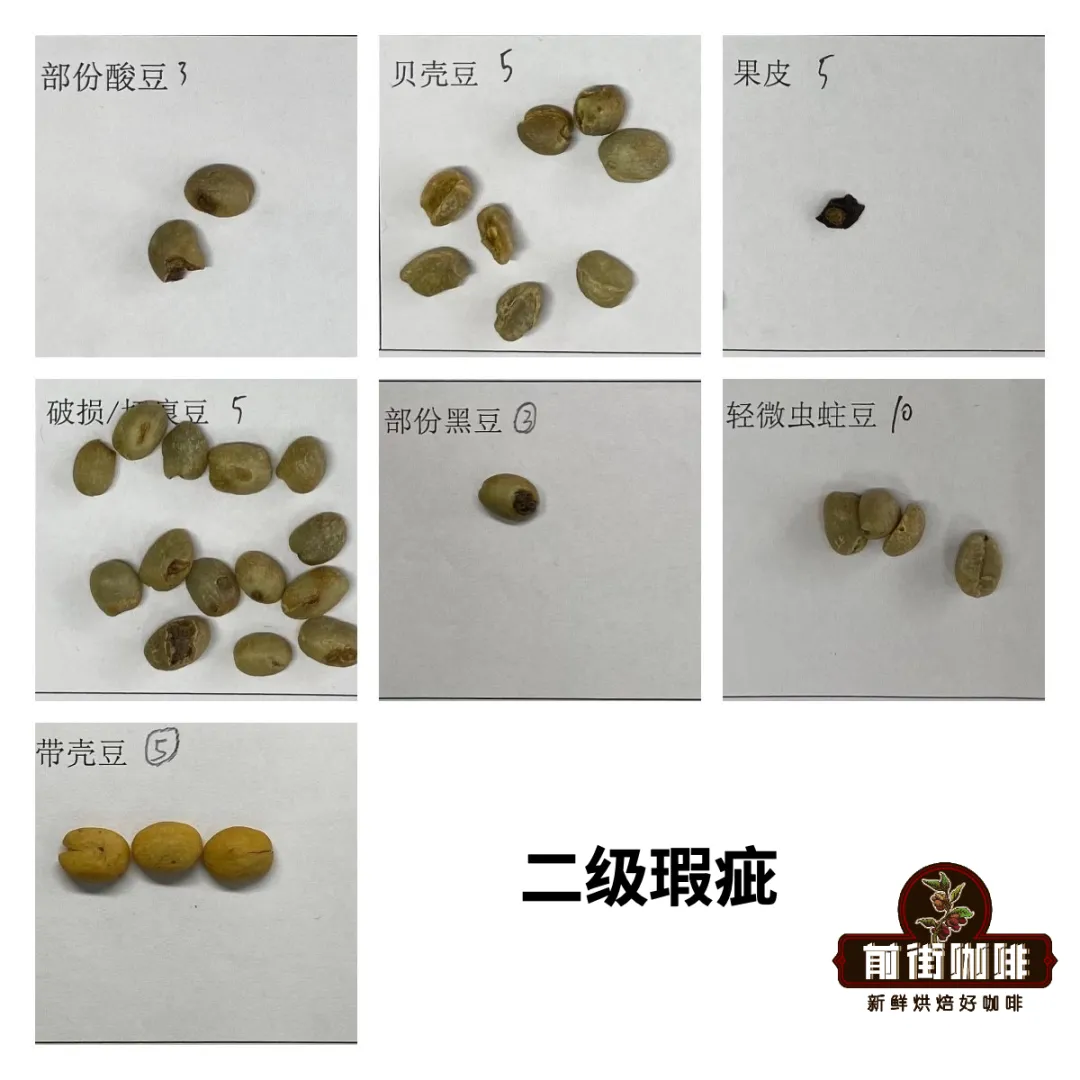
Secondary defects include partial black beans, partial sour beans, husks, shell beans, broken/cut beans, parchment, slightly insect-damaged beans, and more.
Most secondary defects are easy to spot, but the tricky cases are beans that look partly sour and fully sour at the same time — which category do they fall into? And does a bean with only a slight chip count as "broken"?
Here's a simple three-step method.
The Three-Step Identification Method
1. Look at the color first. Normal washed beans are green. If you come across brown or darker beans, these are typically primary defects.
2. Next, gauge the severity. If a green bean shows brown discoloration, first determine whether it's just silver skin — if so, the bean is normal. If not, check whether the brown, diseased portion has spread across more than 50% of the bean. Over 50%, it classifies as a full black/sour bean; under, it's a partial black/sour bean.
3. Finally, consider the cause. If the damage came from machine crushing during processing — as with the wet-hulled (giling basah) Indonesian Mandheling method, which scars the bean surface — then classify it as a defect only if it actually affects the flavor.
After sorting, tally the scores and grade the 350g batch. But even this arithmetic can catch people out! Remember, remember, remember: for primary defects, severely insect-damaged beans count 1 point per 5 beans.
Defects in Commercial Coffee
So do the beans we actually buy contain defects?
Green bean defects generally originate upstream in the processing supply chain. Before export, green coffee is sorted and graded; even 1 point of primary defects reclassifies a lot as non-specialty coffee and drags down its price. So the vast majority of defect beans are removed before the coffee ever reaches consumers.
FrontStreet Coffee's beans are hand-sorted by several skilled sorters before roasting, ensuring no green bean defects that could affect flavor make it into the roaster. The roasted beans in your hands are therefore already free of flavor-impacting defects. A few beans broken during transit are still specialty grade — they just look a little less perfect.
Bonus Questions
1. Are all the beans in the following images secondary defects?
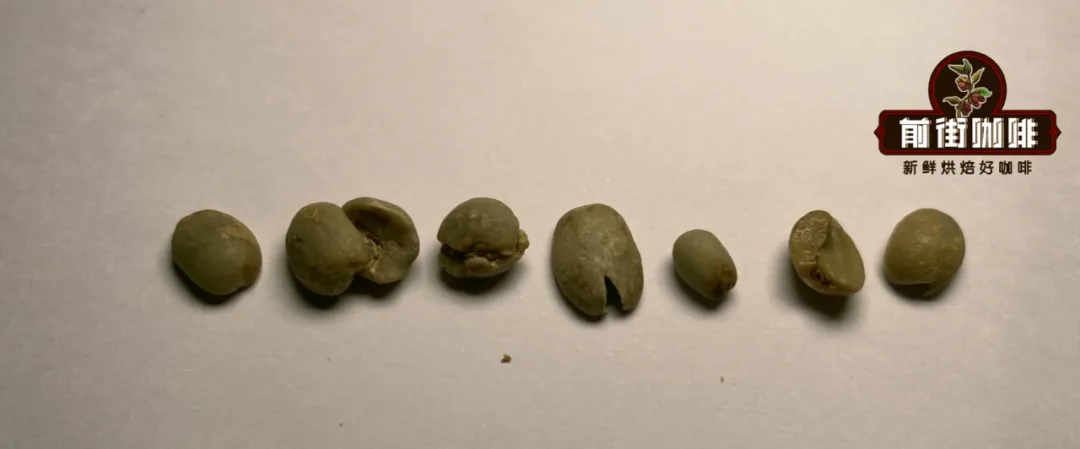
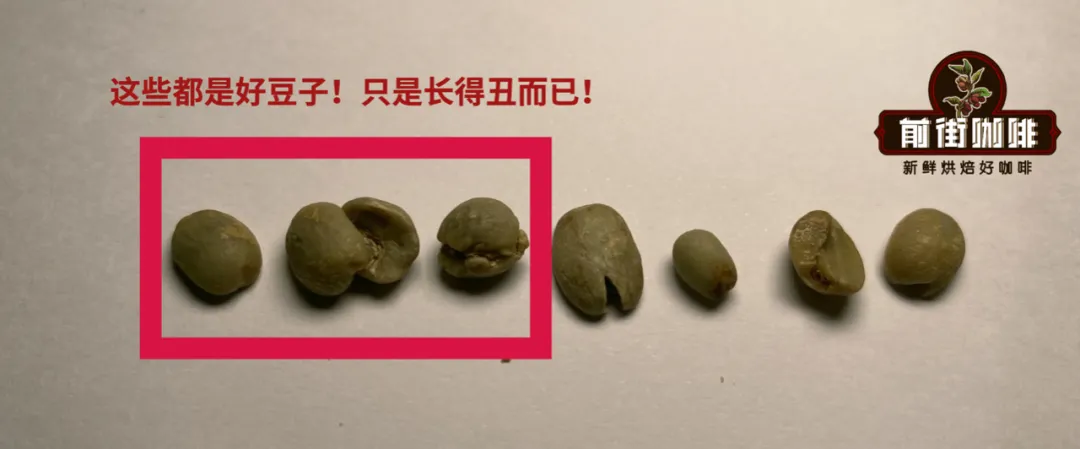
Beans with only slight breakage generally don't affect flavor and needn't be picked out so meticulously. If you keep picking, eventually every bean becomes a defect!
2. Are the beans in the following image shell beans?
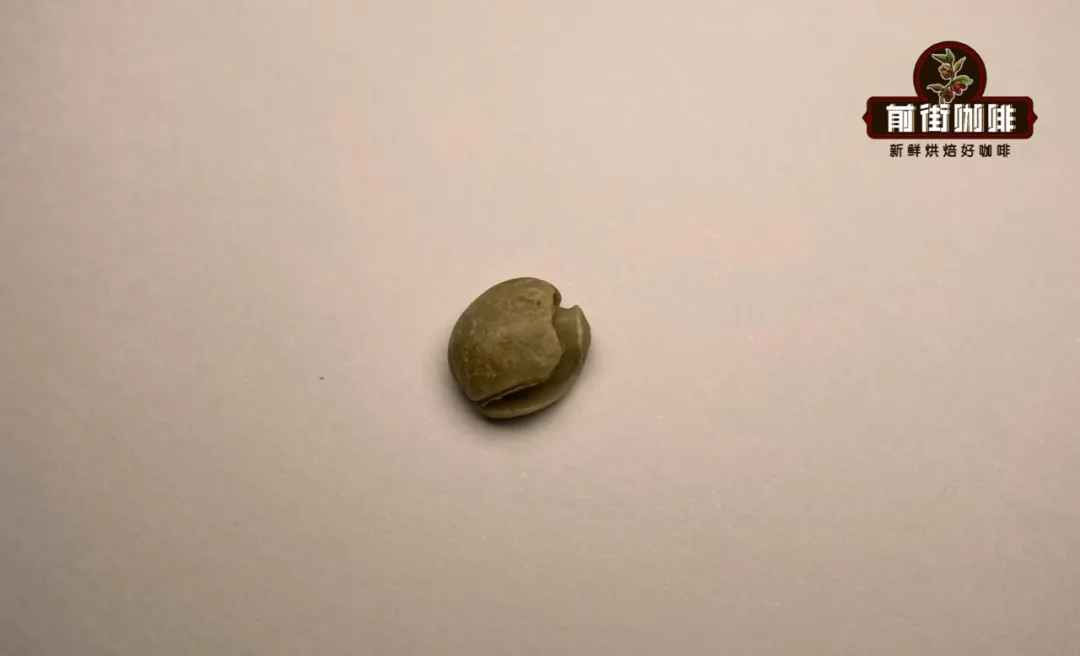
Are they shell beans? Crack one open and you'll know. (Your examiner would frown on this — destroying exam materials is not recommended!)
FrontStreet Coffee Recommendation
Classic Washed Specialty Beans from FrontStreet Coffee
Washing is a traditional, water-based way of processing coffee cherries: float sorting, depulping, soaking and fermenting to strip the mucilage, rinsing (or further soaking), drying, then hulling. The long soak drives chemical changes inside the bean, consuming much of its simple sugars (fructose and glucose) and lowering sugar content while raising organic acids — which is why washed coffees keep more of the bean's own aromatics while showing bright fruit acidity, cleanliness, and freshness. Jamaica's island climate, with shorter sunshine hours than most origins, is exactly why washed processing was born there: removing skin, pulp, and mucilage before drying cuts drying time and lowers the risk of spoilage, producing bright, transparent beans with low defect rates.
FrontStreet Coffee's washed lineup showcases the method at its best. The Jamaica Blue Mountain No.1 delivers dense aroma with pure hazelnut, cream, chocolate, and caramel notes in a perfectly balanced cup where no single attribute dominates or falls short. The washed Guodingding cooperative lot from Yirgacheffe — a processing team from Guodingding village whose meticulous work yields an exceptionally refined, clean cup — brings jasmine florals and bright citrus acidity, with green tea and honey tones emerging at a medium-light roast. And for wash-processing at its most intense, Kenya's double-fermented "Cherry Tomato" lot runs the beans through a second wash cycle, yielding a juicy, sweet-tart cup of cherry tomato, dark plum, snow pear, black plum, and brown sugar — a longtime favorite among coffee enthusiasts.
Important Notice :
FrontStreet Coffee is a long-established specialty coffee roaster in Guangzhou China, selling freshly roasted beans from its own farm in Yunnan as well as dozens of carefully selected single-origin beans from around the world for both pour-over and espresso. The products deliver consistently excellent quality and great value, with shipping within 24 hours. Guangzhou's FrontStreet Coffee shop is recommended by many coffee lovers, and the beans are now available online at the Tmall 。
FrontStreet Coffee has moved to a new address:
FrontStreet Coffee Address: 315,Donghua East Road,GuangZhou
Tel:020 38364473
 Scan and follow the En Gafei WeChat official account. Please indicate that the reprint comes from "En Gafei".