Are All Sour Coffees Good Coffee? Why Are Most Pour-Over Coffees Sour Nowadays?
The Rise of Acidic Coffee: Understanding Modern Pour-Over Trends
Order a pour-over at a coffee shop today and the odds are 8 out of 10 that the beans lean acidic. This one has lemon acidity, that one plum acidity. It can feel as though acidic coffee is the only "correct" way to drink coffee this century.
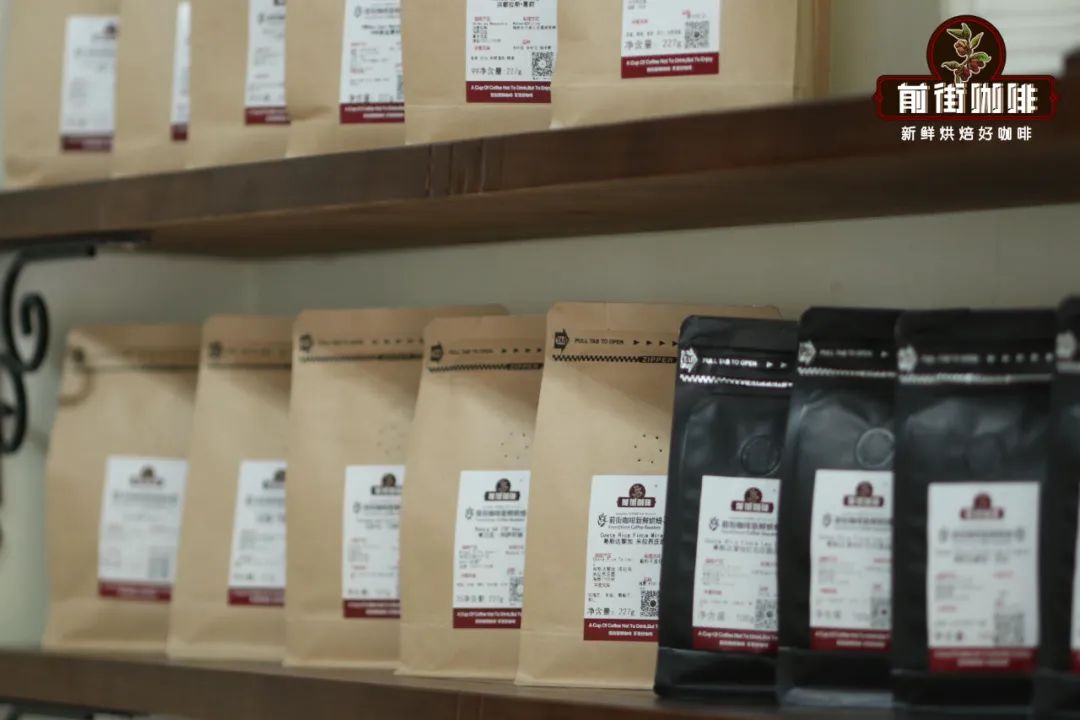
Why Modern Pour-Over Coffee Leans Toward Fruity Acidity
Why is pour-over so fruity-acidic today? Some longtime customers remember coffee as bitter, rich and aromatic — back then, there was little discussion of comparative flavor profiles; that was simply "what coffee tastes like." So when coffees full of florals and fruit acidity appear in front of them, it is like encountering something entirely new — no longer the taste they remember.

The Roasting Revolution
The rich diversity of today's coffee owes much to changes in roasting. Coffee used to taste bitter mainly because roasters habitually roasted dark. Notably, there was no such thing as "dark vs. light roast" at the time: mainstream roasters simply held that properly roasted beans had to reach second crack. What we now call French roast or Italian roast was, back then, simply the mainstream roasting philosophy.
Did nobody consider roasting lighter? FrontStreet Coffee suspects a few did, intentionally or by accident, but it was never mainstream. Green-bean quality was not scrutinized the way it is today, and roasting theory was immature: roasted too light, coffee "would show defect flavors" and be judged a failed roast.

The Specialty Coffee Movement
The great catalyst for acidity in coffee was the concept of specialty coffee itself. Its original purpose was simply to distinguish quality beans from bulk commodity beans — to argue that some high-quality beans should not be buried in the commodity pile but separated out and given their true value.
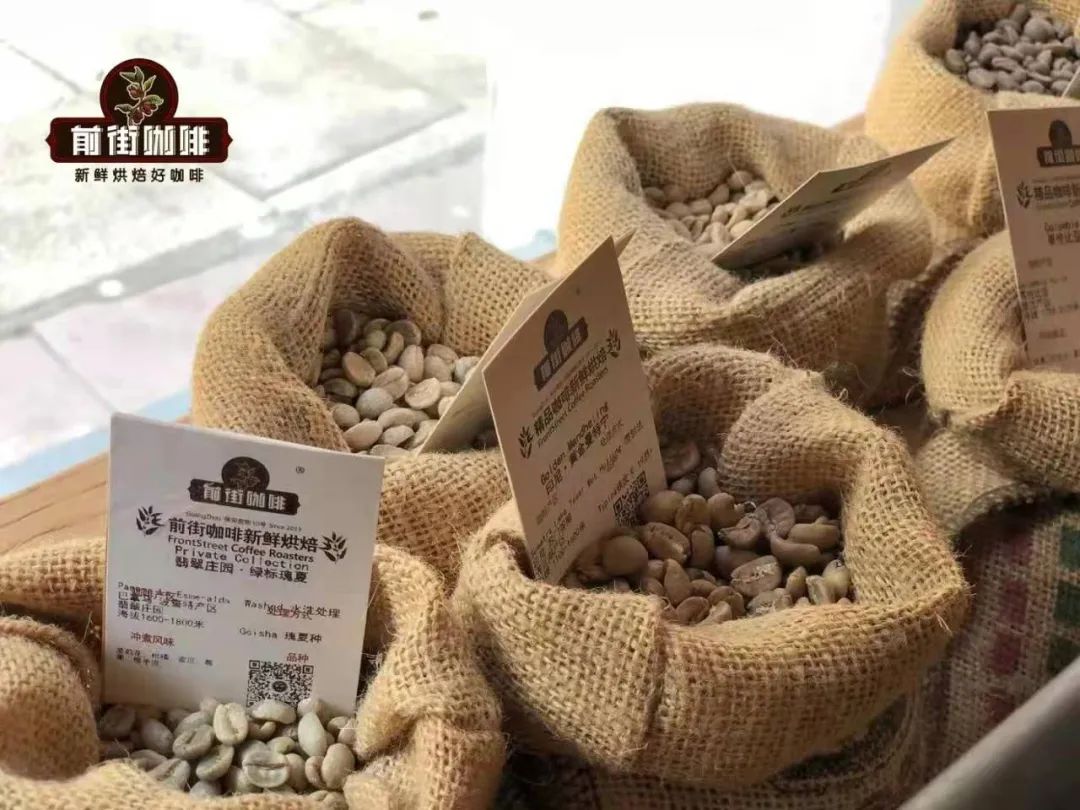
Better beans naturally changed roasting — and it is usually the newcomers who turn the wheels of history. Compared with established coffee cultures like Italy and France, Scandinavia looked young and unorthodox. Everyone has heard of "Nordic light roast," surely.
In reality, Nordic roasting is much lighter than the Italian style, but judged by bean color it still lands more in the medium roast category — not what we call light roast today. In other words, the rise of the Nordic school expanded coffee's flavors beyond chocolate and nuts into florals and fruit acidity.
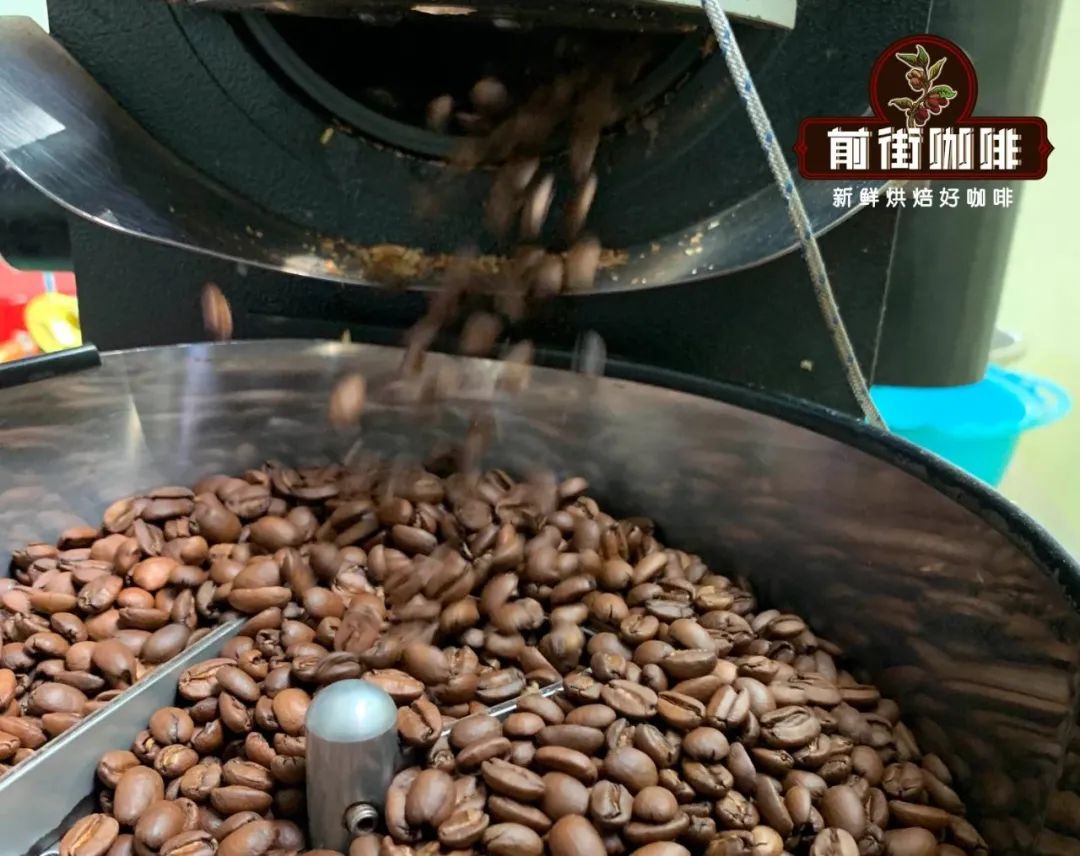
From a roasting perspective, lightly roasted coffee shows pleasant fruit sweetness and acidity along with floral aromas — flavors well suited to mainstream tastes. For regions that never lived through a "bitter coffee culture," acidic coffee is simply easier to accept.
There is also a subtler dynamic: although light roast, pour-over and specialty coffee are separate concepts, they have reinforced one another and adapted to the times. Light roast is a litmus test for beans — poor beans become undrinkable when roasted light. So by careful "reverse reasoning," light roast also signals bean quality.
With market recognition secured, it is no surprise that most beans in specialty coffee shops are the acidic pour-over kind.
Are All Acidic Coffees Good?
Not all acidity is pleasant. Chemically, coffee contains citric, malic, acetic, lactic, formic and phosphoric acids. Lemon-like citric acid, Fuji-apple-like malic acid, yogurt-like lactic acid and soda-like phosphoric acid are generally pleasant — if you taste these, it is usually a sign of excellent quality.
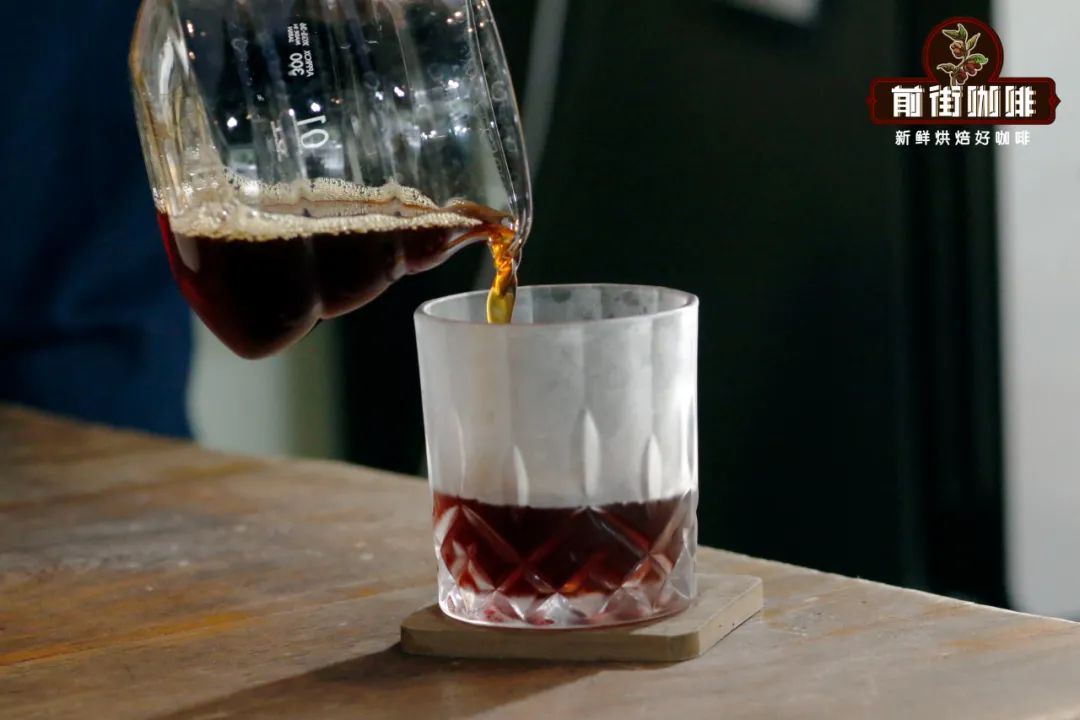
Acetic acid is situational: a light fruit-vinegar acidity can be excellent, but if it turns sharp and sour like aged vinegar, the coffee is considered poor.
There is also the harsh acidity caused by roasting or brewing faults — obvious citric stimulation without matching sweetness to balance it means unqualified coffee, as does the spoilage acidity from excessive anaerobic fermentation. Happily, these rarely reach mature consumer markets, since such beans are usually culled at cupping.
FrontStreet Coffee Recommendation
If you are ready to explore acidity the pleasant way, a V60 is the dripper most experienced brewers will hand a beginner — practical, easy to learn on, and good-looking.
The V60 comes from Hario, founded in 1921 in Tokyo as a maker of heatproof glassware for research institutions. In 2004 Hario redesigned the V60 prototype into the form we know today, named for its 60° cone angle and "V" shape, and released it the following year. The cone and 60° angle force water through the center before dripping, extending water-grounds contact for fuller extraction, while the signature single large outlet leaves flow rate entirely to the brewer's pouring control. Before the 2000s, when medium-dark roasts ruled and coffee prized body, sweetness and caramelized notes — chocolate, maple, nuts, vanilla — siphon and cloth brewing suited those styles, with classics like FrontStreet Coffee Blue Mountain No.1 and PWN Golden Mandheling. With the third wave, roasts turned lighter and tasters chased terroir — Ethiopia's white florals, Kenya's berry acidity — and the V60's fast extraction is exactly what makes those delicate flavors shine.
Light roasts for the V60:
FrontStreet Coffee Ethiopia Guji Hambella "Flower Queen": explosive tropical fruit — strawberry, passion fruit, jackfruit, lychee — with obvious sweetness, minimal bitterness and a juicy, smooth cup: "the coffee that tastes least like coffee."
FrontStreet Coffee Panama Esmeralda Red Label Gesha: the legend — elegant jasmine, citrus, bergamot and black tea, a clean transparent cup and a long, layered finish.
FrontStreet Coffee Kenya Cherry Tomato: washed Kenya from Thika at 1550–1750 meters on SL28 and SL34, 72-hour double washed fermentation, lightly roasted — dried tomato and floral aromas, vivid cherry tomato and dark plum, juicy-bright acidity, snow pear and black plum notes, finishing on yellow sugar and green tea.
FrontStreet Coffee Yirgacheffe G1 Gud Ding (Idido): the classic gateway Yirgacheffe — citrus, berries and florals with green-tea sweetness; soft, luminous acidity, never sharp.
Medium-dark roasts, if you still prefer mellow:
FrontStreet Coffee PWN Indonesian Golden Mandheling: dark roasted, low acidity, heavy and lingering with herbs, dark chocolate and a faint earthy note.
FrontStreet Coffee Brazil Queen Estate: balanced with lush nut and cocoa and caramel sweetness — smooth, never astringent, great for pour-over, espresso or moka pot.
FrontStreet Coffee Jamaica Blue Mountain No.1: neither sharply fruity nor heavily bitter, but superbly balanced — cream, caramel, chocolate, nuts, honey and light fruit, with a clean, long finish. Often called the specialty coffee easiest for most people to love.
FrontStreet Coffee Papua New Guinea Bird of Paradise: "Little Blue Mountain" — Typica at 1600 to 1800 meters in volcanic soil, AA grade, triple washed-fermented: clean, sweet and entirely non-sour.
FrontStreet Coffee 2013 Yunnan Natural Typica: clean, citrus-and-caramel, medium-dark roast adding nut, chocolate and raw sugar — medium acidity, harmonious layers, pure Yunnan character. FrontStreet Coffee has grown and sourced Yunnan Typica since 2013.
Important Notice :
FrontStreet Coffee is a long-established specialty coffee roaster in Guangzhou China, selling freshly roasted beans from its own farm in Yunnan as well as dozens of carefully selected single-origin beans from around the world for both pour-over and espresso. The products deliver consistently excellent quality and great value, with shipping within 24 hours. Guangzhou's FrontStreet Coffee shop is recommended by many coffee lovers, and the beans are now available online at the Tmall 。
FrontStreet Coffee has moved to a new address:
FrontStreet Coffee Address: 315,Donghua East Road,GuangZhou
Tel:020 38364473
 Scan and follow the En Gafei WeChat official account. Please indicate that the reprint comes from "En Gafei".