Advantages and Disadvantages of Drip Bag Coffee: The Effects and Functions of Filter Coffee
Drip Bag Coffee Offers More Convenient Brewing
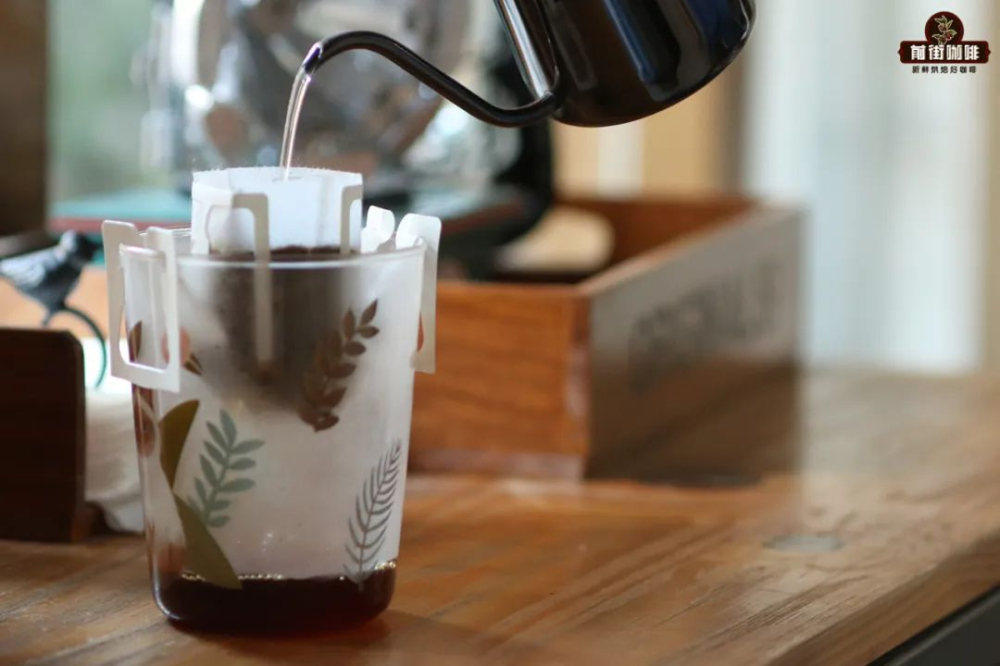
For working professionals who lean on caffeine to get through the day, drip bag coffee should feel familiar. Drip bags are made by grinding coffee beans into powder and sealing them in filter bags. Once opened, the bag hangs on the rim of a cup, and hot water poured through it yields a delicious cup of black coffee - saving busy professionals considerable time and effort.
Drip bag coffee belongs to the same drip-extraction family as the pour-over we usually drink, and the flavor depends on the beans used. The design originated from string tea bags. The inventor hoped to mimic pour-over drip coffee by preparing coffee powder in advance and packing it into non-woven fabric filter bags. The paper tabs on either side of the bag suspend it in the center of the cup, and because it clips onto both sides like little ears, everyone calls it "drip bag coffee."
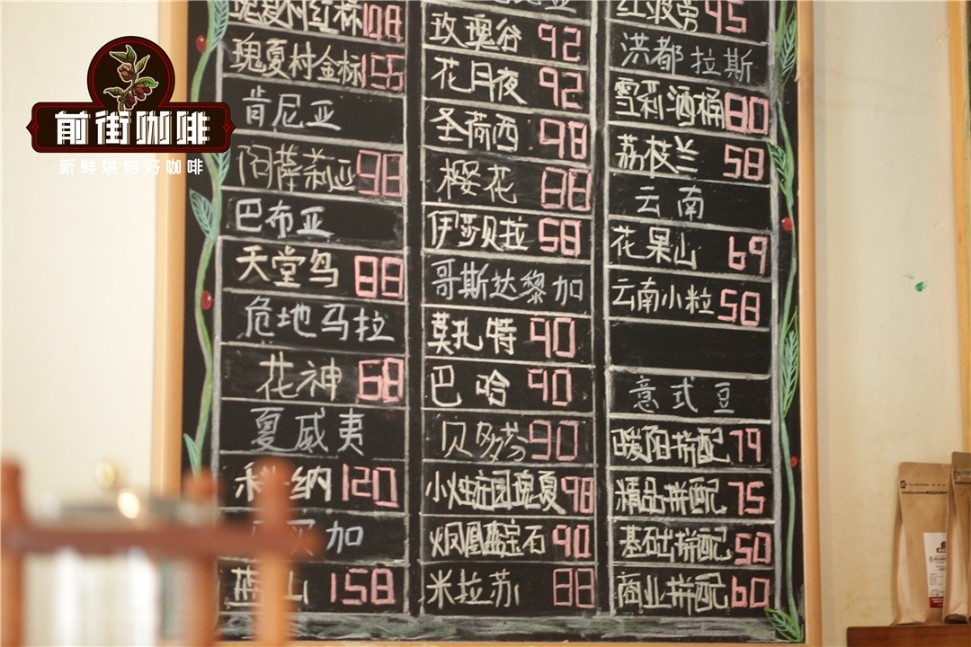
To brew one, we need only a pot of hot water and a cup to get a fragrant cup of coffee, cutting out many tedious steps. With the growth of the specialty coffee industry, there is a wide range of beans on the market - dozens of them on FrontStreet Coffee's menu, for instance, can be made into drip bags. So beyond convenience, drip bag coffee also offers plenty of choice.
Advantages and Disadvantages of Drip Bag Coffee
Compared with pour-over extraction, drip bags need no complex tools, and the pouring technique, timing, and ratio do not have to be controlled so strictly - you only need sufficiently hot water and an appropriate ratio. Because of this "casual" operation, however, the flavor expression is often less rich and varied than pour-over. And since drip bags are pre-ground and sealed, the aroma is not as full as freshly ground coffee; stored too long (several months), they may develop a woody flavor.
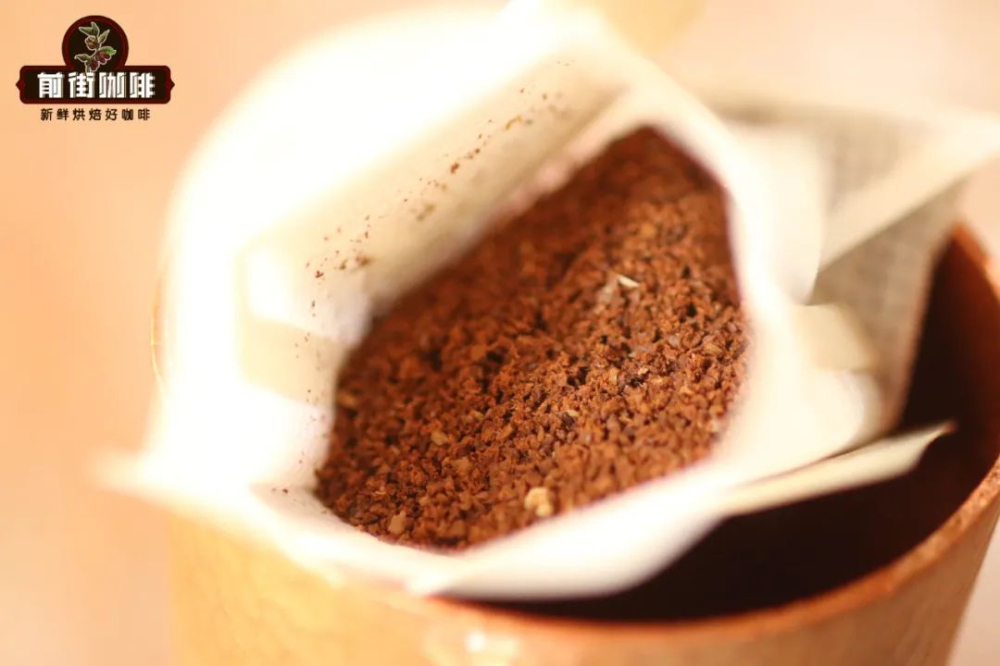
To preserve as much original flavor as possible, the powder in drip bags is typically ground from freshly roasted beans. The coffee beans FrontStreet Coffee ships are all freshly roasted within 5 days. If made into drip bag coffee, by the time we receive them they are usually 4-5 days off the roast - perfect for brewing and tasting. FrontStreet Coffee recommends drinking them as soon as possible after receiving them, since prolonged storage easily causes the aroma to fade. If you want the fullest-flavored coffee, FrontStreet Coffee suggests buying whole beans and grinding fresh before brewing for better layers.
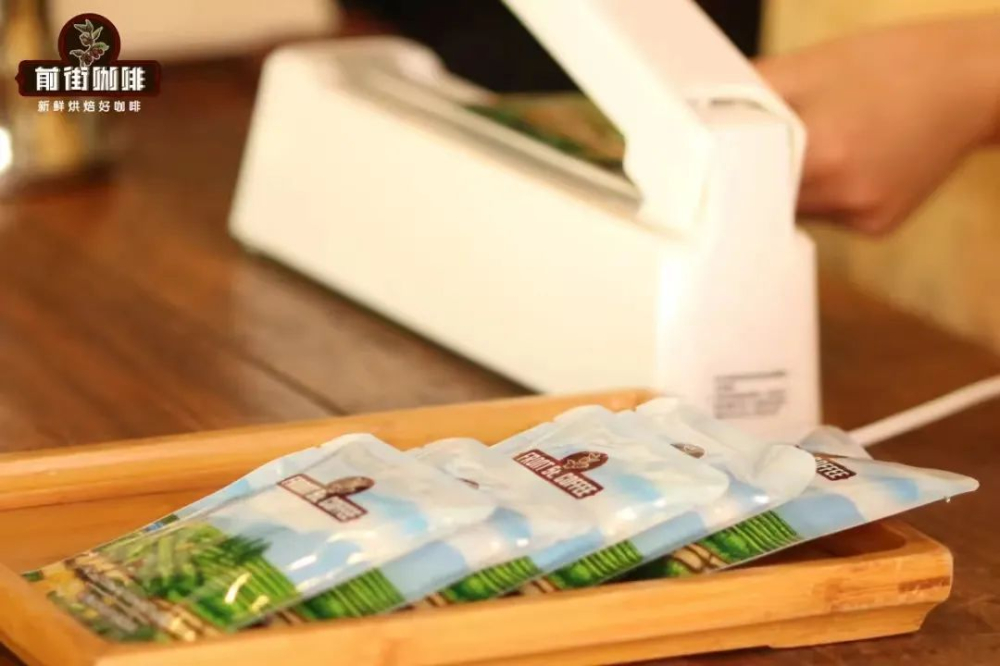
How to Properly Brew Drip Bag Coffee
Brewing a drip bag is very simple. FrontStreet Coffee's drip bags are made at 10 grams per bag, which brews about 120-130ml of coffee.
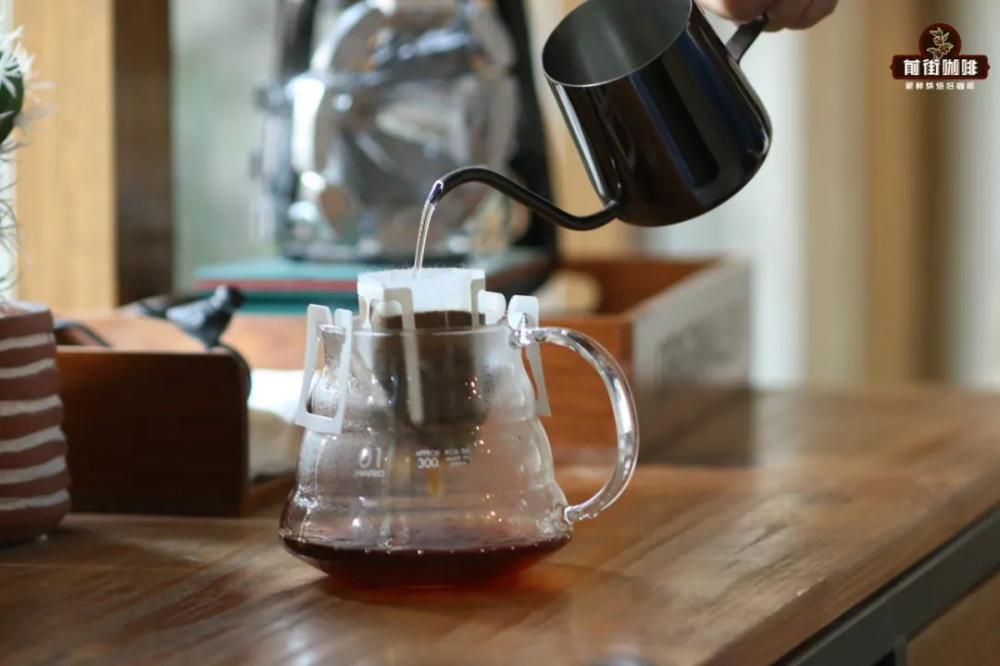
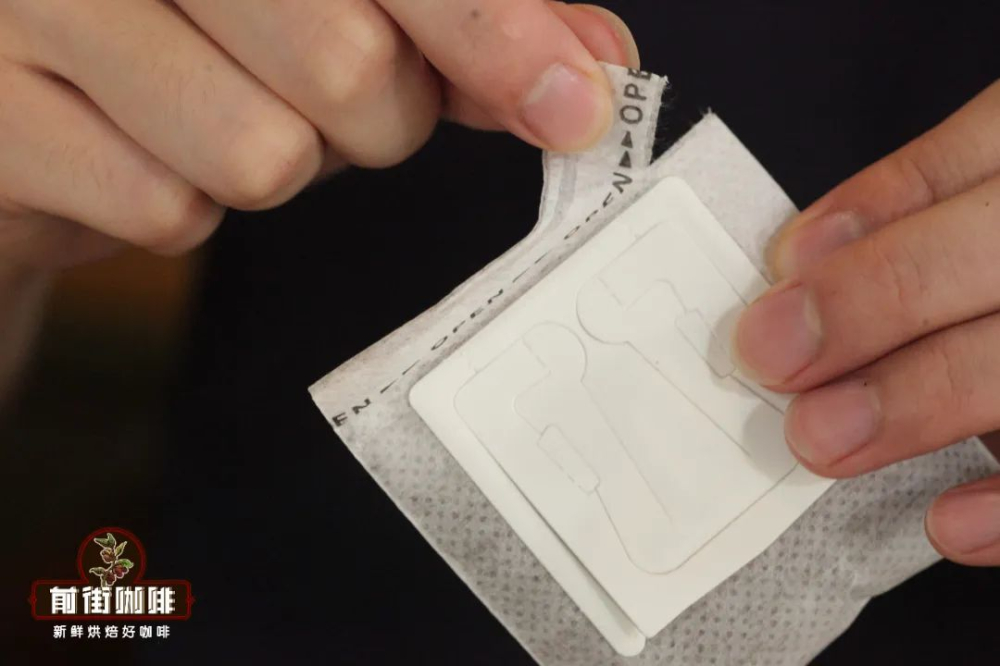
Before brewing, boil the water first and prepare a cup or server that can hold coffee. Tear open the sealed package, take out the drip bag, and tear open the non-woven bag along the dotted line at the top. Then pull the two "ears" apart, open the whole bag fully, and hang it on the rim of the cup or server.
First, pour a small amount of hot water to fully wet all the coffee powder, and let it bloom for about 10-20 seconds. This helps release gas from the grounds, making later extraction steadier. Second, pour a steady small stream until the liquid level is nearly full, and wait for the coffee to drip through. Finally, pour the last segment of water until full. The total water poured is about 150 grams. Wait until all the coffee has dripped through, and extraction is complete.
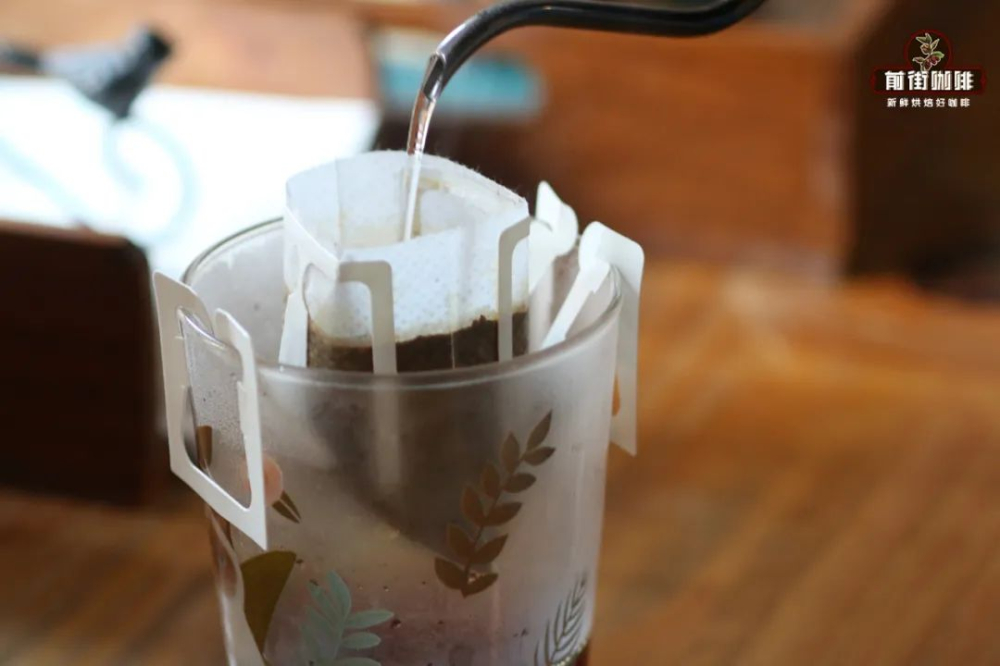
FrontStreet Coffee gently shakes the coffee to even it out before drinking, then drinks it straight to taste the pure flavor of black coffee. Everyone can add a suitable amount of sugar or milk to their own preference.
Issues to Pay Attention to When Brewing Drip Bags
First, prepare sufficiently hot water, because only with high enough temperature can more aromatic compounds be released from the grounds. When brewing pour-over coffee, FrontStreet Coffee recommends water between 86-93°C. At only around 80°C, the coffee tends to be bland and tasteless, while boiling water easily extracts burnt, bitter flavors. FrontStreet Coffee therefore lets boiled water sit uncovered at room temperature for 1-2 minutes so it drops to around 90°C.
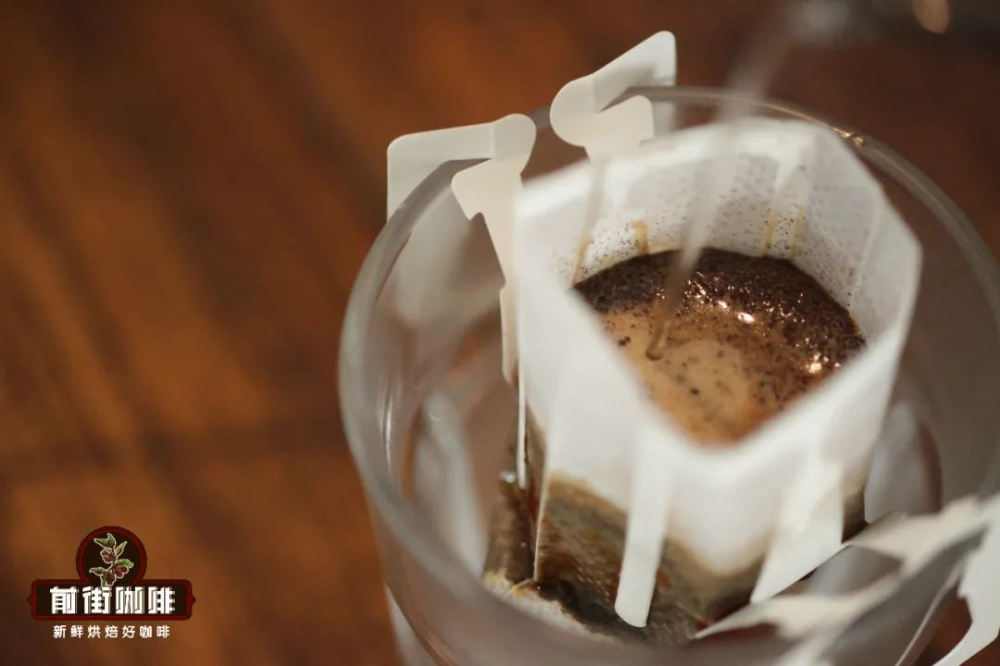
The coffee-to-water ratio also matters a great deal. If a cup uses a 1:12 ratio, the coffee tends to be too strong and bitter; at 1:18 there is too much water, making the cup flat with insufficient aroma. FrontStreet Coffee suggests starting at 1:15, with 10 grams of coffee powder to 150 grams of hot water, which gives a more balanced flavor and a smoother extraction. If you don't have a scale, just find a cup with measurement markings.
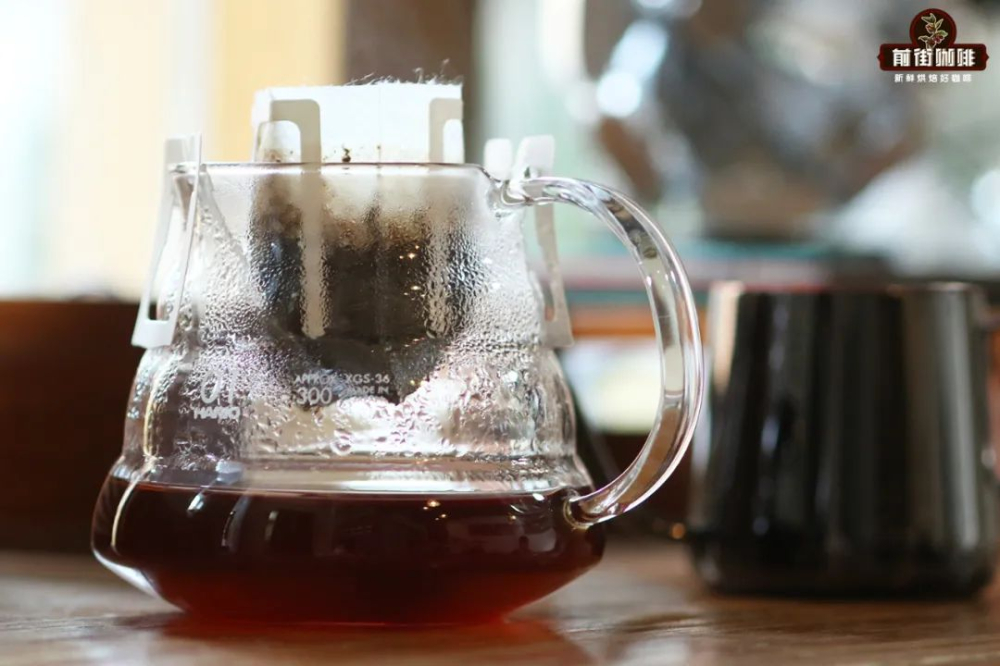
Because coffee releases soluble compounds only after it is ground and comes into contact with water, overly aggressive pouring easily leads to uneven extraction and flavor defects. FrontStreet Coffee recommends a tool that pours a thin stream, such as a narrow-spout kettle, to pour hot water steadily in multiple stages. A proper bloom will make the grounds release gas, making later extraction steadier and the flavor better.
FrontStreet Coffee Recommendation
Drip bags are a great way to enjoy pour-over-style coffee on the go, and the beans you choose matter most. For a bright, classic cup, FrontStreet Washed Yirgacheffe Gunding Cooperative is a fine starting point, with jasmine florals, citrus and lemon acidity, and a tea-like finish - easy to accept even for those new to pour-over.
If you prefer fruit-forward sweetness, FrontStreet Ethiopia Huakui is a standout, with striking tropical aromas of strawberry, passion fruit, jackfruit, and lychee, plus clear sweetness and very low bitterness.
For something with a grape-raisin character, FrontStreet Costa Rica Mozart uses a raisin honey process, showing raisin and blueberry sweetness with osmanthus and rose aromas - pleasant as a drip bag, pour-over, or cold brew.
Important Notice :
FrontStreet Coffee is a long-established specialty coffee roaster in Guangzhou China, selling freshly roasted beans from its own farm in Yunnan as well as dozens of carefully selected single-origin beans from around the world for both pour-over and espresso. The products deliver consistently excellent quality and great value, with shipping within 24 hours. Guangzhou's FrontStreet Coffee shop is recommended by many coffee lovers, and the beans are now available online at the Tmall 。
FrontStreet Coffee has moved to a new address:
FrontStreet Coffee Address: 315,Donghua East Road,GuangZhou
Tel:020 38364473
 Scan and follow the En Gafei WeChat official account. Please indicate that the reprint comes from "En Gafei".