
Pour-Over Coffee Foam: More or Less, Is It Normal to Have Bubbles on Coffee?
The Science Behind Coffee Foam
Have you ever wondered about the foam that appears on the surface when you brew coffee? Sometimes it is rich and abundant, other times sparse. What causes the difference?
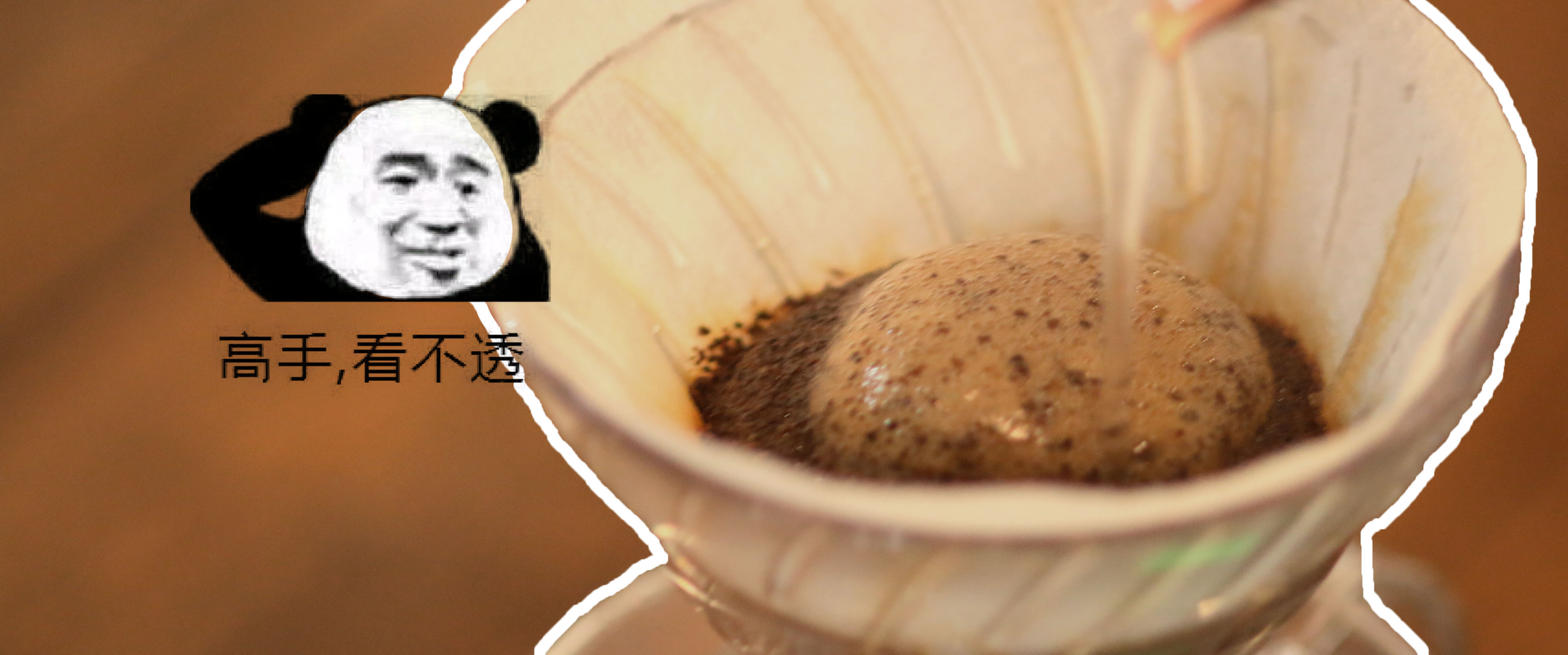
What Makes Up Coffee Foam?
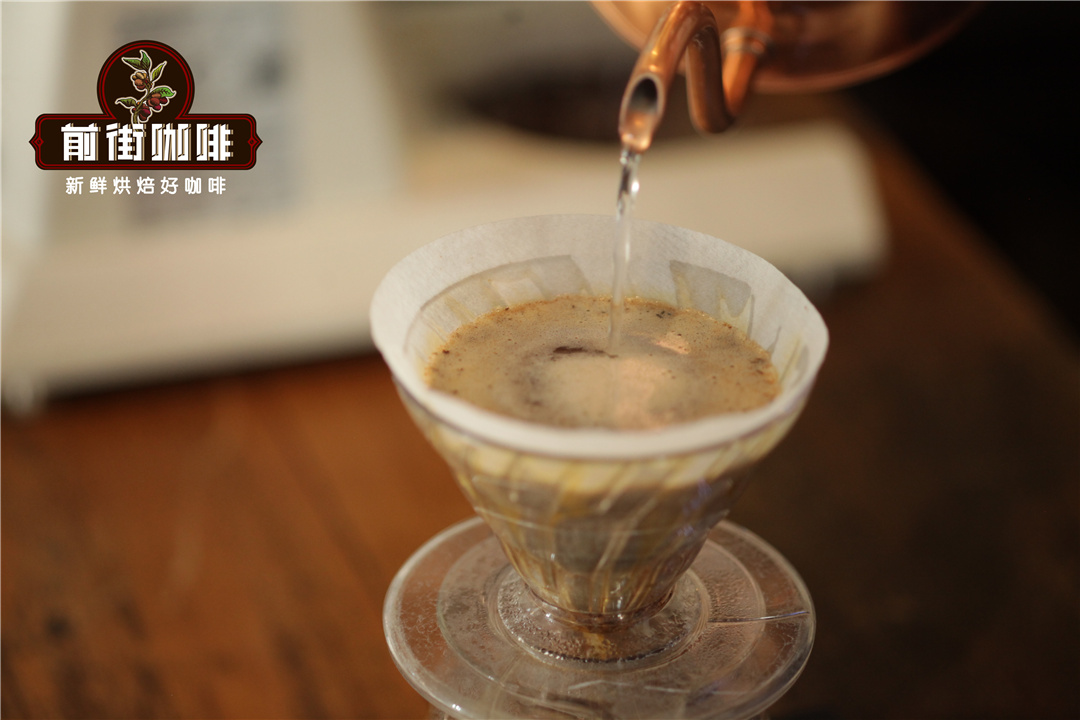
FrontStreet Coffee has discussed in earlier articles that the golden foam erupting during the pour after blooming is made up of coffee oils, air, extremely coarse particles, and extremely fine particles. That explains why coffee foam starts out a rich golden color and gradually turns pale white.
After blooming, a small amount of gas remains in the grounds. As you keep pouring, oils trap that gas and release it. These are extremely unstable large bubbles that easily burst and split into smaller ones.
Next come the extremely coarse particles. Slightly larger than the rest, they likely were not fully saturated during blooming, so they float to the surface during the later pours. As pouring continues, those large particles absorb enough water and sink. This is also why the color grows lighter toward the end.
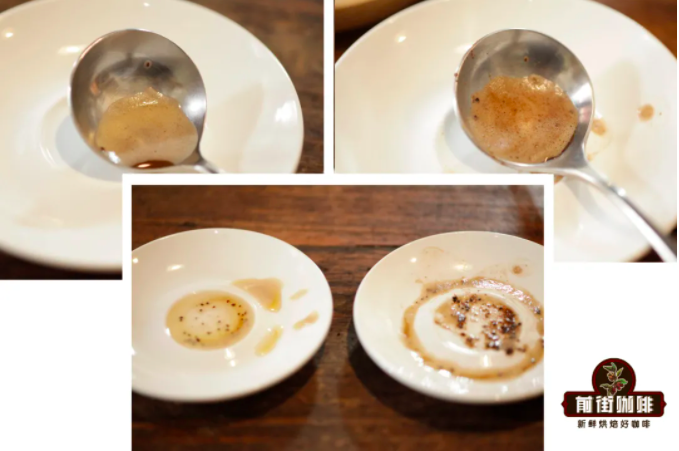
Finally there are the extremely fine particles. Unless you sieve your coffee, these cannot be completely eliminated. FrontStreet Coffee believes there is no need to remove them, since many coffee flavors are related to these fines; unless there is an excessive amount, they do not significantly affect the brew.
The last component of the surface foam is those extremely fine particles. Being light, they easily float on the surface, and as long as foam is present, they keep floating until the very end.
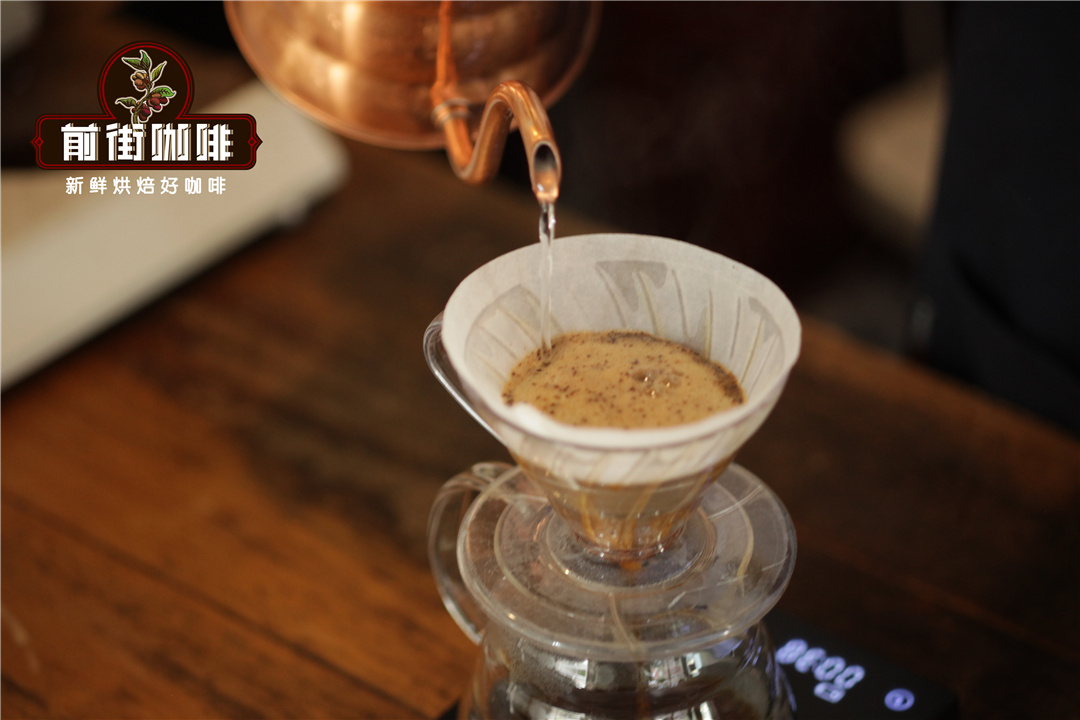
Why Do Some Coffees Have More Foam Than Others?
The composition of this foam means its flavor is not particularly appealing, since the desirable parts have already been extracted. That is why traditional Japanese brewing uses a large water flow at the end to raise the water level and then cuts the flow immediately.
So why do some coffees have rich foam and others sparse foam? FrontStreet Coffee offers two examples. If you have brewed both Mandheling and Geisha, you will clearly notice that Mandheling produces very rich, dark-colored foam, while Geisha's foam looks lighter and thinner.
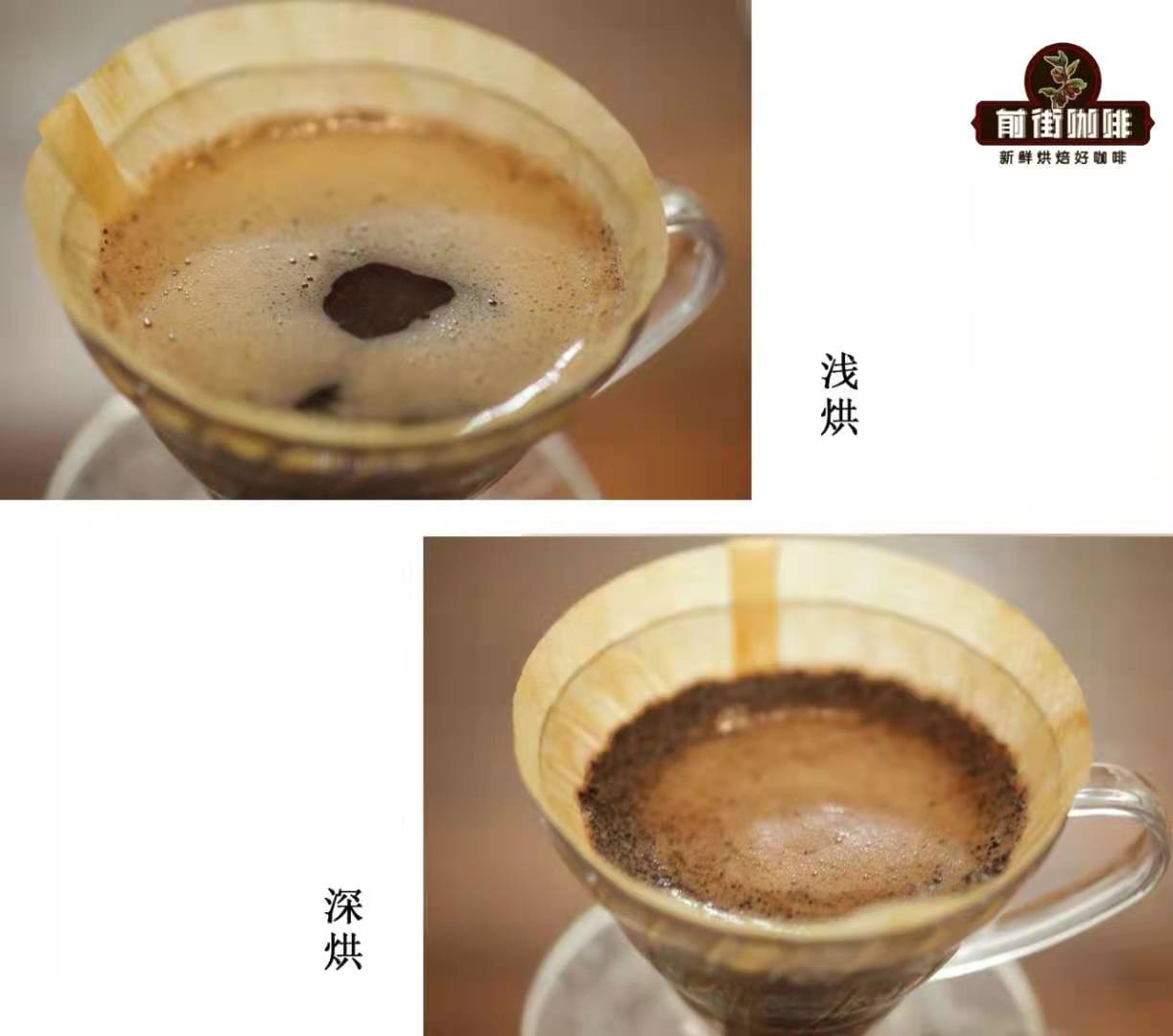
This comes down to roast level. Deep-roasted coffees like Mandheling naturally contain more carbon dioxide and have a looser structure, so they readily produce rich foam. Light-roasted coffees like Geisha have a harder texture; while freshly roasted beans still produce plenty of foam, the later foam will be noticeably sparser.
Using Foam to Judge Coffee Quality
This foam behavior is normal, but we can still read the state of the coffee from it. For example, if foam gushes out while brewing, the coffee is fresh. If large bubbles keep appearing, it may be too fresh or the bloom was insufficient.
If no foam appears at all, the grind may be too coarse or the coffee no longer fresh. If the foam consists of large, unrefined bubbles, a coarse grind is often the cause.
One reason stale coffee tastes bad is flavor loss, but another is the absence of foam. Without foam, fine particles sink to the bottom and bitter substances get extracted, making the cup unpleasant to drink.
FrontStreet Coffee Recommendation
The foam tells you a lot about a coffee, and so does the bean behind it. If you enjoy the thick, dark foam of a deep roast, FrontStreet Coffee's PWN Indonesia Golden Mandheling delivers heavy body and low acidity, with herbal and dark chocolate aromas and a hint of earth. Prefer a lighter, more delicate foam? A light-roasted bean such as the Ethiopia Yirgacheffe Gudingding shows citrus, berry, and floral notes with a clean, tea-like finish.
For something more vivid, the Ethiopia Huakui is full of tropical fruit, with strawberry, passion fruit, jackfruit, and lychee, plus pronounced sweetness and almost no bitterness. Whatever you brew, use fresh beans and grind for the method, and the foam on top will tell you whether the cup is on track.
Important Notice :
FrontStreet Coffee is a long-established specialty coffee roaster in Guangzhou China, selling freshly roasted beans from its own farm in Yunnan as well as dozens of carefully selected single-origin beans from around the world for both pour-over and espresso. The products deliver consistently excellent quality and great value, with shipping within 24 hours. Guangzhou's FrontStreet Coffee shop is recommended by many coffee lovers, and the beans are now available online at the Tmall 。
FrontStreet Coffee has moved to a new address:
FrontStreet Coffee Address: 315,Donghua East Road,GuangZhou
Tel:020 38364473
 Scan and follow the En Gafei WeChat official account. Please indicate that the reprint comes from "En Gafei".

