How Long Should Coffee Beans Be Aged for Optimal Flavor? Is the Flavor Peak Period the Same as the Shelf Life?

Many coffee lovers open a bag and brew a cup the moment it arrives. In an age obsessed with freshness, the freshness of coffee beans feels equally important - some even want to brew right after roasting. In reality, coffee beans are not better the fresher they are. To enjoy a good cup, you have to be patient through the degassing period.
That is why FrontStreet Coffee ships beans roasted fresh within 5 days. After a few days in transit, the beans have already gone through 4 to 7 days of degassing by the time they reach you. At that point their flavors have stabilized and they are at their peak.
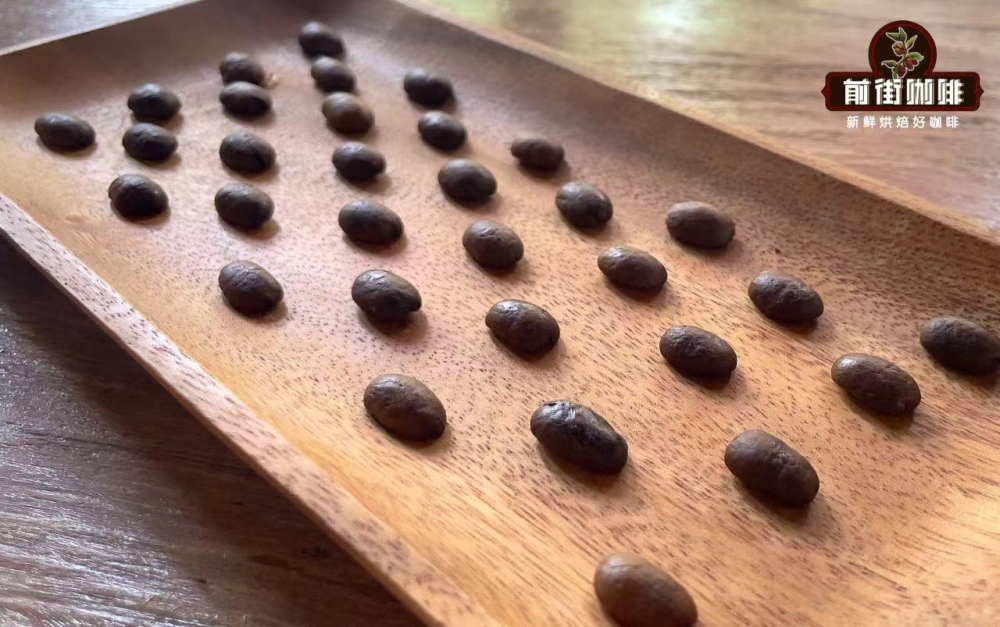
Even beginners have likely heard the term "degassing" and know a little about storage. It is well known that beans should be kept in bags or containers with one-way valves, and indeed these steps help improve flavor. Because of various factors and the characteristics of beans from different countries and estates, how long this degassing takes and how it is done will vary.
Why Do Coffee Beans Need Degassing?
Some newer enthusiasts ask: why do beans need to degas at all? The answer starts with roasting. After appropriate roasting, the bean's internal structure becomes relatively loose, and a certain amount of gas collects inside its pores.

Freshly roasted beans contain about 2 percent carbon dioxide by total weight. For the first 12 hours, the internal pressure can keep oxygen out. After that, driven by that pressure, the gas is slowly released over several weeks. The deeper the roast and the more heat applied, the more porous the internal structure becomes and the more carbon dioxide it holds, so the degassing period gets longer.
The Double-Edged Sword of Carbon Dioxide
Carbon dioxide is both a help and a hindrance. Many drinkers have experienced this: beans bought a month ago are certainly well degassed, so why do they seem to lack flavor when brewed?
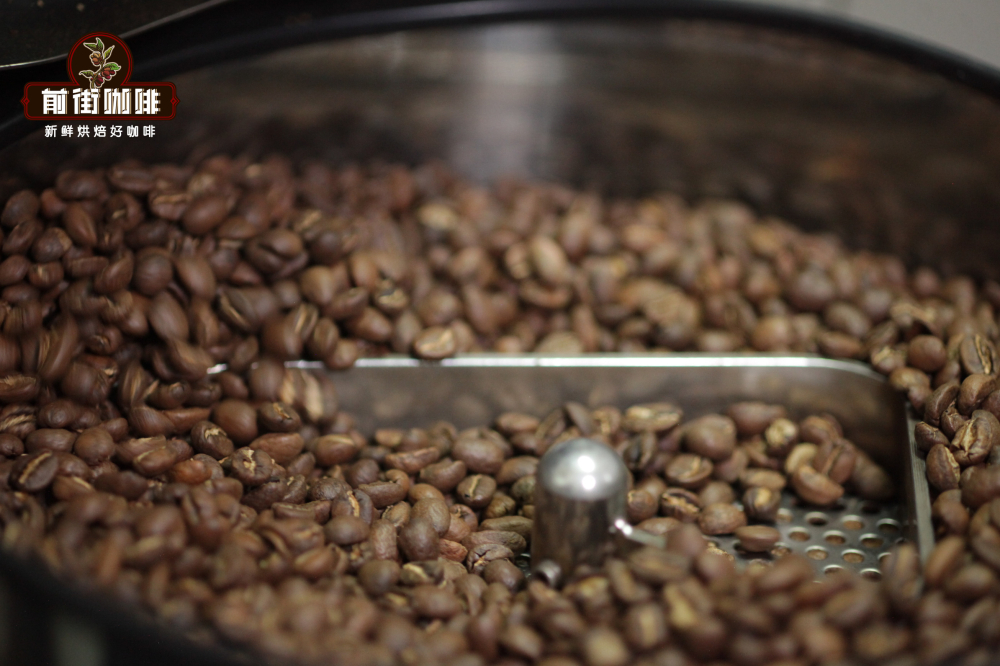
It is because as carbon dioxide escapes, it carries some flavor compounds away with it. When degassing nears its end, the remaining flavor compounds are naturally fewer. That is why FrontStreet Coffee recommends drinking coffee within one month of the roast date.
So if carbon dioxide carries off flavor, does fresher always mean better?
As FrontStreet Coffee noted earlier, beans need to degas so some of the carbon dioxide can escape. In beans that have not finished degassing, a significant amount of carbon dioxide remains, creating higher internal pressure. Brew with those beans and the internal pressure resists the water, so hot water cannot effectively exchange substances with the coffee particles and the flavors are hard to extract well.
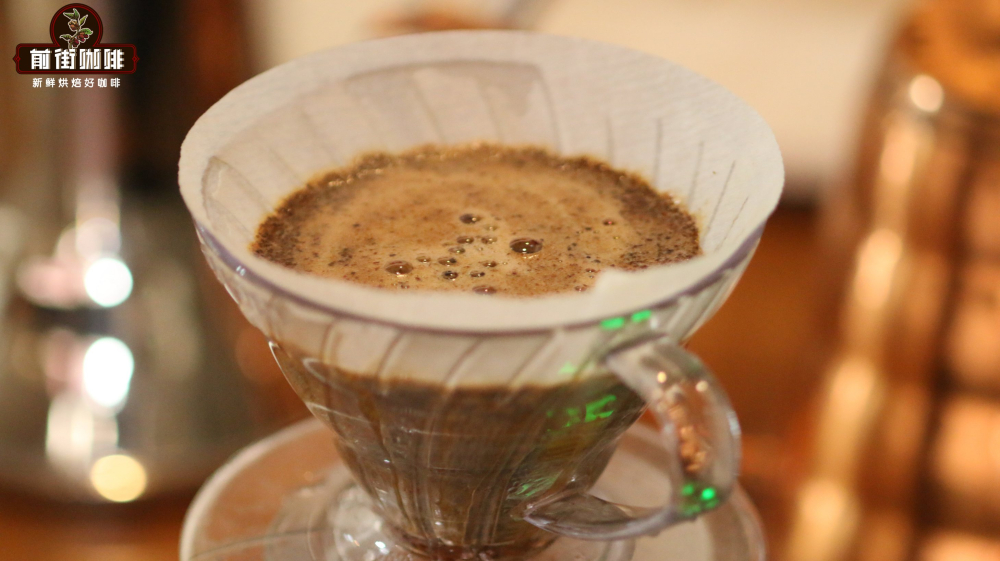
Beans that are too fresh also taste noticeably dry, which irritates the throat and hurts the overall experience.
Espresso beans, for example, are typically darker roasted and hold relatively more carbon dioxide. The crema we see is really countless tiny carbon dioxide bubbles. With overly fresh espresso beans that have not finished degassing, the extracted crema may even look emulsified, with bubbles prone to collapsing, which harms the stability of the drink and of latte art.

Proper Coffee Bean Storage
For various reasons, some enthusiasts like to stock up on large quantities of beans at once. So how should they be stored?
People value preservation highly and often look to the refrigerator, where they tend to store everything. A coffee fan once asked FrontStreet Coffee's barista: "If I keep my beans in the fridge, can I significantly extend their optimal flavor period?"
Faced with that question, FrontStreet Coffee's barista of course said no. In fact, the bags FrontStreet Coffee uses to store beans are sufficient. People think about the refrigerator's preserving effect but forget that the temperature difference between inside and outside the fridge makes beans absorb moisture. That does not extend the flavor period; it makes the beans unusable.
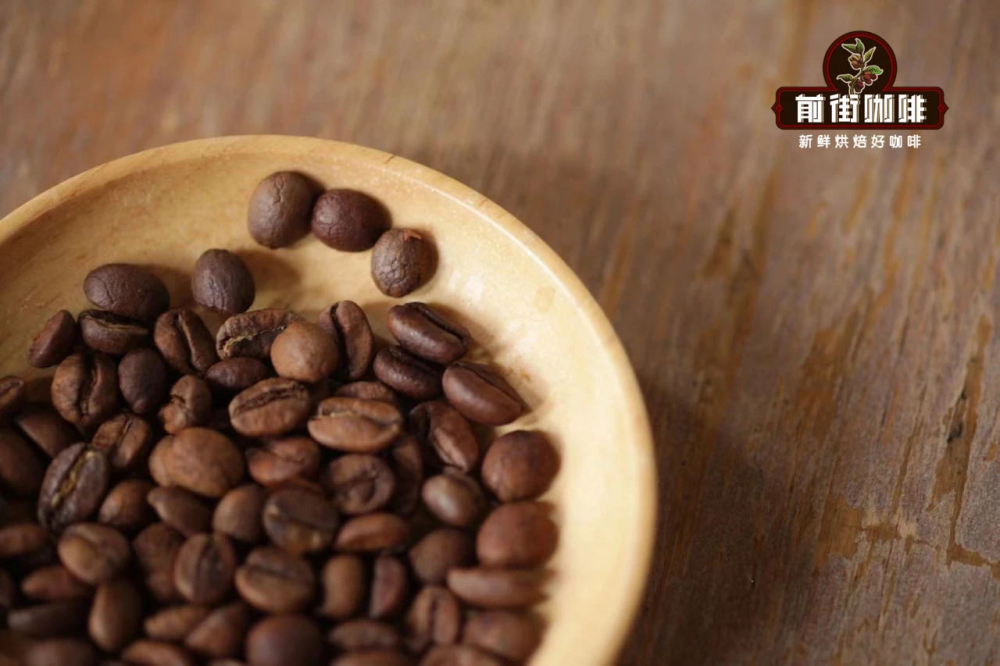
Coffee storage generally calls for a cool, dry, sealed environment. Beans are usually packed in bags with one-way valves, which satisfy both the need to release gas and the need to keep external gases from entering and speeding up aging.
Some newer enthusiasts have noticed that when very dark-roasted beans sit untouched for a long time, the whole bag can inflate. At that point some are tempted to squeeze the gas out. FrontStreet Coffee advises restraining those restless hands.
Although the expelled gas does smell aromatic, the gas in the bag helps keep the beans fresh. That includes not only the undesirable carbon dioxide released during brewing but also the desirable coffee aromatics. Thanks to the one-way valve, once the gas in the bag becomes saturated, it stops the beans from releasing more. That slows degassing and helps extend the optimal flavor period.
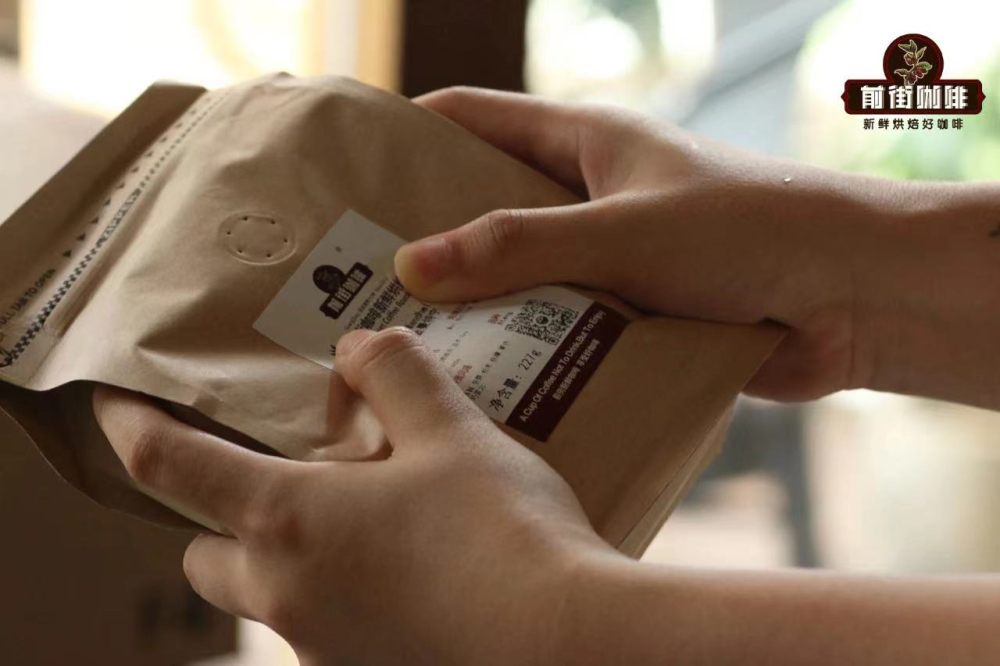
FrontStreet Coffee also offers grinding for enthusiasts who do not have a grinder at home. So do pre-ground coffees still need to degas? No. Once beans are ground, the surface area in contact with air increases significantly, degassing becomes more intense, and flavor dissipates faster. That is why FrontStreet Coffee seals the one-way valve with a sticker for customers who request grinding, to keep the aromatics from disappearing entirely.
So FrontStreet Coffee recommends that anyone with a grinder at home buy whole beans and grind fresh before brewing, for the optimal flavor.
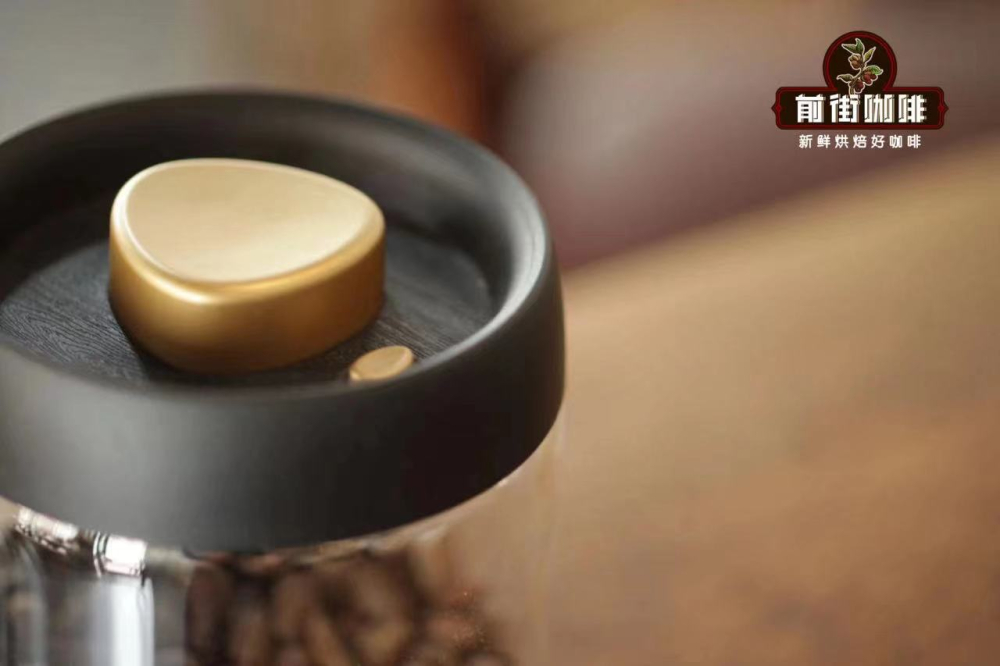
The Art of Degassing
Degassing is a necessary and interesting process. As it progresses, the flavor shifts subtly from one day to the next. Some people prefer the flavor within the first week after roasting, while others enjoy it three weeks out. For enthusiasts who want to explore further, place an order and find out for yourself.
FrontStreet Coffee Recommendation
If you want a bean that drinks well as it settles, FrontStreet Coffee's Brazil Queen's Estate is a steady choice. The rare Yellow Bourbon is medium roasted, giving creamy peanut, chocolate, toasted bread, and sugarcane aromas and sweetness. It works as pour-over, moka pot, or espresso, and stays balanced throughout its flavor window.
For something sweeter, FrontStreet Coffee's Strawberry Candy Gesha blend combines a honey-processed Costa Rican coffee with a washed Panamanian Geisha, medium roasted to bring out both orange-blossom honey and rounded sweetness. It suits cold brew, pour-over, and espresso, and rewards a few days of rest in particular.
If you keep a bag for longer stretches, FrontStreet Coffee's 2013 Sun-Dried Typica from Yunnan is a good everyday option. Medium roasted, it carries nuts, brown sugar, black tea, and dried apricot notes, with a mellow, balanced body for pour-over, cold brew, or a drip machine.
Important Notice :
FrontStreet Coffee is a long-established specialty coffee roaster in Guangzhou China, selling freshly roasted beans from its own farm in Yunnan as well as dozens of carefully selected single-origin beans from around the world for both pour-over and espresso. The products deliver consistently excellent quality and great value, with shipping within 24 hours. Guangzhou's FrontStreet Coffee shop is recommended by many coffee lovers, and the beans are now available online at the Tmall 。
FrontStreet Coffee has moved to a new address:
FrontStreet Coffee Address: 315,Donghua East Road,GuangZhou
Tel:020 38364473
 Scan and follow the En Gafei WeChat official account. Please indicate that the reprint comes from "En Gafei".