
Pour-Over Coffee 4:6 Brewing Method World Barista Championship Hand-Ground Coffee Brewing Steps
Many coffee enthusiasts have heard of the "4:6 Brewing Method." Professionals and fans alike mention how remarkably sweet and rich this extraction makes coffee taste. Yet few explain what the "4" and "6" actually mean, or what the method is for - which is how so many coffee lovers end up brewing a "failed" cup without understanding the principles behind it.

What is the "4:6 Brewing Method"?
The 4:6 method was developed by Tetsu Kasuya, winner of the 2016 World Brewers Cup Championship (WBRC), and it was the technique he used to win. Many assume the method simply splits the total water into two stages - 40% first, 60% after. That is not the case!
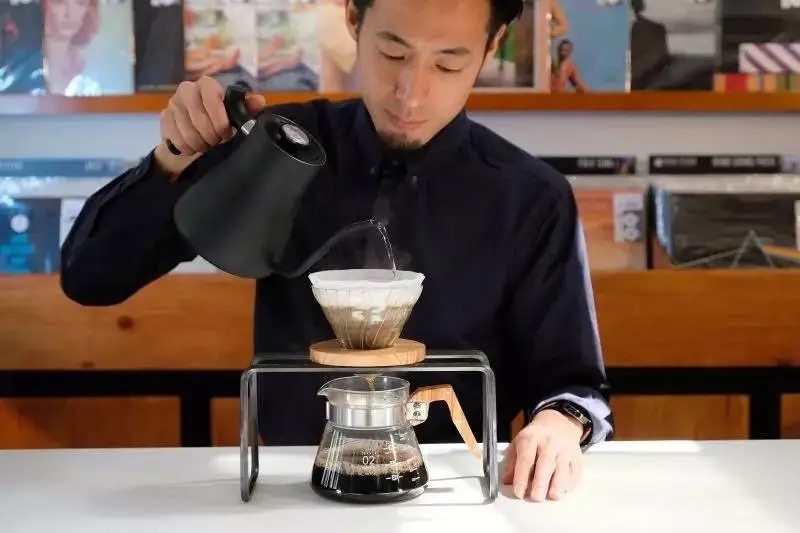
According to Kasuya's own explanation, the brewing process is divided into five pours. The first and second pours deliver 40% of the total water, and this stage determines the coffee's overall aroma and flavor direction while balancing the extraction of sweet and sour compounds. The third through fifth pours deliver the remaining 60%, which determines the overall texture and body - the richness and thickness of the cup.
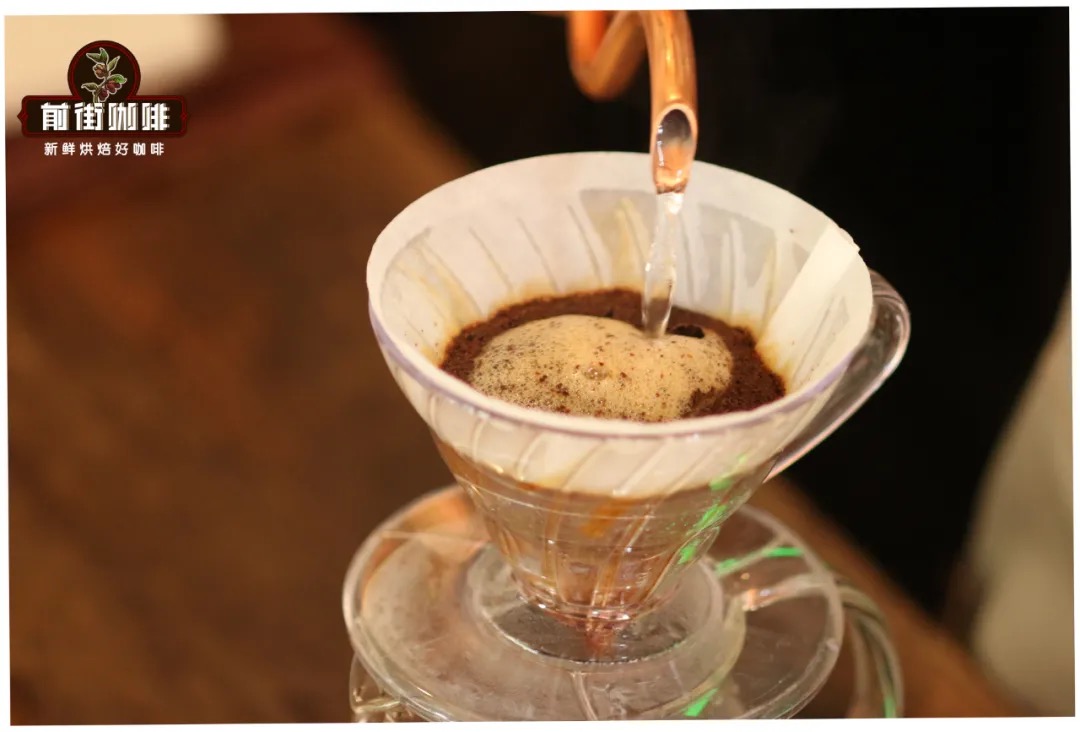
This method won't make every coffee better, but it can enhance the sweetness and body of most, especially light to medium roast beans. For beans rich in floral and fruity aromatics with bright acidity, achieving real texture while keeping sweet-sour balance is genuinely difficult: when the balance is good, the mouthfeel often runs thin; when the body is substantial, the balance may fall apart or turn astringent. For medium-dark to dark roasts, the 4:6 method tends to backfire.
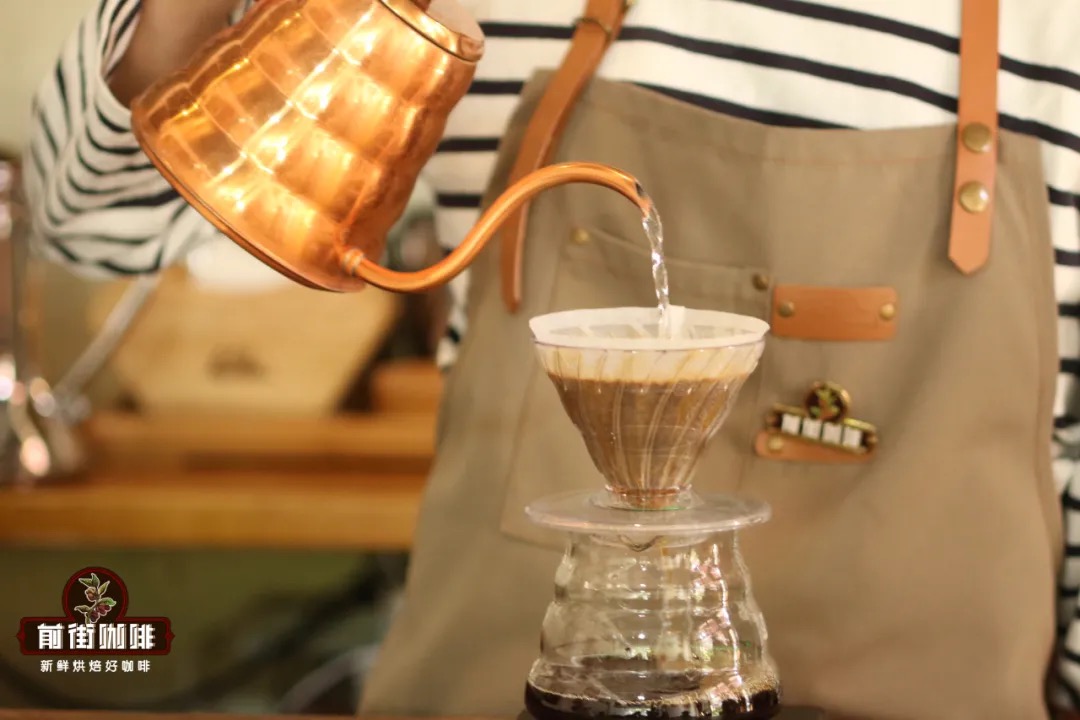
The method calls for pairing with a V60 dripper, controlling the extraction of compounds at each stage through segmented pours so that the acidity (the main flavor), sweetness, and body of light to medium roast coffee can each be fully expressed.
How to Brew with the "4:6 Brewing Method"
The V60 is recommended because its spiral ribs create ventilation channels between the filter paper and the cup wall, accelerating flow, while the large single aperture prevents the grounds from clogging. Since the 4:6 method uses multiple pour segments and a longer total extraction time, a fast-flowing dripper is essential to avoid over-extraction.
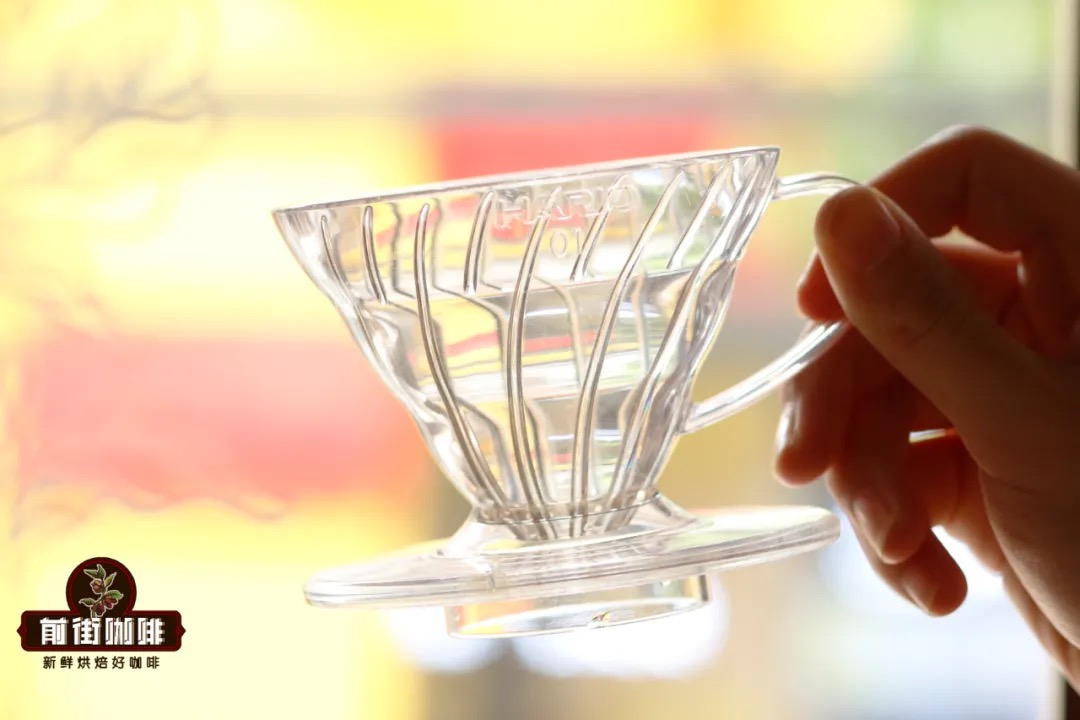
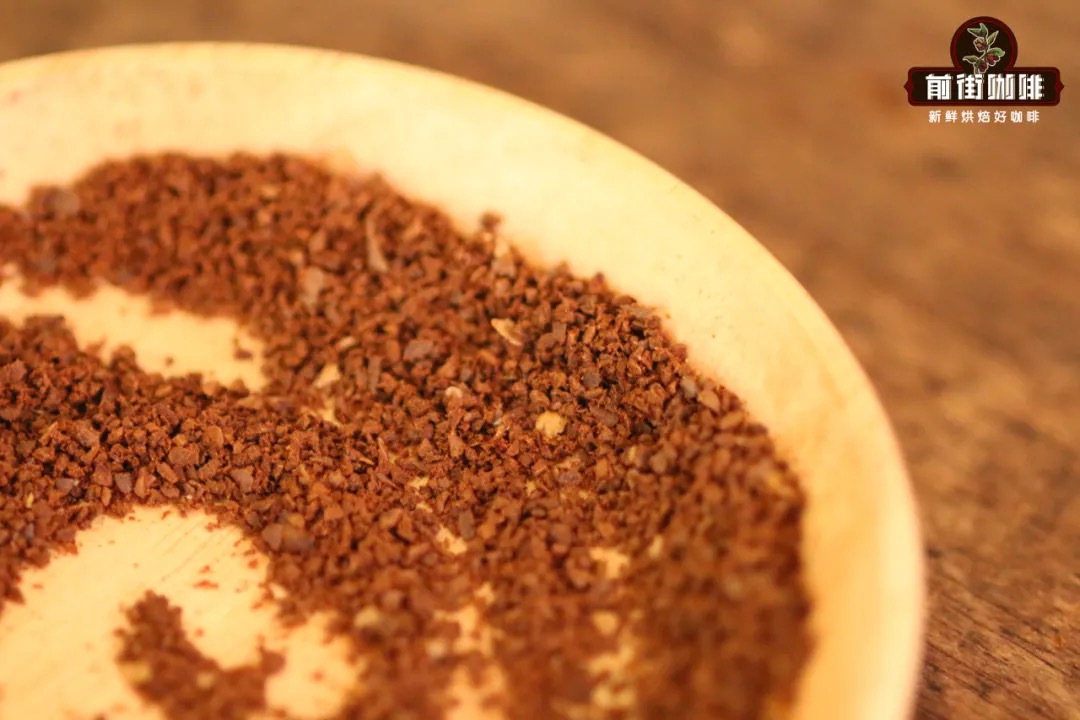
FrontStreet Coffee used naturally sun-dried Red Cherry beans from Yirgacheffe for this demonstration. The parameters: 20g of coffee at a 1:15 coffee-to-water ratio (20g coffee, 300g hot water), brewed at 91-92°C. Grind size needs special attention! For most light to medium roasts, FrontStreet Coffee normally recommends a fine sugar grind (80% retention on Chinese standard sieves), but for the 4:6 method the grind must not be fine - use a coarse, raw-sugar-sized grind instead (50% retention on Chinese standard sieves).
The total water is divided into five equal 60g pours, each lasting 5-6 seconds. Start the timer and pour the first 60g in circles; at 0'45", pour the second 60g (120g total); at 1'30", the third 60g (180g total);
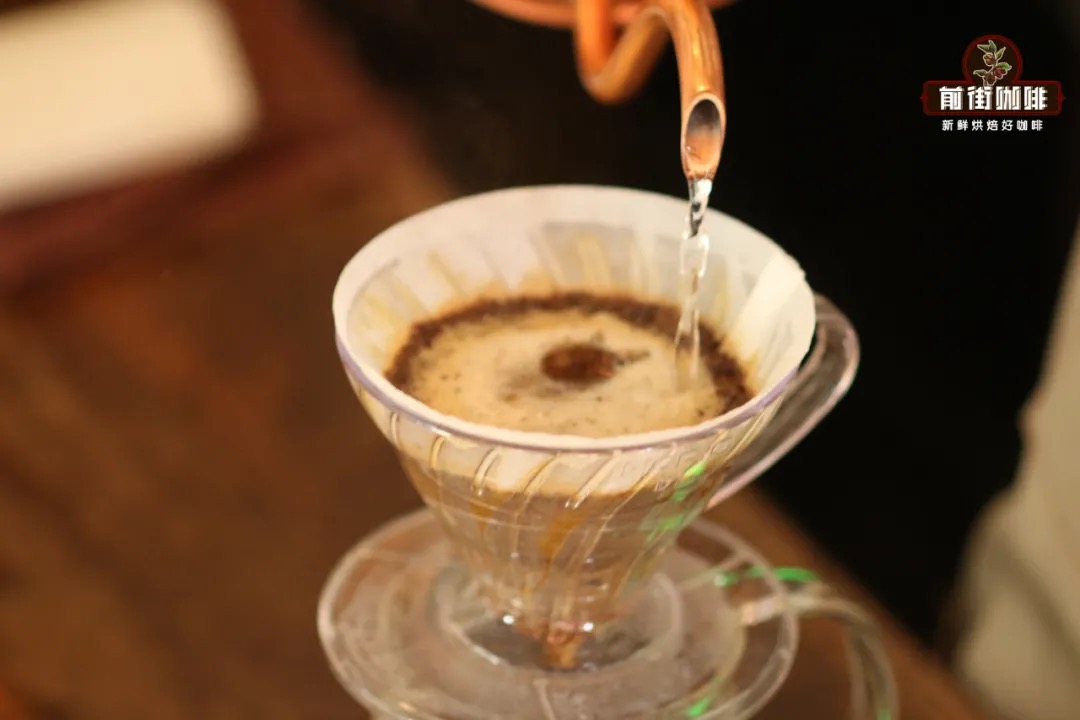
at 2'15", the fourth pour - yes, another 60g in circles (240g total); and at 3'00", the fifth and final 60g. Wait for extraction to finish, for a total brew time of about 3 minutes 20 seconds.
The Variability of the "4:6 Brewing Method"
The water volumes for each segment aren't fixed. Following the "40% sets flavor, 60% sets texture" logic, you can shift water between the first two pours to bias acidity or sweetness: 70g in the first pour and 50g in the second pushes acidity forward; 50g first and 70g second makes sweetness more prominent.
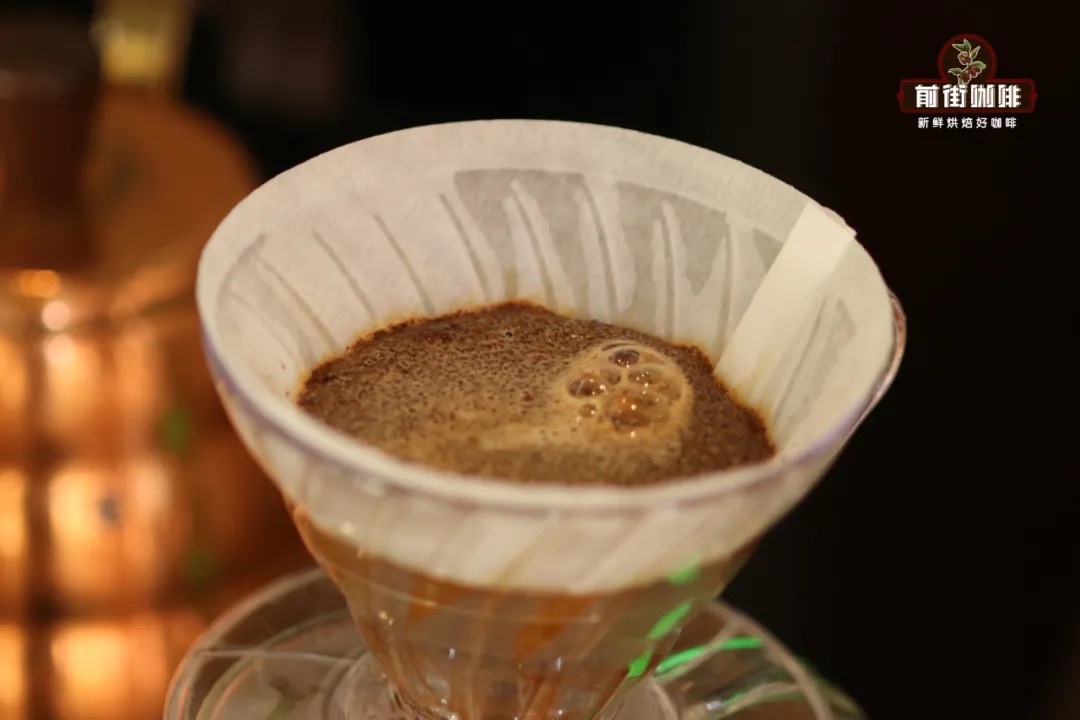
During the bloom, coffee typically absorbs only about twice its weight in water. If you pour too much in the first segment, the excess rushes through the bed into the server - and that early drip is under-extracted: acidity without sweetness. Don't underestimate those few drops; they're concentrated enough to noticeably sharpen the whole cup.
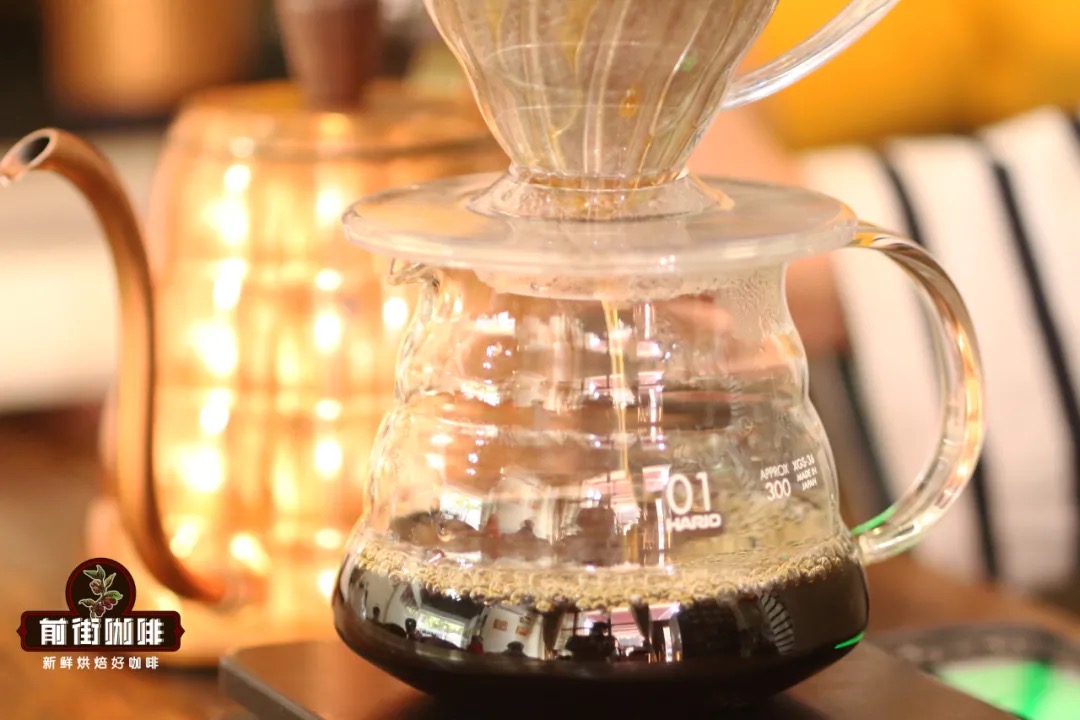
In the texture stage, you control body by adding or removing pours. By this point most of the coffee's main flavor compounds have already been extracted, and what remains are mostly bitter compounds which, in the right amounts, build body. Want a lighter, more refreshing cup? Cut one pour (two 90g pours; four segments total). Want more body? Add one (four 45g pours; six segments total).
FrontStreet Coffee Recommendation
The 4:6 method was practically built for floral, fruit-forward light roasts, and those are exactly the beans FrontStreet Coffee keeps in stock. The washed Ethiopia Yirgacheffe Red Cherry cooperative lot - classic Yirgacheffe florals, citrus brightness, and a clean tea-like finish - responds beautifully to five-pour brewing, as does the natural Huakui with its tropical guava, strawberry, and dried-mango sweetness.
For a gesha-level experience without the gesha price, FrontStreet Coffee's Strawberry Candy blend combines Costa Rica honey-process coffee with Panama washed Gesha; under a V60 it shows orange-blossom honeyed sweetness and rounded fruit, and it also shines as cold brew or espresso.
Important Notice :
FrontStreet Coffee is a long-established specialty coffee roaster in Guangzhou China, selling freshly roasted beans from its own farm in Yunnan as well as dozens of carefully selected single-origin beans from around the world for both pour-over and espresso. The products deliver consistently excellent quality and great value, with shipping within 24 hours. Guangzhou's FrontStreet Coffee shop is recommended by many coffee lovers, and the beans are now available online at the Tmall 。
FrontStreet Coffee has moved to a new address:
FrontStreet Coffee Address: 315,Donghua East Road,GuangZhou
Tel:020 38364473
 Scan and follow the En Gafei WeChat official account. Please indicate that the reprint comes from "En Gafei".

