What's the Difference Between Flat White and Latte Coffee: Which Tastes Better? Introduction to Flat White's Taste, Ratio and Characteristics

Many coffee drinkers first met the Flat White in 2015, when Starbucks added it to the permanent menu as "Fu Rui Bai." Rival brands quickly followed, each giving the Southern Hemisphere drink its own name: Costa's "Chun Yi Bai," Luckin Coffee's "Ao Rui Bai." The baristas at FrontStreet Coffee simply call it Australian White Coffee.
Australian White Was Born in the Southern Hemisphere
Order a milk coffee in Italy and you'll get a latte; order one in Australia and the barista will hand you a Flat White — that's simply what milk coffee means there. In the 1980s, Italian immigrants carried espresso machines to Australia, New Zealand, Melbourne, and beyond. Traditional café menus centered on lattes and cappuccinos, but Australians wanted a stronger coffee presence with thinner foam, and the Flat White answered. "Flat" refers to the level liquid surface; "White" to the milk coffee itself. Before long it appeared on permanent menus across Europe and America, a staple of every serious café.
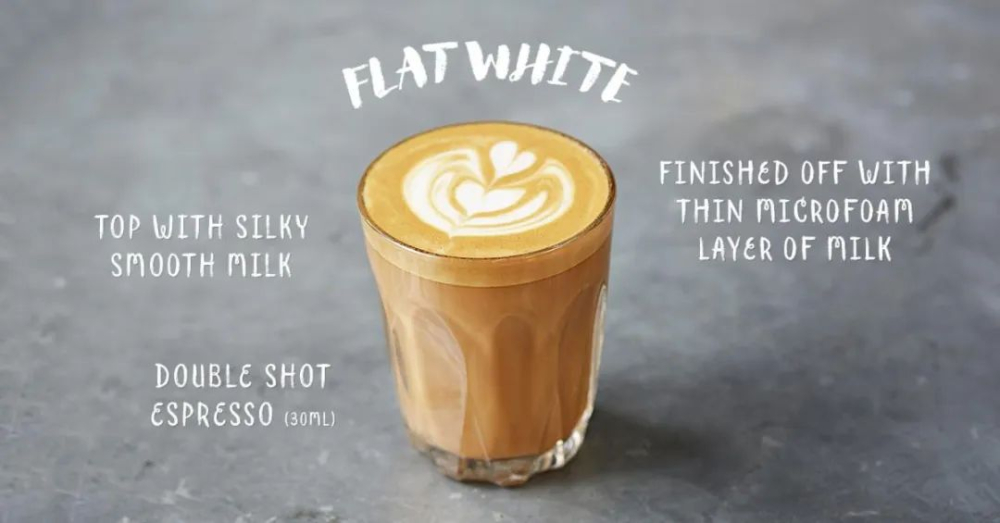
Regular milk-coffee drinkers know that a latte is built around the milk, so the cups run large — usually 250 ml and up. FrontStreet serves its hot latte in a 300 ml cup with a double espresso of about 40 g as the base plus 260 ml of fresh milk; you always walk away full.

The Flat White inverts that logic: coffee is the protagonist and milk plays supporting. The coffee flavor comes through fuller and more intense, and the thin foam layer means every sip pairs the espresso with a velvety film rather than a pillow of air. The moderate temperature and smaller cup also mean you finish it before the foam separates. New Zealand baristas take it further, serving Flat Whites in smaller cups — the same coffee, less milk, a higher coffee ratio, and thus a bolder flavor.
Australian White vs. Latte: What Actually Differs?
Like cappuccinos and lattes, the Flat White is built from espresso, hot milk, and foam — the differences are the proportions and the foam thickness.
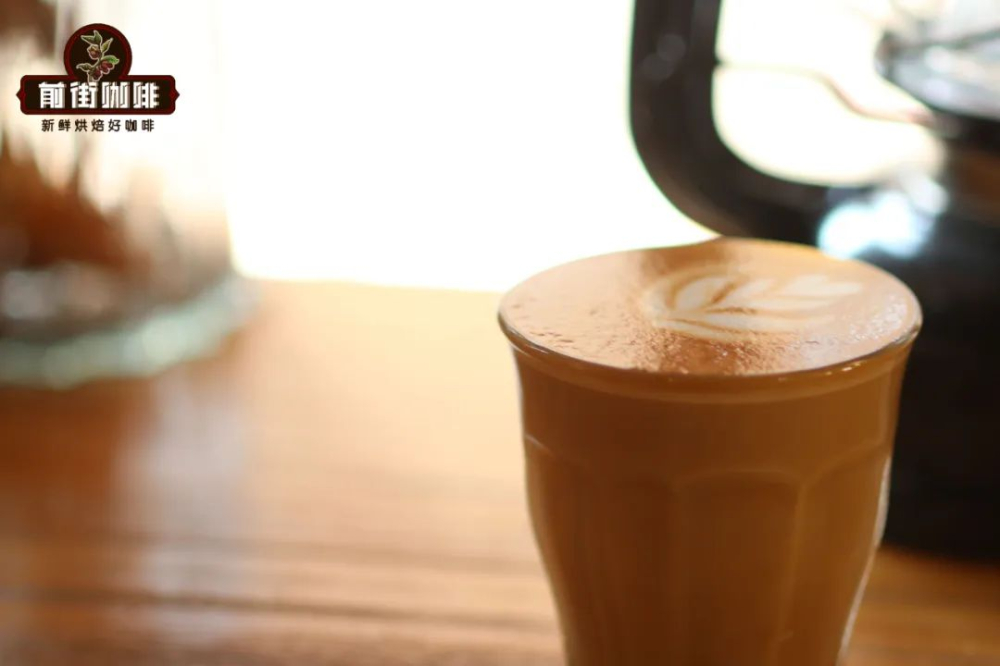
Cappuccinos pair one shot of espresso with thick, "hamburger-style" foam of 1–2 cm that you drink through before reaching the liquid. Lattes sit around 0.5 cm. Flat White foam is the thinnest, held within 0.3 cm — any thicker and the surface won't stay "flat." Practices vary: some baristas skip texturing entirely and simply heat the milk to let customers taste more crema. FrontStreet keeps a 0.3 cm layer so the drink stays creamy without becoming watery.
Lattes follow each shop's coffee-to-milk ratio; Flat Whites scale milk to cup size. New Zealand baristas serve them in 150–180 ml cups — unchanged coffee, reduced milk, intensified flavor — which is why the Flat White is often nicknamed the "small latte."
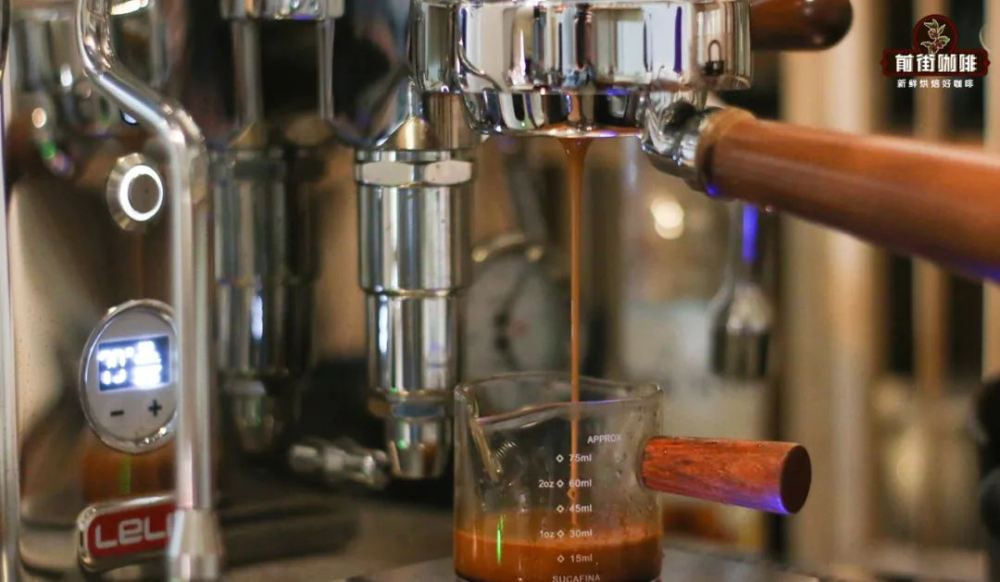
The specialty coffee era added one more refinement: single-origin espressos, or SOE. Compared with large lattes and thick-foam cappuccinos, a Flat White expresses a bean's origin character far better. In Melbourne, baristas swap the espresso base for a double Ristretto, pulled into 150 ml cups with latte-like foam.
Ristretto means "restricted" in Italian — a shortened espresso that keeps only the front and middle of the extraction. Higher in concentration, bolder in taste, and richer when mixed with milk. One caveat from FrontStreet: extraction parameters differ bean to bean and are re-dialed by the baristas every morning for the "Sunflower Warm Sun Blend" on the bar.
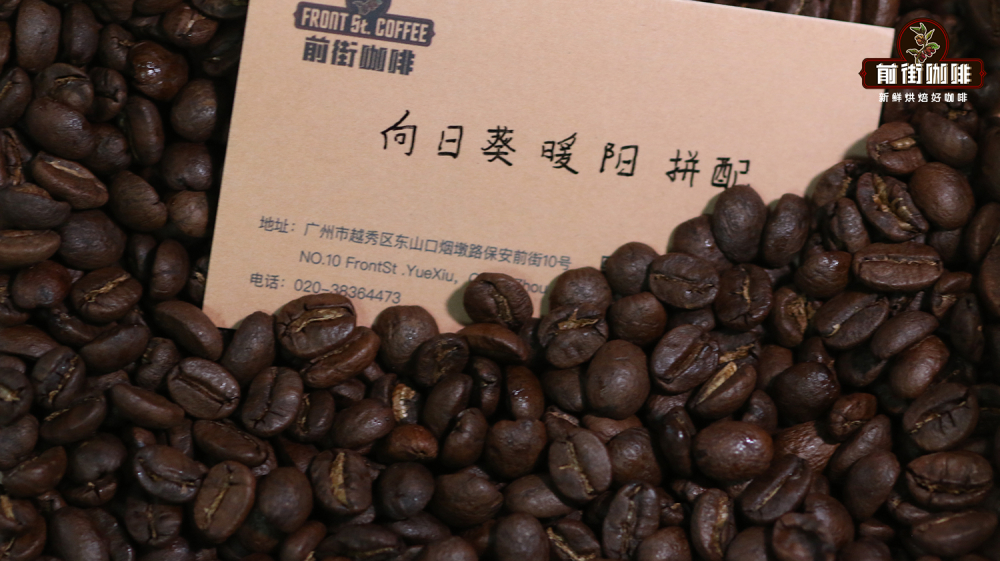
FrontStreet Coffee's Australian White Recipe
FrontStreet sees the Flat White as an expression of the chase for specialty flavor and texture, so every shop builds its own version around small cups, thin foam, and a refined base. Ours uses the house-roasted "Sunflower Warm Sun Blend" — 70% Honduras Sherry and 30% Yirgacheffe Natural Red Cherry — whose whiskey, vanilla, and cream notes meet tropical fruit and fermentation character for a richly aromatic, silky cup.

The base is a Double Ristretto: 20 g of grounds yielding 30 g of liquid in 22–24 seconds. The shot goes into a warmed cup; 150 ml of milk is steamed with less aeration than a latte to a thin, dense microfoam at 55–60°C, then poured over. Latte art is optional — with foam this thin the surface sits slightly below the rim and looks naturally flat.
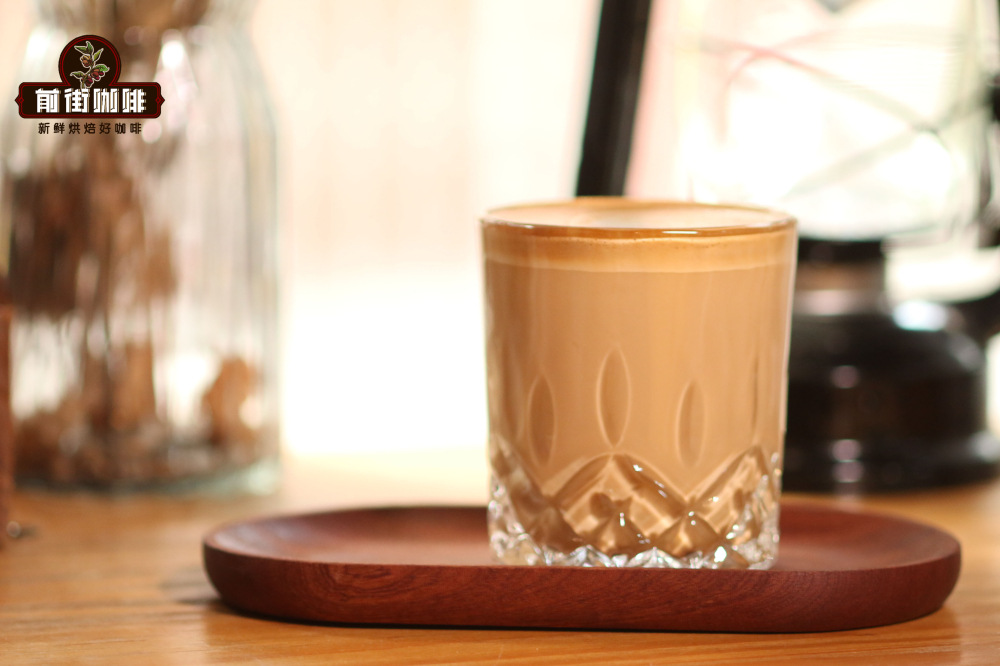
The finished drink shows vanilla, chocolate milk, whiskey-filled chocolate, and berry tartness, entering smooth and mellow with a long, lingering finish.
FrontStreet Coffee Recommendation
Want to recreate these milk coffees at home? Espresso beans matter more than anything. FrontStreet's Classic Blend — a medium-dark, three-origin formula inspired by the old Mandheling-and-Brazil pairing, plus a touch of Robusta — extracts with butter, toasted bread, and caramel-biscuit aromas, a solid body, fine crema, and very stable shots, making it ideal for latte-art practice.
FrontStreet Coffee's Premium Blend (washed Colombian + pulped-natural Brazilian) brings nuts, dark chocolate, and caramel to espresso and creamy almond and cocoa notes in milk drinks, with café-grade crema. If you're outfitting a shop, FrontStreet Coffee's Commercial Blend adds a little Robusta to that formula for darker, denser crema and extra body in Americanos, lattes, and mochas alike.
Important Notice :
FrontStreet Coffee is a long-established specialty coffee roaster in Guangzhou China, selling freshly roasted beans from its own farm in Yunnan as well as dozens of carefully selected single-origin beans from around the world for both pour-over and espresso. The products deliver consistently excellent quality and great value, with shipping within 24 hours. Guangzhou's FrontStreet Coffee shop is recommended by many coffee lovers, and the beans are now available online at the Tmall 。
FrontStreet Coffee has moved to a new address:
FrontStreet Coffee Address: 315,Donghua East Road,GuangZhou
Tel:020 38364473
 Scan and follow the En Gafei WeChat official account. Please indicate that the reprint comes from "En Gafei".