How to Adjust Coffee Grind Size for Moka Pot: Bialetti Moka Pot Grind Adjustment Guide
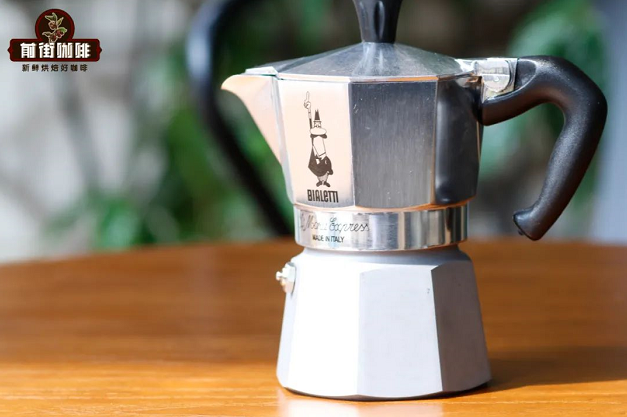
Once you are used to café-quality coffee, replicating that taste at home is no small task. With a limited budget and counter space, a moka pot is often the most practical way to brew rich, full-bodied coffee. But owning the tool is only half the story — how should you adjust the coffee you put into a moka pot so the cup earns a thumbs-up from everyone?
Understanding the Moka Pot
To use a moka pot well, it helps to know where it came from and how it actually brews.
In the 1920s, the Italian Alfonso Bialetti found inspiration in washing machines. He noticed the metal tube running through their middle, with heated soapy water spraying up the central pipe and dispersing over the clothes. After repeated experiments, he created the world's first moka pot in the 1930s.
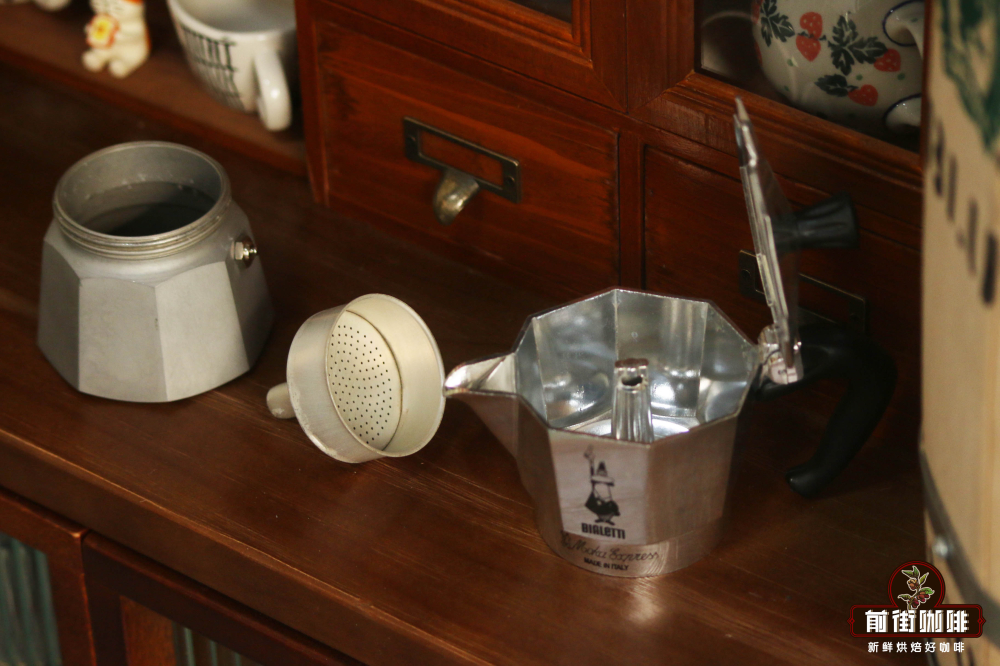
The principle mirrors that old washing machine. The lower chamber holds a measured amount of hot water, the middle basket is filled with ground coffee, and the pot is assembled and set on a heat source. As the water in the lower chamber boils, steam pressure builds and forces the hot water up through the fairly compact coffee bed, surging onward until the brewed coffee collects in the upper chamber.
Convenient, fast, space-saving, and stylishly modern for its era, the moka pot steadily won over Italian households. Later, Alfonso's son achieved mass production and invested heavily in design and advertising, cementing the moka pot as a fixture of daily Italian life.
How to Use a Moka Pot
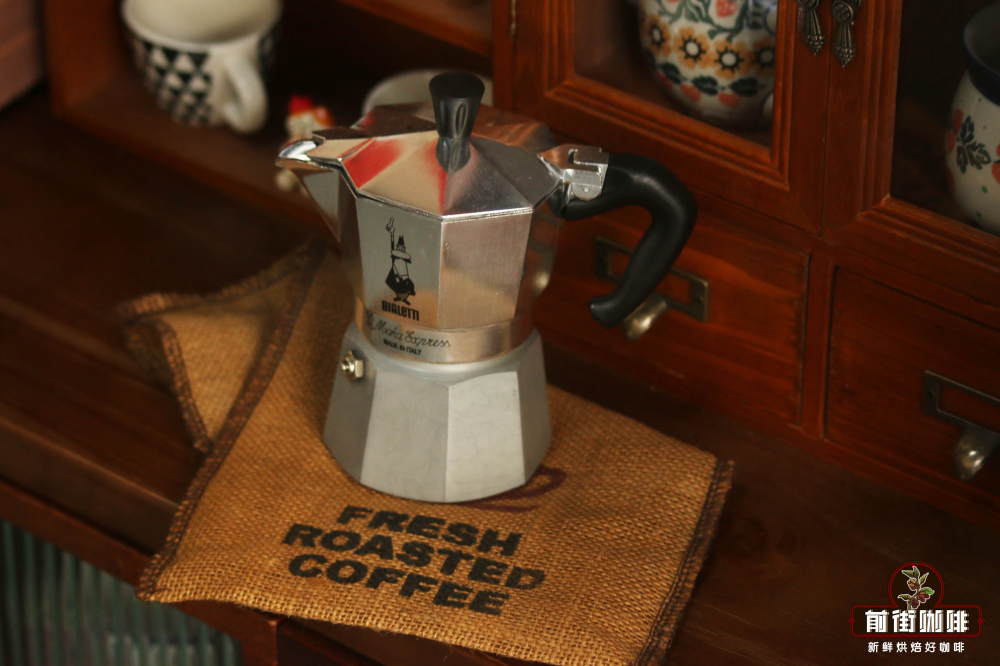
As more home brewers discovered how convenient the moka pot is, people online began sharing cups with thick crema and mellow body, making those without one eager to try. So let's walk through the basics. FrontStreet Coffee suggests this routine:
First, pour hot water into the lower chamber until it sits about 0.5 cm below the pressure relief valve. Fill the middle filter basket with ground coffee, then tap it gently from side to side so the grounds settle evenly. Place the basket into the lower chamber, screw the top on firmly, and set the whole pot on the heat.
As the pot heats up you will hear a "whooshing" sound. At that point, lower the heat and open the lid. Soon coffee will gush up into the upper chamber — lift the pot off the heat and you are rewarded with a cup of strongly aromatic, mellow coffee.
Achieving Rich Crema with Moka Pot
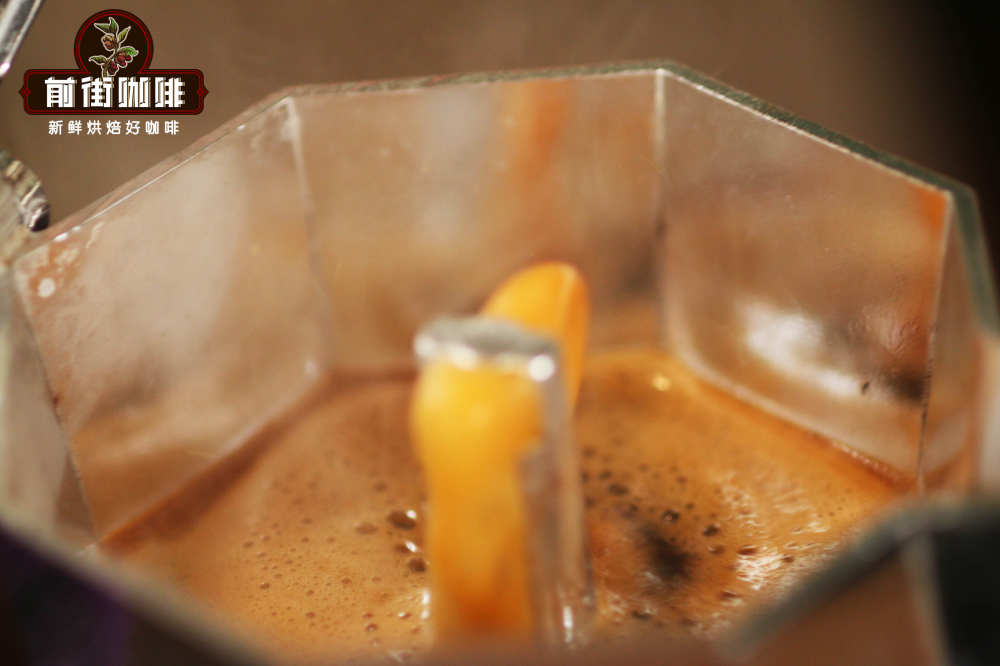
Many people want moka pot coffee with crema like an espresso machine's, and ask FrontStreet Coffee how to dial it in.
Crema in espresso is essentially countless carbon dioxide bubbles. When the grind is finer, the contact area between hot water and the coffee particles increases, gas release becomes more vigorous, and you get that dense, golden-brown layer of foam.

So three levers affect crema: bean freshness, roast level, and grind size. On freshness, FrontStreet Coffee ships beans roasted within 5 days; after the 4 to 7 days they spend in transit degassing, they arrive at their flavor peak — so focus on the other two levers.
First, choose a darker-roasted bean, ideally an espresso blend such as FrontStreet Coffee's Sunflower Warm Blend. It combines 70% Honduras Sherry with 30% Ethiopia Natural Red Cherry, offering rich vanilla-cream flavors and winey aromatics. If you prefer single origins, pour-over staples work too — Brazil Queen Estate beans, for example.
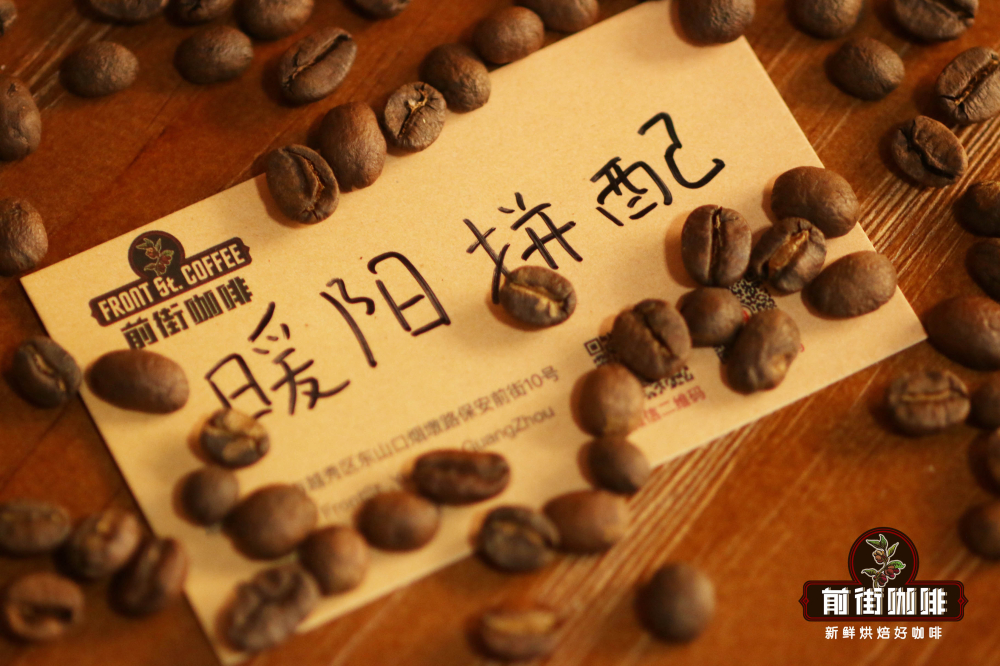
FrontStreet Coffee: Sunflower Warm Blend Coffee Beans
Region: Honduras & Ethiopia
Varieties: Caturra, Catuai, Heirloom
Processing: Fine Washed & Whiskey Barrel Fermentation & Natural
The latter is a natural processed Yellow Bourbon from Queen Estate. Natural coffees generally deliver more aroma and sweetness than washed ones, and the Yellow Bourbon variety pushes the sweetness of this Brazil Queen Estate lot even further. Brewed, it shows rich nutty-cream notes, a mellow mouthfeel, and overall balance.
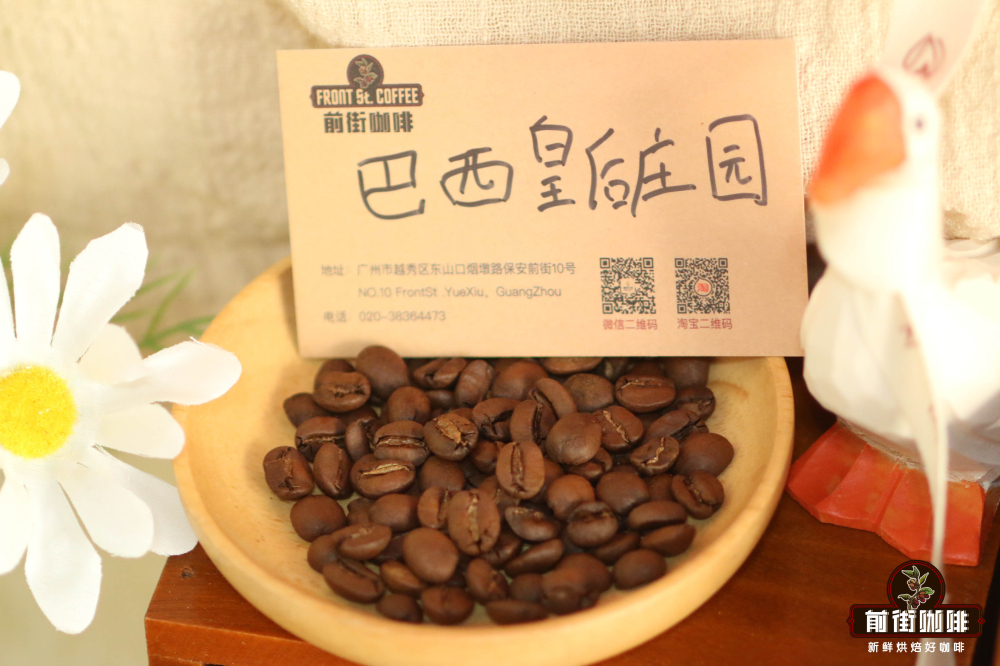
FrontStreet Coffee: Brazil Queen Estate Coffee Beans
Region: Mogiana, São Paulo State, Brazil
Estate: Queen Estate
Altitude: 1400-1950 meters
Variety: Yellow Bourbon
Processing: Natural Processing Method
Second, grind finer. FrontStreet Coffee suggests a grind between 0.3–0.55 mm for moka pots — simply put, slightly coarser than espresso. Particles that small are hard to judge by eye, so here are two ways to verify. The first is to buy a particle-size gauge or moka-specific reference grounds for comparison. The second is trial and adjustment: when coffee erupts like a fountain, the grind is too coarse and the water meets too little resistance; if you hear "whooshing" but no coffee rises for a long time, the grind is too fine — lift the pot off the heat immediately and take safety precautions.

Safety Precautions
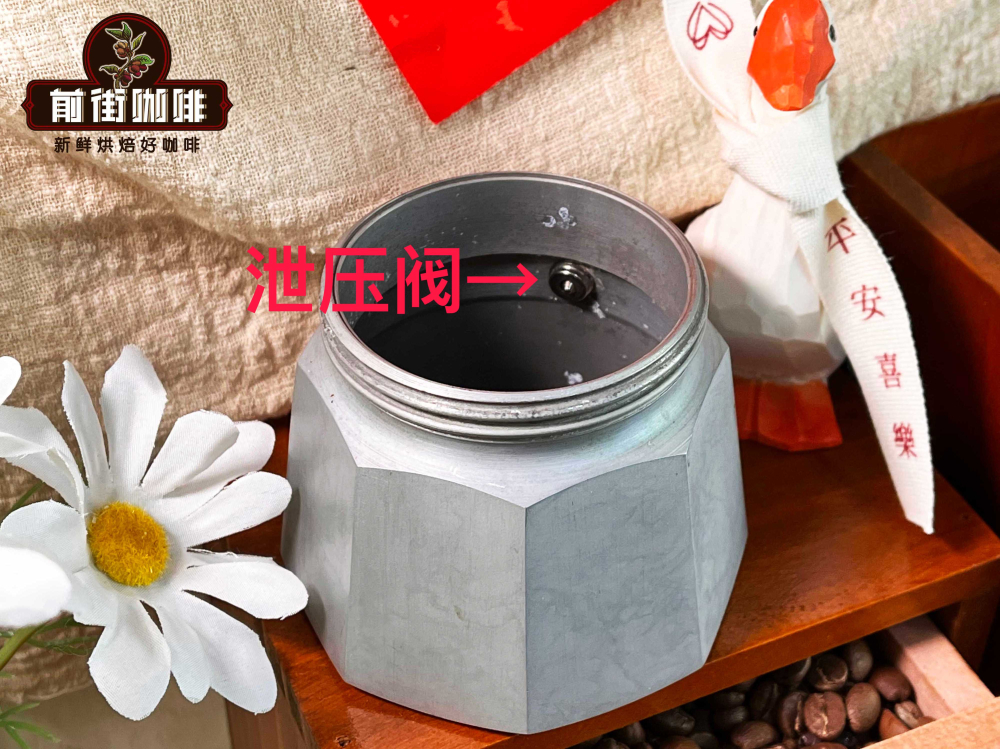
A word on safety. Anyone who has studied the lower chamber closely will have noticed a small protruding hole: the pressure relief valve. It exists to release excess pressure that can build up when something goes wrong — most commonly an overly fine grind. If water ever covers the valve, it can no longer relieve pressure and the risk of the pot bursting rises sharply.
Conclusion
With all that covered, brewing a rich, mellow cup with beautiful crema in a moka pot shouldn't feel difficult anymore. Go make one and see for yourself!
FrontStreet Coffee Recommendation
For guaranteed crema even on entry-level home equipment, the FrontStreet Classic Blend is purpose-built for espresso and moka pot brewing. Following the traditional Mamba (Mandheling & Brazil) formula, it is smooth, full-bodied and easy for newcomers and veterans alike — ideal for lattes, cappuccinos and Dirty drinks that depend on quality crema.
If you prefer single origins, the FrontStreet Brazil Queen Estate (Yellow Bourbon, natural process, Mogiana region) is explicitly well-suited to the moka pot: low acidity, balanced, with pronounced nut, cocoa and caramel sweetness and a silky, lingering finish. For a darker, earthier option, the FrontStreet PWN Indonesia Golden Mandheling is deep-roasted with herbal and dark chocolate notes and a heavy, lingering body — a great pick for those who dislike acidity.
Important Notice :
FrontStreet Coffee is a long-established specialty coffee roaster in Guangzhou China, selling freshly roasted beans from its own farm in Yunnan as well as dozens of carefully selected single-origin beans from around the world for both pour-over and espresso. The products deliver consistently excellent quality and great value, with shipping within 24 hours. Guangzhou's FrontStreet Coffee shop is recommended by many coffee lovers, and the beans are now available online at the Tmall 。
FrontStreet Coffee has moved to a new address:
FrontStreet Coffee Address: 315,Donghua East Road,GuangZhou
Tel:020 38364473
 Scan and follow the En Gafei WeChat official account. Please indicate that the reprint comes from "En Gafei".