How to Make Flat White Coffee and What's the Taste Difference Between Flat White and Latte
Friends who often order milk coffee at Luckin must have heard of the "Flat White" — a milk coffee that has captured the hearts of many coffee lovers with its rich, sweet flavor and texture. Although the drink isn't listed on FrontStreet Coffee's menu, our baristas will happily make one whenever a customer asks.
How to Make Flat White Coffee?
FrontStreet Coffee starts by preparing a 200ml ceramic cup and preheating it, to slow the temperature drop of the coffee.
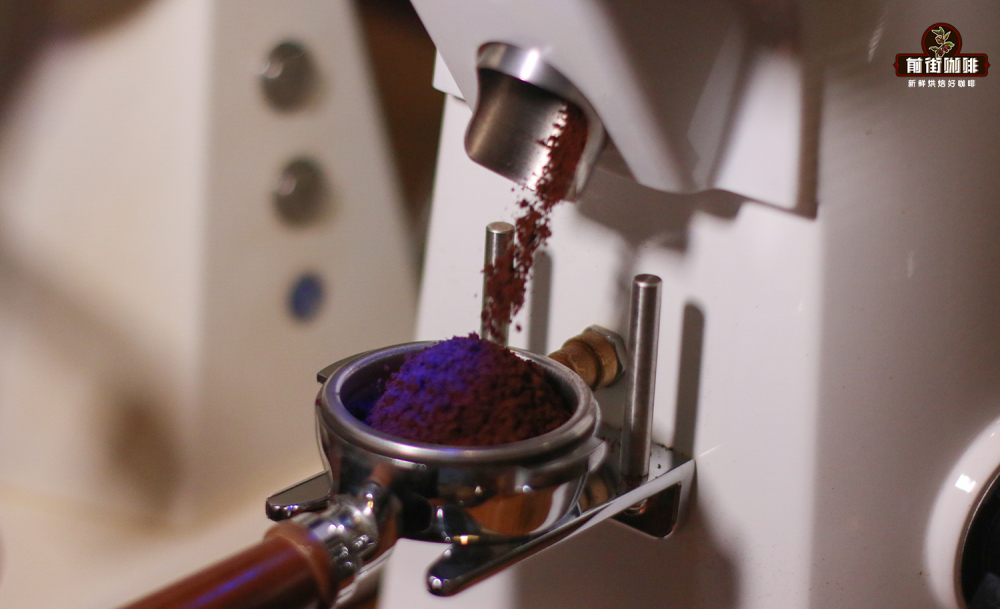
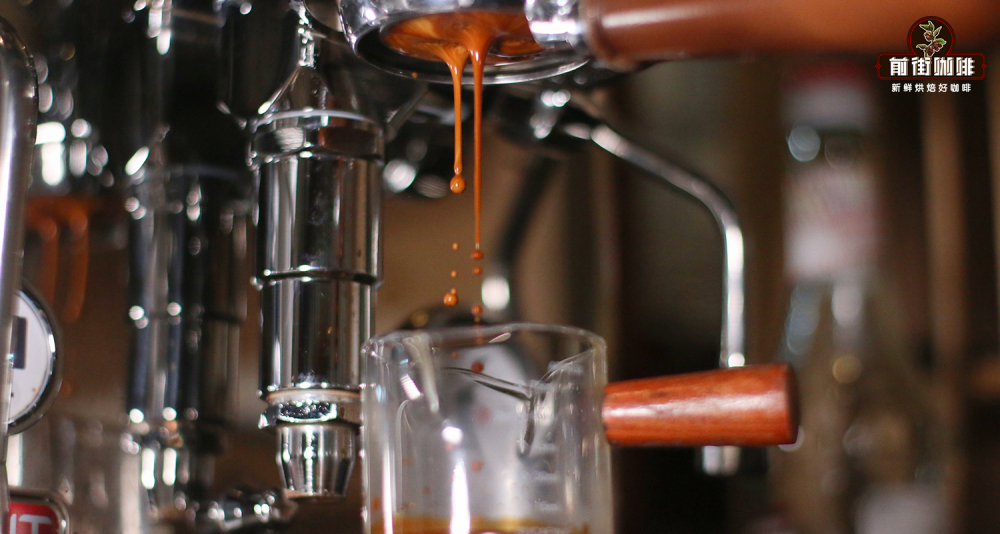
Next, grind 20 grams of coffee and extract 27 grams of coffee liquid within 20–25 seconds, taking only the front and middle sections of the shot — a ristretto (concentrated espresso). The double ristretto is then poured into the pre-warmed cup of roughly 200ml capacity.
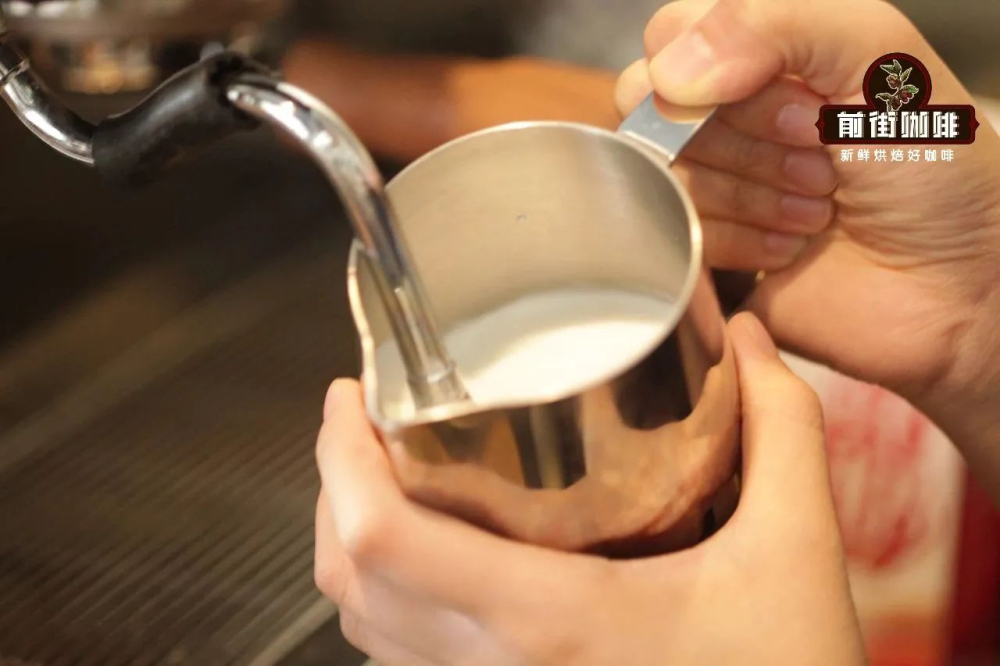
FrontStreet Coffee's Flat White coffee-to-milk ratio is 1:5, meaning approximately 150ml of fresh milk. Choose a milk pitcher you like for frothing. Because the foam layer needs to be thinner and denser than a latte's, the milk should be frothed with less air, with the temperature best kept between 55–60 degrees Celsius for better drinkability. Finally, pour the frothed milk evenly into the coffee — latte art is optional.
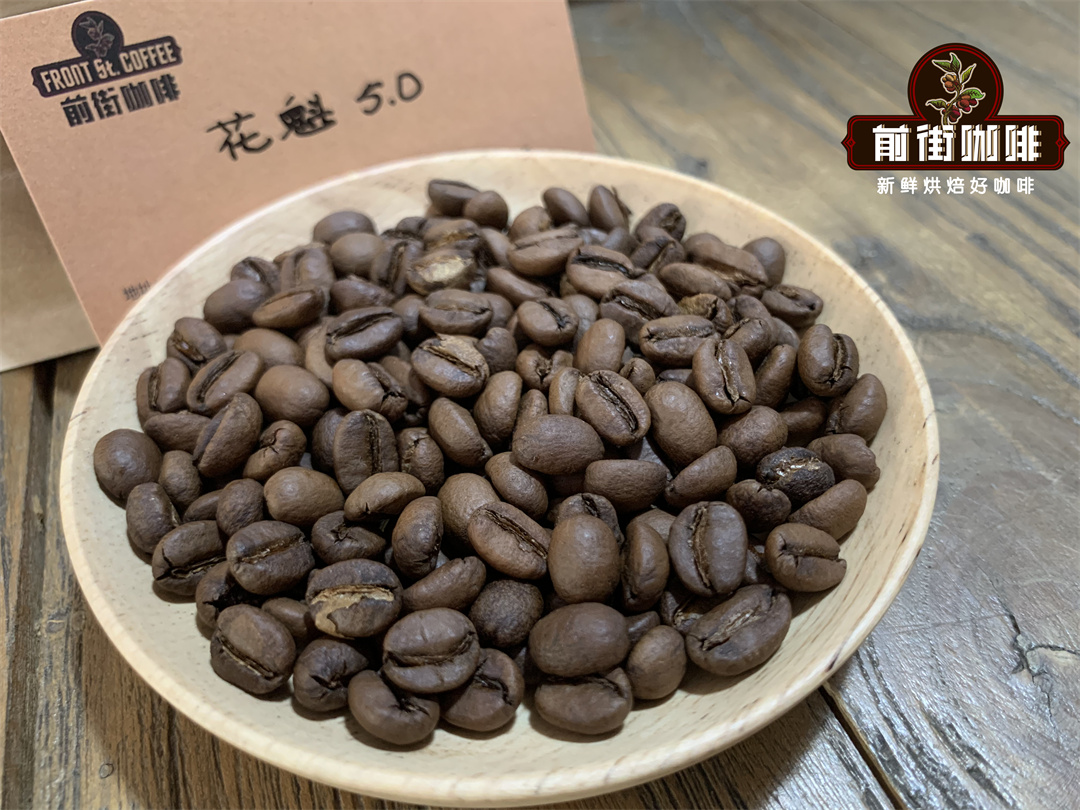
FrontStreet Coffee uses its own roasted "Sunflower Warm Sun Blend," which consists of 70% Honduras Sherry coffee and 30% Yirgacheffe Natural Red Cherry coffee. The Sherry's whiskey, vanilla, and cream flavors complement the tropical fruit and fermentation notes of the Red Cherry.
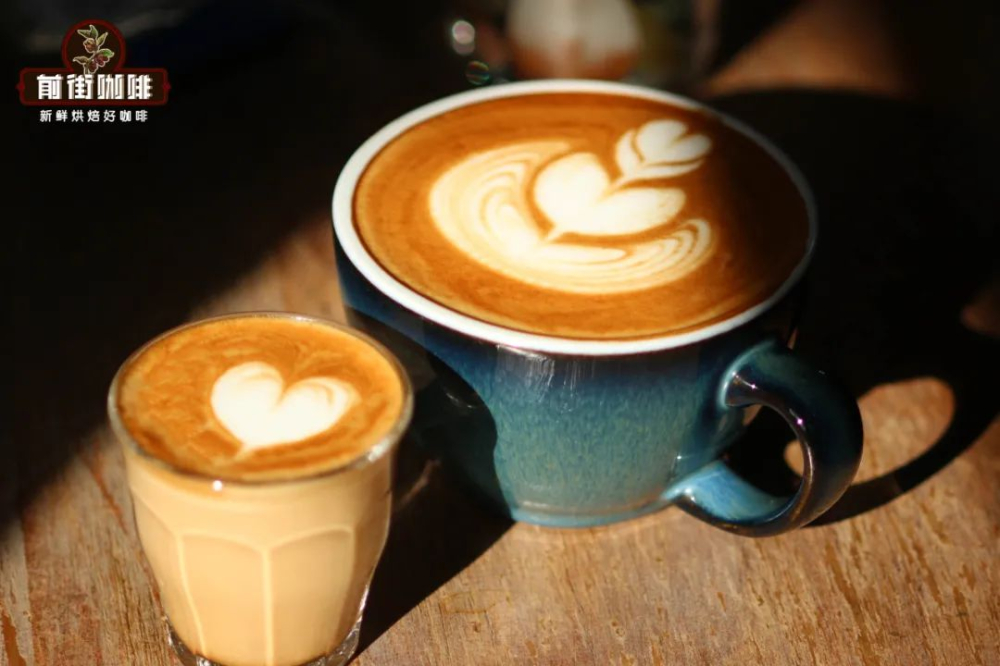
Paired with milk, the Flat White shows notes of vanilla cream, chocolate milk, whiskey aroma, and berry sweetness and tartness — smooth and mellow in the mouth, with a very long-lasting aftertaste. Compared with many coffee shops that use dark-roast, bitterness-forward beans, FrontStreet's Warm Sun coffee has a smoother texture and richer aroma, which has won over many customers.
What's the Difference in Taste Between Flat White and Latte?
After seeing FrontStreet Coffee's steps, you might think this is just a small-sized latte. So let's compare the two directly.
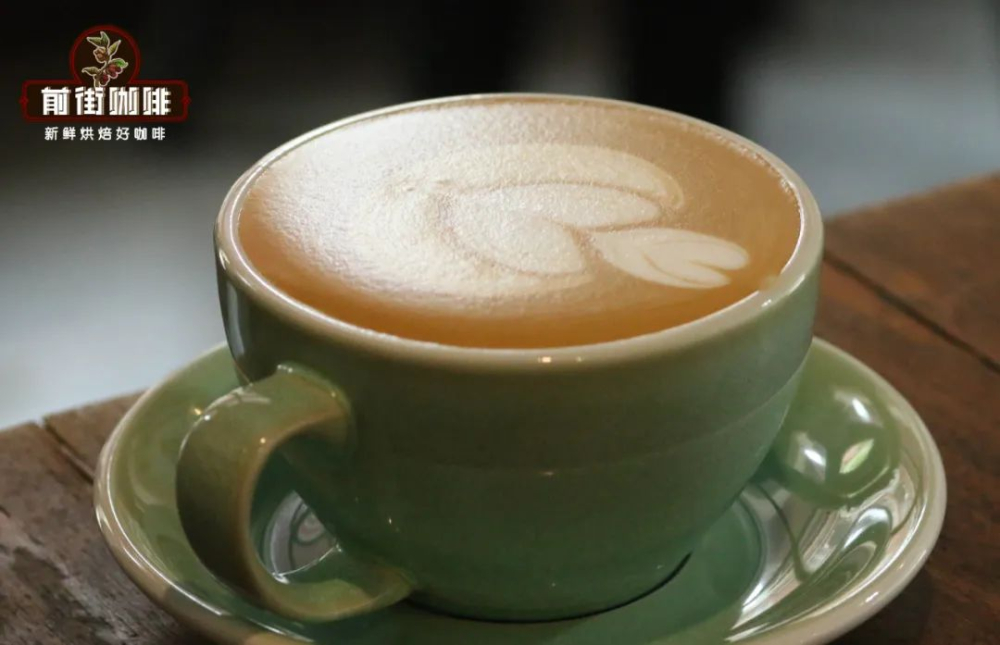
Typically, latte foam is about 0.5cm thick, giving a slightly domed, full cup after frothing and pouring latte art. Flat White foam is the thinnest — it must stay within 0.3cm, or the "flat" liquid surface is impossible to achieve. Exact foam thickness varies from shop to shop: some baristas, to let customers taste the crema to the fullest, barely froth the milk at all, simply heating it and pouring it over the espresso. At FrontStreet Coffee, we want a Flat White that's creamy-smooth without being watery, so we hold a 0.3cm foam layer.
For lattes, each shop sets its own coffee-to-milk ratio. Flat Whites, however, typically size the milk to the cup. To present a richer coffee flavor, New Zealand baristas serve Flat Whites in small 150–180ml cups: with the same amount of coffee but reduced milk, the coffee proportion rises and the flavor naturally becomes more intense.
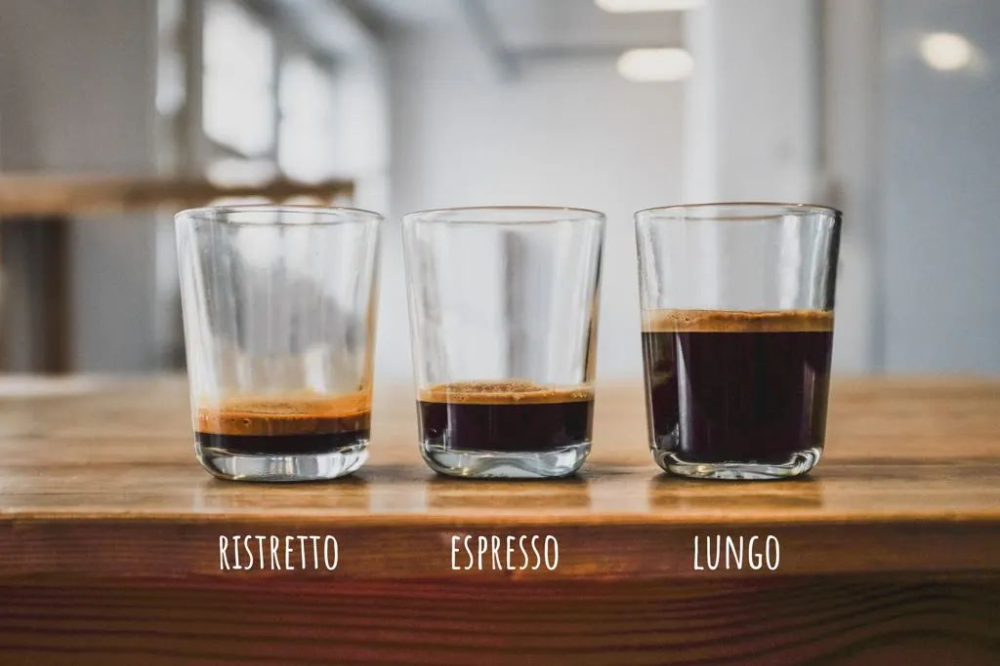
And in the specialty coffee era, more and more single-origin coffees are being applied to espresso extraction — what we commonly hear called SOE (Single Origin Espresso). Compared with large lattes and cappuccinos topped with thick foam, the Flat White is better suited to expressing the terroir flavors of the beans themselves. In Melbourne coffee shops, baristas swap the espresso base for a double ristretto, paired with foam of similar thickness to a latte, in a 150ml cup. FrontStreet Coffee, using its own Warm Sun espresso beans, likewise replaces the base with a double ristretto.
Is Flat White Better Cold or Hot?
When ordering a latte you can choose hot or iced — but a Flat White is served hot only.
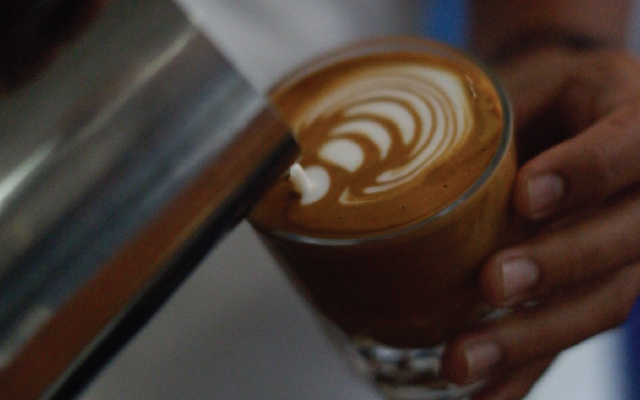
That's because baristas want every sip of a Flat White to deliver the perfect combination of foam and the milk coffee beneath. Only when the foam is very dense, relatively thin, and at a suitable drinking temperature can you taste both the foam and the rich coffee liquid in every sip — and finish the cup before the foam layers separate. Adding ice dilutes the milk coffee and makes that effect impossible.
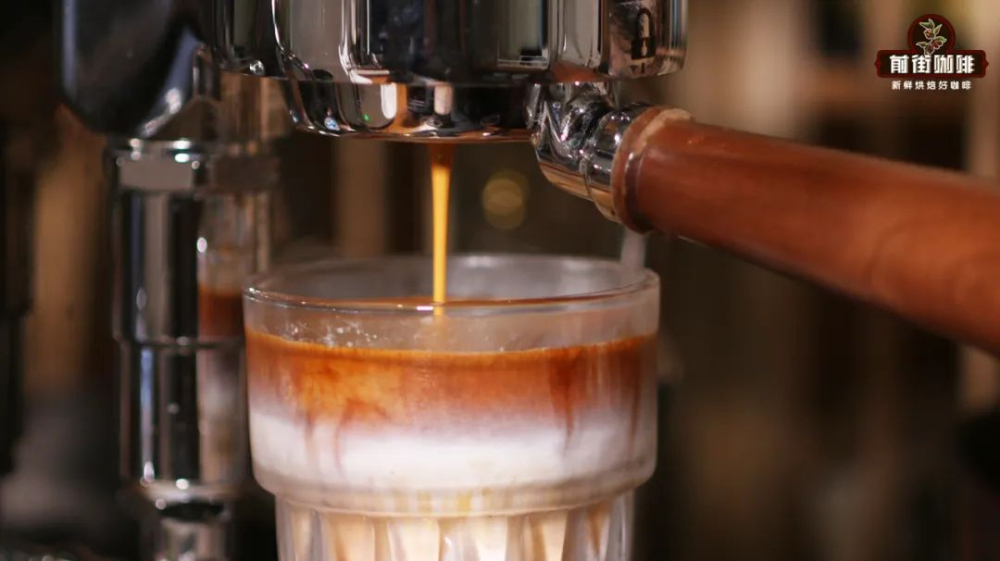
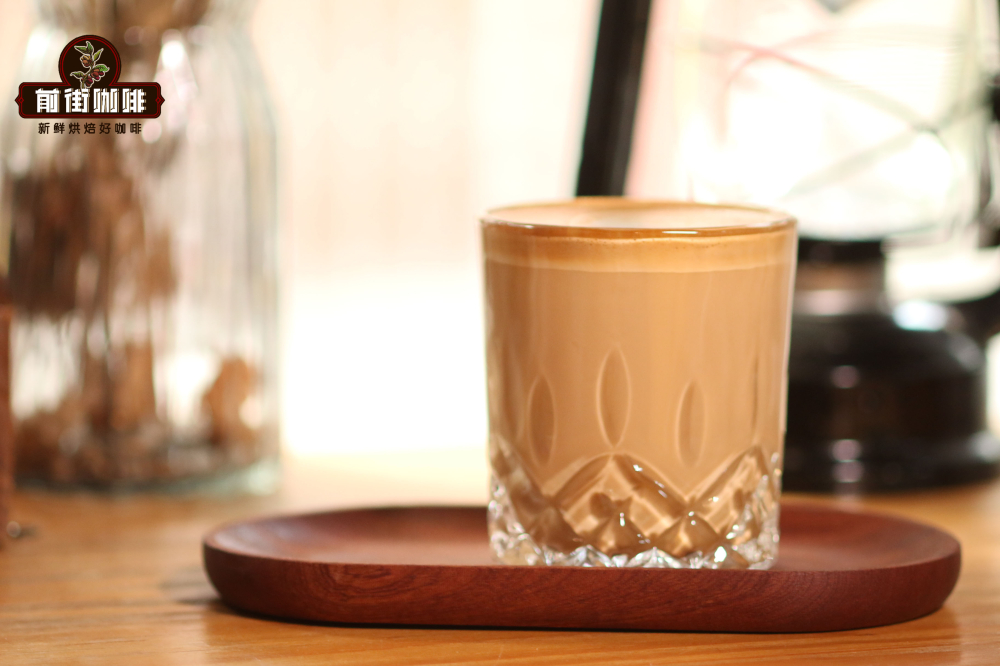
If you're after an iced, rich milk coffee experience, FrontStreet suggests trying the "Dirty" coffee that has grown so popular in recent years. Espresso is poured over chilled fresh milk, creating a "dirty" visual effect, with a rich mouthfeel that alternates between cold and hot. With no dilution from ice and the small cup size, the coffee aroma comes through extremely full.
FrontStreet Coffee Recommendation
Every café has its own "secret Flat White recipe," but they all boil down to the same three points: less milk, thinner foam, stronger coffee. The beans matter most — a Flat White needs an espresso bean with a memorable flavor profile. For home brewing, FrontStreet recommends the butter-and-cheese flavored Classic Blend, which is full-bodied and low in acidity with rich, fine crema and outstanding intensity alongside milk. If you prefer floral-and-fruit aromatics, choose the very low-bitterness Strawberry Candy espresso blend: it extracts with full grape and blueberry notes, balanced sweet-tart acidity, and turns into something like a strawberry milkshake when combined with fresh milk — unforgettable.
Milk choice matters just as much. Milk that is too thin makes the Flat White hollow; milk with too heavy a flavor buries the coffee. FrontStreet suggests chilled fresh milk, which froths up with more pronounced milky sweetness and becomes the perfect partner for espresso. Keep the steam wand's air intake to just 1–2 seconds for that thin, glossy microfoam, texture to around 50–55°C, and pour gently into the ristretto — silky, layered, and light enough that you can drink the whole cup without feeling weighed down.
Important Notice :
FrontStreet Coffee is a long-established specialty coffee roaster in Guangzhou China, selling freshly roasted beans from its own farm in Yunnan as well as dozens of carefully selected single-origin beans from around the world for both pour-over and espresso. The products deliver consistently excellent quality and great value, with shipping within 24 hours. Guangzhou's FrontStreet Coffee shop is recommended by many coffee lovers, and the beans are now available online at the Tmall 。
FrontStreet Coffee has moved to a new address:
FrontStreet Coffee Address: 315,Donghua East Road,GuangZhou
Tel:020 38364473
 Scan and follow the En Gafei WeChat official account. Please indicate that the reprint comes from "En Gafei".