What is Flat White Coffee? The Difference Between Flat White and Latte - Which Has More Milk?
Espresso drinks are a popular choice in coffee shops. While many people now prefer to brew at home, espresso remains a favorite, and in summer the iced versions grow even more popular. Among espresso drinks, the latte is the most common choice.
Some say a latte is essentially a masterpiece of coffee plus milk, and that is accurate. The latte is a classic Italian espresso drink made with espresso and milk. The name "Latte" actually means "milk" in Italian, so what the world now calls a Coffee Latte is basically milk mixed with coffee, without milk foam at the time.
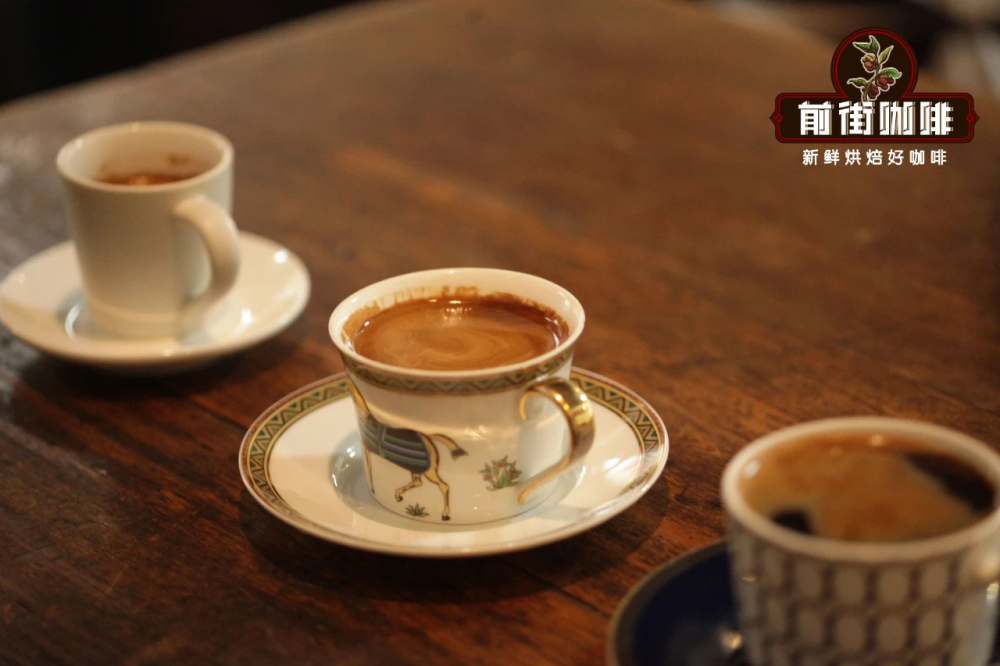
So what about Flat White? Flat White is a style that Australians developed and made their own by extending the espresso culture imported around World War II. Its emergence was an evolution of local milk coffee on the isolated continent. Among the first white Australian immigrants, most were of British and Irish descent, and in their understanding there were only black coffee and white coffee: black coffee being pure filtered coffee, white coffee being coffee with milk. Later, during immigration waves, Italians opened coffee shops there, and the collision of languages and eating habits forced those Italian shops to adapt. Over time, a milk coffee called Flat White took shape. When Australian coffee culture was later exported, New Zealanders and Australians could not clearly explain where Flat White came from, and the confusion multiplied abroad, producing various versions that each claim to be authentic.
Flat White Coffee
Flat White is a coffee drink originating from Australia, hence also known as Australian White Coffee, though some argue it actually originated in New Zealand. Beyond the dispute over its origin, the preparation varies as well. Flat White is a milk coffee with a stronger coffee flavor, less milk, and thinner milk foam. In the choice of espresso base, New Zealanders prefer to use a Double Ristretto for Flat White, while Australian baristas prefer a Single Espresso.
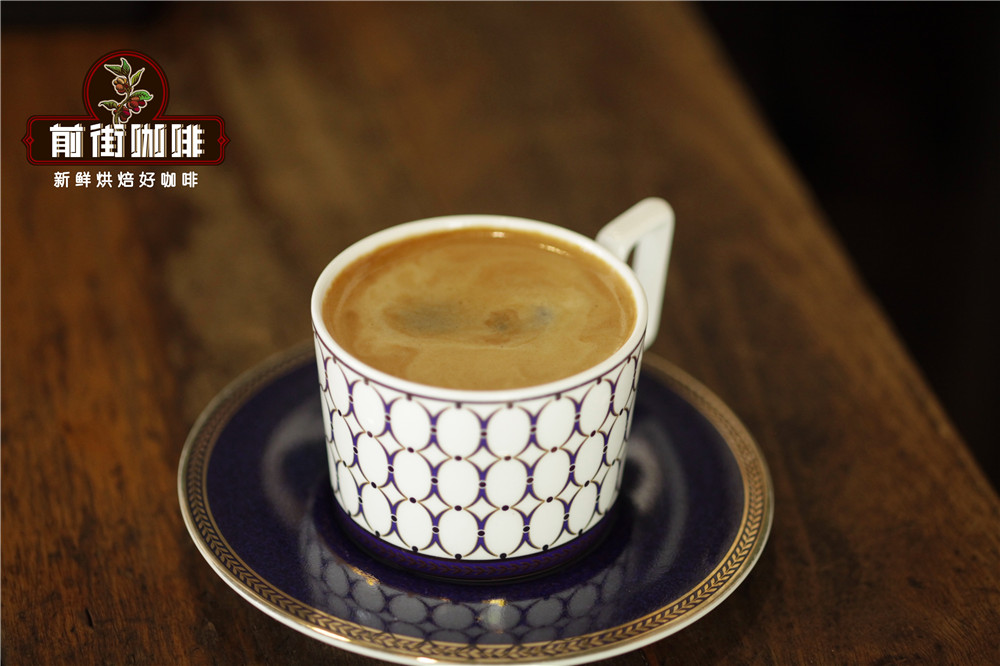
In Australia, people make Flat White hot only, because adding ice dilutes the overall concentration and turns it into a Flat White that has lost its soul. In that sense, making Flat White cold essentially makes it a latte.
Latte and Flat White are both espresso mixed with milk, yet they offer two different experiences. As the saying goes, Flat White is the Australian version of the latte, or put another way, a latte is milk with coffee flavor, while a Flat White is coffee with milk flavor.
How to Distinguish Between Latte and Flat White Coffee?
What are the differences in taste between the two?
01 Milk Foam
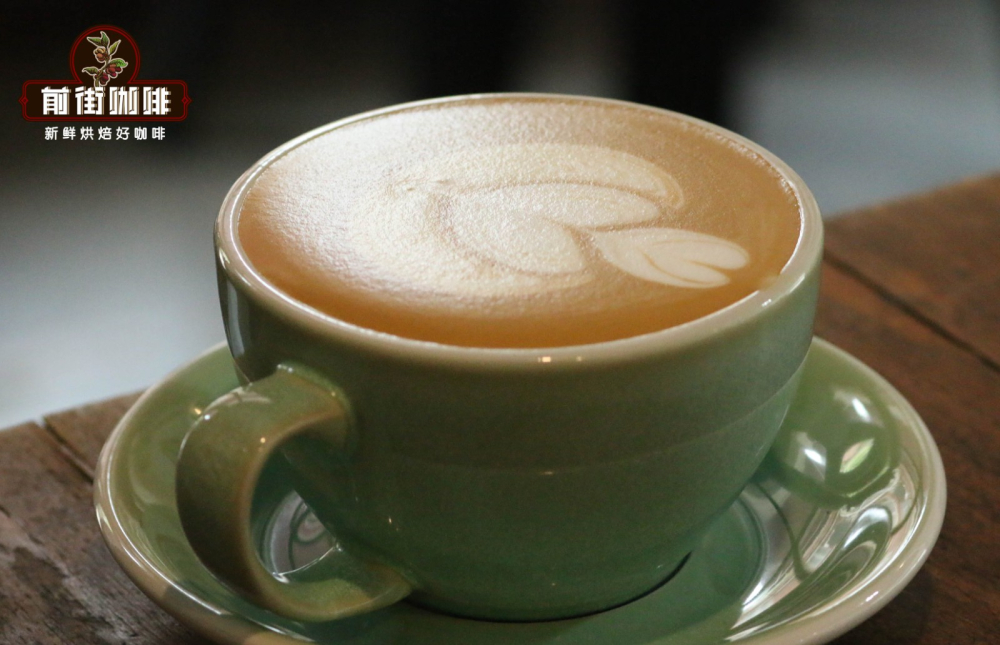
Everyone knows that beautiful milk foam on the surface of an espresso makes the drink look appealing, and some believe that if the foam isn't beautiful, the espresso isn't good either. A latte's foam is about 1cm thick, which makes latte art relatively easy; a Flat White's foam is only about 5mm thick, relatively finer, smoother, and lighter, with high integration between milk and espresso and a silky texture.
02 Espresso Portion
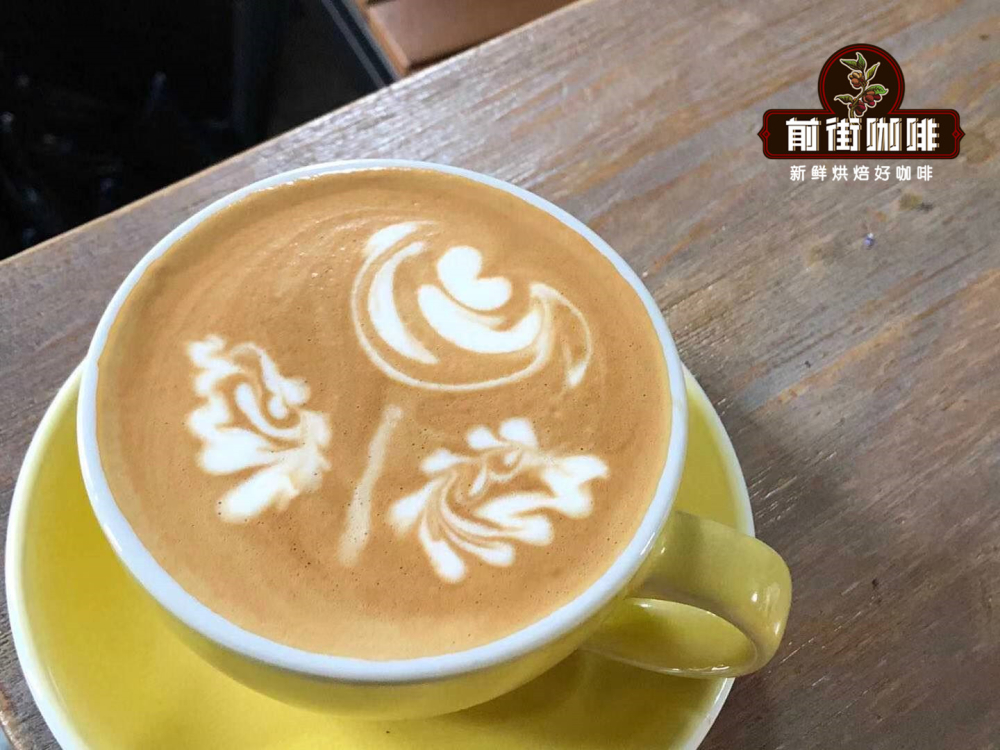
Typically, both drinks contain the same amount of coffee, but because Flat White uses a smaller cup, the proportion of espresso is higher, giving a stronger coffee flavor. A latte, by contrast, has a heavier milk flavor and relatively less coffee taste. Cup sizes differ too: a standard latte is around 300ml, while a Flat White comes in a smaller cup of about 210ml. That is FrontStreet Coffee's serving size and may vary by shop, so if you order a Flat White and see a smaller cup than a latte, don't think it's a mistake; that's how it should be served.
03 Taste
Latte and Flat White have basically the same ingredients, with the main difference being concentration and the texture of the milk foam. Because a Flat White uses less aerated milk, the texture is thicker and smoother, while a latte's foam is more aerated, giving a lighter drinking experience. Drinking a latte is about tasting the light, dense foam sensation, while drinking a Flat White emphasizes the smooth, silky texture and the balance between milk and coffee flavors.
If you like milk coffee but want a more prominent coffee flavor, try a Flat White; if you don't want too much coffee flavor, try a latte.
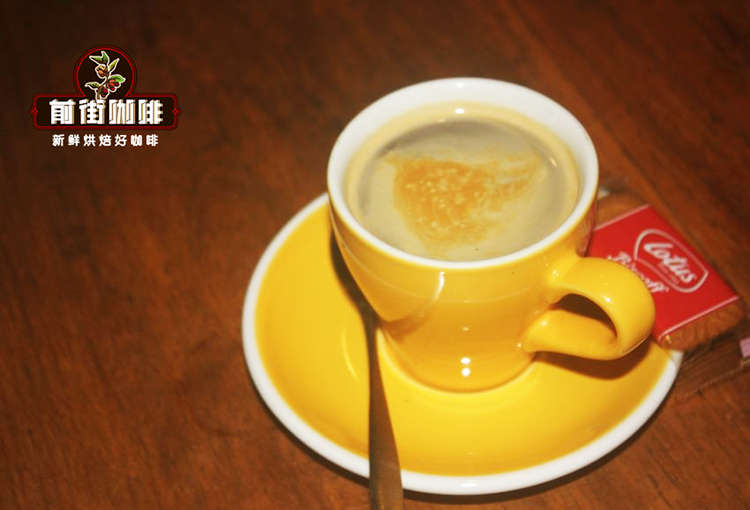
Flat White has less milk than a latte, and the espresso concentration is stronger. The authentic Flat White uses an espresso called Ristretto, while regular latte and Americano use Espresso.
Here are FrontStreet Coffee's parameters for making Flat White and latte, so everyone can compare more directly.
FrontStreet Coffee's Latte Standard:
Uses a 300ml ceramic coffee cup, with a 40g espresso base and 260ml milk plus foam. Foam thickness is about 1cm (foam aeration level: 5/10 full milk aerated to 7/10 foam).

FrontStreet Coffee's Flat White Standard:
Uses a 220ml glass, with 30g ristretto espresso and 190ml milk plus foam. Foam thickness is about 0.5cm (foam aeration level: 5/10 full milk aerated to 5.5-6/10 foam).
Differences: In cup size, a latte is larger than a Flat White. Visually, a latte has slightly thicker foam with a slight bulge, while a Flat White has thinner foam and a flat appearance. In flavor, a latte has a stronger milk flavor, while a Flat White has a more prominent coffee flavor. That is why Australians jokingly say a latte is coffee-flavored milk, meaning essentially milk, while a Flat White is milk-flavored coffee, meaning essentially coffee.
How to Make Flat White?
So how exactly do you make a Flat White, and how do you make a latte? What beans suit espresso? FrontStreet Coffee answers these one by one.
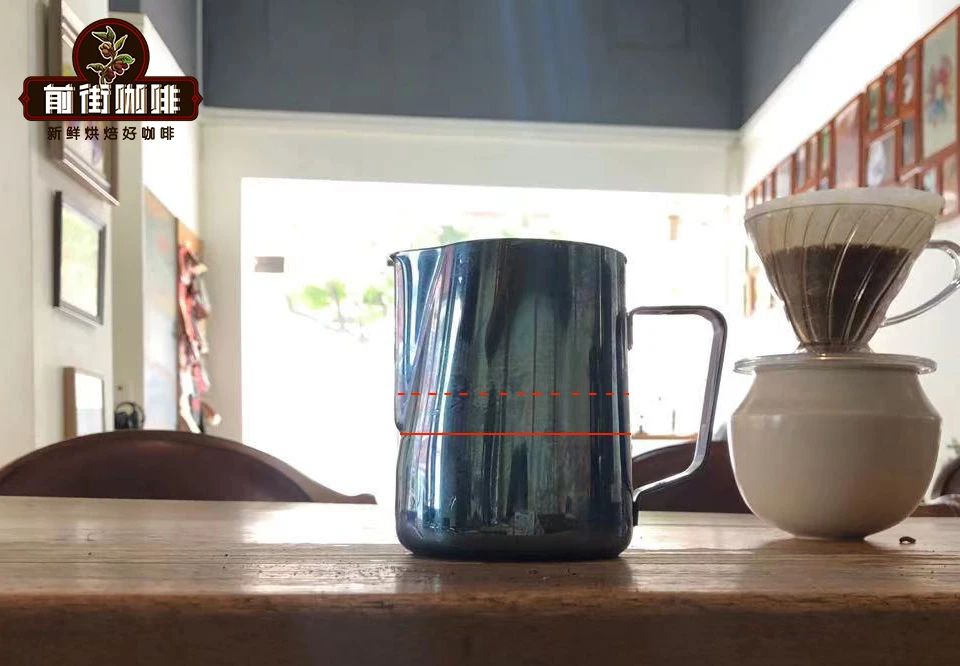
FrontStreet Coffee uses a Pegasus E98 espresso machine with the following extraction parameters:
- Pressure: 9 bar
- Temperature: 94°C
- Time: 20-30 seconds
- Coffee-to-water ratio: 1:1.7-1:2
- Coffee dose: 12g (single espresso), 20g (double espresso)
- Espresso yield: 20ml (single), 40ml (double)
Recommended Milk to Coffee Ratio for Flat White

- Milk: Whole fresh milk (FrontStreet Coffee uses Kowloon Dairy fresh milk)
- Milk aeration temperature: 50-60°C (too low a temperature won't bring out the lactose in milk, too high will damage the milk protein and give a grainy texture)
- Foam thickness: 5mm (1cm foam is for latte, 1.5cm foam is for cappuccino)
- Espresso content: 40ml
- Milk content: 140ml
The ratio for making a latte is as follows.
FrontStreet Coffee uses the Pegasus E98 espresso machine.

- Pressure: 9 bar
- Temperature: 94°C
- Time: 20-30 seconds
- Coffee-to-water ratio: 1:1.7-1:2
- Coffee dose: 12g (single espresso), 20g (double espresso)
- Espresso yield: 20ml (single), 40ml (double)
FrontStreet Coffee uses a double espresso for making a latte, with the extracted beans showing the following flavor characteristics: distinct fruit acidity, subtle berry aroma, rich wine and chocolate flavors, and a comfortable aftertaste.
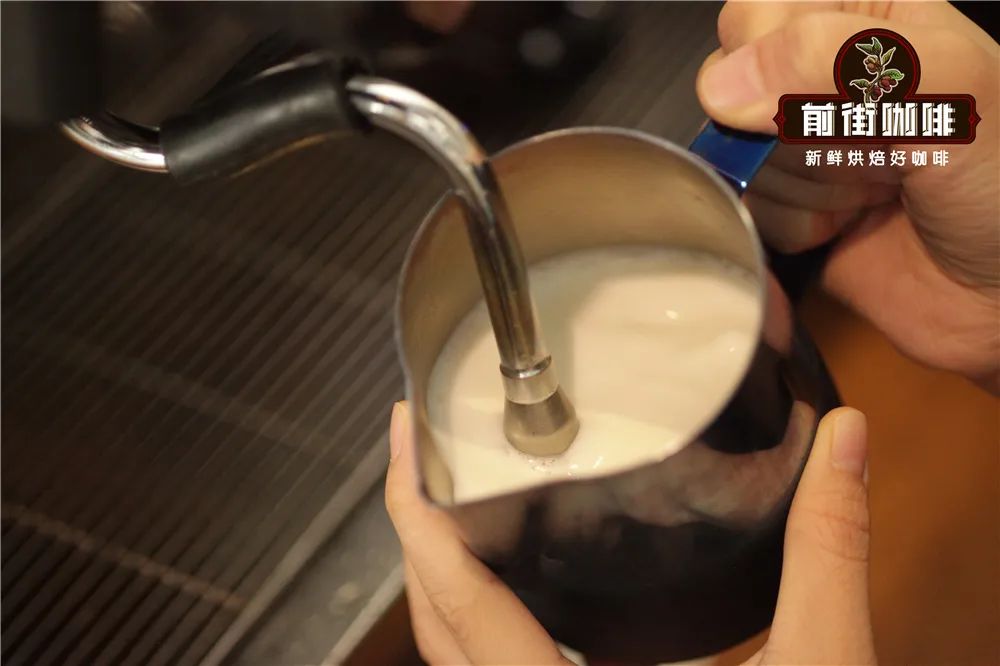
- Milk: Whole fresh milk (FrontStreet Coffee uses Kowloon Dairy fresh milk)
- Milk aeration temperature: 50-60°C (too low a temperature won't bring out the lactose in milk, too high will damage the milk protein and give a grainy texture)
- Foam thickness: 1cm (thinner than 1cm is for Flat White, thicker than 1cm is for cappuccino)
These are the parameters FrontStreet Coffee uses when making Flat White and latte. Each shop uses different beans and different espresso machines, so the milk-to-coffee ratio, bean selection, and extraction parameters for a latte vary slightly from shop to shop, and naturally the flavors differ too.
Broadly speaking, though, a latte is a coffee drink with a large amount of milk mixed into espresso. Different beans produce different latte flavors, different milks produce different latte flavors, and even different coffee-to-milk ratios present different flavors.
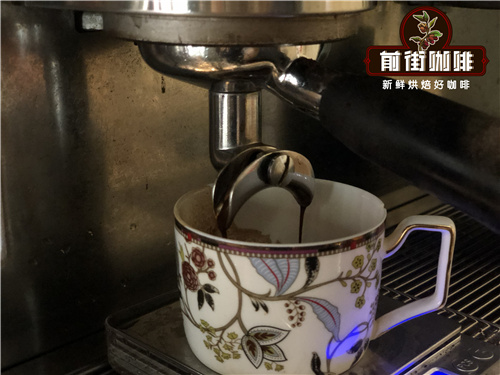
For daily Flat White preparation, FrontStreet Coffee uses a "Sunflower Warm Sunshine" blend made from sun-dried Yirgacheffe blended with Honduras Sherry. Through daily adjustments to the extraction parameters, the ristretto parameters on the day this article was written were 19.8g of grounds extracting 30g of coffee liquid in 27 seconds.
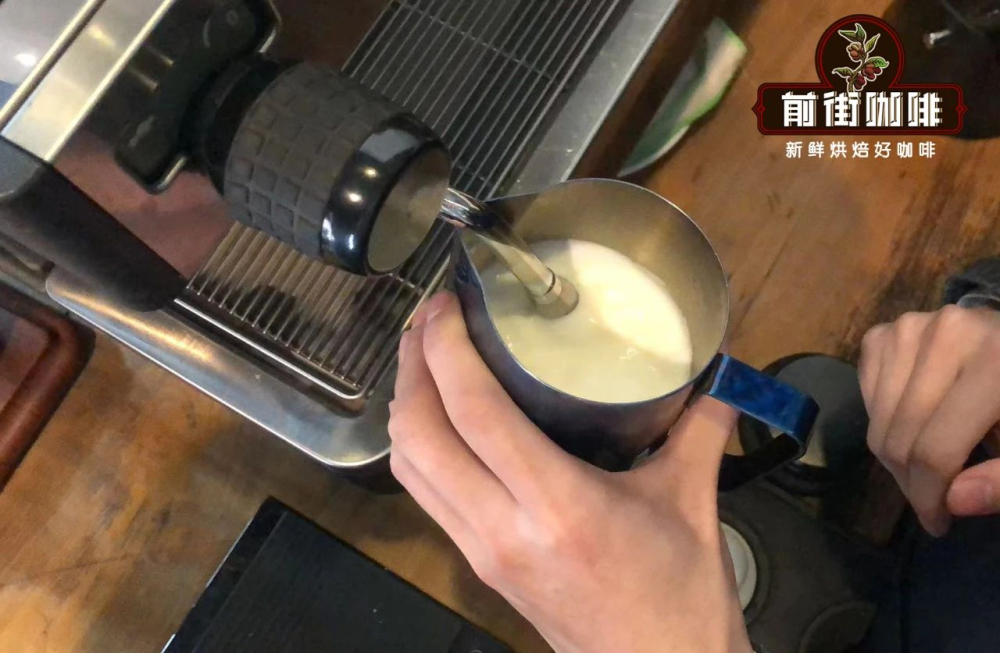
When FrontStreet Coffee makes a Flat White, the coffee-to-milk ratio is 1:6. Into 30g of coffee liquid we pour 180g of hot milk with light, aerated foam through the center, minimizing damage to the crema. Some shops use the latte-making method instead, fully integrating the milk with the espresso and then creating latte art, also at a coffee-to-milk ratio of around 1:6.
FrontStreet Coffee's Brewing Suggestions:
Whichever coffee you brew, freshness matters greatly for flavor. FrontStreet Coffee therefore ships all beans within 5 days of roasting. Our roasting philosophy is "freshly roasted good coffee," ensuring every customer receives the freshest coffee on arrival. The resting period is about 4-7 days, so by the time it reaches you, it is at peak flavor.

For those who need ground coffee, a reminder: if beans are ground in advance, no resting period is needed, because during transport the pressure of the carbon dioxide produced in the package helps round out the flavor, so you can brew immediately on receiving ground coffee. Ground coffee should be brewed promptly, though, since it oxidizes quickly when exposed to air and the flavor dissipates relatively fast, leaving the coffee less enjoyable. FrontStreet Coffee therefore recommends buying whole beans and grinding fresh for each brew to better experience the flavor.
Finally, FrontStreet Coffee believes that to brew a delicious cup you must practice more, because different techniques produce different flavors. Welcome to FrontStreet Coffee to talk coffee.
FrontStreet Coffee Recommendation
Flat White rewards beans with a strong flavor memory, since the milk is there to frame the espresso rather than hide it. For home brewing, FrontStreet Coffee recommends the Classic Blend, a butter-and-cheese profile with a low-acid, full body and a rich, fine crema that turns exceptionally creamy with milk. For those who chase floral and fruity notes, the Strawberry Candy espresso blend keeps bitterness to a minimum and pulls with full grape and blueberry flavors, so a Flat White made with fresh milk ends up tasting like a strawberry milkshake.
To make one at home, FrontStreet Coffee's Premium Blend makes a clean ristretto base: 20g of grounds into 32g of liquid in 22-25 seconds, paired with 160ml of fresh milk. The foam should stay thin, about 0.3cm, so aerate for just one to two seconds, then submerge the steam wand and spin the milk to a tight, glossy microfoam at 50-55°C. Pour gently and the cup comes out silky and smooth, with the coffee still unmistakably in front.
Important Notice :
FrontStreet Coffee is a long-established specialty coffee roaster in Guangzhou China, selling freshly roasted beans from its own farm in Yunnan as well as dozens of carefully selected single-origin beans from around the world for both pour-over and espresso. The products deliver consistently excellent quality and great value, with shipping within 24 hours. Guangzhou's FrontStreet Coffee shop is recommended by many coffee lovers, and the beans are now available online at the Tmall 。
FrontStreet Coffee has moved to a new address:
FrontStreet Coffee Address: 315,Donghua East Road,GuangZhou
Tel:020 38364473
 Scan and follow the En Gafei WeChat official account. Please indicate that the reprint comes from "En Gafei".